Vulval Itching and Irritation: Causes, What They Mean, and When to See a Doctor
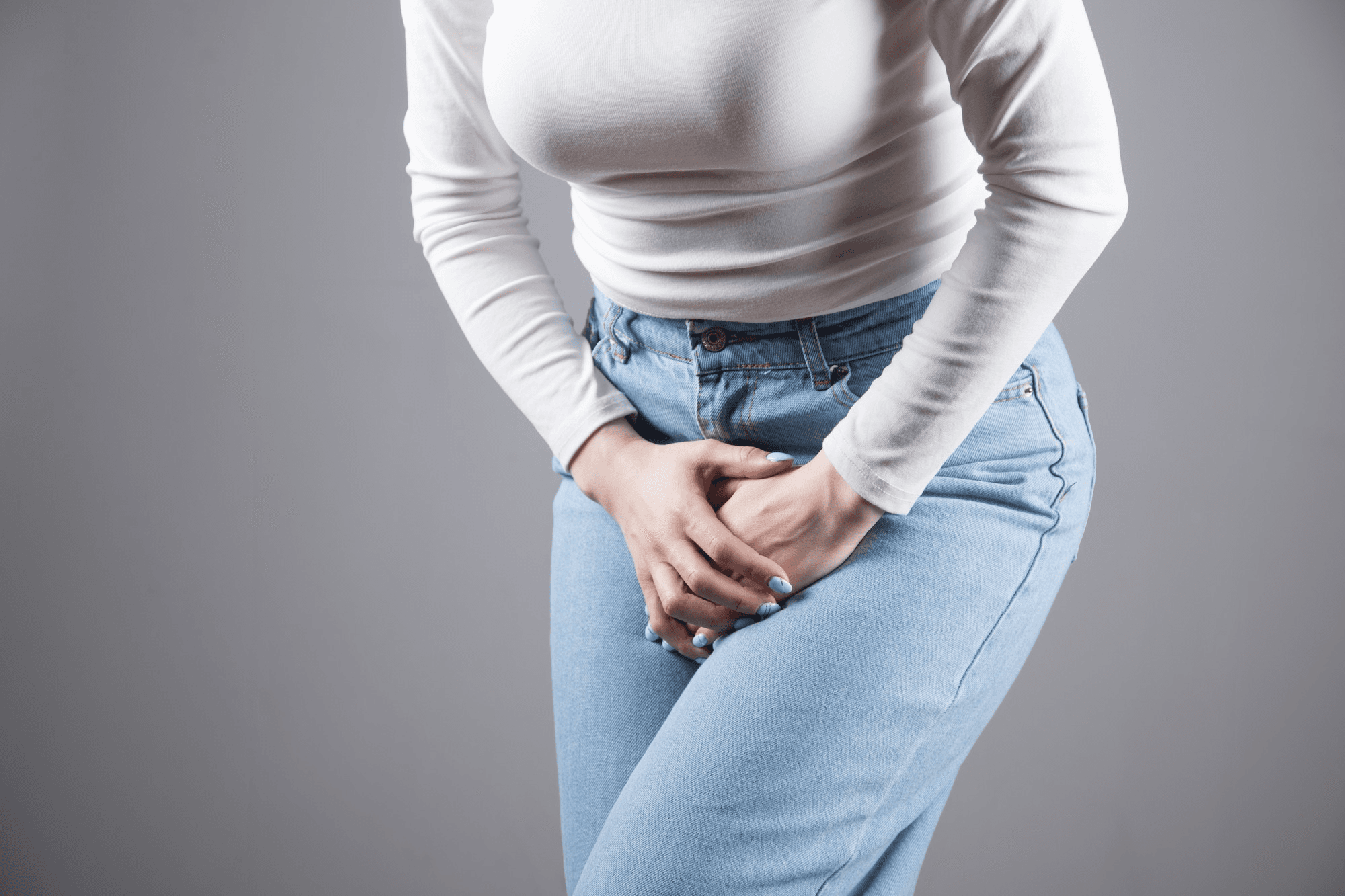
Woman clutches abdomen, discomfort hinting at vaginal infection symptoms like pain, burning, and urine urgency.
Vulval itching is one of those symptoms that women frequently manage for months — or years — with over-the-counter antifungal creams before seeking proper evaluation. In many cases, the cream helps briefly, and then the itching returns. The cycle repeats. The underlying cause is never actually identified.
Some causes of vulval itching are benign and easily treated. Others — if persistently untreated or misidentified — have long-term implications. Getting the correct diagnosis the first time makes the treatment straightforward.
Dr. Shachi Singh, consultant gynaecologist at Prakash Hospital, Sector 33, Noida, explains the most common causes of vulval itching and irritation, how to distinguish them, and which ones need prompt attention.
Vulvovaginal Candidiasis (Thrush / Fungal Infection)
The most common cause of vulval itching in women of reproductive age. Caused by Candida albicans — a yeast normally present in the vagina in small quantities, which overgrows under certain conditions.
Triggers: Antibiotics (which disrupt normal vaginal bacteria), uncontrolled diabetes, pregnancy, immunosuppression, tight synthetic clothing, frequent use of vaginal wipes or deodorants.
Symptoms: Intense vulval itching and irritation, thick white cottage-cheese-like vaginal discharge (usually odourless), redness and swelling of the vulva, soreness, and sometimes a burning sensation during urination or sex.
Treatment: Antifungal treatment — clotrimazole cream and pessary (available over the counter), or oral fluconazole capsule (prescription). Single-dose oral treatment is convenient and effective for uncomplicated thrush.
Important: Recurrent thrush (4 or more episodes per year) warrants investigation — blood glucose (to exclude undiagnosed diabetes), culture to confirm the organism (non-albicans Candida is less responsive to standard treatment), and review of lifestyle triggers.
Bacterial Vaginosis (BV)
BV is the most common vaginal condition in women of reproductive age — yet it is frequently misdiagnosed as thrush and treated incorrectly. BV occurs when the normal lactobacillus-dominant vaginal microbiome is replaced by a mixed overgrowth of bacteria, including Gardnerella.
Symptoms: A fishy-smelling vaginal discharge (particularly after sex), greyish-white discharge, mild vaginal irritation. Notably — itching is usually not severe with BV, and the discharge does not look like thrush.
Treatment: Antibiotics — metronidazole (oral or vaginal gel) or clindamycin vaginal cream. Lactic acid vaginal gels support microbiome restoration.
Why it matters beyond discomfort: BV in pregnancy increases the risk of preterm birth and late miscarriage. BV increases susceptibility to sexually transmitted infections. Recurrent BV deserves proper microbiome assessment.
Contact Dermatitis
An allergic or irritant reaction to something in contact with the vulvar skin. The vulvar skin is highly sensitive and reacts to many commonly used products.
Common culprits: Scented sanitary pads, synthetic underwear, vaginal washes and deodorants, spermicide gels, lubricants with added ingredients, perfumed soap, laundry detergent residue in underwear, latex condoms (in latex allergy).
Symptoms: Burning, itching, and redness that correspond to where the irritant contacted the skin. The history of a new product or change in product is typically identifiable.
Treatment: Remove the offending product. Use plain water or unperfumed soap for vulvar washing. Switch to 100% cotton underwear. The reaction typically resolves within a week once the trigger is removed.
Lichen Sclerosus
This is the condition most commonly missed for months or years — and the one with the most significant implications if untreated.
Lichen sclerosus is a chronic inflammatory skin condition most commonly affecting the vulva, causing extreme itching, skin changes, and, over time, scarring and architectural changes to the vulvar tissue. It is most common in postmenopausal women but can occur at any age.
Symptoms: Intense, persistent itching — often worst at night. The affected skin appears white, thinned, and crinkled (sometimes described as "cigarette paper" texture). In advanced cases, architectural changes occur — the labia minora may shrink, the clitoral hood may fuse, and the vaginal entrance may narrow, causing pain with sex or with gynaecological examination.
Why it matters: Lichen sclerosus is associated with a small but real increased risk of vulvar cancer — approximately 4 to 5% of women with untreated lichen sclerosus develop vulvar squamous cell carcinoma over their lifetime. With appropriate treatment and monitoring, this risk is significantly reduced.
Treatment: High-potency topical corticosteroid cream (clobetasol propionate) — applied regularly for several months, then on a maintenance schedule. This controls symptoms and prevents progression. Regular dermatological or gynaecological review to monitor for any suspicious changes.
Lichen Simplex Chronicus
The itch-scratch cycle. Repeated scratching of the vulva — from any initial trigger — damages the skin and makes it itch more, which causes more scratching. The skin becomes thickened and leathery (lichenification). The original cause may no longer be present; the skin change and the itch-scratch cycle have become self-perpetuating.
Treatment involves breaking the cycle with a short course of topical corticosteroid and, importantly, addressing the habit of scratching — sometimes with antihistamines at night when scratching tends to be unconscious.
Atrophic Vaginitis / Genitourinary Syndrome of Menopause
In postmenopausal women (and breastfeeding women), oestrogen deficiency causes the vulvar and vaginal tissues to thin, dry, and become more sensitive and fragile. This causes itching, burning, and soreness that is often misattributed to repeated thrush.
Treatment: Local vaginal oestrogen (cream or pessary) — highly effective and minimally absorbed systemically.
Sexually Transmitted Infections
Some STIs present with vulvar itching or irritation — including herpes simplex (with characteristic painful blisters or ulcers) and trichomonas vaginalis (frothy yellow-green discharge with itching). Any ulcer, blister, or painful sore on the vulva should be assessed promptly.
When to See a Doctor
See your gynaecologist if:
- Symptoms have persisted for more than 2 weeks despite over-the-counter antifungal treatment
- You have recurrent episodes (4 or more per year)
- You notice skin changes — white patches, thickening, or unusual texture
- You have a sore, ulcer, or lump that does not heal within 2 weeks
- You have postmenopausal vulvar symptoms
Never rely on self-diagnosis for recurring or persisting vulval symptoms. The difference between thrush, BV, lichen sclerosus, and contact dermatitis requires clinical assessment — and treating the wrong condition delays appropriate care.
To book a consultation with Dr. Shachi Singh, call: +91 97023 46853
Clinic Hours: Monday to Saturday, 9 AM – 6 PM | Sunday, 10 AM – 2 PM
Clinic Address: D-12A, 12B, Sector-33, G.B. Nagar, Noida, Uttar Pradesh 201301
This blog is for informational purposes. Consult Dr. Shachi Singh or a qualified gynaecologist for assessment specific to your symptoms.