HPV Vaccine in India: Who Should Get It, When, and Why It Can Save Your Daughter's Life
HPV Vaccine in India
In February 2026, Prime Minister Narendra Modi launched India's nationwide HPV vaccination programme at Ajmer, Rajasthan — a public health initiative that will reach approximately 1.15 crore girls aged 14 across every state and union territory.
This launch was a long time coming. India accounts for nearly 25% of all cervical cancer deaths in the world. Every four minutes, a new case is diagnosed somewhere in India. Every seven minutes, a woman dies. The numbers are staggering, and they are almost entirely preventable.
Cervical cancer is unique among cancers in that it is caused, in over 99% of cases, by a single identifiable infection — Human Papillomavirus (HPV). We have vaccines that prevent this infection. We have had them for years. The deaths that continue to happen are happening because the vaccine is not reaching the girls who need it.
That is the public health context. The practical question for families across Noida and Greater Noida is simpler: should your daughter get the HPV vaccine? Should you?
Dr. Shachi Singh, consultant gynaecologist at Prakash Hospital, Sector 33, Noida, answers these questions every day in clinic. This guide covers what the HPV vaccine is, what it protects against, which vaccines are available in India, the dosing schedule, who should get it, and what questions parents and women commonly have.
What HPV Is and Why It Causes Cervical Cancer
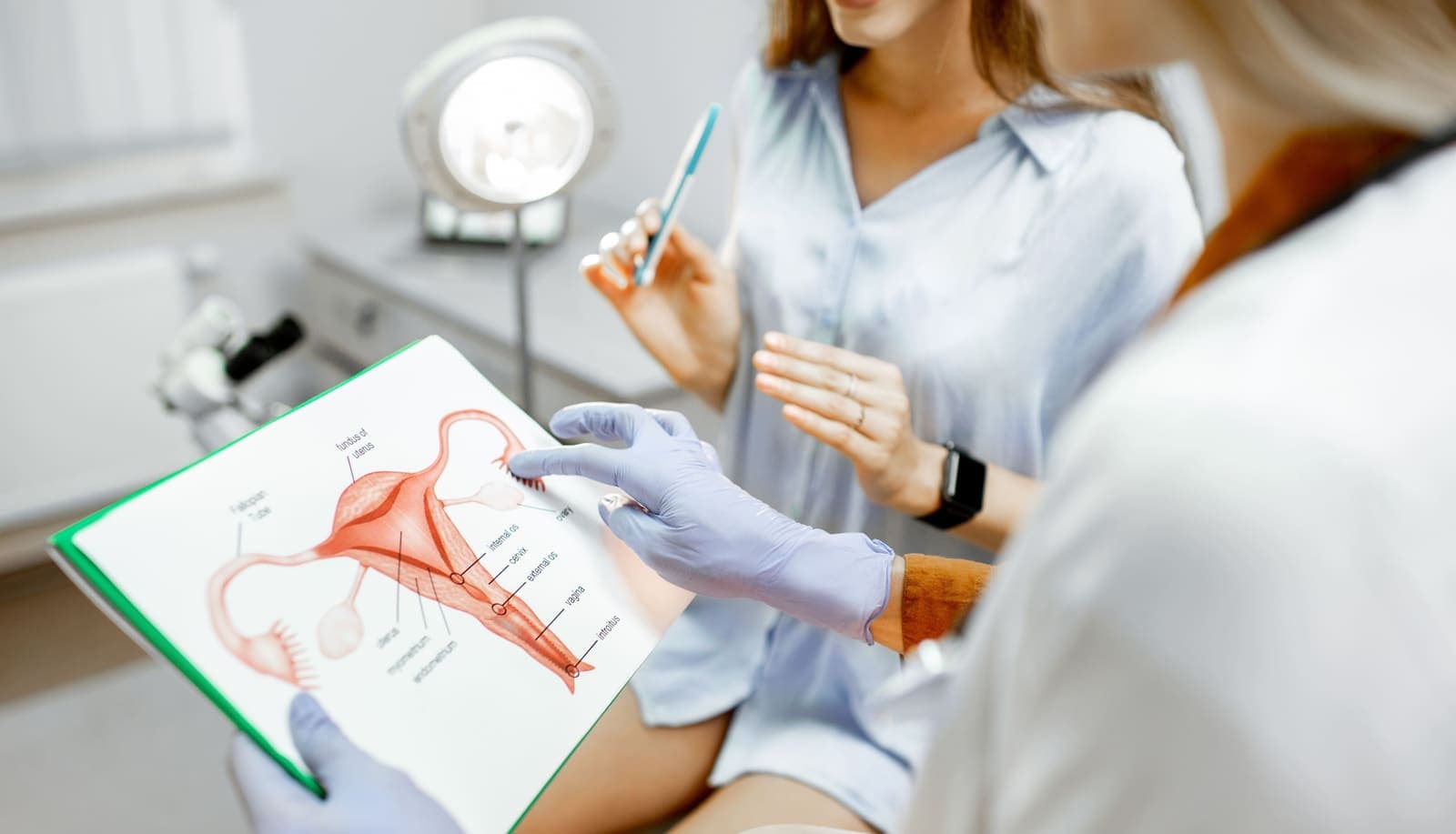
HPV — Human Papillomavirus — is not one virus. It is a family of over 200 related viruses, of which approximately 40 infect the genital region and are transmitted through skin-to-skin contact during sexual activity.
Most HPV infections are temporary. The immune system clears them within 1 to 2 years without symptoms, problems, or awareness on the part of the infected person. This happens to the majority of people who encounter HPV.
The problem arises with persistent infection by high-risk HPV strains — particularly HPV 16 and HPV 18, which together account for over 70% of cervical cancers in India. When these strains persist in cervical cells over years to decades, they cause changes that progressively advance from normal cells to precancerous lesions (called CIN — cervical intraepithelial neoplasia) to invasive cancer.
This progression takes time — typically 10 to 20 years from initial infection to cancer development. This long window is why the Pap smear can intercept the process. And it is why the vaccine, given before HPV exposure, prevents the infection that starts the whole sequence.
The HPV Vaccines Available in India
1. CERVAVAC — India's Own Vaccine
CERVAVAC is a quadrivalent (four-strain) HPV vaccine developed and manufactured by the Serum Institute of India — the world's largest vaccine manufacturer. Launched commercially in January 2023, it was incorporated into India's national immunisation programme in 2026.
CERVAVAC protects against four HPV strains:
- HPV 16 and 18: The two high-risk strains responsible for the majority of cervical cancers
- HPV 6 and 11: The strains that cause genital warts
The vaccine contains no live virus — only proteins from the outer shell of the HPV virus that train the immune system to recognise and destroy the actual virus if encountered later. You cannot get HPV infection from the vaccine.
CERVAVAC is India's first indigenous HPV vaccine. Its domestic manufacturing means significantly lower cost compared to imported vaccines, making it more accessible for India's scale of need.
2. Gardasil (Gardasil 4 and Gardasil 9)
Gardasil 4 protects against the same four HPV types as CERVAVAC. Gardasil 9 is a nine-valent vaccine that additionally covers HPV types 31, 33, 45, 52, and 58 — together responsible for an additional 15 to 20% of cervical cancers beyond the HPV 16 and 18 coverage.
Gardasil 9 is available in the private market in India, and provides broader protection. Your gynaecologist can advise which vaccine is appropriate for your daughter's situation.
3. Cervarix
A bivalent vaccine protecting against HPV 16 and 18 only, without the genital wart protection. Less commonly used now that quadrivalent options are available.
How Effective Is the HPV Vaccine?
The efficacy data for HPV vaccines is among the strongest in vaccine science.
Against HPV 16 and 18 infection, when given before exposure: Nearly 97 to 100% effective.
Against cervical cancer: A landmark Swedish study following nearly 1.7 million women found nearly 90% reduction in cervical cancer incidence among girls vaccinated before age 17. This is real-world data over decades, not just a trial result.
Against genital warts: Approximately 88% reduction in teenage girls.
Long-term duration: Studies confirm protection for at least 12 to 14 years with no evidence of waning immunity. Booster doses have not been found necessary to date.
In India's national programme: A single dose of Gardasil-4 provides 93 to 100% effectiveness against the HPV types it covers, based on evidence supporting single-dose regimens in adolescents.
The vaccine does not work retroactively — it prevents future infection with the strains it covers. It cannot treat an existing HPV infection or an existing cervical lesion. This is the reason for vaccinating before sexual debut.
Who Should Get the HPV Vaccine
1. Girls Aged 9 to 14 Years — The Priority Group
This is the group for whom the vaccine works best and provides the most benefit. The immune response to the vaccine is stronger at younger ages (9 to 14) than at older ages. Two doses 6 months apart are sufficient in this age group.
The vaccine should be presented to parents as a cancer-prevention vaccine — because that is what it is. Some parents feel uncomfortable with a vaccine described as preventing a sexually transmitted infection. The medical framing is simpler: this vaccine prevents cervical cancer, and it works best when given now, before your daughter is ever exposed to HPV.
India's national programme specifically targets girls aged 14 for the first round of free government vaccination. Girls aged 9 to 13 can be vaccinated through school health programmes or private healthcare.
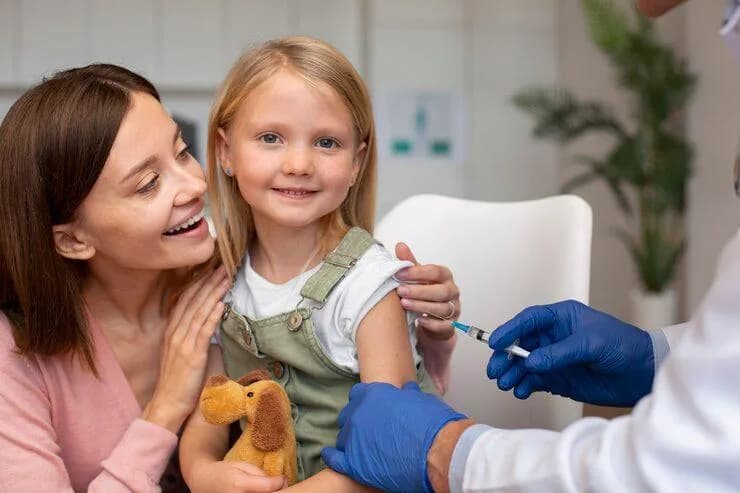
Child getting necessary vaccines
2. Girls and Women Aged 15 to 26 Years
Three doses are required in this age group (at 0, 2, and 6 months). The vaccine is still highly effective and recommended.
Women in this age group who have already been sexually active can still benefit — they are unlikely to have encountered all four vaccine strains, and even if they have been exposed to one strain, the vaccine still protects against the others.
3. Women Aged 27 to 45 Years
The vaccine can be given in this age group, but the benefit decreases with age because the likelihood of prior HPV exposure increases. It is not part of the routine immunisation schedule for this group but may be appropriate for some individuals. Discuss with your gynaecologist whether it is worthwhile in your specific situation.
4. Does the HPV Vaccine Apply to Boys and Men?
CERVAVAC's label now includes males aged 9 and above. Boys can carry and transmit HPV without having any symptoms themselves. Vaccinating boys reduces community HPV transmission and also protects against HPV-related cancers in men (anal, penile, and oropharyngeal cancers). Some countries have already incorporated boys into their routine HPV vaccination programmes. India's current national programme targets girls, but individual vaccination of boys is possible and may become standard recommendation.
The Dosing Schedule
Age 9 to 14 years: 2 doses — given at 0 months (first dose) and 6 months (second dose). If the interval between doses is less than 5 months, a third dose is needed.
Age 15 and above: 3 doses — given at 0 months, 2 months, and 6 months. All three doses should be completed within 12 months.
The vaccine is given as an intramuscular injection, usually in the upper arm. The girl should sit or lie down during and for 15 to 30 minutes after vaccination — fainting reactions, while uncommon, can occur immediately post-injection in adolescents.
The vaccine series does not need to be restarted if the schedule is delayed. Simply continue where it left off.
Common Concerns — Addressed Directly
1. "The vaccine is for sexually transmitted infections. My daughter is too young."
The vaccine is a cancer-prevention vaccine. Framing it around STIs misses the medical objective entirely. Cervical cancer kills approximately 77,000 Indian women every year. The vaccine, given before HPV exposure, prevents the infection that causes it. Giving it at 9 to 14 — before sexual debut — is precisely when it works best and provides lifelong protection.
2. "Is the vaccine safe?"
Yes. Over 500 million doses of HPV vaccines have been administered globally since 2006. The safety profile is extensively monitored and consistently confirmed. Common side effects are injection-site soreness (a day or two), mild fever, and occasionally dizziness after injection (the reason for the 15-minute post-vaccination observation period). Serious adverse events are extremely rare and well within the background rates seen in the general population.
3. "My daughter already had the infection — is it too late?"
If she has had all four vaccine strains, the vaccine provides no additional benefit for those strains. But this is very unlikely in someone who has not been sexually active, and even in sexually active women, having been exposed to one strain does not mean exposure to all four. The vaccine still provides meaningful protection against the strains not yet encountered.
4. "She is vaccinated — does she still need Pap smears?"
Yes. Absolutely. The HPV vaccine covers the strains responsible for approximately 70 to 80% of cervical cancers. The remaining 20 to 30% of cases involve other HPV strains not in the current vaccines, or other contributing factors. Regular cervical screening remains essential for all women who have been sexually active, regardless of vaccination status. Vaccination and screening complement each other — neither replaces the other.
5. "Is the government vaccine safe?"
India's government programme uses Gardasil-4 (procured through GAVI, the Vaccine Alliance) and will increasingly incorporate CERVAVAC. Both vaccines meet international quality and efficacy standards. The cold chain and distribution protocols follow national immunisation programme standards. The vaccine being distributed free does not mean it is of lower quality.
What the National Programme Means for Noida Families
India's 2026 national HPV vaccination launch means that for the first time, the vaccine is available free of cost at government facilities for eligible girls (currently 14-year-olds under the government programme). This removes the cost barrier that previously prevented many families from accessing it.
For girls outside the currently eligible age group, or for families who prefer vaccination through private healthcare, the vaccine is available through gynaecology clinics and paediatric clinics across Noida and Greater Noida.
Cervical Cancer Prevention in Noida and Greater Noida
The HPV vaccine, combined with regular Pap smear screening, is the most effective combination available to prevent cervical cancer. One prevents the infection before it occurs. The other detects pre-cancer before it becomes cancer. Together, they can dramatically reduce India's cervical cancer burden.
Dr. Shachi Singh at Prakash Hospital, Sector 33, Noida, provides HPV vaccination, cervical cancer screening (Pap smear and HPV co-testing), and colposcopy for women and girls across Noida and Greater Noida.
If your daughter is in the 9 to 14 age range, or if you are a woman who has not been vaccinated and wants to discuss whether the HPV vaccine is appropriate for your age and situation — this is the conversation to have.
To book a consultation with Dr. Shachi Singh, call: +91 97023 46853
Clinic Hours: Monday to Saturday, 9 AM – 6 PM | Sunday, 10 AM – 2 PM
Clinic Address: D-12A, 12B, Sector-33, G.B. Nagar, Noida, Uttar Pradesh 201301
Frequently Asked Questions
1. At what age should my daughter get the HPV vaccine?
Ideally between ages 9 and 14, when the immune response is strongest and two doses provide full protection. The vaccine is still recommended and effective up to age 26. From 27 to 45, discuss with your gynaecologist.
2. How many doses of HPV vaccine are needed?
Ages 9 to 14: 2 doses, 6 months apart. Ages 15 and above: 3 doses at 0, 2, and 6 months.
3. Is the HPV vaccine available for free in India?
Yes — India's 2026 national immunisation programme provides the vaccine free of cost at government facilities for eligible girls (currently 14-year-olds). Private vaccination is available at gynaecology and paediatric clinics for those outside the free programme.
4. Does my vaccinated daughter still need Pap smears when she grows up?
Yes. The HPV vaccine protects against the strains that cause approximately 70 to 80% of cervical cancers — not all of them. Regular Pap smear screening (starting from age 21 or within 3 years of first sexual activity) remains essential regardless of vaccination status.
5. Can the HPV vaccine give you HPV?
No. The vaccine contains only proteins from the outer shell of the HPV virus — no live or active virus. It cannot cause HPV infection.
This blog is written for educational and informational purposes only. Please consult Dr. Shachi Singh or a qualified gynaecologist for personalised guidance on HPV vaccination and cervical cancer prevention.