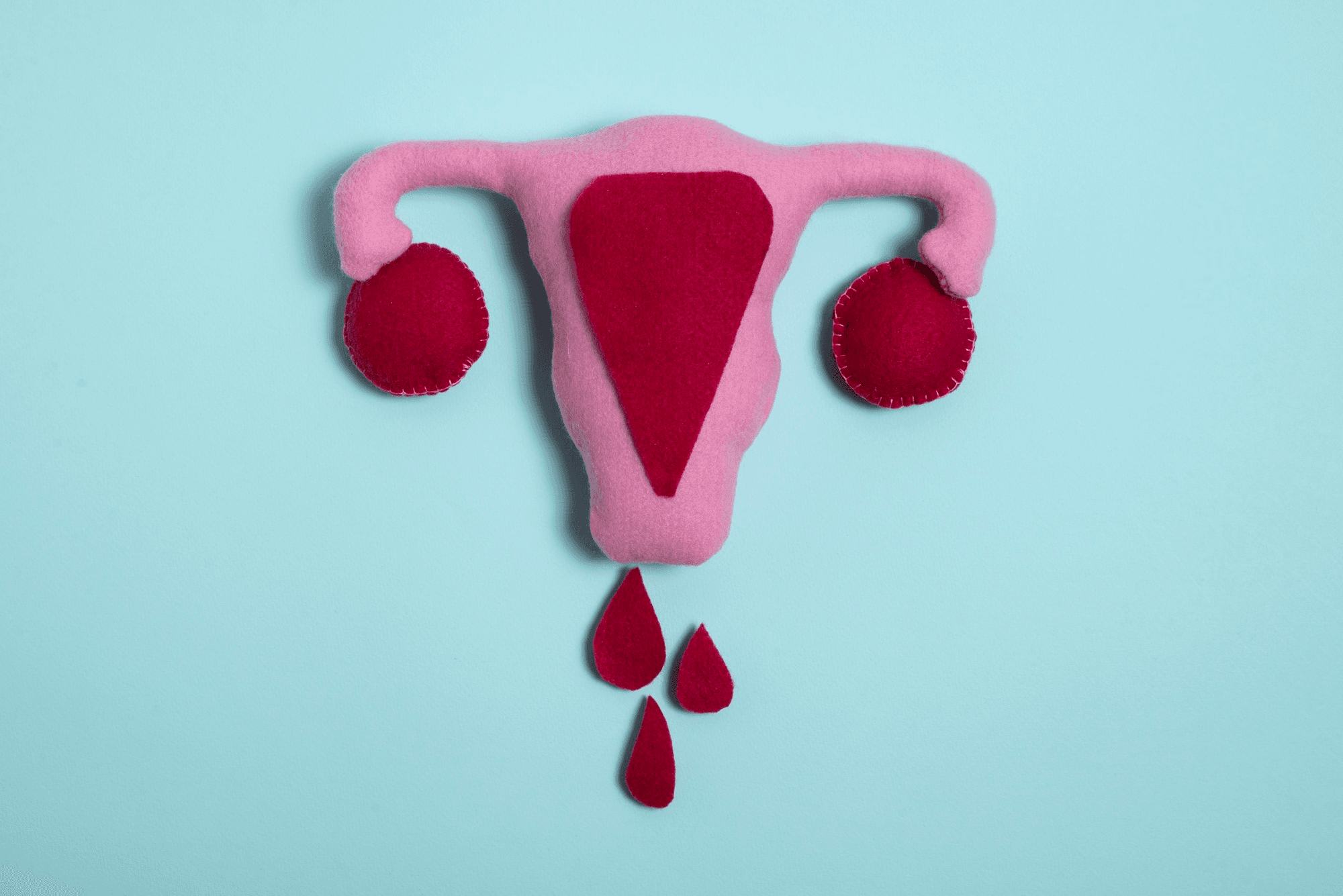
Pelvic Floor Weakness in Women: Symptoms, Causes, and What Can Be Done

The doctor offers comfort to the woman with abdominal pain, talking to her about her pelvic discomfort.
Let us start with the number: approximately 1 in 3 women experience pelvic floor dysfunction at some point in their lives. That is not a rare problem. It is one of the most common conditions in women's health globally — and one of the most poorly discussed, most consistently normalised, and most consistently undertreated.
In India, the normalisation is even more pronounced. Leaking a little urine when you laugh, sneeze, or run after you have had children is so widely considered "just what happens" that many women do not mention it for years. The sensation of pelvic heaviness or something feeling like it is descending is dismissed as "a problem of older age." Pain during sex after delivery is attributed to "just how it is now."
None of these are things to simply accept. They have identifiable causes, evidence-based treatments, and often excellent outcomes with the right intervention.
Dr. Shachi Singh, consultant gynaecologist at Prakash Hospital, Sector 33, Noida, explains what the pelvic floor is, how it becomes dysfunctional, what the symptoms look like, and what the treatment options are, from first-line conservative management to surgery.
What the Pelvic Floor Is
The pelvic floor is a hammock-shaped group of muscles, ligaments, and connective tissue that forms the base of the pelvis. It spans from the pubic bone at the front to the coccyx (tailbone) at the back, and supports the uterus, bladder, and rectum from below. Three openings pass through it: the urethra, the vagina, and the anus.
The pelvic floor performs several functions simultaneously:
- Support: Holds the pelvic organs in their proper position against the constant downward force of gravity and intra-abdominal pressure
- Sphincteric control: Maintains continence — for both the bladder and bowel — by keeping the urethra and anus closed until deliberate relaxation
- Sexual function: Contributes to sexual sensation and arousal through its role in vaginal muscle tone and blood flow
- Stability: Works with the deep abdominal muscles, diaphragm, and back muscles to stabilise the spine and pelvis during movement
When the pelvic floor is healthy and functioning well, these processes are entirely automatic. When it is weakened, scarred, or dysfunctional, one or several of these functions are compromised.
What Causes Pelvic Floor Weakness
Pregnancy and Vaginal Delivery
The most common cause by far. Pregnancy places a progressive downward load on the pelvic floor for nine months. Delivery — particularly vaginal delivery with a large baby, prolonged pushing, instrumental delivery (forceps or ventouse), or significant perineal tearing — directly stretches and sometimes tears the pelvic floor muscles and supportive connective tissue.
Multiple vaginal deliveries compound this cumulative damage.
Some women notice pelvic floor problems immediately after delivery. Others develop symptoms years later as the effects of childbirth combine with the hormonal changes of perimenopause — a phenomenon sometimes called "the tipping point" where the combined effect of birth-related damage and declining oestrogen finally produces symptoms.
Menopause and Oestrogen Decline
Oestrogen maintains the elasticity, thickness, and strength of pelvic floor tissue. After menopause, declining oestrogen causes the tissues supporting the pelvic organs to become thinner, less elastic, and less well-supported. Women who had subclinical pelvic floor weakness from childbirth often develop overt symptoms in their 50s and 60s as oestrogen decline reduces their remaining functional reserve.
Chronic Increased Intra-Abdominal Pressure
Any condition that chronically raises intra-abdominal pressure places sustained load on the pelvic floor:
- Chronic constipation and straining at stool
- Chronic cough — from asthma, smoking, or recurrent chest infections
- Heavy lifting — occupational or otherwise
- Obesity — adipose tissue increases baseline intraabdominal pressure
Connective Tissue Factors
Some women have inherently less robust connective tissue — a genetic trait that is sometimes called connective tissue disorder in its more severe forms (Ehlers-Danlos syndrome) but exists on a spectrum. Women with more elastic connective tissue may develop pelvic organ prolapse at a younger age or after a single delivery.
Ageing
The pelvic floor muscles, like all skeletal muscles, lose mass and strength with age — a process called sarcopenia. Without active maintenance through targeted exercise, pelvic floor muscle strength declines progressively from the fourth or fifth decade.
Pelvic Surgery
Hysterectomy — removal of the uterus — removes the primary central support anchor of the pelvic organ support system. Post-hysterectomy vault prolapse (prolapse of the top of the vagina after the uterus is removed) is a recognised complication of hysterectomy. Other pelvic surgeries can also affect support structures.
The Types of Pelvic Floor Dysfunction
Stress Urinary Incontinence (SUI)
Leaking urine with any activity that increases intraabdominal pressure — coughing, sneezing, laughing, lifting, jumping, running, or even standing up quickly. SUI is caused by inadequate urethral support from the pelvic floor. When the pelvic floor cannot adequately stabilise the urethra against the sudden pressure surge of a cough or sneeze, a small amount of urine escapes.
SUI is the most common form of urinary incontinence in premenopausal women and occurs in approximately 30 to 40% of women who have had vaginal deliveries.
Urgency Urinary Incontinence
A sudden, compelling urge to urinate that is difficult or impossible to suppress, leading to leakage before reaching the toilet. Different from SUI — this is a bladder muscle overactivity issue rather than a urethral support issue, though both can coexist (mixed incontinence).
Pelvic Organ Prolapse
When the support structures of the pelvic organs stretch or fail, the organs can descend toward or through the vaginal opening:
Cystocele: The bladder descends into the front wall of the vagina. Often causes a bulge in the vagina, difficulty fully emptying the bladder, and sometimes stress incontinence.
Rectocele: The rectum descends into the back wall of the vagina. Causes a vaginal bulge and difficulty with bowel emptying — some women need to press on the back of the vaginal wall to defecate.
Uterine prolapse: The uterus descends toward or through the vaginal opening. Causes a sensation of heaviness, pelvic pressure, something coming down, and sometimes a visible or palpable mass at the vaginal opening.
Vault prolapse: After hysterectomy, the top of the vagina (vault) can prolapse downward.
Prolapse is graded from Stage 1 (organs descend within the vagina, no symptoms) to Stage 4 (organs protrude completely through the vaginal opening). Many women with Stage 1 and 2 prolapse are completely symptom-free; symptoms typically develop at Stage 2 to 3.
Faecal Incontinence
Inability to control wind or stool. Less commonly discussed than urinary incontinence, but affecting a significant proportion of women after third and fourth-degree perineal tears (which involve the anal sphincter). May not present immediately after delivery but can emerge years later as muscle compensation mechanisms are exhausted.
Hypertonic Pelvic Floor (Overactive, Not Weak)
Not all pelvic floor problems are from weakness. Some women have an overactive, hypertonic pelvic floor — muscles that cannot fully relax. This causes:
- Pain during sexual intercourse (vaginismus)
- Difficulty inserting tampons
- Painful pelvic examinations
- Pelvic pain in general
A hypertonic pelvic floor requires the opposite treatment from weakness — relaxation rather than strengthening — and is a specific indication for pelvic floor physiotherapy.
Diagnosis: How Pelvic Floor Function Is Assessed
A clinical assessment includes
Symptom history: Detailed questions about urinary symptoms (leakage, urgency, frequency), bowel symptoms (difficulty defecating, faecal incontinence), pelvic pressure or prolapse sensations, sexual function, and when symptoms began.
Pelvic examination: Assessment of vaginal wall tone, presence and degree of prolapse, perineal integrity, pelvic floor muscle strength (graded on a validated scale such as the Oxford scale), and presence of any pelvic pain.
Urodynamics: In women with complex urinary symptoms, urodynamic testing measures bladder pressure and function during filling and voiding, distinguishing stress incontinence from urgency incontinence and mixed patterns.
Imaging: Ultrasound or MRI can visualise pelvic floor anatomy in complex cases or when the clinical picture is unclear.
Treatment Options
First Line: Pelvic Floor Muscle Training (PFMT)
Pelvic floor exercises — Kegel exercises — are the evidence-based first-line treatment for SUI, mild prolapse, and overactive bladder. Multiple clinical trials demonstrate that supervised PFMT reduces SUI episodes by 50 to 70% in women who perform it correctly and consistently.
The critical word is "correctly." A significant proportion of women who try pelvic floor exercises are actually contracting their buttocks, thighs, or abdominal muscles rather than the pelvic floor. Physiotherapy-guided training with biofeedback ensures the right muscles are being engaged.
Pelvic floor physiotherapy: Specialist physiotherapy is significantly more effective than self-directed exercises. A pelvic physiotherapist performs internal assessment, teaches correct technique with biofeedback, designs a progressive training programme, and monitors response. This should be the first step for all women with SUI, mild to moderate prolapse, or hypertonic pelvic floor.
Bladder Training
For urgency incontinence, structured bladder training — gradually increasing the interval between toilet visits to retrain the bladder's urgency threshold — is effective when combined with pelvic floor training.
Lifestyle Modifications
- Weight reduction: Even modest weight loss in overweight women significantly reduces intra-abdominal pressure and SUI episodes
- Bowel management: Resolving chronic constipation and straining reduces pelvic floor loading significantly
- Fluid management: Adequate hydration (not excessive), reducing caffeine (which irritates the bladder), and avoiding late evening fluid intake for urgency symptoms
Pessaries
A vaginal pessary is a silicone device inserted into the vagina to mechanically support prolapsed organs. Available in multiple shapes and sizes. Appropriate for women who are not surgical candidates, prefer to avoid surgery, or are still in their childbearing years. Requires fitting, regular review, and periodic removal for cleaning — typically managed by a gynaecologist.
Laser and Radiofrequency Therapy
Non-surgical energy-based treatments that stimulate collagen remodelling in the vaginal and pelvic floor tissue, improving tone and support. Effective for mild SUI and mild vaginal laxity. Usually requires multiple sessions and annual maintenance.
Surgical Treatment
For women with significant prolapse or SUI that has not responded to conservative management, surgery provides the most durable correction:
Midurethral sling (TVT or TOT): The gold-standard surgical treatment for stress urinary incontinence. A synthetic mesh tape is placed under the urethra, providing support against pressure surges. Success rates of 80 to 90% for curing SUI. Day surgery or overnight admission.
Pelvic floor repair (colporrhaphy): Surgical repair of the anterior vaginal wall (for cystocele) or posterior vaginal wall (for rectocele) to correct prolapse. Performed vaginally. Recovery 4 to 6 weeks.
Sacrocolpopexy / Sacrohysteropexy: Laparoscopic or robotic procedures that suspend the vaginal vault or uterus to the sacrum using a synthetic mesh, for significant vault prolapse or uterine prolapse. More durable than vaginal repairs for advanced prolapse.
All surgical decisions are made based on symptom severity, degree of prolapse, the woman's overall health, and her childbearing status — surgery is best undertaken after completing childbearing.
Pelvic Floor Care in Noida and Greater Noida
Dr. Shachi Singh at Prakash Hospital, Sector 33, Noida, provides comprehensive assessment and management of pelvic floor dysfunction for women across Noida and Greater Noida — from physiotherapy referral and pessary fitting through to surgical repair and midurethral sling procedures.
If you have been living with urinary leakage, pelvic heaviness, or other symptoms of pelvic floor dysfunction — and assuming this is something you just have to accept — a proper assessment is the starting point for a genuinely better quality of life.
To book a consultation with Dr. Shachi Singh, call: +91 97023 46853
Clinic Hours: Monday to Saturday, 9 AM – 6 PM | Sunday, 10 AM – 2 PM
Clinic Address: D-12A, 12B, Sector-33, G.B. Nagar, Noida, Uttar Pradesh 201301
Frequently Asked Questions
Do pelvic floor exercises really work for urinary leakage?
Yes — for stress urinary incontinence, supervised pelvic floor muscle training reduces leakage episodes by 50 to 70% in women who perform them correctly and consistently. The key is correct technique (which physiotherapy training ensures) and consistency over at least 3 months.
What is the difference between stress incontinence and urgency incontinence?
Stress incontinence is leaking with physical activity — coughing, sneezing, exercise. Urgency incontinence is an uncontrollable sudden urge to urinate, sometimes with leakage before reaching the toilet. Both can occur together (mixed incontinence). They have different mechanisms and respond to different aspects of treatment.
Is pelvic organ prolapse dangerous?
Prolapse is not dangerous to health in most cases but significantly affects quality of life through discomfort, urinary and bowel symptoms, and impact on sexual function. Severe prolapse, where organs protrude through the vaginal opening, can cause ulceration and discomfort requiring treatment. Most prolapse is managed effectively through physiotherapy, pessary, or surgery, depending on severity.
Can I treat pelvic floor problems during pregnancy or while breastfeeding?
Yes — pelvic floor exercises are safe and recommended during pregnancy and after delivery. Physiotherapy assessment is appropriate and helpful in the early postnatal period. Surgical treatment is generally deferred until after childbearing is complete.
This blog is written for educational and informational purposes only. Please consult Dr. Shachi Singh or a qualified gynaecologist for assessment and management specific to your symptoms and situation.