Can PCOS Affect Fertility? What You Should Know
By Dr. Shachi SinghUpdated

A woman looks worried with a pregnancy test in hand.
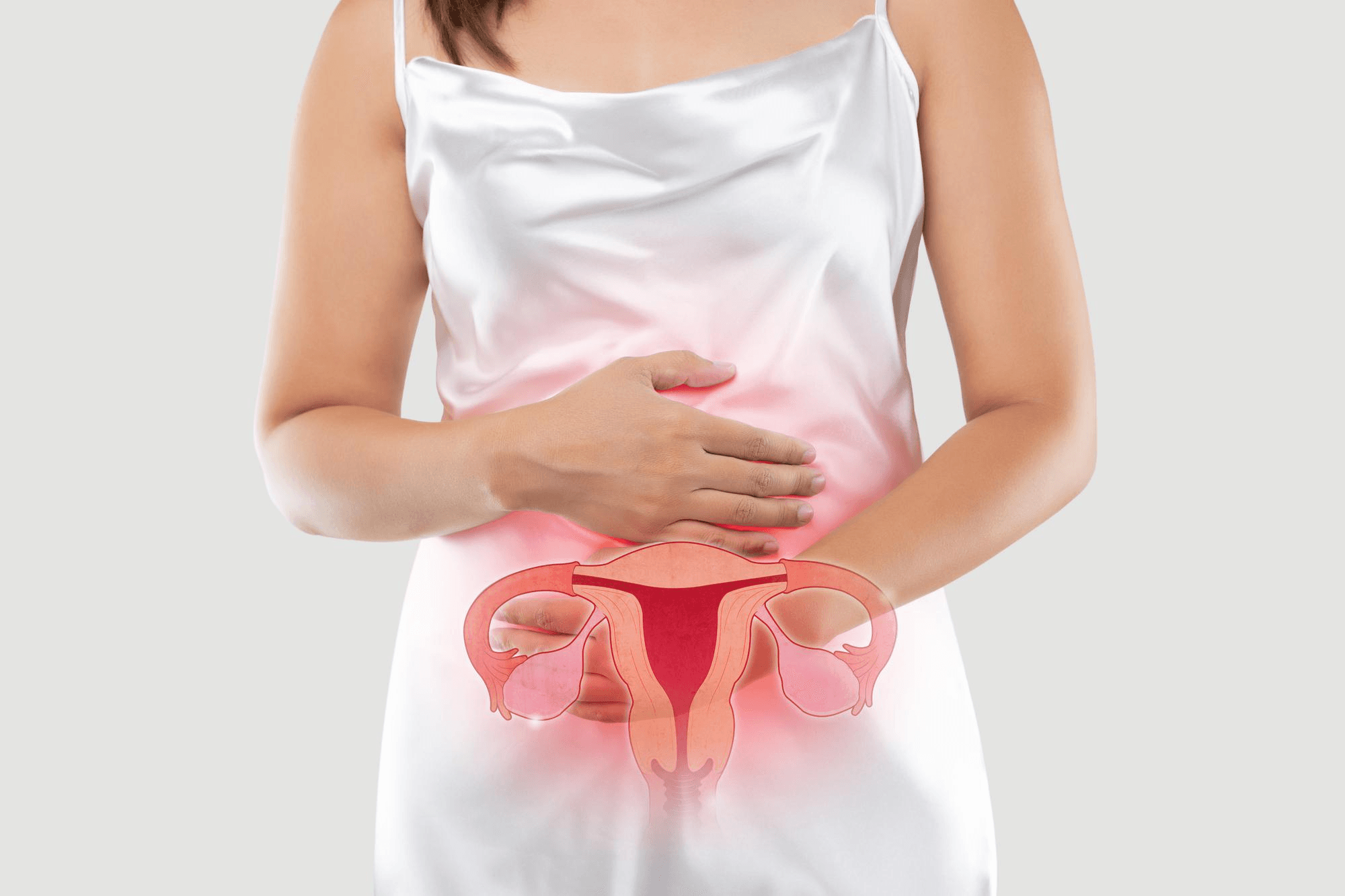
Polycystic Ovary Syndrome (PCOS) is incredibly common, and it throws hormones out of whack in a way that can make getting pregnant really challenging. Ovulation turns unpredictable, so the usual tracking methods don’t work. Sometimes, women don’t realize they’ve got PCOS until their cycles go haywire or they hit a wall with fertility.
Knowing what causes PCOS, what it looks like, and how it affects your body really helps with catching it early. The good news? With the right treatment, some lifestyle tweaks, and support from doctors, plenty of women with PCOS find ways to boost their reproductive health and end up pregnant.
What is PCOS, And How Does It Impact The Body?
Polycystic Ovary Syndrome, or PCOS, is common among women in their childbearing years. It shows up as a hormonal mess, higher levels of androgens, periods that are all over the place, and a bunch of tiny follicles in the ovaries. Another big piece? Insulin resistance further disrupts hormones and metabolism.
PCOS doesn’t just mess with the ovaries; it really affects the whole body. It impacts the body in the following ways:
- It makes ovulation unreliable, so getting pregnant can be tough.
- Acne pops up, and hair starts growing in places you don’t want.
- And weight tends to increase, too.
If you don’t tackle it, PCOS can lead to bigger health problems later, like Type 2 Diabetes, heart trouble, or issues with the lining of the uterus.
How PCOS Affects Ovulation and Fertility
PCOS messes with the hormones that keep ovulation running smoothly. Women dealing with PCOS usually have higher levels of androgens, called “male” hormones, and often struggle with insulin resistance. All this throws off the way eggs develop and get released from the ovaries.
So, instead of growing and making it to ovulation, those follicles stay immature. That’s why periods can be irregular or just not show up at all, which makes figuring out the fertile days pretty tough and lowers the chances of getting pregnant naturally.
When it comes to fertility, PCOS stands out as a big reason why many women face challenges. If you’re not ovulating regularly, the odds of an egg being around for fertilization drop, and those hormone swings can mess with the uterine lining too, making it harder for an embryo to actually implant.
With the right mix of medical care, a couple of lifestyle changes, and medications that kickstart ovulation, many women with PCOS do end up pregnant.
Common Signs of PCOS That Can Impact Pregnancy
1. Irregular Periods
Irregular periods are a big signal. If your cycle seems random or you miss months at a time, that usually means ovulation isn’t happening like it should, making it hard to tell when you’re fertile.

A woman is holding a clock and a calendar with a confused look on her face.
2. Excess Androgen
When male hormones are higher than they should be, you might notice your skin breaking out, more oil than usual, and hair popping up where you don’t want it, on your face or body. It’s a sign your hormones are out of balance.
3. Polycystic Ovaries
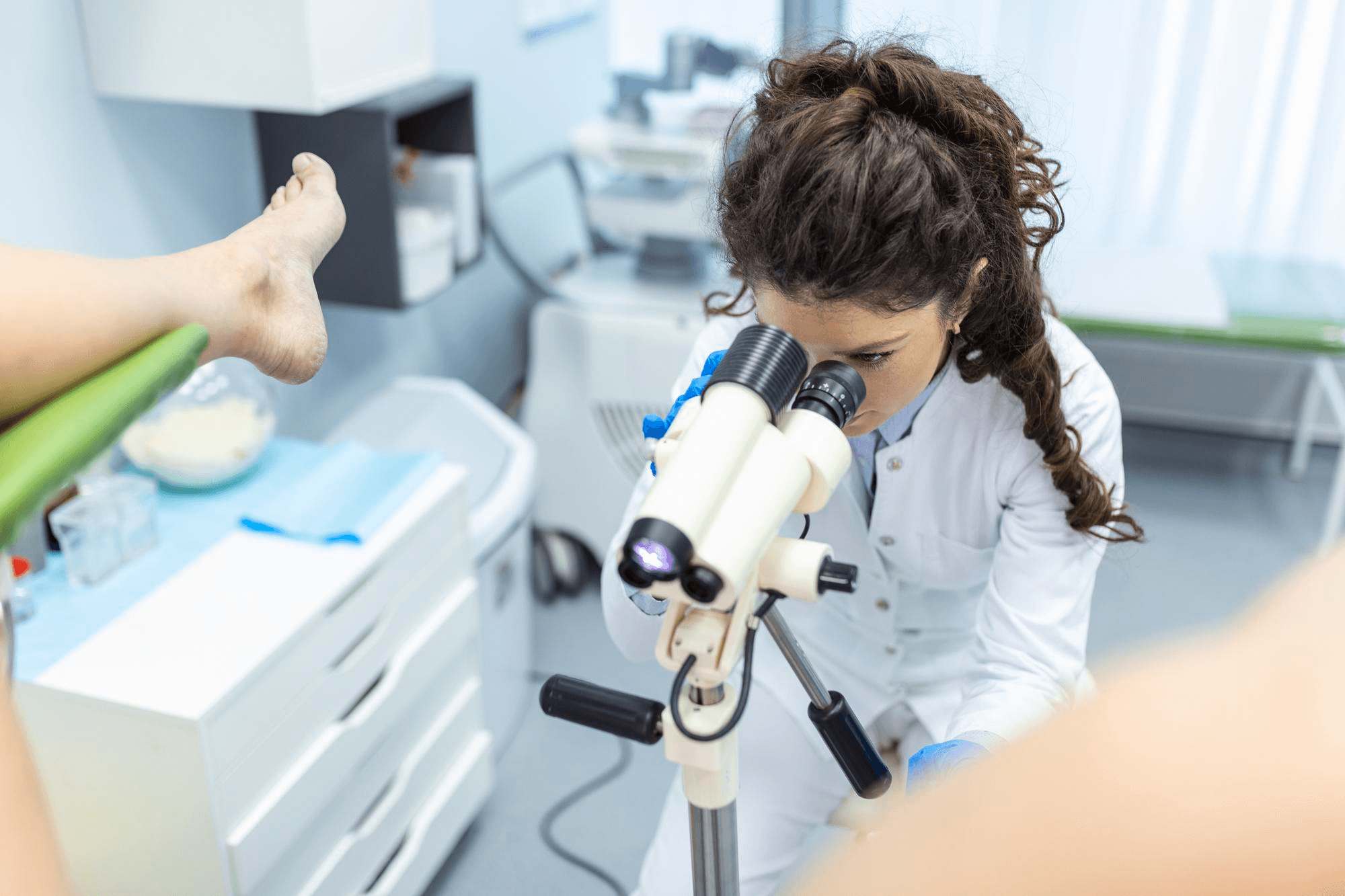
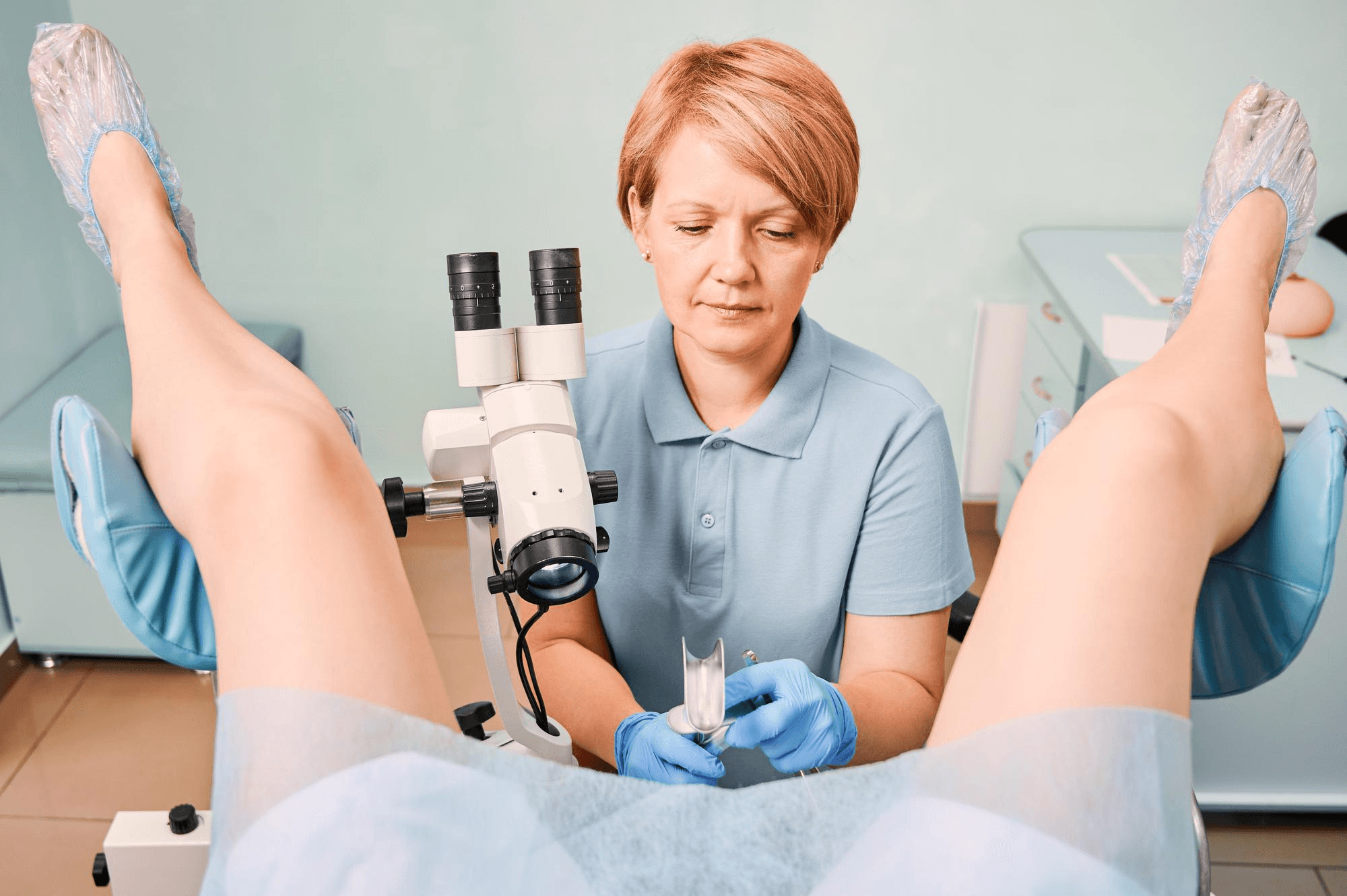
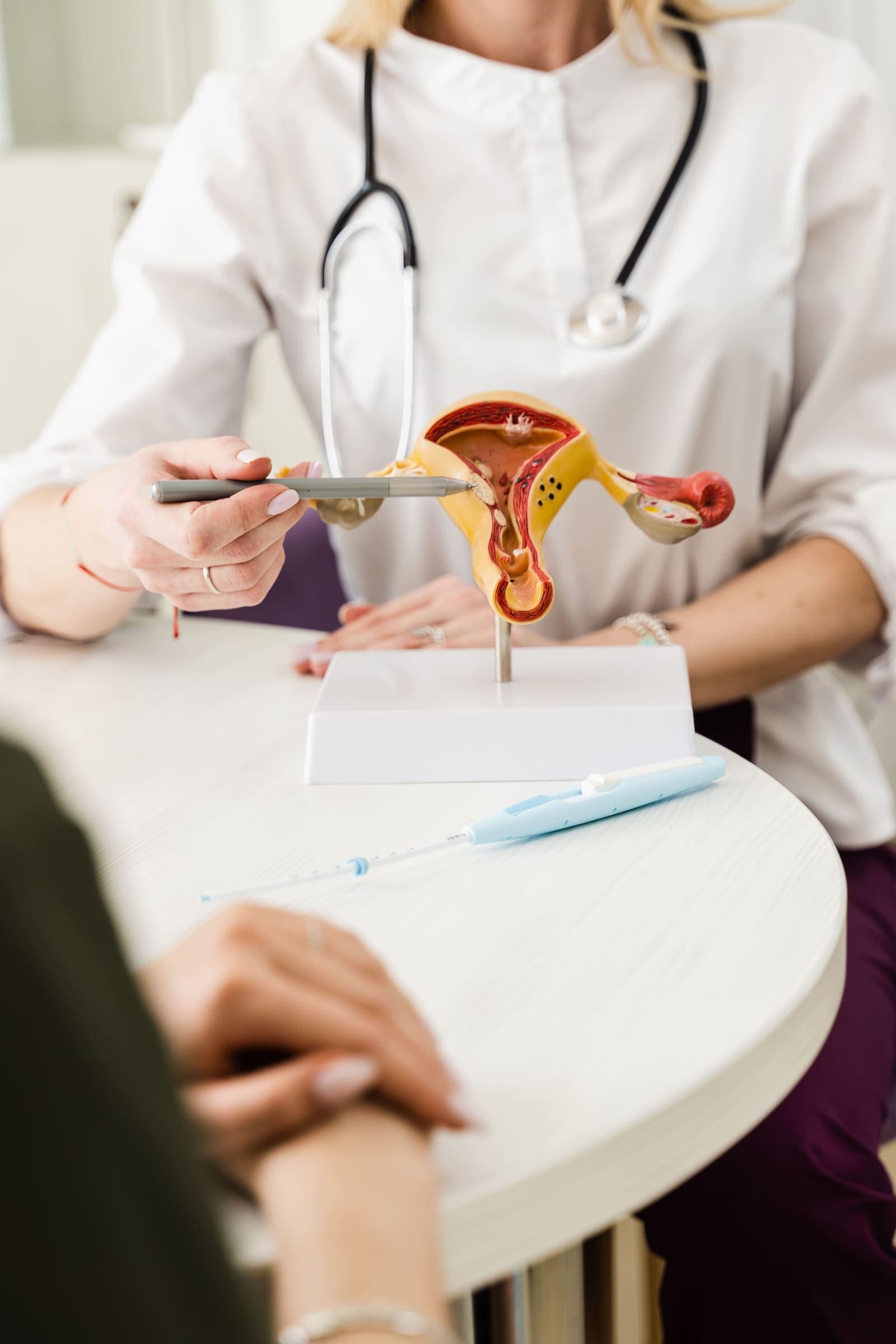
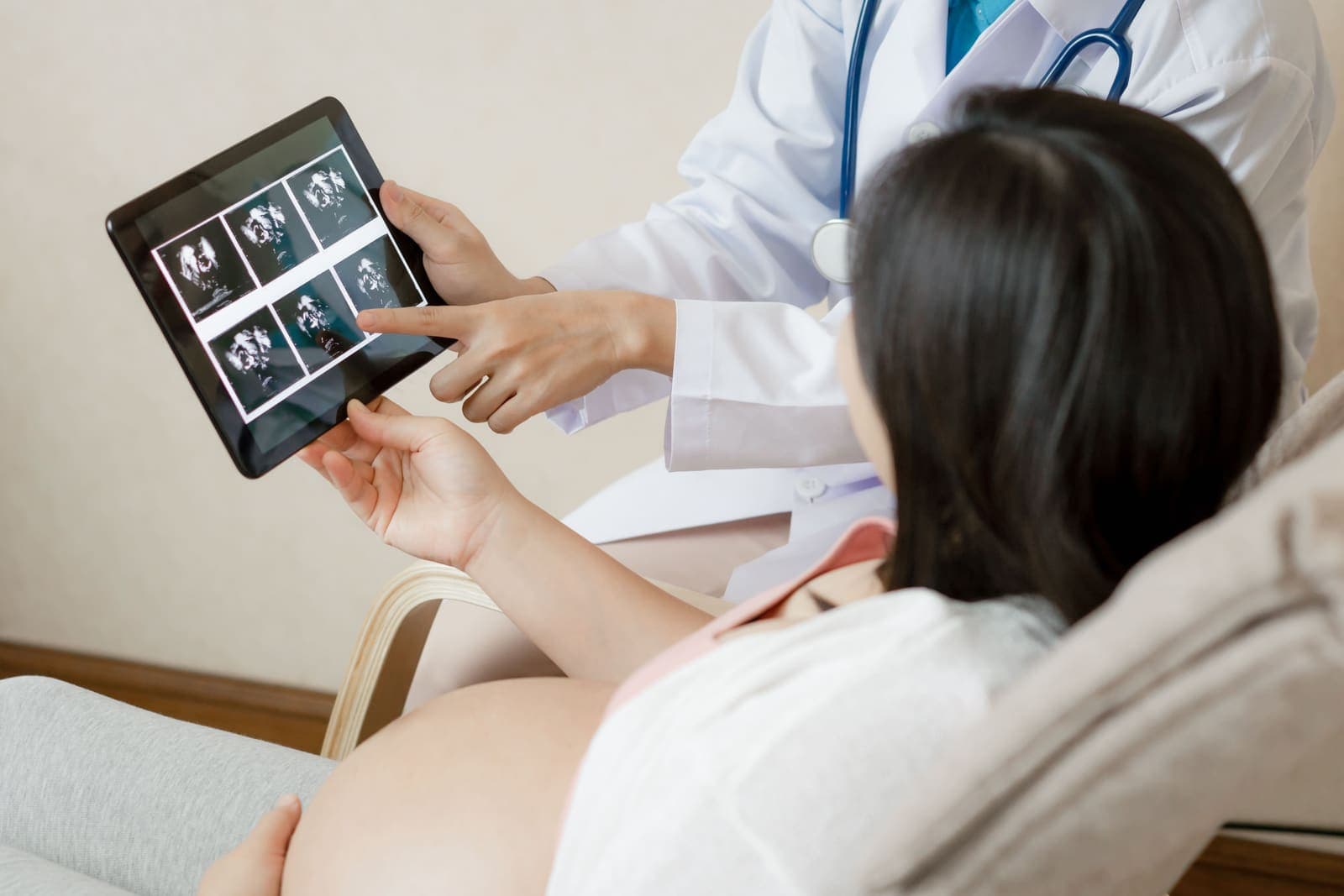
Polycystic ovaries show up on ultrasound. The ovaries are bigger, and you’ll see loads of small follicles that never quite mature or release an egg, which is another roadblock for conception.
4. Insulin Resistance
Insulin resistance pops up a lot, too. This messes with hormones even more and pushes ovulation further off-track.
5. Weight Issues
Weight can become a battle. PCOS makes it easy to gain, hard to lose, and the extra weight only adds to the hormonal chaos and fertility problems.
6. Thinning Hair
If your hair’s getting thinner, especially on the scalp, almost like male-pattern baldness, that’s another signal your androgen levels are elevated, and your reproductive health isn’t where it should be.
Can Women with Polycystic Ovary Syndrome Get Pregnant?
1. Ovulation
PCOS messes with your cycle, but that does not mean ovulation stops completely. With the right treatments, you can often get your hormones back in check and start releasing eggs more regularly.
2. Lifestyle Makes a Difference
Dropping a bit of weight, staying active, and eating better can help your body handle insulin properly. That change can put your cycle back on track and make it easier to get pregnant.
3. Medical Help Is Available
Doctors have options like medications that prompt ovulation or drugs to help your body handle insulin. These can both make getting pregnant more likely.
4. IVF and Other Reproductive Help
If pregnancy isn’t happening on its own, assisted methods like IVF give women with PCOS a solid shot at conceiving.
5. The Power of an Early Diagnosis
If you spot PCOS early, you get a jumpstart on treatment. That makes managing symptoms easier and gives your fertility a better chance.
6. Plenty of Success Stories
Regular care and checkups lead to good outcomes. Lots of women with PCOS successfully get pregnant and carry healthy babies right through to delivery.
Tips to Boost Fertility with PCOS
1. Keep Your Weight in Check
Losing even a few pounds can make a real difference. It helps your hormones find a better balance and often brings ovulation back.
2. Eat Smart
Focus on a low glycemic index diet. It keeps your blood sugar steady and tackles insulin resistance, which is especially important if you’re dealing with PCOS.
3. Move Your body
Regular exercise goes beyond weight control as it helps your body process insulin better and supports your reproductive health.
4. Try Ovulation Induction Meds
Sometimes, you need a little extra help. Doctors often use medications like Clomiphene to jumpstart ovulation.
5. Tackle Insulin Resistance
If your cycles are irregular, medications like Metformin can help get things back on track and give your fertility a boost.
6. Don’t Ignore Stress and Sleep
Stress and poor sleep can throw your hormones off. Make time to relax and keep a steady sleep schedule, and your body and fertility will thank you.

A woman is sleeping in her bedroom.
Final Thoughts
Polycystic Ovary Syndrome definitely throws some challenges your way if you’re trying to conceive, but it doesn’t slam the door shut on pregnancy. With the right diagnosis and medical care, plus healthy changes to your lifestyle, plenty of women overcome fertility issues related to PCOS. Pay attention to your symptoms, know your body, and don’t hesitate to ask for help. Managing PCOS helps with fertility and keeps you healthier overall.
Expert Care With Dr. Shachi Singh
If you’re dealing with PCOS symptoms or finding it tough to get pregnant, don’t wait to reach out. Dr. Shachi Singh is a gynecologist, obstetrician, and laparoscopic surgeon. She understands what you’re going through and offers care that really fits your needs. Whether you need a clear diagnosis or ongoing fertility support, she’s got you covered.
Take action now and book your consultation; your reproductive health deserves the best.