Healthy Indian Snacks During Pregnancy: What to Eat Between Meals (and What to Swap Your Cravings For)

Healthy Indian Snacks During Pregnancy: What to Eat Between Meals
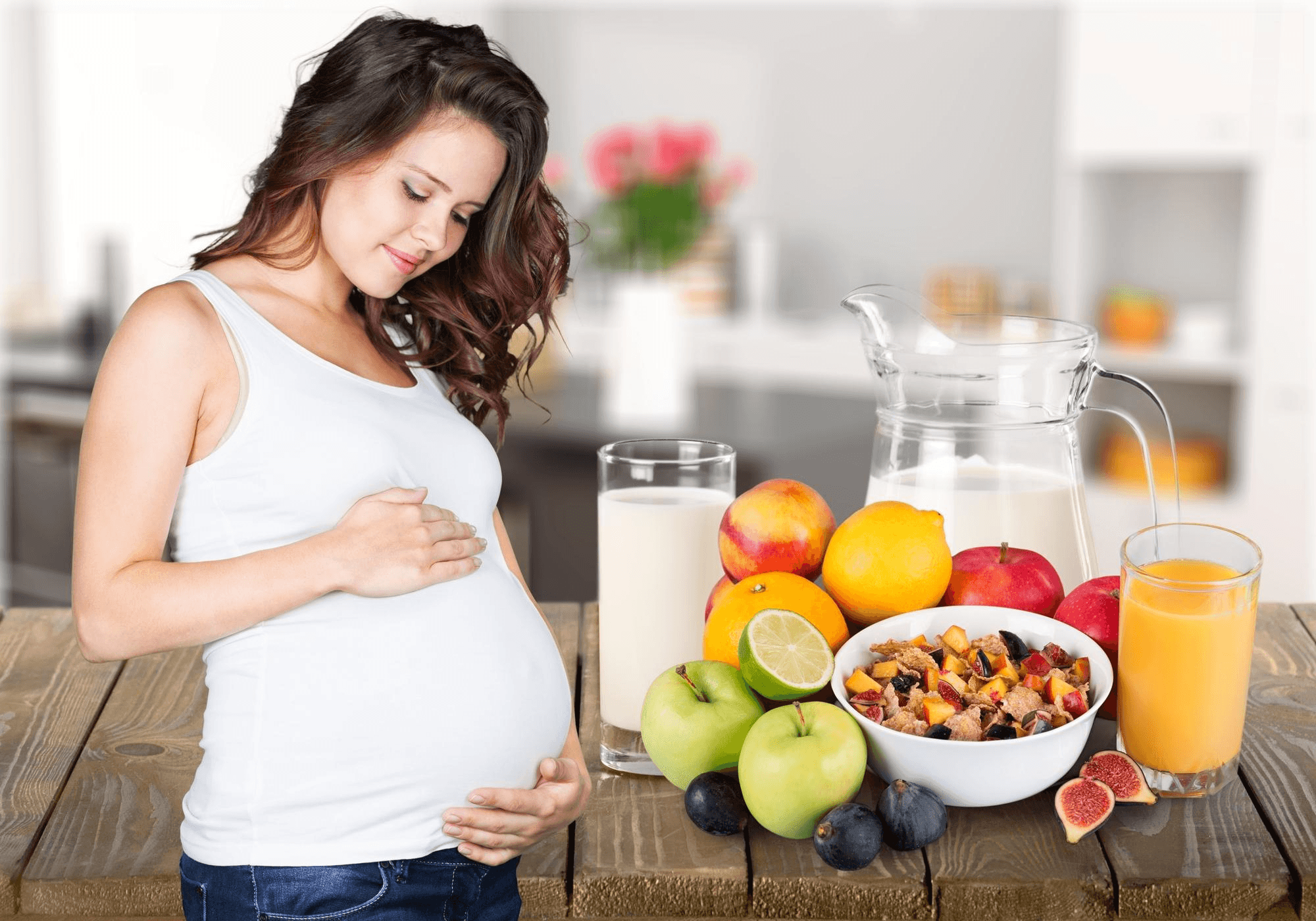
Pregnancy hunger is a different kind of hunger.
It hits suddenly. It is specific — sometimes you want something salty and crunchy; sometimes you want something sweet; sometimes you want exactly the thing you cannot have. And it arrives at inconvenient times, often mid-morning and mid-afternoon when you are nowhere near a proper meal.
The standard advice is "eat five to six small meals a day." That is correct, but it skips the actual hard part: what exactly should those between-meal snacks be?
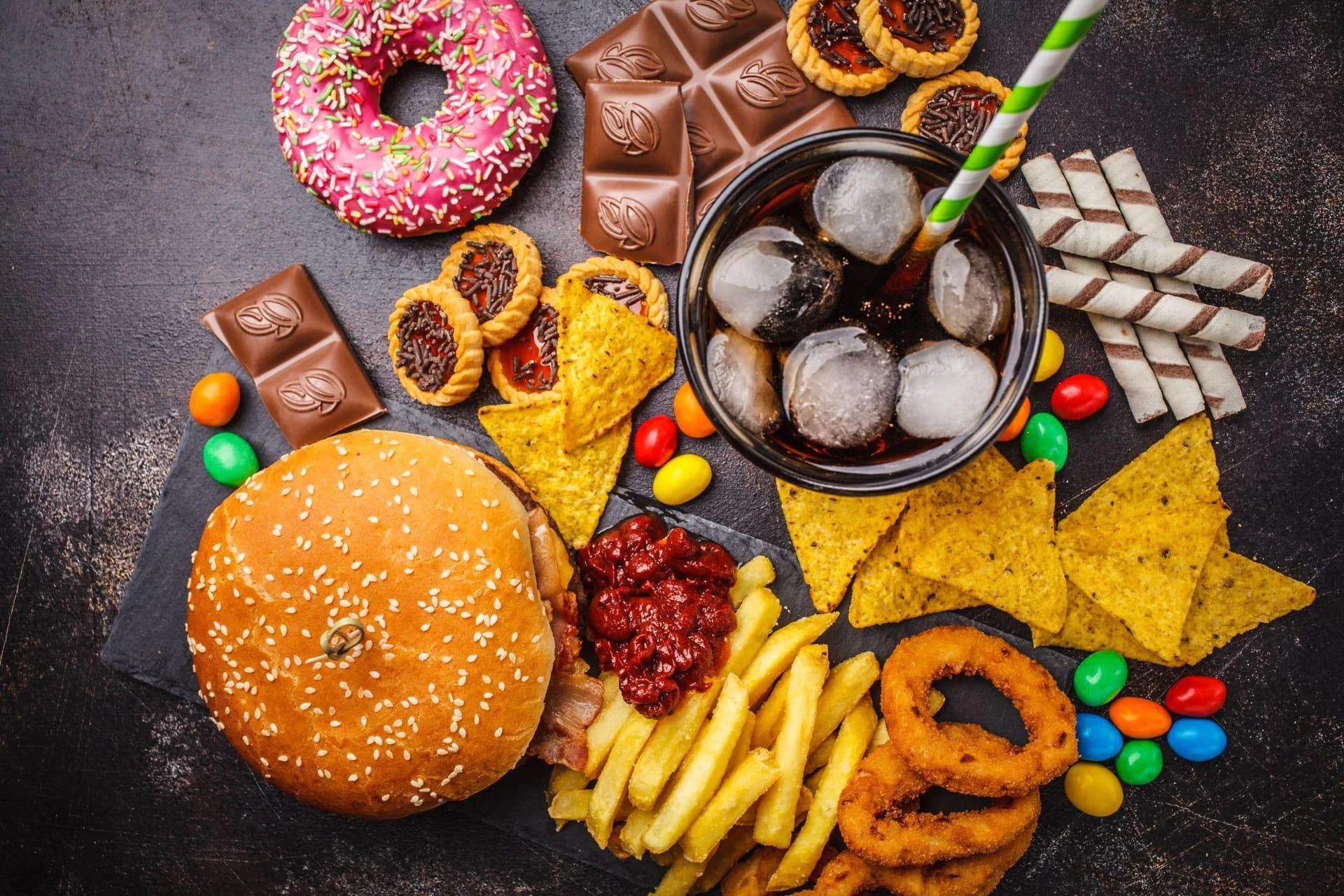
This matters more than people realise. In pregnancy, you are snacking more often — sometimes every two to three hours — which means snack choices compound over weeks and months. Getting snacking right contributes meaningfully to your iron intake, your calcium intake, your protein intake, and your overall weight gain pattern. Getting it wrong — defaulting to chips, biscuits, and namkeen — adds calories with minimal nutrition and fuels the blood sugar swings that can progress toward gestational diabetes.
Dr. Shachi Singh, senior gynecologist at Prakash Hospital, Sector 33, Noida, recommends a practical approach: stock your home with the right things, so the right snack is always what is easiest to reach.
Why Snacking Matters More During Pregnancy
Several pregnancy realities make regular snacking not optional but necessary:
1. Blood sugar stability.
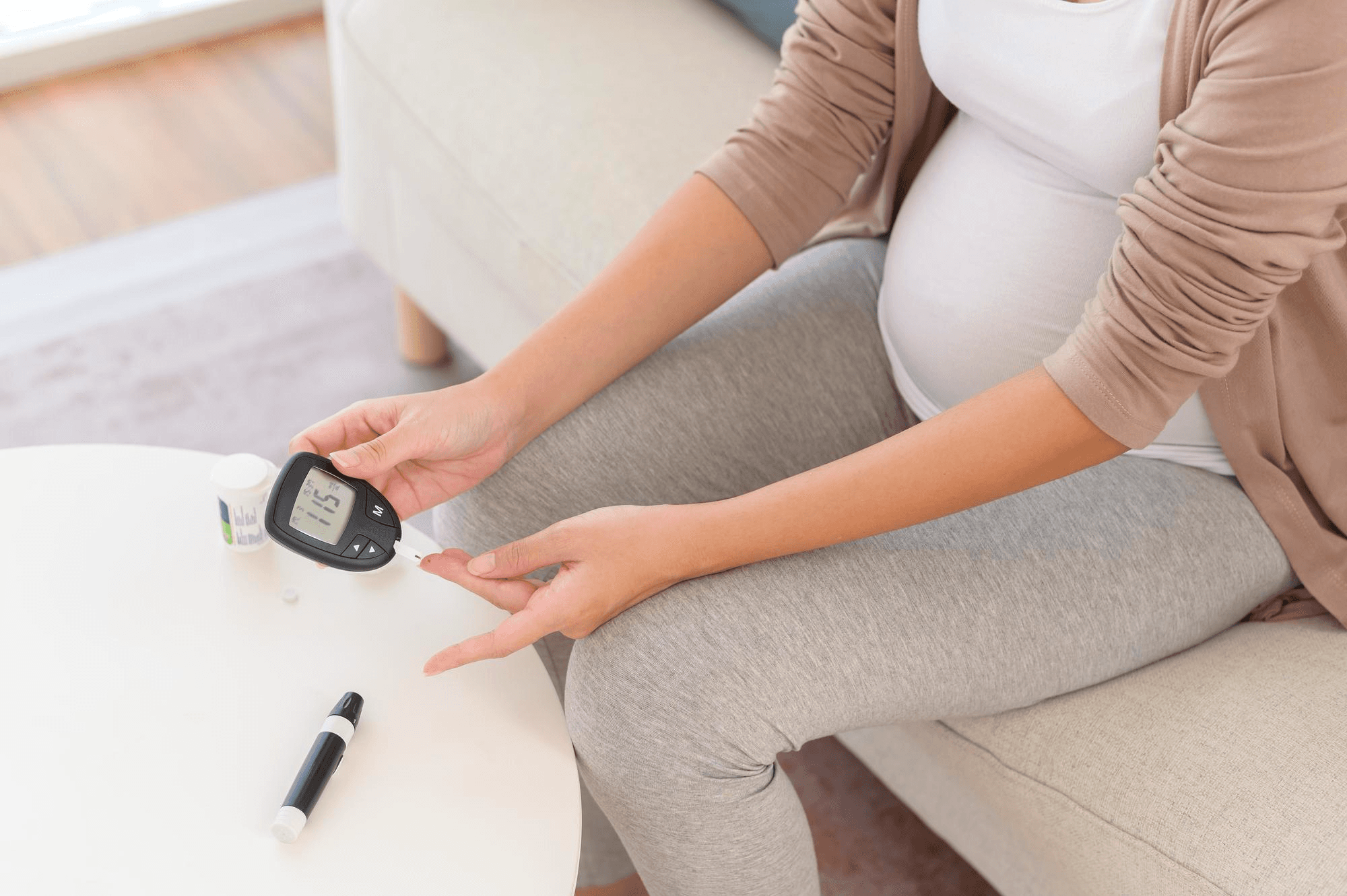
Pregnancy hormones affect how the body processes glucose. Going long stretches without food drops blood sugar, causing fatigue, headaches, and nausea — and in women with gestational diabetes risk factors, blood sugar spikes from irregular eating are genuinely harmful.
2. Nausea management.
An empty stomach is one of the primary triggers for first and early second trimester nausea. Keeping something in the stomach prevents the worst of it.
3. Meeting increased nutritional needs.
The body needs 300 to 450 extra calories per day in the second and third trimesters. In a context where three main meals may already feel like a lot due to heartburn, acidity, and the growing baby pressing on the stomach, snacks carry a significant share of daily nutritional work.
4. Managing third-trimester appetite changes.
As the uterus expands and presses on the stomach, large meals become genuinely uncomfortable in the final months. Frequent smaller eating — including multiple snacks — becomes the sustainable way to maintain adequate nutrition.
The Best Healthy Indian Pregnancy Snacks
1. Roasted Makhana (Fox Nuts / Lotus Seeds)
Makhana has become well-known as a healthy snack in recent years — and for good reason. It is light, crunchy, genuinely satisfying, and an excellent pregnancy snack.
Why makhana is good for pregnancy:
- Rich in calcium — one of the few non-dairy plant sources
- Provides protein and magnesium
- Very low in calories — you can eat a satisfying handful without overloading on calories
- Low glycemic index — does not spike blood sugar
- Easy on the stomach — well-tolerated even during first trimester nausea
How to prepare: Dry roast in a pan on low heat for 5 to 7 minutes until crisp. Season with a pinch of rock salt (sendha namak), black pepper, cumin powder, or a little ghee. They keep for up to two weeks in an airtight container.
Portion: One to two handfuls (30 to 40 grams) makes an ideal snack.
2. Roasted Chana (Bengal Gram)
Roasted chana (also called bhuna chana) is one of the most nutritionally complete pregnancy snacks available in an Indian kitchen — protein, iron, fibre, and slow-releasing carbohydrates in a small, portable handful.
Why roasted chana is good for pregnancy:
- Approximately 8 grams of protein per 30g serving
- Rich in iron and folate — directly relevant to pregnancy anaemia prevention
- High in fibre — helps with the constipation that plagues most pregnant women
- Low glycemic index — good blood sugar stability
How to eat: Plain with rock salt, or with a squeeze of lemon and a pinch of chaat masala. Carry a small container in your bag for mid-morning or afternoon hunger.
Portion: A small fistful (30 to 40 grams) is an appropriate snack portion.
3. Soaked Nuts — Almonds, Walnuts, and Dates
The traditional pregnancy snack across generations of Indian families — a handful of soaked almonds and walnuts in the morning — turns out to be well-supported by modern nutrition science.
Almonds: High in calcium, Vitamin E, protein, and healthy fats. Soaking overnight improves digestibility and nutrient absorption. Five to seven soaked almonds daily is the traditional guidance — and it is nutritionally valid.
Walnuts: The richest plant-based source of omega-3 fatty acids (ALA). Critical for the baby's brain development, particularly in the third trimester. Two to three walnuts daily provides meaningful DHA precursors.
Dates (Khajoor): Among the best natural sources of iron and fibre available in India. Four to six dates daily makes a meaningful contribution to the daily iron target. They also provide natural sugars for energy — far better than reaching for refined sweets. Research from the Middle East suggests dates in the final weeks may even support cervical ripening, though this is an area of ongoing study.
Combined daily snack: 5 soaked almonds + 2 walnuts + 4 dates — this single snack provides calcium, omega-3, iron, and fibre together.
4. Curd (Dahi) with Fresh Fruit
One of the most nutritionally sound pregnancy snacks: full-fat curd with whatever seasonal fruit is available provides calcium, protein, probiotics, Vitamin C, and natural carbohydrates together in a meal that takes two minutes to prepare.
Why this works:
- Calcium from the curd — one bowl provides approximately 150 to 200 mg
- Protein from the curd — 6 to 8 grams per cup
- Probiotics — support gut health, which pregnancy hormones significantly disrupt
- Vitamin C from the fruit — improves iron absorption from other foods eaten around the same time
- Generally well-tolerated even during nausea
Good fruit pairings: Banana (potassium, Vitamin B6), guava (extraordinary Vitamin C), mango in season (Vitamin C and folate), pomegranate (iron and antioxidants), orange or mosambi (Vitamin C).
5. Poha (Beaten Rice) with Vegetables and Lemon
Poha is one of the most underrated pregnancy snacks. Light, easy to prepare, easy to digest, and — when made with vegetables and finished with lemon juice — an excellent source of iron and Vitamin C together in one dish.
Why poha is good for pregnancy:
- Iron-fortified in most commercial varieties
- The lemon juice adds Vitamin C, maximising iron absorption
- Low on the stomach — very well-tolerated even in nausea
- Easily customisable with what you have — peas, carrot, potato, peanuts
How to make it a better snack: Add a handful of peanuts (for protein), a generous squeeze of lemon, and some fresh coriander. The combination of iron from the poha + Vitamin C from the lemon + protein from the peanuts makes this a genuinely nutritious mini-meal.
6. Ragi (Finger Millet) Snacks — Laddoos, Porridge, or Cookies
Ragi deserves a special mention in pregnancy nutrition. It is one of the highest plant-based sources of calcium available anywhere — significantly higher than most other grains and vegetables. It also provides iron, fibre, and complex carbohydrates for sustained energy.
In Indian kitchens, ragi appears as:
Ragi laddoo: Made with ragi flour, jaggery, and ghee. Traditional, nutritious, and genuinely calcium and iron-rich. Two small laddoos make an excellent snack.
Ragi porridge (satva/kanji): Cooked with water or milk, sweetened with jaggery or a banana. A particularly good choice for the first trimester when solid food is difficult.
Ragi cookies / biscuits: Easier to carry and eat on the go than porridge.
For women who are concerned about calcium intake — particularly those who do not consume much dairy — ragi snacks are one of the most practical solutions in an Indian pantry.
7. Whole Wheat Khakhra
Khakhra is a Gujarati thin crisp bread made from whole wheat flour. It is baked (not fried), low in fat, high in fibre and iron, and has a satisfying crunch that addresses the crunchy-snack craving without the oil and calories of chips or namkeen.
It travels well, stores well, and pairs easily with a small bowl of curd, homemade hummus (chana paste), or a thin layer of peanut butter for added protein.
8. Coconut Water (Nariyal Pani)
Not technically a snack, but worth including because it deserves to be the default "I need something right now" reach during pregnancy. Coconut water is isotonic — it contains the electrolytes your body needs for hydration in a natural, low-calorie, no-additive form.
Benefits in pregnancy: Potassium helps regulate blood pressure and reduces swelling; natural electrolytes replace minerals lost through sweating; very gentle on the stomach; excellent for hydration in hot Indian summers.
Have it fresh where possible — packaged coconut water often has added sugar and lower electrolyte content than fresh.
9. Boiled Eggs (for Non-Vegetarians)
A boiled egg is one of the most nutritionally complete foods available anywhere — protein, choline, Vitamin D, healthy fats, and B12 in one portable, easy-to-prepare package. For non-vegetarian women, keeping a batch of boiled eggs in the fridge makes a midday protein fix instantly accessible.
Choline is particularly worth emphasising — it is essential for fetal brain development and is frequently absent from prenatal supplements and general food discussions. Eggs are the best dietary source of choline.
Eat both the white and the yolk. The yolk contains most of the nutrition.
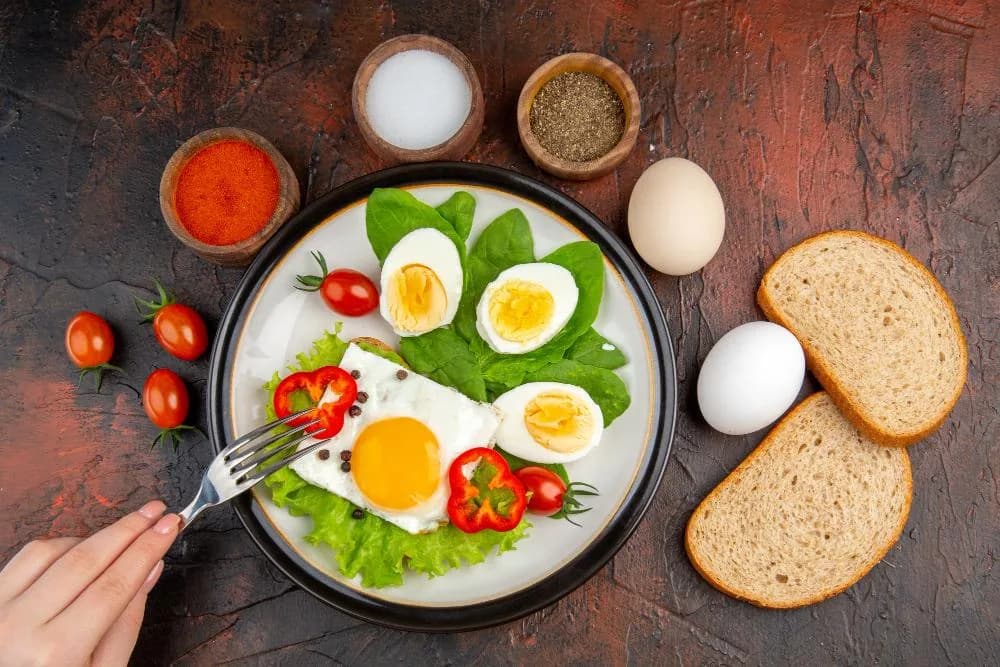
On a wooden table a healthy meal is shown, including eggs, tomatoes, bread, leafy greens, salt, pepper & chilli powder with focus on a woman's hand going to eat it with a fork in hand.
10. Chaas (Buttermilk) — The Underestimated Pregnancy Drink
Chaas — the thin, spiced buttermilk with jeera, coriander, black salt, and ginger — is one of the most pregnancy-appropriate drinks in the Indian kitchen. It provides calcium, protein, probiotics, and fluid together. It cools and soothes an irritated stomach, aids digestion, reduces heartburn, and keeps you hydrated.
A glass of chaas in the afternoon — particularly in the summer months — is better for a pregnant woman than almost any commercial drink available.
Managing Pregnancy Cravings — Healthier Swaps
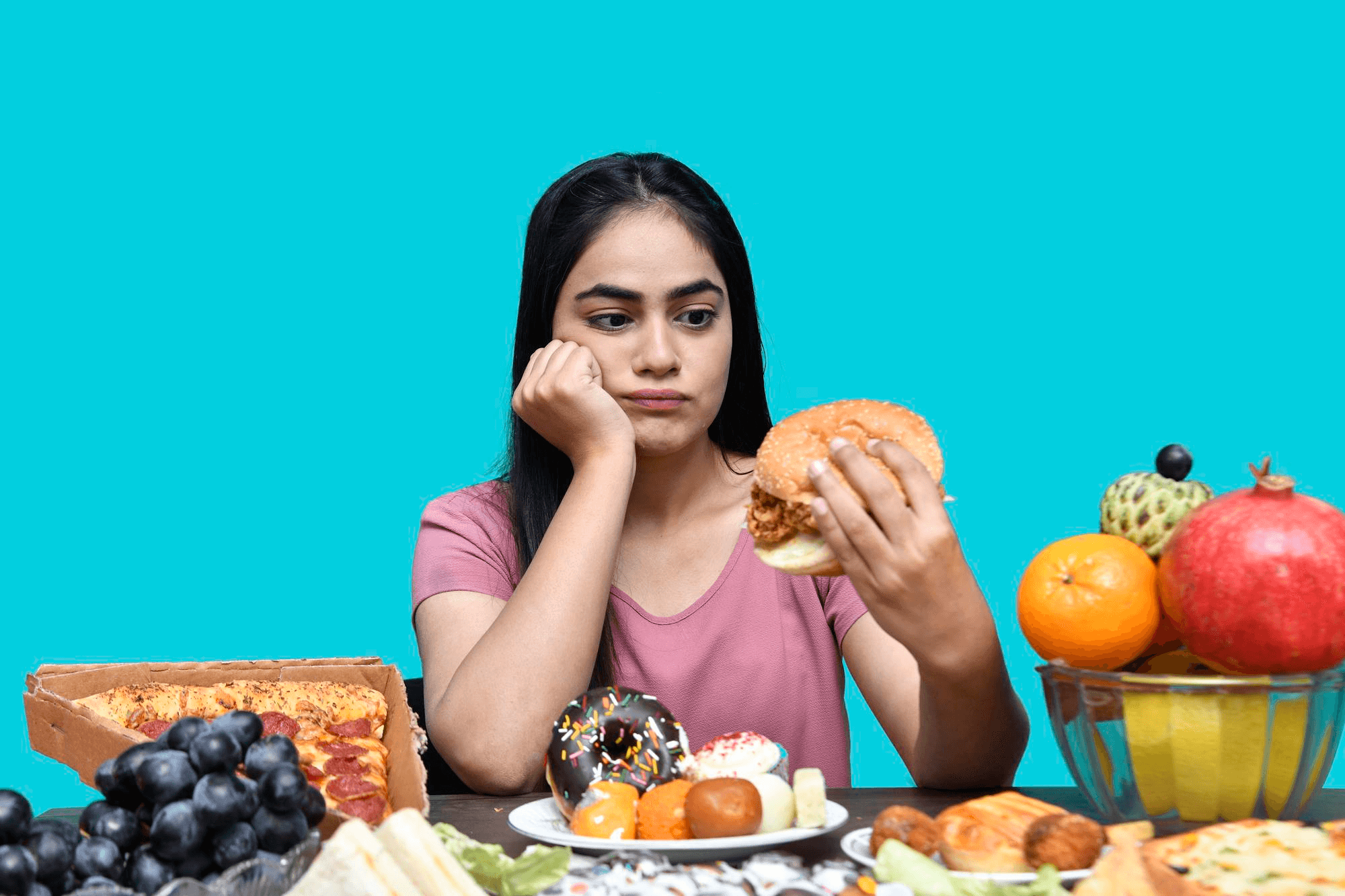
Cravings during pregnancy are real and often intense. They are partly driven by hormonal changes, partly by nutritional deficiencies, and partly by the heightened smell and taste sensitivity of pregnancy. They are not something to feel ashamed of or entirely suppress — but they can be redirected.
Instead of: Chips and namkeen → Try: Roasted makhana with rock salt, or khakhra
Instead of: Mithai and sweets → Try: Dates and jaggery laddoos, or ragi cookies, or fresh fruit
Instead of: Golgappa and street chaat → Try: Homemade sprout bhel (cooked sprouts, tomato, lemon, coriander, a tiny amount of sev)
Instead of: Instant noodles and packaged snacks → Try: Poha or upma with vegetables — similarly quick, far more nutritious
Instead of: Cold drinks and packaged juices → Try: Coconut water, fresh nimbu pani, chaas, or fresh fruit juice without added sugar
Instead of: Fried pakoras → Try: Baked or air-fried sweet potato chaat with chaat masala and lemon
The goal is not to eliminate cravings — it is to honour the craving's general direction (sweet, salty, crunchy, sour) with something nutritious rather than empty.
Snacking Smart: The Practical Rules
1. Plan your snacks.
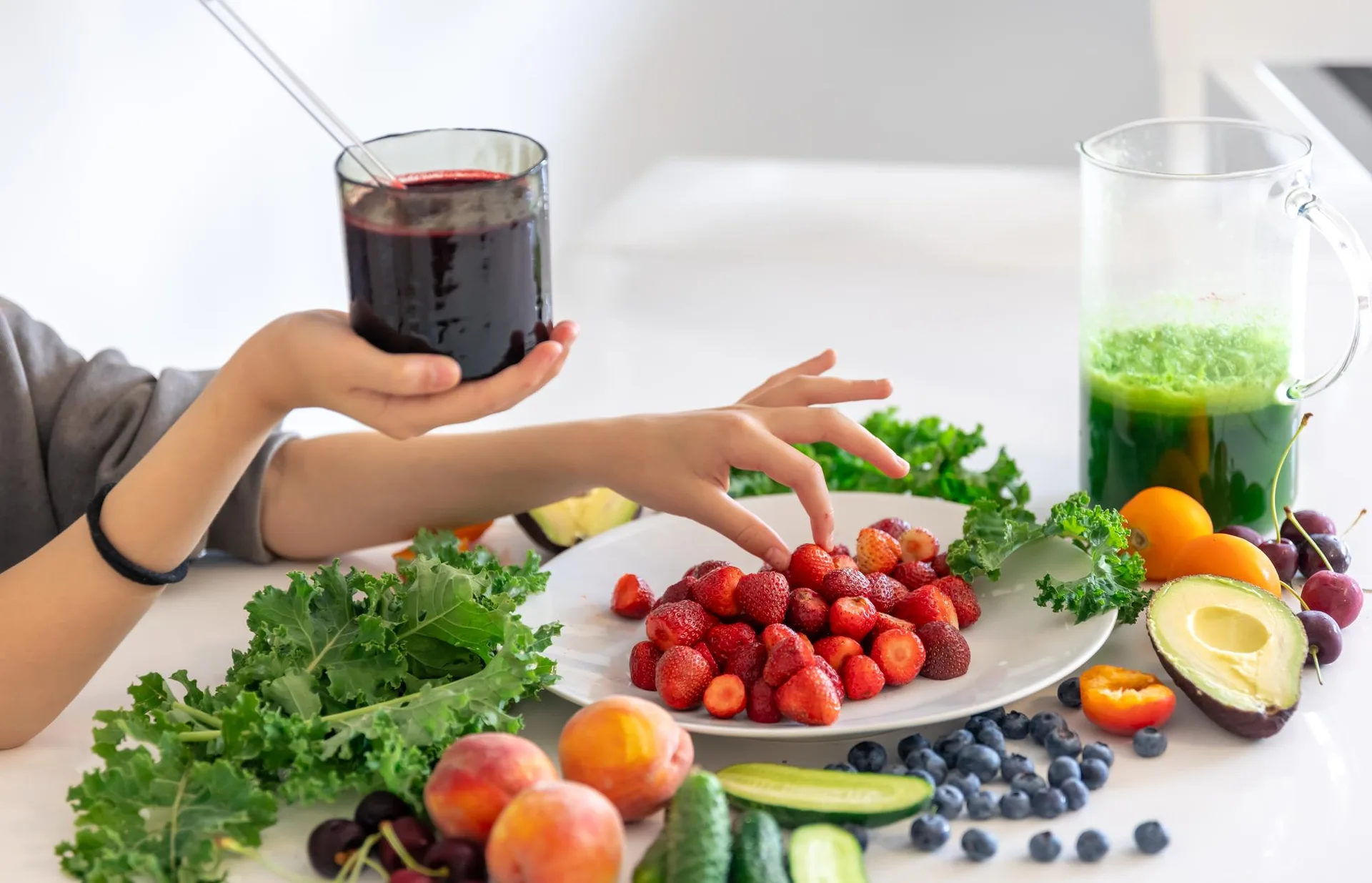
Keep roasted makhana, dates, and soaked nuts ready in the fridge and on the counter. When you are hungry, you eat what is easiest to reach.
2. Eat every 2 to 3 hours.
Do not let yourself go more than 3 hours without eating during pregnancy — particularly in the first trimester (nausea) and third trimester (blood sugar management).
3. Include protein in most snacks.
Protein extends satiety and stabilises blood sugar. Curd, boiled eggs, roasted chana, peanuts, makhana — all protein-containing snacks.
4. Combine iron with Vitamin C.
When your snack is iron-rich (poha, dates, chana), pair it with a Vitamin C source (lemon juice, guava, orange) in the same sitting.
5. Avoid snacks with excessive salt, oil, or sugar.
Namkeen, packaged biscuits, commercial juices, and fried foods are occasional indulgences — not daily snack staples during pregnancy.
6. Keep something by the bedside.
For first-trimester nausea, dry crackers or khakhras within reach before getting out of bed are genuinely helpful.
Pregnancy Snacking and Antenatal Guidance in Noida
If your hunger patterns are unusual — you are unable to eat, you are gaining weight faster than expected, or you have been diagnosed with gestational diabetes and need specific guidance on which snacks are appropriate for your blood sugar — these are questions for your gynecologist and, if needed, a registered dietitian.
Dr. Shachi Singh at Prakash Hospital, Sector 33, Noida, provides comprehensive antenatal care to women across Noida and Greater Noida. Practical nutrition guidance is part of every antenatal appointment — because what you eat every day, including between meals, matters every day of your pregnancy.
To book a consultation with Dr. Shachi Singh, call: +91 97023 46853
Clinic Hours: Monday to Saturday, 9 AM – 6 PM | Sunday, 10 AM – 2 PM
Clinic Address: D-12A, 12B, Sector-33, G.B. Nagar, Noida, Uttar Pradesh 201301
Frequently Asked Questions
1. What are the best Indian snacks to eat during pregnancy?
Roasted makhana, roasted chana, soaked almonds and walnuts, dates, curd with fruit, poha with lemon and peanuts, ragi laddoos, whole wheat khakhra, boiled eggs, and chaas are all excellent pregnancy snacks. They provide protein, calcium, iron, and healthy fats without excessive calories or empty nutrition.
2. Can I eat makhana (fox nuts) every day during pregnancy?
Yes. Makhana is an excellent daily pregnancy snack — high in calcium, protein, and magnesium, low in calories, easy to digest, and low glycemic index. One to two handfuls daily is appropriate.
3. Is roasted chana good during pregnancy?
Yes — roasted chana is high in protein, iron, folate, and fibre. It is one of the most nutritionally complete portable snacks for pregnant women. Have a small fistful daily.
4. Are dates (khajoor) safe and beneficial during pregnancy?
Yes. Dates are high in iron, fibre, and natural sugars. They are one of the best natural iron sources in an Indian kitchen. Four to six dates daily is a commonly recommended amount. In the final weeks of pregnancy, some research suggests dates may support cervical ripening, though this should be discussed with your doctor.
5. How do I manage spicy and junk food cravings during pregnancy?
Redirect rather than suppress. If you want salty and crunchy — roasted makhana or khakhra. If you want sweet — dates or ragi laddoo. If you want tangy chaat — homemade cooked sprout bhel with lemon. Occasional indulgences are fine; daily junk food is not ideal for nutritional reasons, not moral ones.
This blog is written for educational and informational purposes only. It is not a substitute for professional medical advice. Please consult Dr. Shachi Singh or a qualified gynecologist for dietary guidance specific to your pregnancy.