Why Do Periods Stop Suddenly?

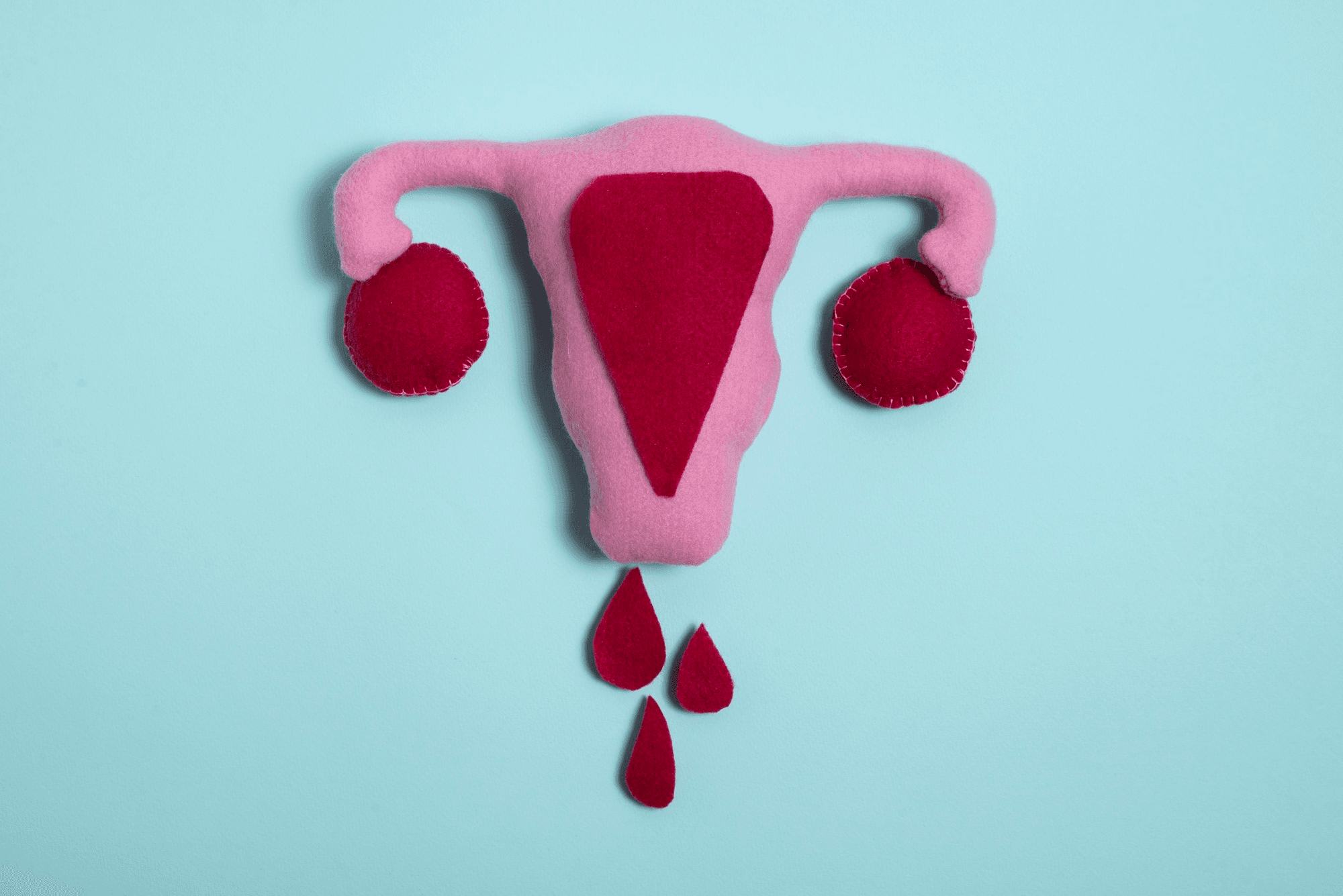
Confused woman studies her calendar, noticing missed periods and changes in when her menstrual cycle usually happens.
When your period suddenly stops, especially if things were regular before, it’s easy to feel thrown off or even a little worried. Lots of things can mess with your cycle: stress, big swings in weight, heavy workouts, pregnancy, or certain health problems. Sometimes, your body just hits pause on ovulation to protect you when you’re under too much pressure, physically or emotionally. Figuring out why your period stopped helps you know if it’s just a short-term thing or if you need to talk to a gynecologist to keep your reproductive health on track.
Reasons Why Periods Suddenly Stop
When your period suddenly disappears, doctors call this amenorrhea. It can be pretty unsettling, especially if things were regular before. Sometimes, missing a period isn’t a big deal. But other times, it points to something going on with your health. Knowing what might cause this helps determine whether it’s just a blip or if you should check in with your doctor.
1. Pregnancy
- Pregnancy is usually the main reason periods suddenly stop for women who can get pregnant.
- After conception, hormones shift and keep the uterine lining from shedding, so periods just don’t come.
- Sometimes, there’s light spotting early in pregnancy, and people sometimes think it’s a period, but it’s not.
- If your period stops for no apparent reason, grab a pregnancy test first.
2. Hormonal Imbalance
- Your menstrual cycle really runs on a tight balance of hormones like estrogen, progesterone, LH, and FSH, all of which have to work together.
- If something unbalances them, ovulation and your period can just stop.
- Things like PCOS, thyroid problems, or high prolactin can mess with these signals and suddenly change your cycle.
3. Increase in Stress level
- Chronic stress, whether it’s emotional or physical, hits the hypothalamus hard. That’s the part of your brain in charge of hormones that keep your cycle on track.
- When stress kicks up your cortisol, your body dials down the reproductive hormones, and periods can just vanish.
- Big life changes, anxiety, trauma, or just too much pressure for too long can all make your period stop out of the blue.
4. Weight Loss or Gain

A woman sits near a weighing scale, looking concerned about weight gain and its effect on her missed or stopped periods.
- When your weight changes quickly, your menstrual cycle can really take a hit.
- If you lose a lot of weight fast, your body fat drops, and since fat helps make estrogen, those levels can sink.
- Without enough estrogen, ovulation sometimes just stops. But if you gain weight rapidly, your estrogen can shoot up instead, throwing your hormones out of balance.
- Eating disorders like anorexia or bulimia often lead to missed periods for exactly these reasons.
5. Intense or Excessive Exercise
- Exercising too much, especially without eating enough, can mess with your period.
- Athletes and people who do a lot of endurance training sometimes miss periods because their bodies just don’t have enough energy to go around.
- When you push yourself really hard, your body focuses on what matters most: survival, not reproduction.
6. Thyroid
- The thyroid gland controls metabolism and helps balance reproductive hormones.
- When it’s out of sync, like with hypothyroidism or hyperthyroidism, your periods can get irregular or even stop altogether.
- These thyroid problems mess with estrogen and progesterone, and that unbalances the whole menstrual cycle.
- People usually notice they’re more tired, their weight shifts for no clear reason, their hair starts thinning, and their moods can swing all over the place.
7. Polycystic Ovary Syndrome or PCOS
- PCOS is common. It messes with hormones and stops ovulation.
- If you have PCOS, your periods might show up whenever they feel like it or sometimes not at all because your androgen levels are higher than usual.
- Your ovaries don’t always release eggs the way they should, so periods can be unpredictable or just disappear for a while.
- There’s more, too. Acne, extra facial hair, and weight gain are all part of the picture.
8. Birth Control Pills and Hormonal Medicines
- Hormonal birth control, like the pill, implants, injections, or hormonal IUDs, shuts down ovulation.
- Sometimes, when you stop using them, your period doesn’t come back right away. That’s called post-pill amenorrhea.
- Other medications can mess with your cycle, too. Antidepressants, chemotherapy drugs, and antipsychotics are known for this.
9. Perimenopause and Early Menopause
- Perimenopause usually shows up for women in their late 30s or 40s. It’s that in-between stage before menopause kicks in.
- Hormone levels fluctuate so that periods can become unpredictable. Sometimes they’re late, sometimes they just don’t show up at all.
- And then there’s premature ovarian insufficiency. That’s when a woman’s ovaries just stop working before she turns 40, and periods end much earlier than expected.
10. Chronic Medical Conditions
- Conditions like diabetes, celiac disease, autoimmune disorders, or problems with the pituitary gland can mess with your hormones.
- These long-term health issues sometimes throw off the way your brain and ovaries talk to each other, which can actually stop your periods.
What to Do When Your Periods Suddenly Stop?
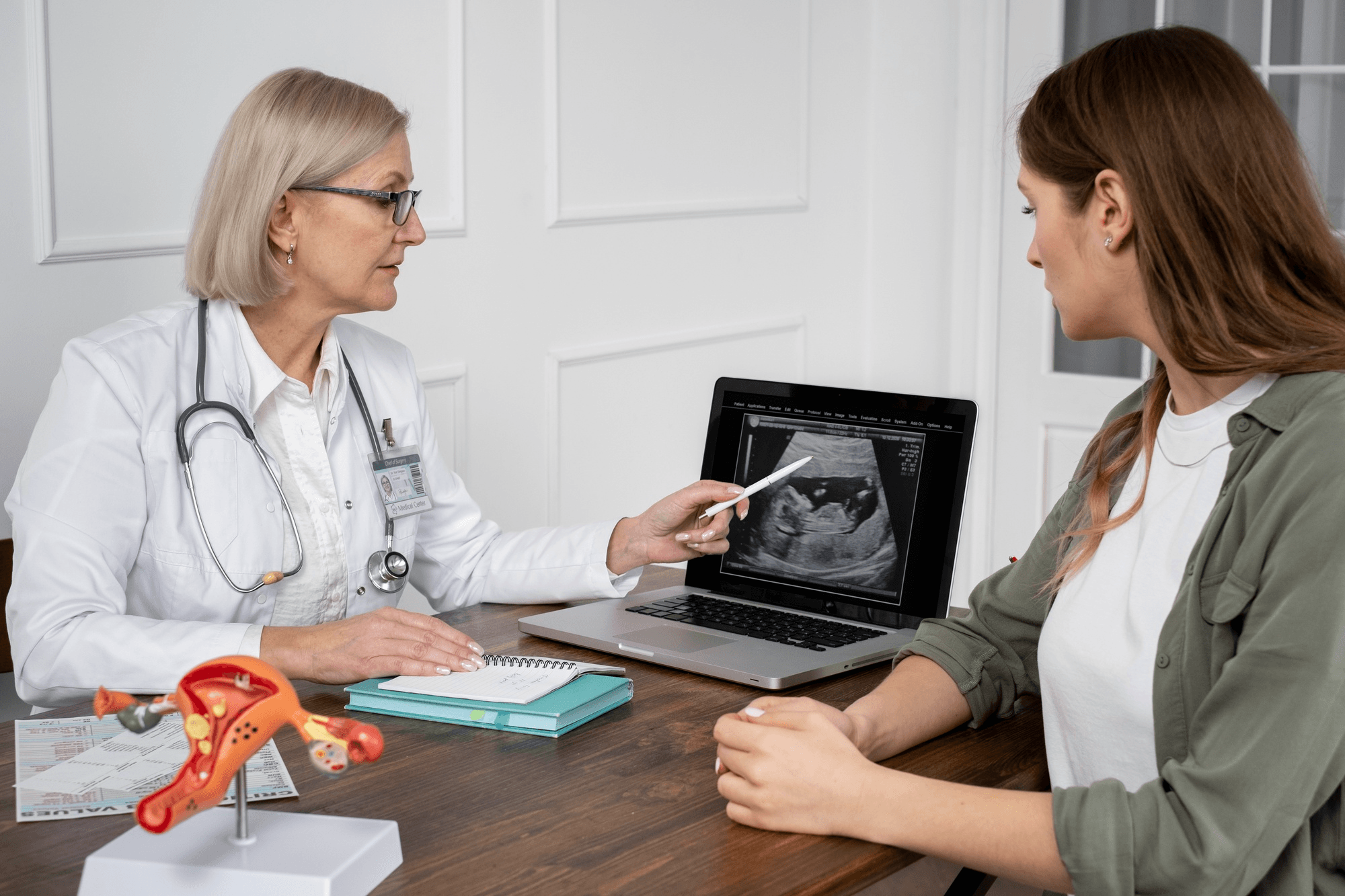
A gynecologist reviews ultrasound results with a patient worried about her suddenly paused or irregular menstrual cycle.
- First, don’t panic. Count how many periods you’ve missed and write it down.
- If there’s any chance you could be pregnant, take a test right away.
- Pay attention to other changes, things like weight gain or loss, feeling more tired than usual, extra stress, or even hair falling out.
- Think about your recent lifestyle habits. Have you started working out harder than usual or cut back on food? This matters.
- Try to eat well, get enough iron, protein, and healthy fats. Don’t push yourself with harsh workouts, and make sure you’re getting enough rest.
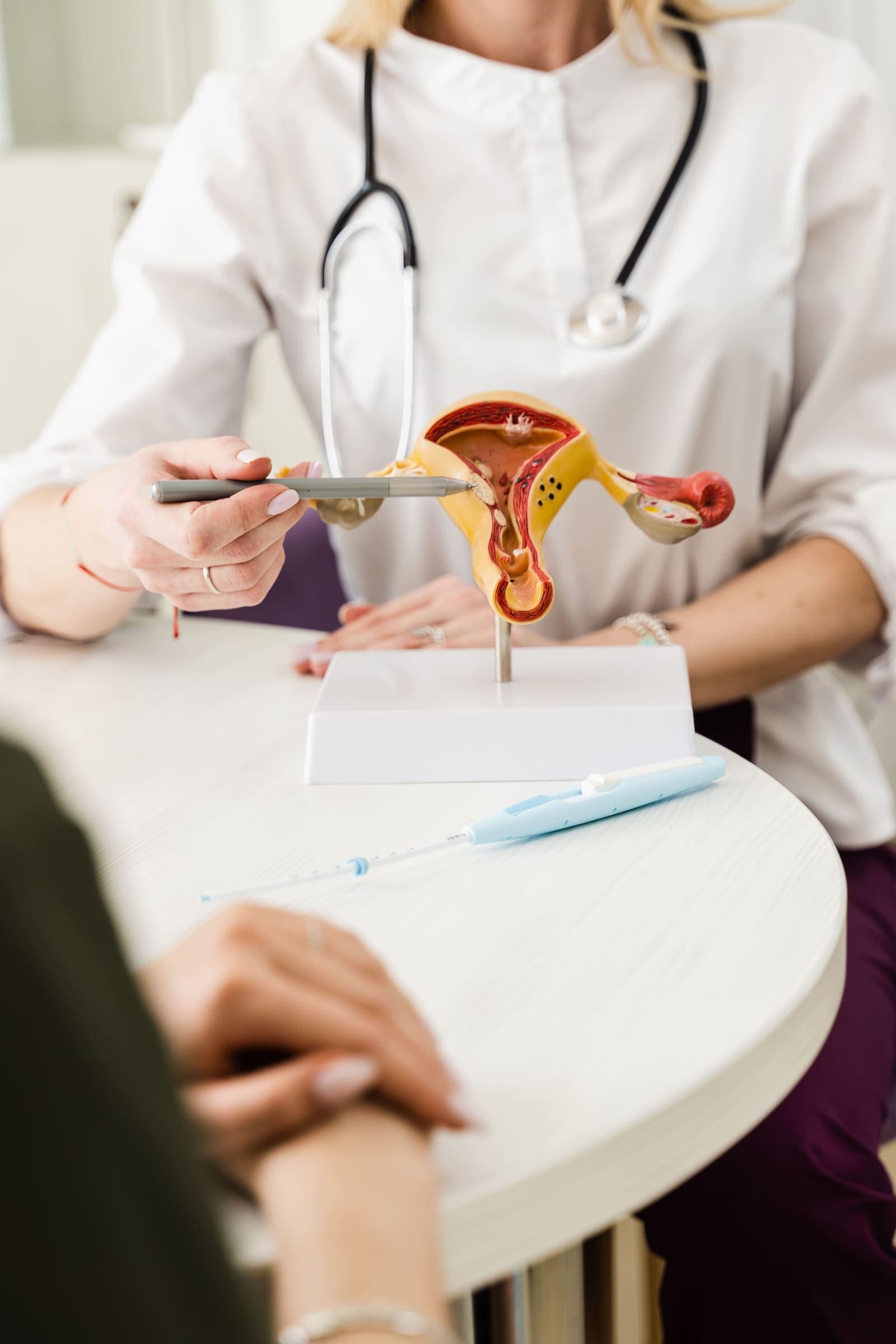
- If your period’s been gone for three months, it’s time to see a gynecologist. Go to your appointment, do any tests your gynecologist suggests, and follow their advice.
Final Thought
If your period suddenly stops, don’t ignore it. Sometimes it’s just stress or a change in routine, but if it keeps happening, your body’s trying to tell you something important. Identifying the cause early helps protect your hormones, reproductive health, and overall well-being. Don’t wait; listening to your body now can save you from bigger problems down the road.
When your periods suddenly stop, pay attention, don’t brush it off. Dr. Shachi Singh is an experienced Obstetrician, Gynecologist, and Laparoscopic Surgeon who takes the time to get to the bottom of the problem. Book a consultation, get answers, and take charge of your reproductive health with confidence.