Painful Periods (Dysmenorrhea): Causes, Symptoms & Relief Strategies
By Dr. Shachi SinghUpdated
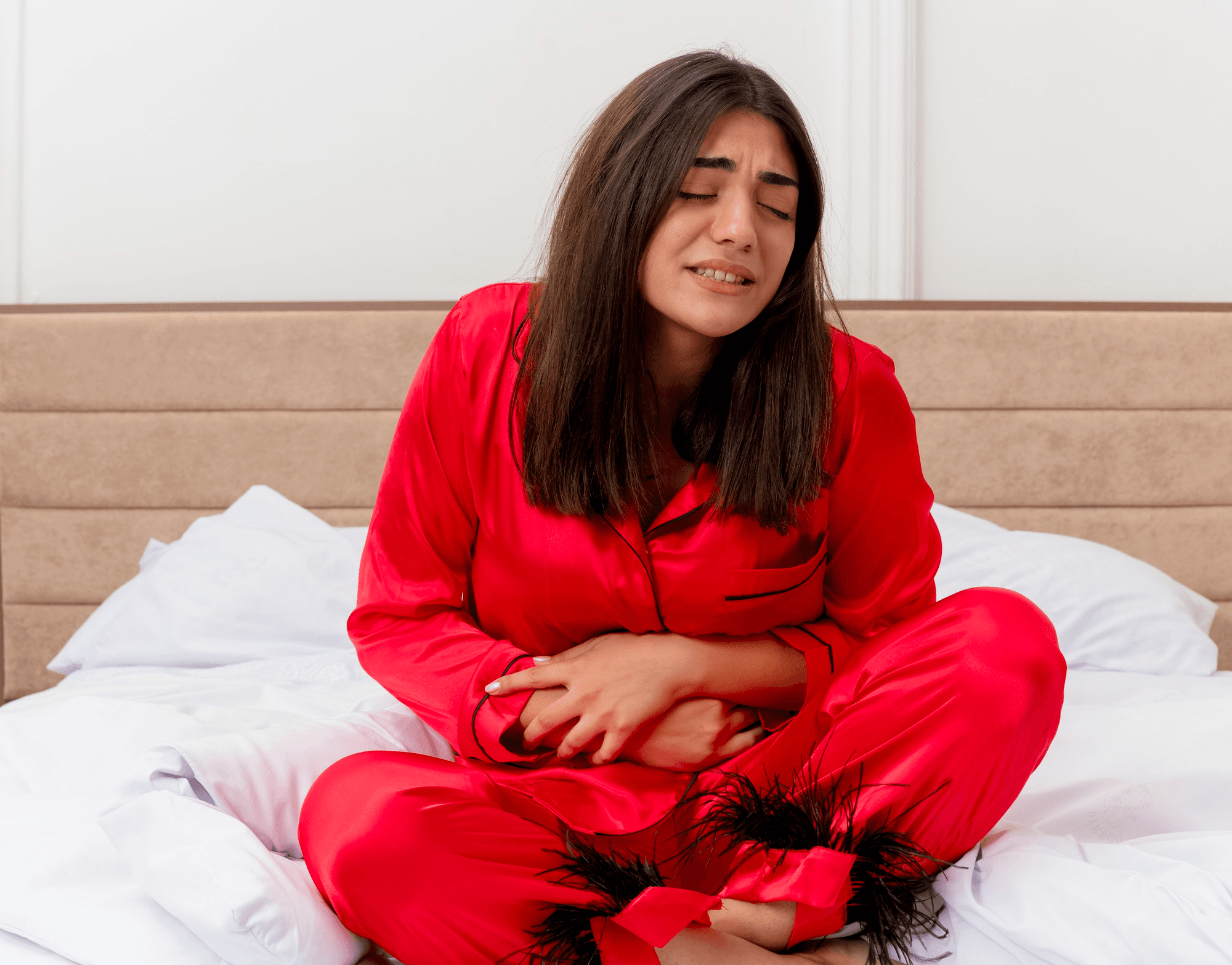
Young woman holding her stomach in pain as she experiences very painful periods.
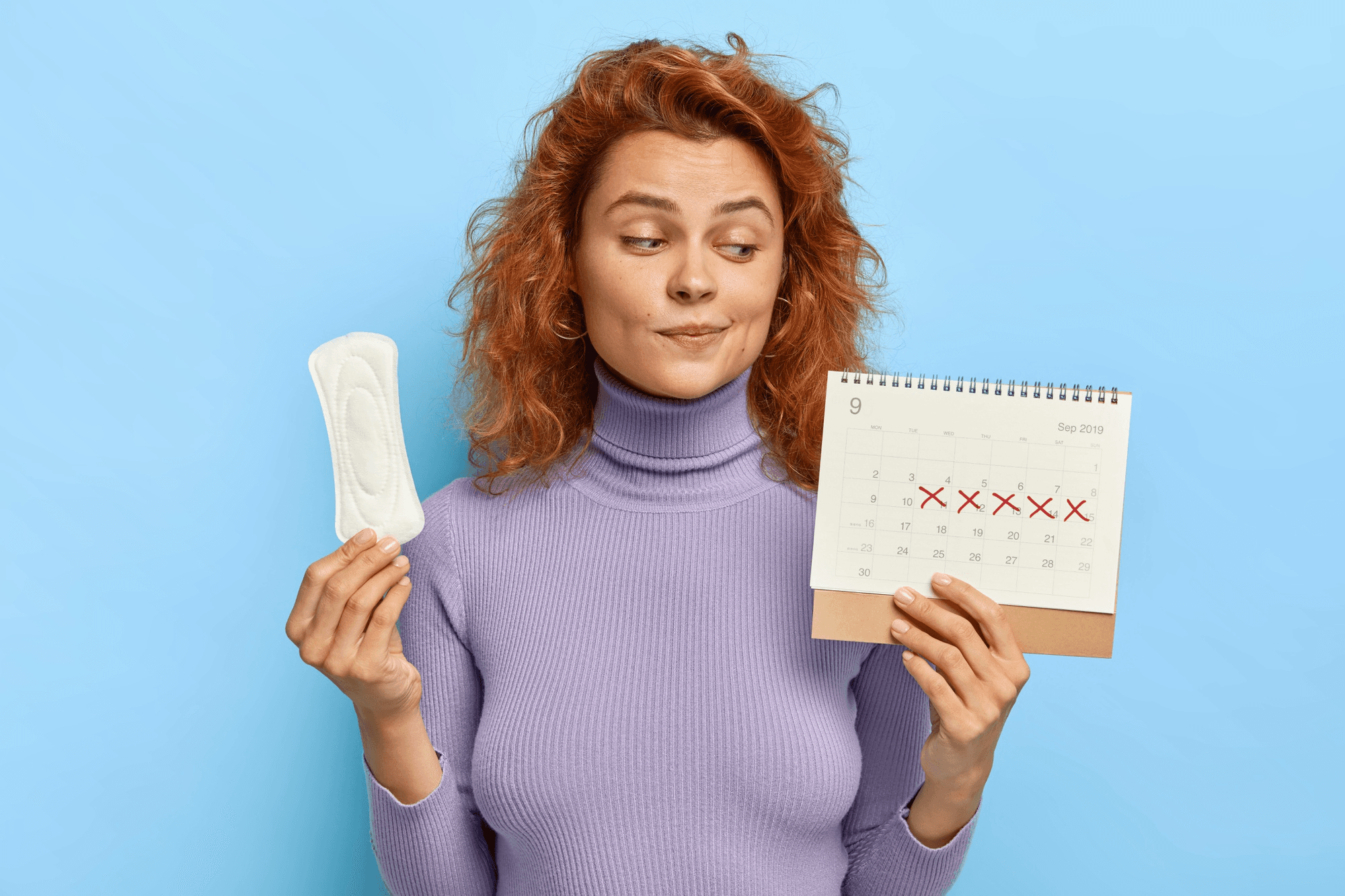
Period cramps can hit hard, sometimes stopping women in their tracks. About 10-20% woman experience pain so bad that they are unable to make it to school or work. Doctors call this dysmenorrhea, and it happens when prostaglandins in the uterine lining trigger those muscle contractions. Usually, mild cramps fade fast.
But if the pain sticks around or keeps getting worse, it could point to something else, like endometriosis or fibroids. Heat packs or painkillers can take the edge off. Still, it’s important to know when the pain crosses the line, so you can get help when you need it.
Primary Dysmenorrhea: Normal Cycle Pain
- This type usually shows up in younger women who have regular periods and no other health problems.
- It happens because the uterus contracts strongly, due to prostaglandins, which push out menstrual blood.
- The pain tends to hit hardest on the first day of your period.
- Most people start feeling symptoms just before or as their period begins, and things calm down after two or three days.
- The pain shows up as cramping in the lower belly, sometimes spreading to your back or thighs. Nausea, headaches, and loose stools often tag along, too.
Secondary Dysmenorrhea: Something Underneath
- This type usually shows up later or shifts because of things like inflammation or a blockage- endometriosis is behind a lot of these cases.
- The pain tends to get worse as time goes on. Sometimes it sticks around even after your period ends, and it can show up during sex, too.
- Fibroids can make the uterus feel heavy or bigger than usual, and bleeding often gets heavier.
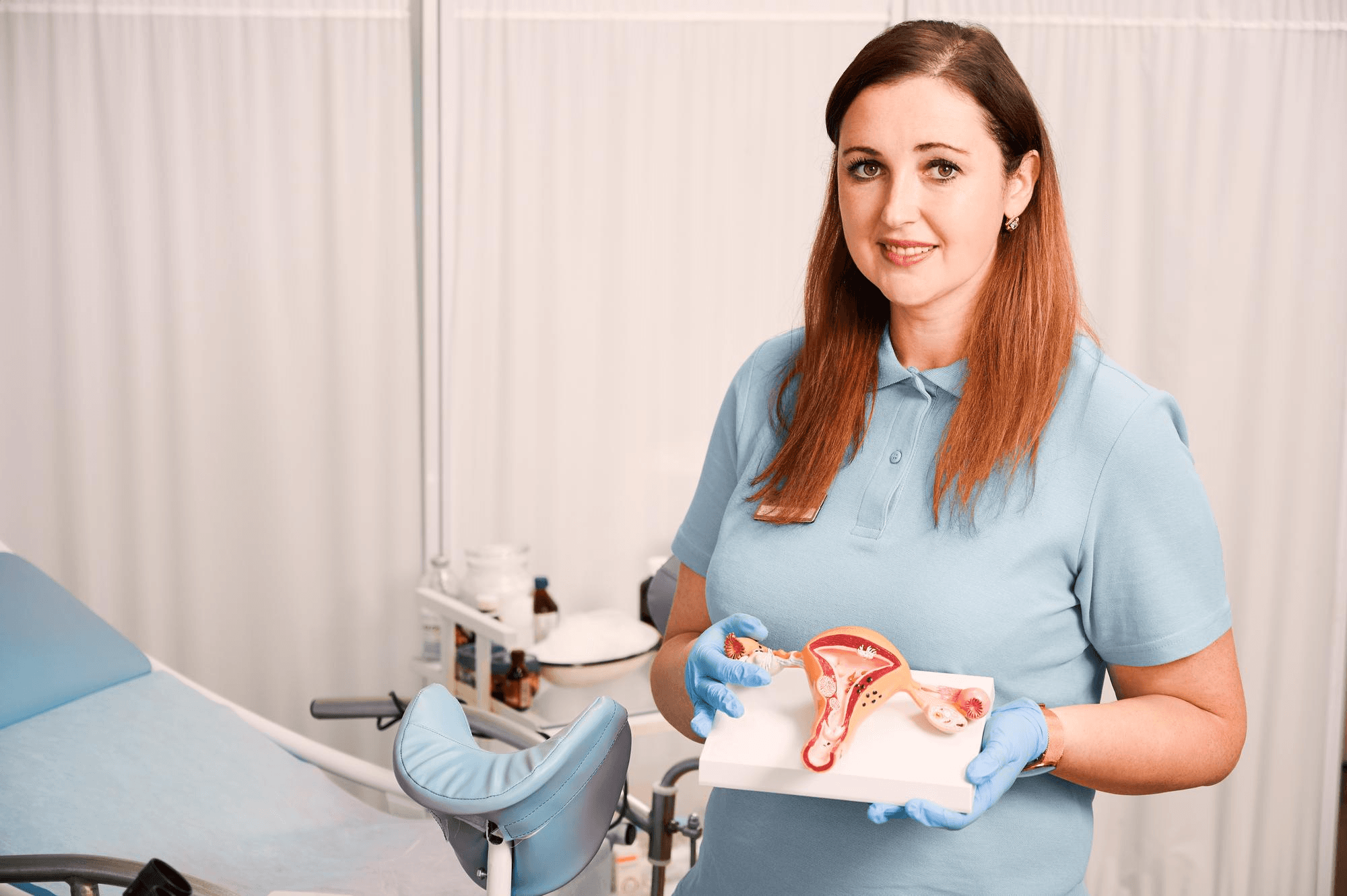
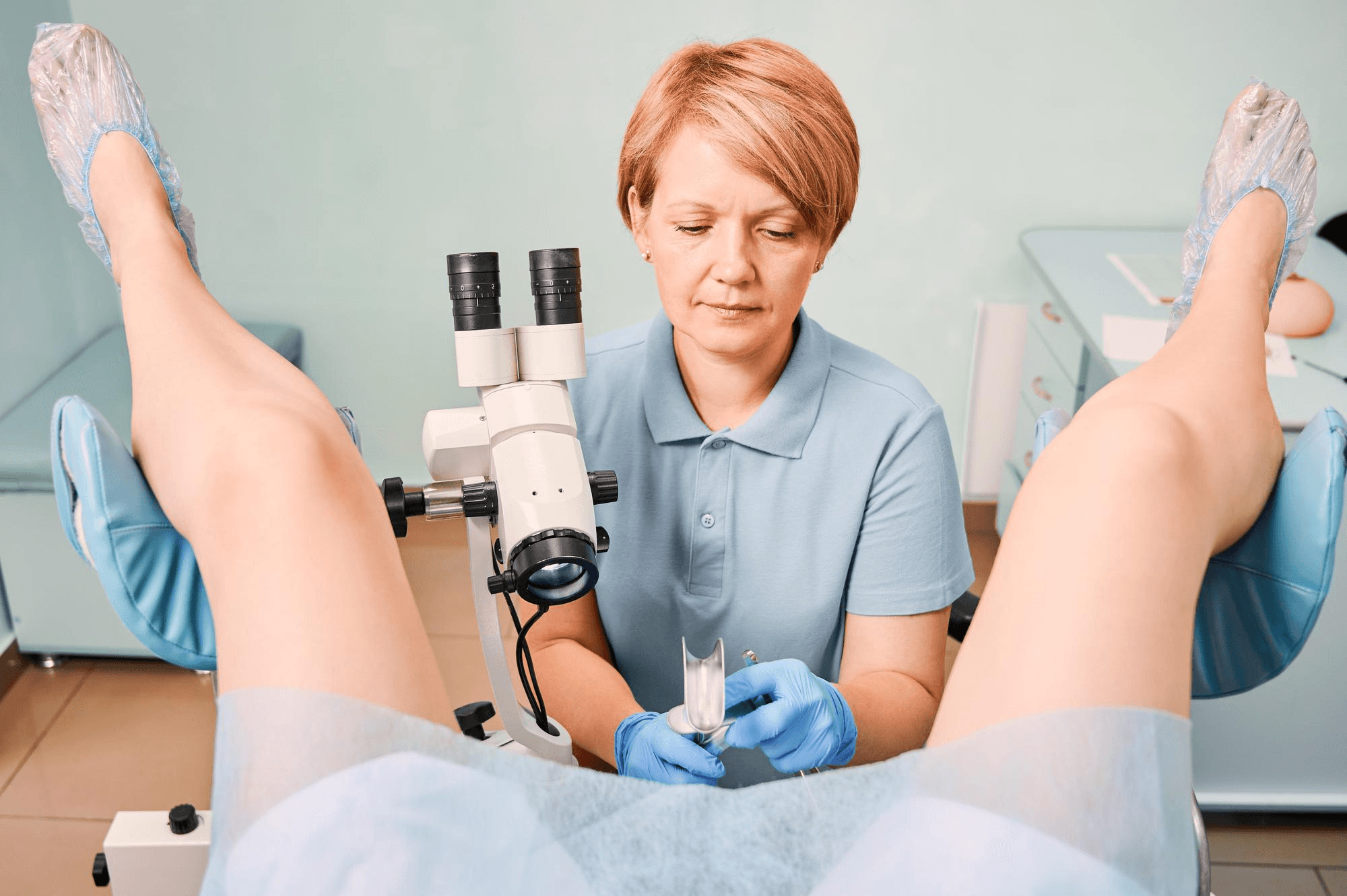
- Doctors use ultrasound and hysteroscopy to spot any structural problems.
Symptoms of Dysmenorrhea
Painful Periods (Dysmenorrhea): Symptoms
1. Lower Abdominal Cramping
- Sharp, cramping pain is low in the belly. It’s brought on by the uterus squeezing hard sometimes it feels like your insides are twisting up.
- This pain usually kicks in a few hours before your period or right as it starts. It tends to stick around for a day or two, and honestly, the first day is often the roughest.
2. Pain That Spreads to the Back and Thighs
- It’s not just your stomach that hurts. For a lot of people, that ache moves into the lower back, hips, or even down into the thighs.
- That happens because the nerves in the uterus are connected to other spots in your pelvis and spine, so the pain kind of travels.
3. Nausea and Vomiting
- On top of cramps, you might feel queasy or even throw up.
- This is due to prostaglandins, those chemical messengers that ramp up during your period and can mess with your stomach in the process.
4. Headache and Fatigue
- Hormones are all over the place when your period starts, and that can bring on headaches, dizziness, and just plain exhaustion.
- It’s most common right at the beginning of your cycle.
5. Digestive Issues
- Some people end up with loose stools, bloating, or diarrhea when their period pain hits.
- Again, prostaglandins are the culprit here; they don’t just affect your uterus, they get the bowels moving, too.
6. Trouble with Daily Life
- When cramps get bad, it’s tough to focus or even get through your usual routine.
- You might feel extra irritable, have a hard time concentrating, or just struggle to keep up with the day. In more intense cases of dysmenorrhea, this can really throw a wrench in things.
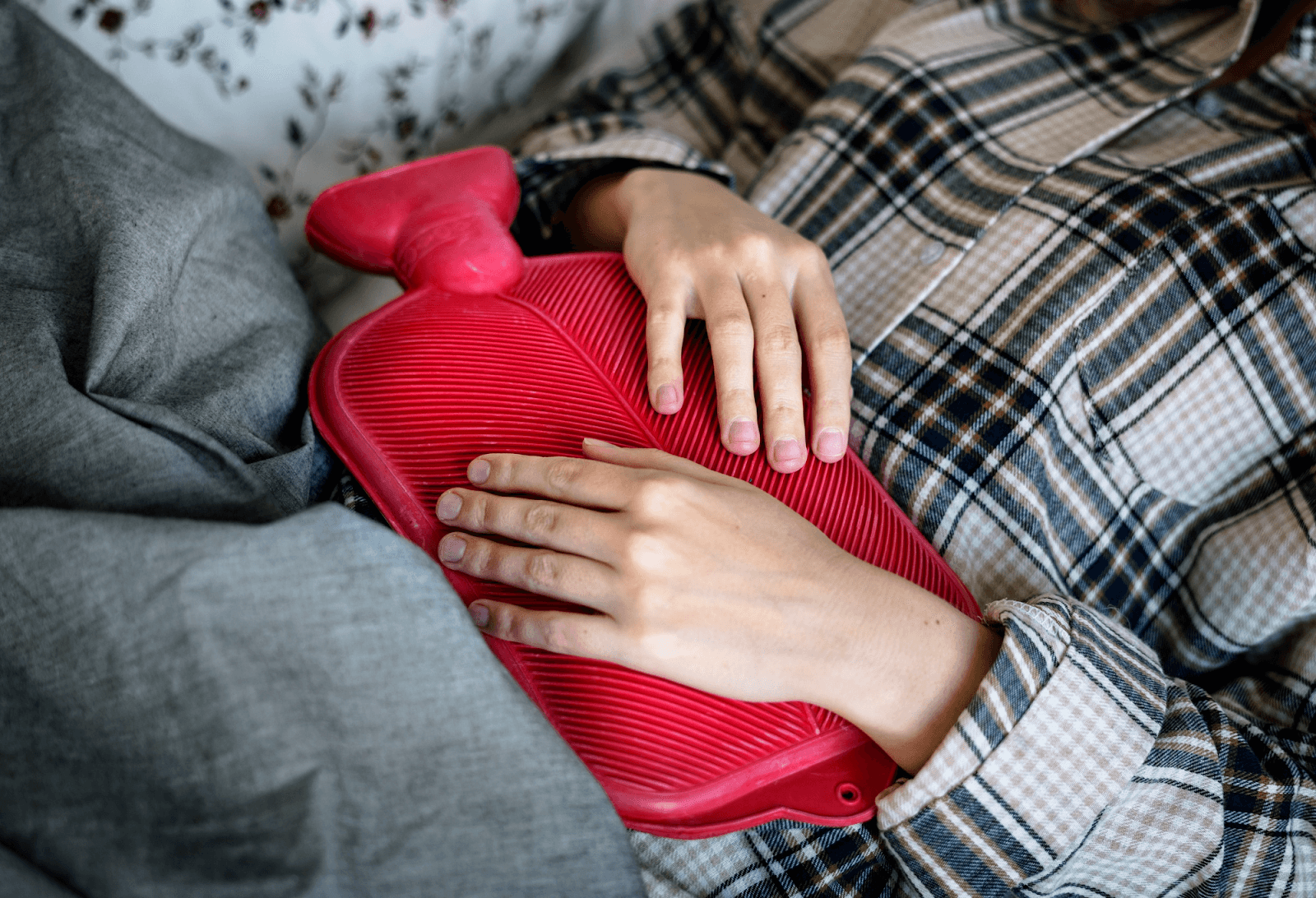
Woman suffering from period pains trying to soothe them using a heating pad.
Relief Strategies for Dysmenorrhea
1. Heat Therapy
A heating pad or hot water bottle on your lower belly works wonders. The warmth relaxes your muscles and gets blood moving, which can take the edge off cramps.
2. Over-the-Counter Medications
NSAIDs like ibuprofen or naproxen cut down on prostaglandins and also decrease the pain. Take them when you start feeling symptoms for the best relief.
3. Regular Physical Activity
Light exercise, stretching, or a bit of yoga can boost your circulation and get those feel-good endorphins flowing. That means less pain and a better mood, even during your period.
4. Hormonal Treatments
If your pain sticks around month after month, hormonal birth control can help. It keeps your cycle on track and usually makes cramps less intense.
5. Healthy Lifestyle Habits
Getting enough sleep, eating well, drinking plenty of water, and finding ways to handle stress all help your hormones stay balanced. These habits make period cramps less of a problem.

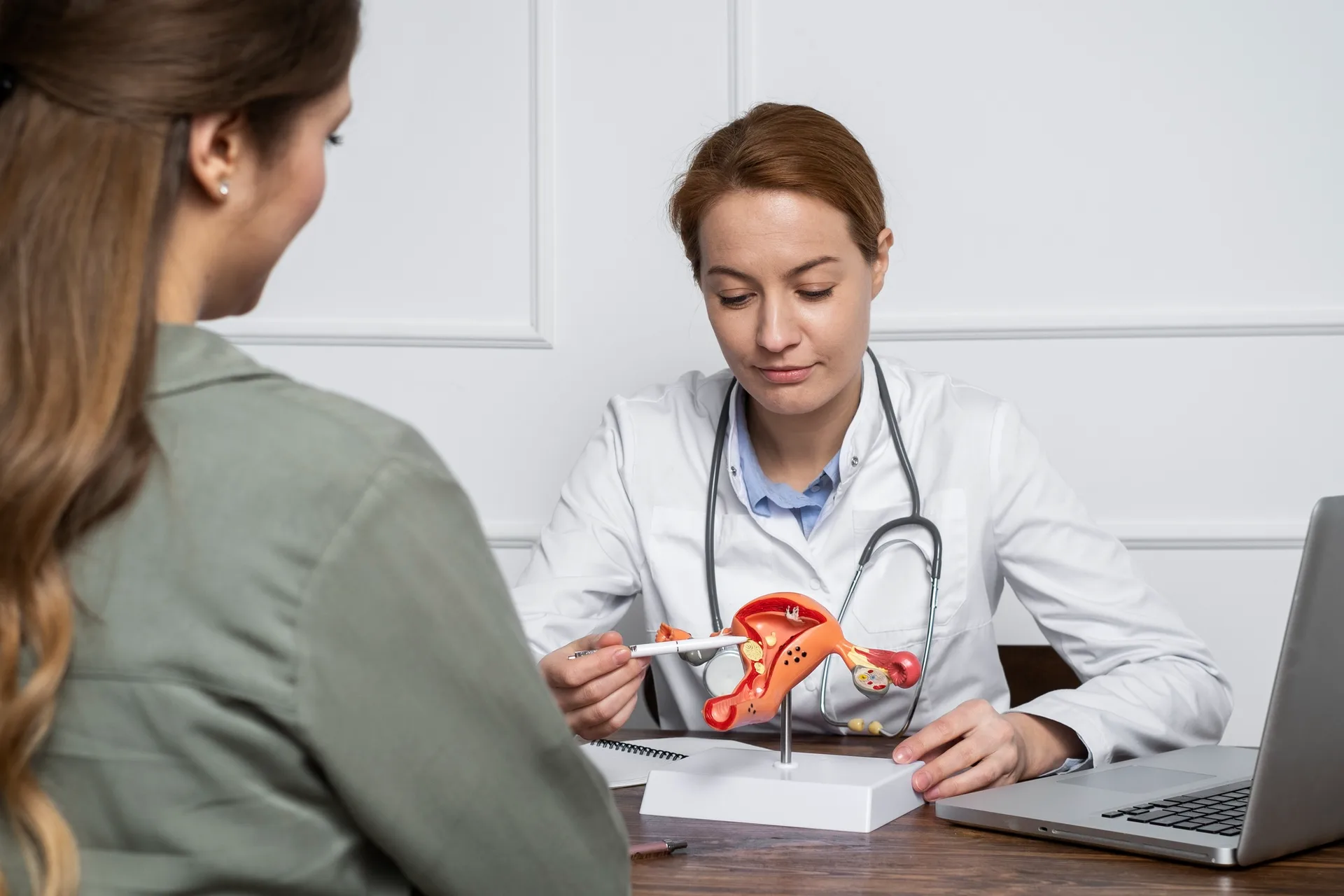
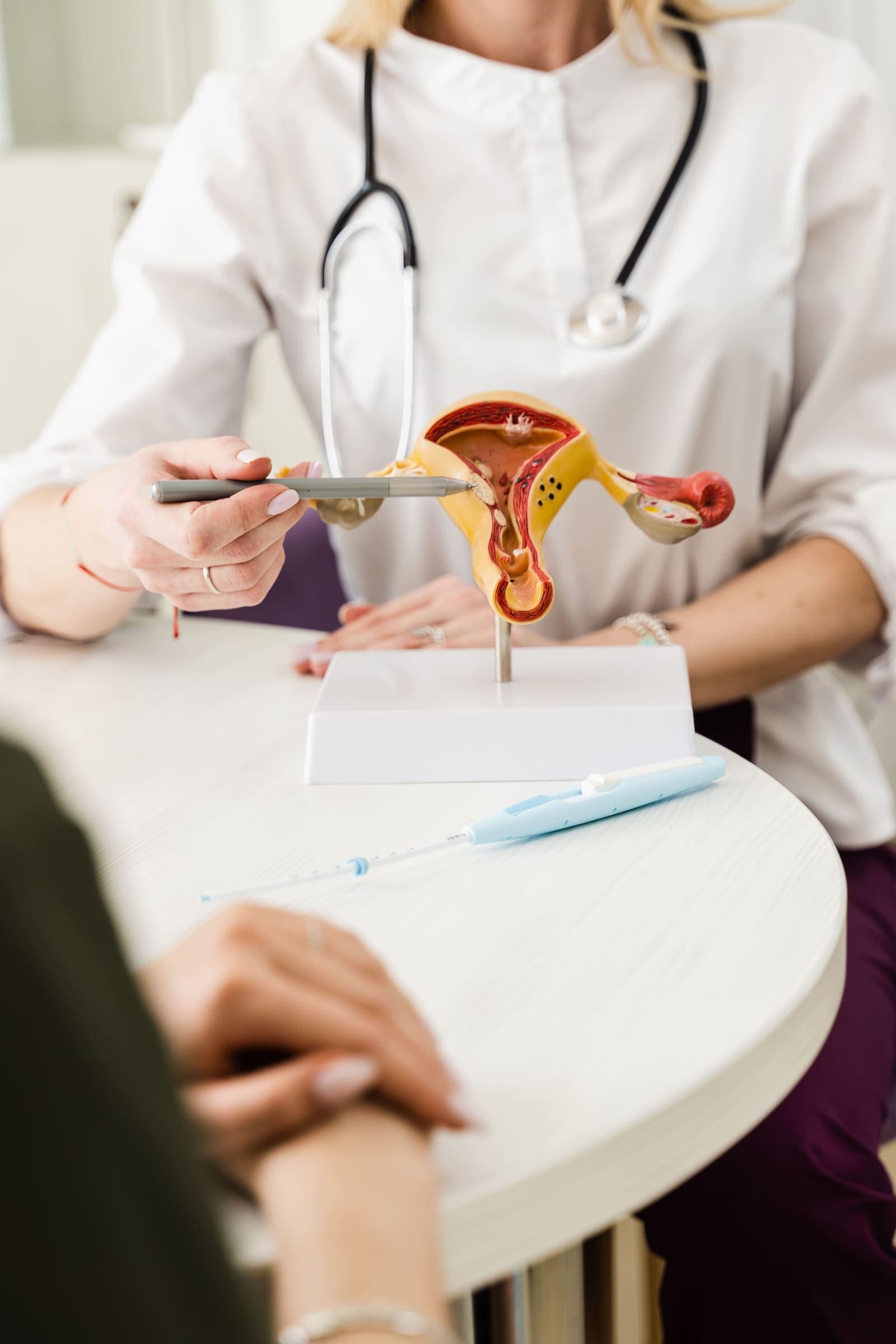
A gynaecologist appointment where the patient is explaining her painful periods to the doctor.
When to Seek Medical Assistance?
Most women deal with mild cramps during their period, but if the pain gets really bad, sticks around, or starts messing with your daily life, it’s time to see a gynecologist. You should also reach out if your cramps keep getting worse, last even after your period ends, or suddenly show up after years of easy cycles.
Other red flags? Heavy bleeding, irregular periods, pain during sex, fever, or unusual discharge. These can point to things like endometriosis, fibroids, or pelvic infections. And if nothing you try at home (even over-the-counter meds) makes a difference, don’t wait, see a gynecologist to figure out what’s really going on and get the right treatment.
Final Thoughts
Painful periods- dysmenorrhea can seriously throw off your day-to-day life. But once you know what’s causing the pain, what to watch out for, and what actually helps, you’re in a much better spot to manage it. Most of the time, it’s just your uterus doing its thing, but if the pain sticks around or gets worse, it could mean there’s something going wrong. Paying attention early and consulting your gynecologist can make a huge difference for your menstrual health and your overall well-being.
Expert Care With Dr. Shachi Singh
If painful periods are taking over your life, Dr. Shachi Singh, who is a skilled Gynecologist, Obstetrician, and Laparoscopic Surgeon, can help. She offers expert diagnosis and personal treatment plans for menstrual disorders. With her patient-first approach and modern care, she helps women feel comfortable and confident again.
Book a consultation with Dr. Shachi Singh and start your journey to pain-free, healthier menstrual cycles.