Foods to Avoid During Pregnancy: The Complete Indian Guide
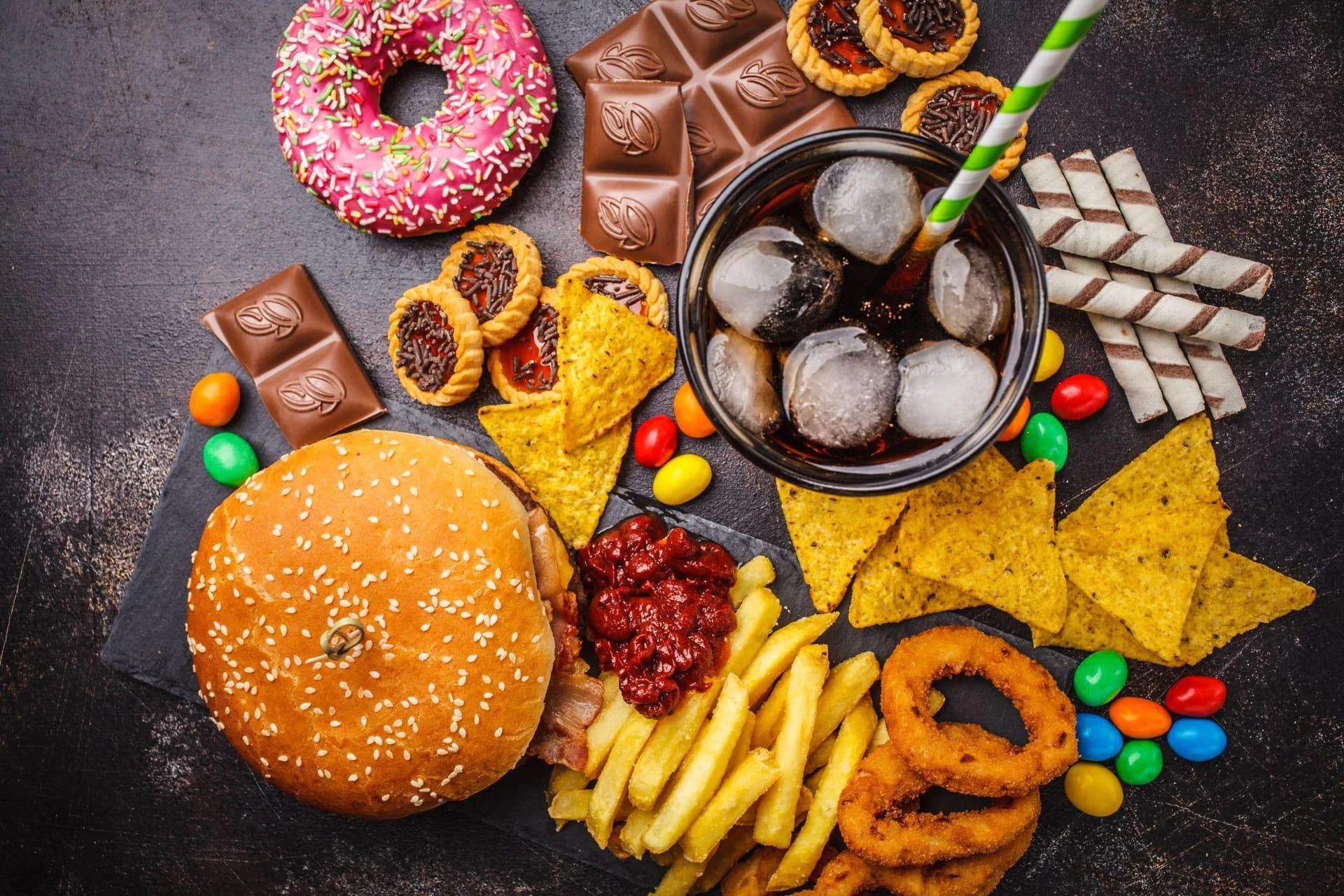
Assortment of fast food, sugary snacks, and soda including burger, fries, doughnut, chips, and chocolates.
Every pregnant woman in India eventually gets the list. From her mother. From her mother-in-law. From the neighbour who had a baby three years ago. From two conflicting WhatsApp forwards sent the same morning.
Some of what is on that list is medically correct. Some of it is cultural tradition with no scientific basis. And some of the genuinely risky things — the ones that actually matter — are often not on the list at all because nobody thought to mention them.
This guide, written with guidance from Dr. Shachi Singh, senior gynecologist at Prakash Hospital, Sector 33, Noida, cuts through all of it. These are the foods and drinks to actually avoid during pregnancy, why each one matters, and which popular "warnings" are simply myths that can be safely ignored.
Why Certain Foods Are Dangerous in Pregnancy
Before listing what to avoid, it helps to understand the categories of risk — because they are different:
1. Bacterial and parasitic contamination
Pregnancy changes your immune system in a way that makes certain food-borne bacteria more dangerous for you than they would be outside of pregnancy. Bacteria like Listeria, Salmonella, Toxoplasma, and E. coli can cross the placenta and directly harm the fetus — causing miscarriage, stillbirth, premature birth, or fetal illness.
2. Chemicals and toxins
Certain substances — mercury, alcohol, excessive caffeine, certain plant compounds — cross the placenta and can harm the developing baby's brain, nervous system, or organs.
3. Uterine stimulants
Some foods and compounds — latex in raw papaya, bromelain in large quantities of pineapple — may stimulate uterine contractions in susceptible women, increasing miscarriage and premature labour risk.
Not all risks are equal. A single exposure is different from regular consumption. And not every woman who eats a problematic food will have a complication — the risks are probabilistic, not absolute. But during pregnancy, erring toward caution for foods with genuine evidence behind the warning is reasonable.
Foods to Avoid During Pregnancy: The Evidence-Based List
1. Raw and Semi-Ripe Papaya (Kacchi Papita)
This is one of the most widely discussed pregnancy food warnings in India — and it is one that has genuine scientific backing.
Raw papaya (green papita) and semi-ripe papaya contain latex — a compound that stimulates the production of prostaglandins and oxytocin, both of which trigger uterine contractions. The enzymes papain and chymopapain in raw papaya can also interfere with fetal development. Unripe papaya has long been used in traditional medicine as an abortifacient — because in sufficient quantities, it works.
The rule: Avoid raw papaya completely throughout pregnancy. This means no raw papaya salads, raw papaya pickle, or raw papaya sabzi (which appears in some South Indian and North Eastern dishes).
What about fully ripe papaya? Fully ripe papaya — completely yellow-orange with no green patches — contains minimal latex and is generally considered safe in moderate amounts in the second and third trimesters. Many gynecologists consider it acceptable then. When in doubt, check with your doctor.
2. Large Amounts of Pineapple (Ananas) — Especially in the First Trimester
Pineapple contains bromelain — an enzyme that in large amounts can soften the cervix and potentially stimulate contractions. Animal studies have shown this effect; human evidence is less definitive but the caution is widely maintained.
The concern is most relevant in the first trimester when miscarriage risk is highest.
The rule: Avoid large quantities of pineapple in the first trimester. A slice or two occasionally in the second or third trimester is generally considered acceptable. The bromelain in cooked pineapple is largely destroyed by heat — so a small amount in a cooked dal or sabzi is safer than fresh pineapple juice.
3. Raw and Undercooked Meat, Poultry, and Fish
Raw and undercooked animal protein carries significant bacterial risk in pregnancy. The main concerns are:
Salmonella — found in undercooked chicken and eggs. Causes severe food poisoning with symptoms including high fever, which can trigger premature labour.
Toxoplasma gondii — a parasite found in undercooked meat (particularly mutton and pork) and cat faeces. In a non-pregnant adult, toxoplasmosis causes mild flu-like symptoms. In a fetus, it can cause brain damage, blindness, or stillbirth if the mother is infected for the first time during pregnancy.
Listeria — found in deli meats, processed meat products, and improperly stored cooked meat.
Indian context: Tandoori chicken with pink inside, partially cooked mutton curry, rare or medium-rare meat of any kind. Any street food involving meat that may not be freshly cooked.
The rule: All meat and poultry must be cooked until there is no pink inside and juices run clear. Fish must be fully cooked. Avoid raw fish preparations entirely.
4. Raw Eggs and Dishes Containing Them
Raw eggs carry Salmonella risk. The danger during pregnancy is that the high fever caused by Salmonella infection can trigger premature labour, in addition to the direct bacterial risks.
In Indian cooking, raw eggs are not commonly consumed — but they can appear in homemade mayonnaise, certain baked items with raw egg-based batter, and some dessert preparations.
The rule: Eat only fully cooked eggs — whites and yolks both set firmly. Avoid homemade mayonnaise (commercial pasteurised mayonnaise is safer) and raw egg-based desserts.
5. Unpasteurised Milk and Dairy Products
Fresh milk sourced directly from farms that has not been boiled, and soft cheeses made from unpasteurised raw milk, can carry Listeria — a bacteria that is particularly dangerous in pregnancy. Listeria can cause miscarriage, stillbirth, premature birth, and severe neonatal infection.
Indian context: This matters more than many people realise in India. Many households — particularly in smaller cities and rural areas — source milk directly from local dairies and consume it without boiling, or consume fresh paneer from raw milk markets. This is a genuine risk.
The rule: Always boil milk before drinking or using it to make curd, lassi, or paneer. Homemade paneer and dahi from boiled milk are completely safe. Avoid soft cheeses from foreign brands made with unpasteurised milk (brie, camembert, blue cheese) — less relevant in an Indian context but worth knowing.
6. High-Mercury Fish
Mercury accumulates in the tissues of large, long-lived fish — particularly predatory fish that eat other fish. In sufficient amounts, mercury damages the developing nervous system and brain of the fetus. It crosses the placenta readily.
Fish to avoid: Shark, swordfish, king mackerel (surmai in large quantities), tilefish.
Safe Indian fish options (low mercury): Rohu, catla, pomfret, sardines, hilsa (eaten in moderation). These provide excellent omega-3 fatty acids with low mercury exposure. Limit even these to 2 servings per week.
The rule: Completely avoid high-mercury fish throughout pregnancy. Low-mercury fish, fully cooked, up to twice a week is beneficial rather than harmful.
7. Excess Caffeine
Safe limit: Under 200 mg of caffeine per day throughout pregnancy. That is approximately one strong cup of coffee, or two small cups of Indian chai.

A woman is standing against a white background while holding a coffee mug with a confused expression on her face.
Research has found that high caffeine intake is associated with increased miscarriage risk and low birth weight. Caffeine crosses the placenta, and the fetus cannot metabolise it efficiently.
Indian context: The caffeine trap is subtle. One cup of morning chai, a mid-morning coffee, a glass of cola with lunch, and a chocolate bar in the evening can easily push past 200 mg without anyone realising it. Track total caffeine from all sources.
The rule: Limit to two small cups of tea or one cup of coffee per day. Avoid energy drinks (often contain 150 to 300 mg per can). Dark chocolate in moderation is fine. Herbal teas are not all safe — check with your doctor before making any herbal tea a regular habit.
8. Alcohol
There is no safe amount of alcohol during pregnancy. None. This is not a conservative guideline — it is the consensus of every major obstetric body globally.
Alcohol crosses the placenta directly and can cause Fetal Alcohol Spectrum Disorders — a range of lifelong cognitive, behavioural, and developmental conditions. The first trimester, when the brain and organs are forming, is the period of highest risk — but no trimester is safe.
The rule: Avoid alcohol completely throughout pregnancy.
9. Raw Sprouts
Sprouts — alfalfa, moong, fenugreek — grow in warm, humid conditions that are ideal for bacterial growth. Even thoroughly washed sprouts carry residual contamination risk because bacteria embed within the root structure. Salmonella and E. coli outbreaks are consistently associated with raw sprout consumption.
Indian context: Raw moong sprout salad and raw sprouted chana bhel are common Indian snacks that become risky in pregnancy.
The rule: Always cook sprouts before eating during pregnancy. Lightly steamed or sautéed sprouts retain most of their nutrition while eliminating the bacterial risk. Sprouted moong dal cooked in the tadka of your dal is completely fine.
10. Street Food and Foods with Hygiene Risk
This is a nuanced one. Street food itself is not categorically unsafe — the risk comes from inconsistent hygiene in preparation, handling, and storage. During pregnancy, when your immune response to pathogens is altered, a food poisoning episode that would cause a non-pregnant adult mild discomfort can trigger dehydration, fever, and in serious cases, premature labour.
Specific concerns:
- Golgappa / pani puri: The water used in pani is the primary risk — contaminated water is extremely common. Unless you are 100% certain of the water source, avoid.
- Cut fruit from street vendors: Cut and exposed for extended periods in warm conditions — bacterial contamination risk.
- Raw chutneys: Often made with unwashed produce and sit out for hours.
- Bhel and chaat: Generally made with raw ingredients that may carry contamination.
The rule: Home-cooked food is the default. If eating out, choose freshly cooked hot meals from clean establishments. Avoid raw or cold preparations, and anything where water quality is uncertain.
11. Excessive Salt and Oily Processed Foods
Excess sodium contributes to fluid retention and blood pressure elevation — risks that compound significantly in pregnancy and contribute to preeclampsia risk. Very oily, heavily processed foods add calories with minimal nutrition and worsen constipation, heartburn, and bloating.
The rule: Reduce added salt, particularly in the third trimester when swelling is common. Limit deep-fried foods and packaged snacks. Use the cravings you will inevitably have as signals of nutrient needs, not as justification for daily excess.
Common Indian Pregnancy Food Myths — Debunked
These warnings circulate widely but have no medical basis:
1. "Eating kesar (saffron) will make the baby fair-skinned"
Skin colour is entirely determined by genetics. Kesar has no effect on it. Saffron in small amounts is safe during pregnancy and has some anti-nausea properties, but it will not change your baby's complexion.
2. "Eating mangoes causes heat and will harm the pregnancy"
Mangoes are safe during pregnancy. Fully ripe mango is nutritious — high in Vitamin C, folate, and fibre. There is no scientific basis for the "heat-generating" concern. Eat mangoes in moderation during mango season.
3. "Coconut water in the third trimester will cause slippery delivery"
Completely baseless. Coconut water is an excellent hydrating drink throughout pregnancy. It does not affect the birth canal.
4. "Eating coconut will give the baby white skin or a big head"
No scientific basis whatsoever. Coconut, coconut oil, and coconut-based dishes are safe and nutritious.
5. "Avoid all sour foods in pregnancy"
There is no evidence that sour foods cause any harm in pregnancy. Citrus fruits, amla, and tamarind are all safe and nutritious. This is cultural superstition, not medical guidance.
6. "Eating double fruits (bananas joined at the stem, twin mangoes) causes twins"
Twins are determined at conception by genetics or fertility treatment. No food causes them.
A Practical Approach to Pregnancy Food Safety
The goal is not anxiety — it is reasonable caution. You will not be able to control every variable of every meal you eat. The aim is:
- Avoid the genuinely high-risk foods (raw papaya, high-mercury fish, alcohol, raw eggs, raw sprouts, excess caffeine) consistently
- Cook all animal proteins thoroughly every time
- Boil your milk before consuming or cooking with it
- Default to home-cooked food over street food and outside food
- Wash all fruits and vegetables thoroughly under running water before eating or cooking
Beyond these, eat a varied, colourful, nutritious diet without excessive worry. Food anxiety during pregnancy is itself a source of stress, and stress has its own negative effects on pregnancy outcomes.
Pregnancy Diet Guidance in Noida and Greater Noida
If you are unsure about a specific food — particularly if you have a medical condition like gestational diabetes, high blood pressure, or a food allergy — always ask at your antenatal appointment. These questions are exactly what your gynecologist is there for.
Dr. Shachi Singh at Prakash Hospital, Sector 33, Noida, provides comprehensive antenatal care for women across Noida and Greater Noida. Nutrition questions, food safety concerns, and symptom management through diet are all part of the conversation at your appointments.
To book a consultation with Dr. Shachi Singh, call: +91 97023 46853
Clinic Hours: Monday to Saturday, 9 AM – 6 PM | Sunday, 10 AM – 2 PM
Clinic Address: D-12A, 12B, Sector-33, G.B. Nagar, Noida, Uttar Pradesh 201301
Frequently Asked Questions
1. Is papaya safe during pregnancy?
Raw and semi-ripe papaya should be avoided completely throughout pregnancy due to its latex content, which can stimulate uterine contractions. Fully ripe papaya (completely yellow-orange, no green) is generally considered safe in moderate amounts after the first trimester. When unsure, skip it.
2. Can I eat pineapple during pregnancy?
Large amounts of pineapple in the first trimester are best avoided due to the enzyme bromelain, which may affect the cervix. Occasional small amounts in the second and third trimester are generally tolerated. If you have a history of pregnancy complications or threatened miscarriage, discuss with your doctor.
3. How many cups of chai can I drink during pregnancy?
Limit total caffeine to under 200 mg per day. Two small cups of Indian chai (approximately 50 to 60 mg of caffeine each) falls within this limit. Avoid strong coffee, energy drinks, and excessive caffeine from other sources on the same day.
4. Is it safe to eat street food during pregnancy?
Occasionally, from establishments you know to be clean, choosing freshly cooked hot food — yes. Raw preparations (golgappa water, raw chutneys, cut fruit), never. The primary risk is not the food itself but hygiene in preparation and handling.
5. Can I eat eggs during pregnancy?
Yes — fully cooked eggs are safe and highly nutritious in pregnancy. They provide protein, choline, Vitamin D, and healthy fats. Both whites and yolks should be fully set. Avoid raw or runny eggs.
This blog is written for educational and informational purposes only. It is not a substitute for professional medical advice. Please consult Dr. Shachi Singh or a qualified gynecologist for guidance specific to your pregnancy.