Pap Smear Test: What It Is, When You Need One, And What The Results Mean

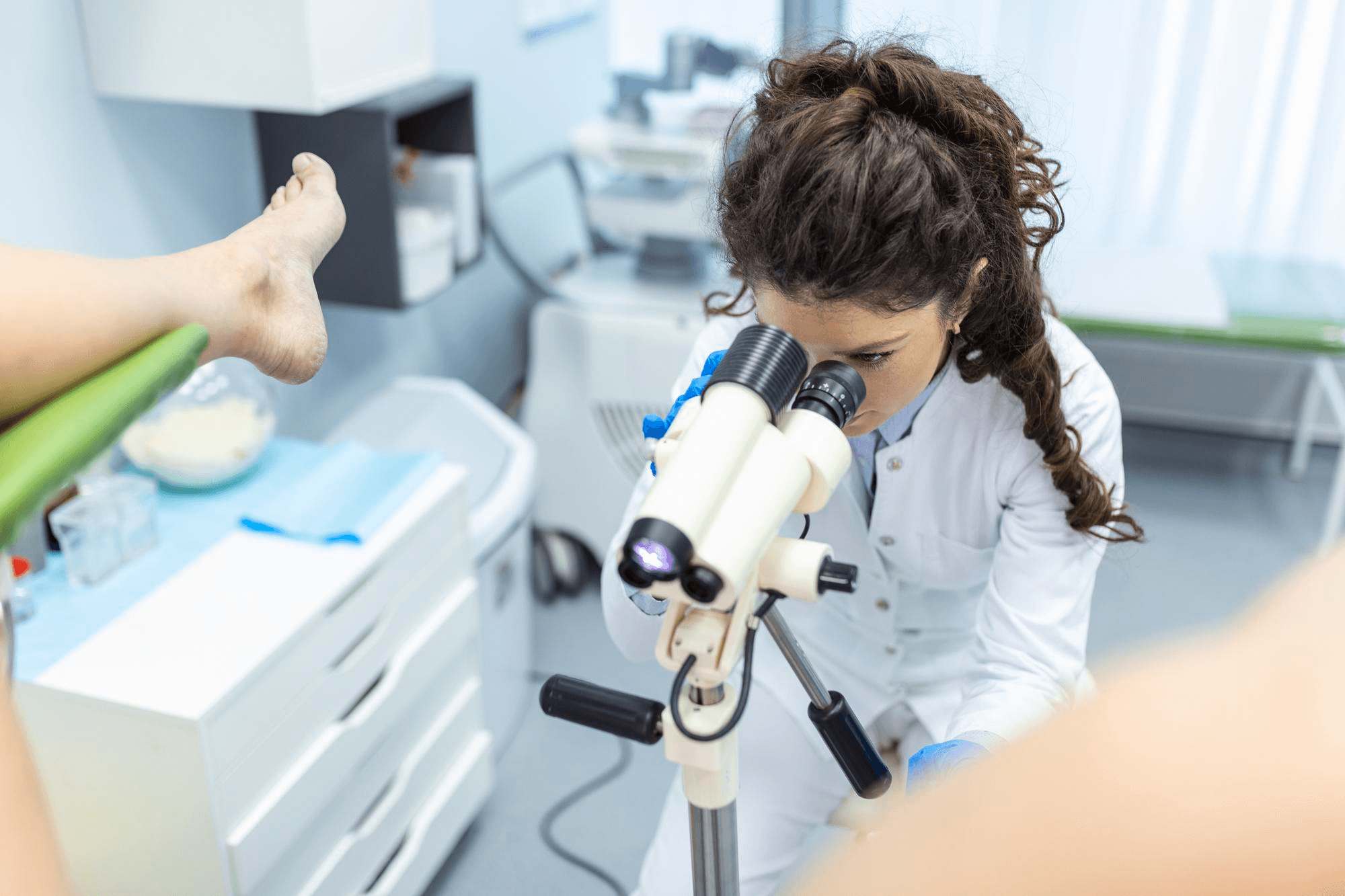
A lab specialist looks at cervical cells from a Pap smear in a petri dish to check for abnormal cells.
India has one of the highest cervical cancer burdens in the world. Approximately 1.25 lakh new cases are diagnosed each year, and around 77,000 women die from it annually. These are not numbers that need to happen — cervical cancer is one of the most preventable cancers that exists, and the Pap smear is the primary tool that prevents it.
The reason so many cases go undetected until they are advanced is straightforward: most Indian women have never had a Pap smear. Many do not know what it is. Many know the term but have never been told they need one. And many who have been told to get one have delayed because they are not sure what to expect, and the idea makes them anxious.
This guide, written with guidance from Dr. Shachi Singh, gynaecologist at Prakash Hospital, Sector 33, Noida, explains what a Pap smear is, how it is performed, what it can find, when you need one, and what to do if the result is not normal.
What a Pap Smear Actually Is
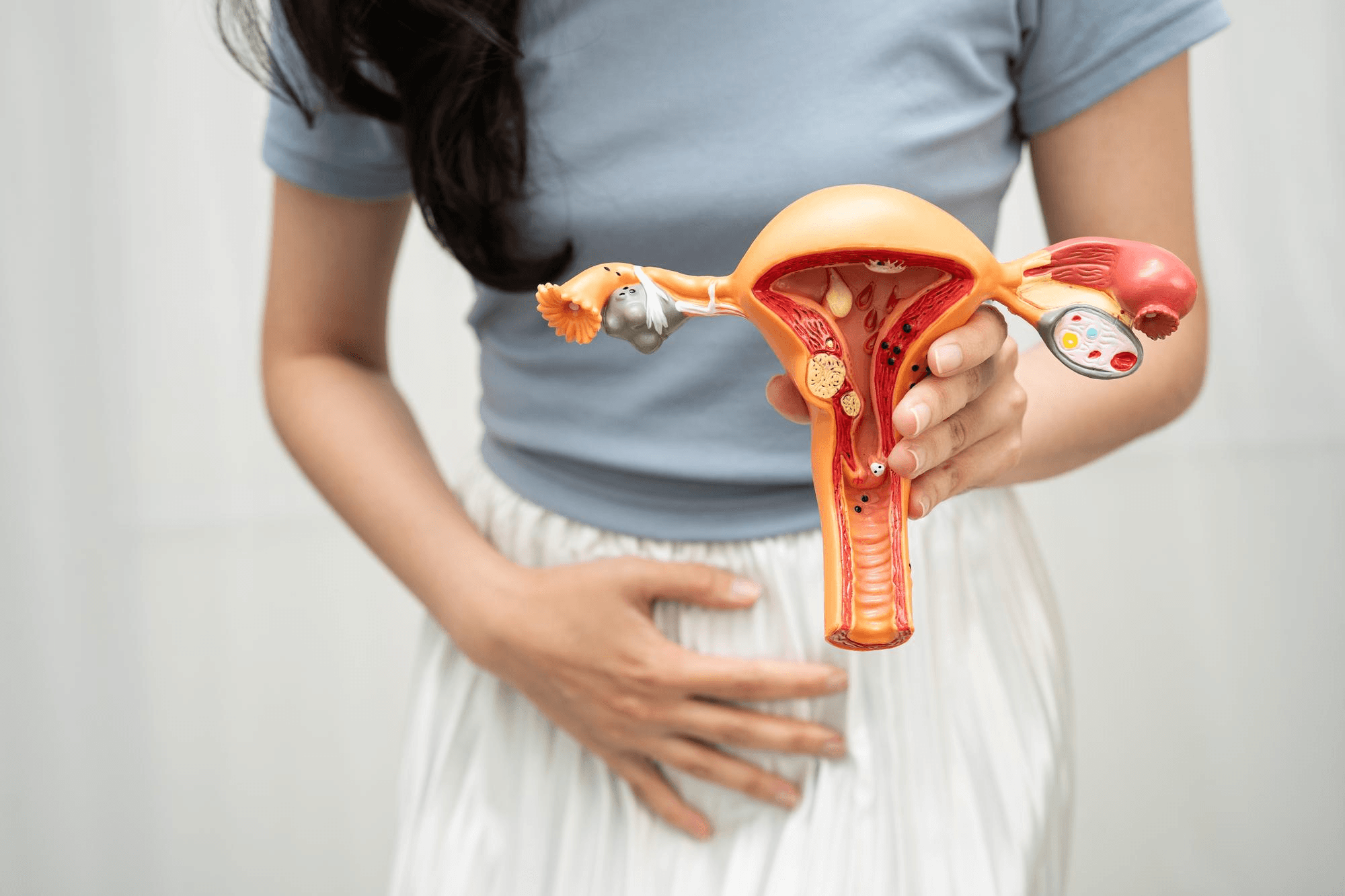
A Pap smear — also called a Pap test or cervical smear — is a simple screening procedure that collects cells from the cervix (the lower end of the uterus that opens into the vagina) for examination under a microscope.
The cervix is where cervical cancer develops. Before cancer develops, the cells go through a series of changes called cervical intraepithelial neoplasia (CIN) — pre-cancerous changes that are identifiable under a microscope but cause no symptoms and cannot be felt or seen during a routine pelvic examination. The Pap smear detects these changes before they progress to actual cancer.
This is the mechanism by which the Pap smear saves lives. It does not detect cancer that is already fully formed and symptomatic — by then, it may be too late for simple treatment. It detects the pre-cancer at a stage when the intervention is minor, and the cure rate is essentially 100%.
A Pap smear also screens for early-stage cervical cancer itself and for evidence of HPV infection, though a specific HPV test (co-testing) gives more complete information about HPV status.
What Cervical Cancer Has to Do with HPV
Almost all cervical cancers — over 99% — are caused by persistent infection with certain strains of Human Papillomavirus (HPV). HPV is a sexually transmitted infection so common that the majority of sexually active people will encounter it at some point in their lives. Most HPV infections clear spontaneously without causing any problems. A small proportion of women infected with high-risk HPV strains (particularly HPV 16 and HPV 18) develop persistent infection that, over years to decades, causes the cellular changes that progress to cancer.
This timeline is the reason the Pap smear works. There is a long window — typically 10 to 15 years — between initial HPV infection and the development of invasive cervical cancer. Regular screening during this window detects the precancerous changes while they are still easily treatable.
Understanding this also explains why the HPV vaccine — given before sexual debut, ideally between ages 9 and 14 — prevents the infection that causes the cancer, rather than treating cancer after it develops.
How a Pap Smear Is Done
The procedure takes about 2 to 3 minutes from start to finish.
You lie on an examination table with your feet in stirrups. A small instrument called a speculum is gently inserted into the vagina to open the vaginal walls and bring the cervix into view. A soft brush or spatula is used to collect a small sample of cells from the surface of the cervix and from the cervical canal. The sample is placed on a glass slide or into a liquid vial and sent to the pathology laboratory.
The collection of cells is not painful for most women — some feel mild pressure or a brief cramp, similar to a light menstrual cramp. Some women experience brief spotting afterwards.
The anxiety before the procedure is consistently worse than the procedure itself. Women who have avoided Pap smears for years because of nervousness about the physical experience almost universally find it much simpler than anticipated.
When to Get a Pap Smear — the Indian Schedule
The recommended cervical screening schedule in India:
When to start: Age 21, or within 3 years of first sexual activity — whichever comes first.
Frequency:
- Ages 21 to 29: Pap smear every 3 years
- Ages 30 to 65: Pap smear every 3 years, OR Pap smear + HPV co-test every 5 years (the combined approach is more sensitive)
- Age 65 and above: If previous screenings have been consistently normal for the past 10 years, screening may be discontinued after discussion with your doctor
Special situations:
- Women with HIV: Annual Pap smear
- Women who are immunosuppressed (transplant recipients, long-term steroid use, certain medical conditions): More frequent screening as advised by your doctor
- Women with a history of CIN 2 or higher: More frequent surveillance smears as directed by the treating doctor
- After hysterectomy (uterus removed): If hysterectomy was for cervical pre-cancer or cancer, vault smears are needed. If a hysterectomy was for a non-cervical reason and the cervix was also removed, screening is generally discontinued.
Important: Being post-menopausal does not mean you stop needing Pap smears until age 65. The cervix is still present and still requires screening.
How to Prepare for a Pap Smear
Timing: Do not schedule a Pap smear during your period. The presence of menstrual blood can obscure the cell sample. Ideally, schedule it for the middle of your cycle — around days 10 to 20.
48 hours before the test:
- Avoid sexual intercourse
- Do not use vaginal creams, lubricants, spermicides, or douches
- Do not insert anything into the vagina, including tampons
These precautions prevent materials from washing away or distorting the cervical cells being sampled.
At the appointment: Tell your doctor if you are pregnant (Pap smears can still be done in early pregnancy), if you have had a previous abnormal Pap result, or if you have any vaginal symptoms.
Understanding Your Pap Smear Results

Clinician takes Pap smear cell sample with brush from patient sitting in a gynecological exam chair.
Results take 1 to 2 weeks from the laboratory.
1. Normal (Negative) Result
This means the cells collected appear normal. No pre-cancerous changes detected. You continue on the standard screening schedule — come back in 3 years (or 5 years if combined with an HPV test). A normal result does not mean you will never develop cervical problems. It means nothing abnormal was detected on this occasion. Regular repeat screening is what maintains protection.
2. Unsatisfactory Result
The sample did not contain enough cells for a reliable reading. This happens in approximately 1% of smears and does not indicate anything is wrong. You will be asked to repeat the test in 6 to 12 weeks.
3. ASC-US (Atypical Squamous Cells of Undetermined Significance)
The most common abnormal finding is mildly abnormal cells that are not clearly pre-cancerous. The usual next step is an HPV reflex test on the same sample. If HPV high-risk types are not found, the likelihood of significant disease is very low, and repeat smear in 12 months is sufficient. If high-risk HPV is found, colposcopy is recommended.
4. LSIL (Low-Grade Squamous Intraepithelial Lesion)
Mild cellular changes consistent with early HPV-related changes or CIN 1. In most women under 25, these resolve spontaneously. For older women, colposcopy is typically recommended to assess the degree of change.
5. HSIL (High-Grade Squamous Intraepithelial Lesion)
More significant cellular changes indicate CIN 2 or CIN 3 — moderate to severe pre-cancerous changes. Colposcopy and biopsy are required. Treatment is usually recommended to prevent progression to cancer. Treatment options include LEEP (loop electrosurgical excision procedure) or cone biopsy, which removes the affected tissue with very high success rates.
6. Carcinoma
Cells that appear malignant. This triggers immediate referral for further evaluation and staging. It is worth stating clearly: reaching this point on a regular screening programme — when the woman has been having regular Pap smears — is rare. Cervical cancer found at an advanced stage almost always occurs in women who have not been screened.
Colposcopy — What Happens If You Are Referred
Colposcopy is a more detailed examination of the cervix. A colposcope — a magnifying instrument — is used to examine the cervical surface closely, guided by a solution that makes abnormal cells more visible. Biopsies of suspicious areas are taken.
Colposcopy is not a treatment — it is a diagnostic procedure that determines how significant the cellular changes are and whether treatment is needed. Many women who are referred for colposcopy after an abnormal smear are found to have changes that do not require immediate treatment and are monitored with repeat smears. Being referred for colposcopy is not a cancer diagnosis. It means your doctor is being thorough.
Pap Smears During Pregnancy
Pap smears can be performed in the first trimester if due. The procedure is safe and does not harm the pregnancy. Minor spotting afterwards is more common during pregnancy because of increased vascularity of the cervix — this is not concerning.
If a Pap smear result is abnormal during pregnancy, management is adjusted to avoid treatments that might risk the pregnancy. Colposcopy can be performed in pregnancy for surveillance. Definitive treatment is generally deferred until after delivery.
Cervical Cancer Screening in Noida and Greater Noida

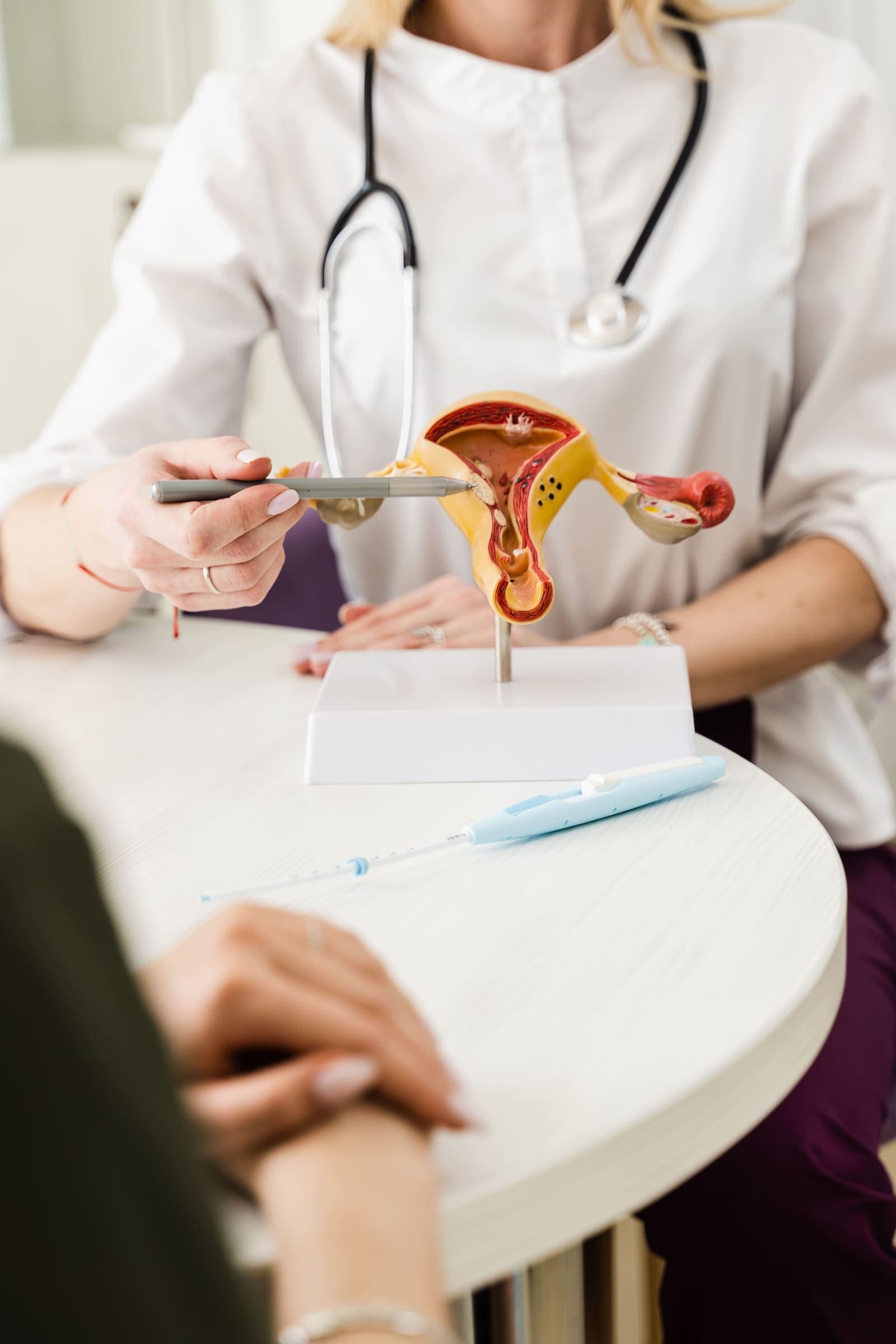
Medical illustration depicting Cervical Cancer; depicts a woman's body with a diagram of the pelvis showing the cervix in section as well as a magnified uterus clearly showing cancerous growths and HPV.
Cervical cancer kills women who could be alive. Every death is a Pap smear that did not happen, or happened too late, or was an abnormal result that was not followed up on. The test takes 3 minutes. The protection it provides is real and significant.
Dr. Shachi Singh at Prakash Hospital, Sector 33, Noida, performs cervical screening and colposcopy for women across Noida and Greater Noida. If you are overdue for a Pap smear, have never had one, or received an abnormal result that was not followed up on, this is the appointment to make.
To book a consultation with Dr. Shachi Singh, call: +91 97023 46853
Clinic Hours: Monday to Saturday, 9 AM – 6 PM | Sunday, 10 AM – 2 PM
Clinic Address: D-12A, 12B, Sector-33, G.B. Nagar, Noida, Uttar Pradesh 201301
Frequently Asked Questions
At what age should I start getting Pap smears in India?
Age 21, or within 3 years of first becoming sexually active — whichever comes first. Some guidelines recommend starting at 25 for women with no prior sexual activity.
How often do I need a Pap smear?
Every 3 years, if you have a Pap smear alone. Every 5 years, if you combine the Pap smear with an HPV test (co-testing). Women with HIV, immunosuppression, or a history of high-grade abnormalities may need more frequent screening.
Does a Pap smear hurt?
For most women, no. Some feel mild pressure or a brief cramp similar to a light menstrual cramp. Some feel nothing at all. The anxiety around the procedure is consistently worse than the procedure itself.
What should I do if my Pap smear result is abnormal?
Follow the guidance your doctor gives you, which will depend on the type of abnormality. Abnormal does not mean cancer — most abnormal smear results represent pre-cancerous changes or HPV infection that may resolve on its own or require simple outpatient treatment. Do not ignore an abnormal result; do not catastrophise it. Get the recommended follow-up.
Can I get a Pap smear if I am a virgin?
Yes, though the risk of HPV-related cervical changes is lower in women who have not been sexually active. Your doctor will advise whether screening is necessary in your specific situation.
Does a Pap smear test for STIs?
No. A Pap smear is specifically for cervical cell changes. It does not test for STIs such as chlamydia or gonorrhoea. HPV co-testing specifically tests for high-risk HPV strains. STI testing is done separately if indicated.
This blog is written for educational and informational purposes only. It is not a substitute for professional medical advice. Please consult Dr. Shachi Singh or a qualified gynaecologist for guidance on cervical screening specific to your situation.