Heavy Menstrual Bleeding: When Is It A Concern?
By Dr. Shachi SinghUpdated

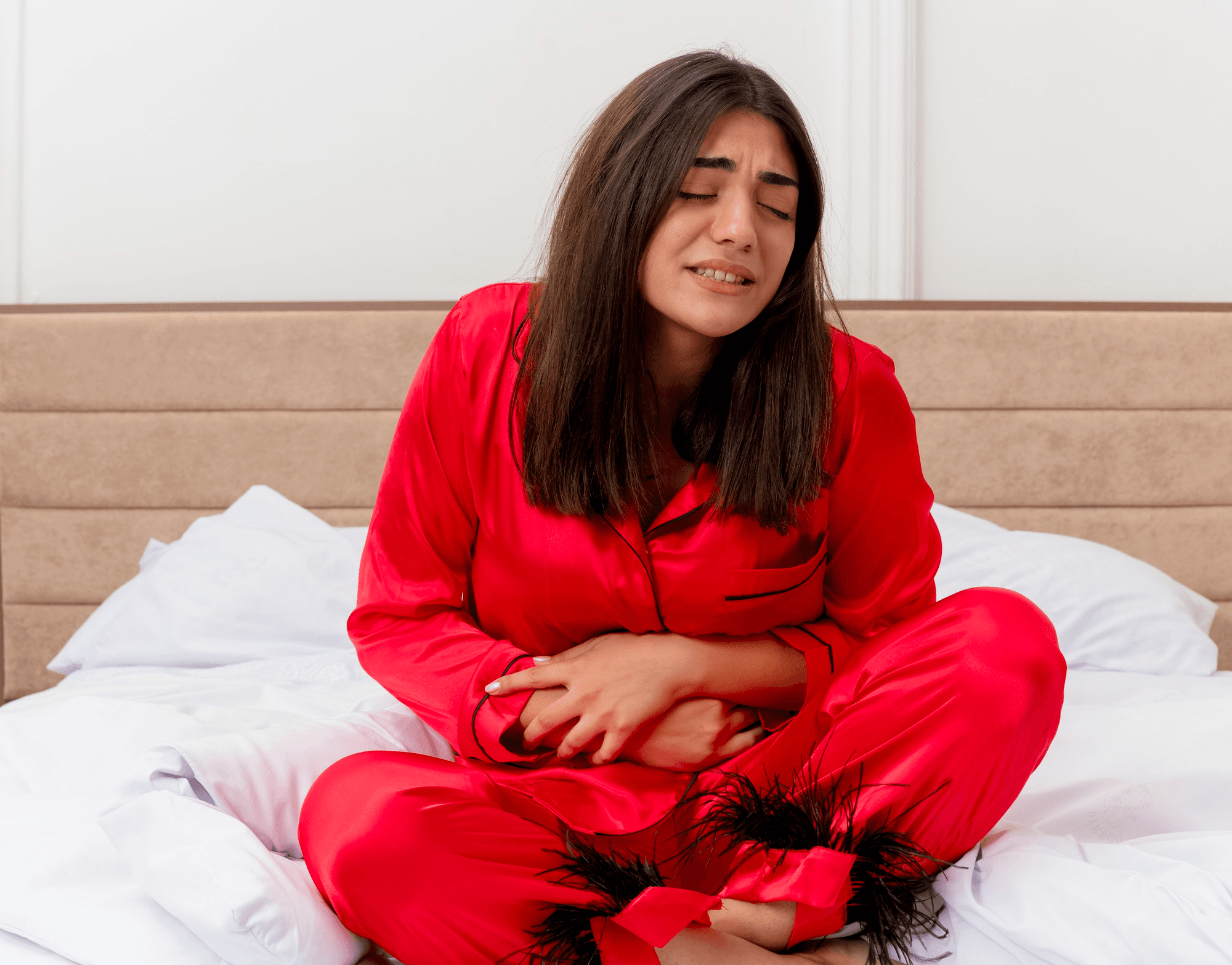
A woman sitting on the floor with a heating pad on her abdomen, clearly feeling pain from heavy menstrual bleeding.
Heavy periods are annoying, and they can be your body’s way of waving a red flag. Sure, everyone gets a heavy flow now and then, but if you’re always soaking through pads, passing big clots, or just wiped out every month, something’s up. It’s important to know when heavy bleeding crosses the line from “normal” to “needs attention.” That way, you can take care of yourself, stay comfortable, and know when it’s time to check in with your gynecologist.
Is Your Period Flow Normal or Too Heavy?
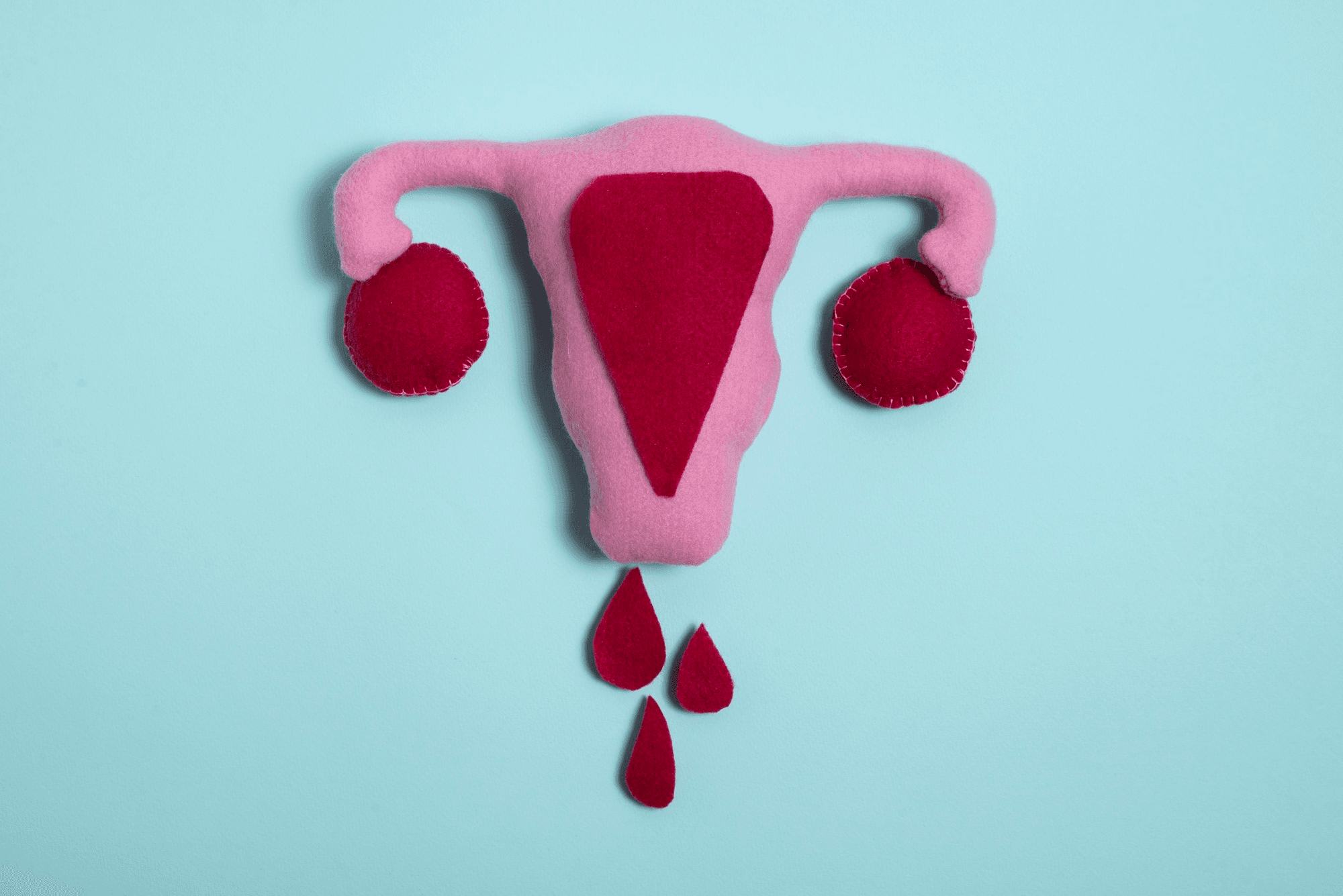
- Heavy menstrual bleeding, doctors call it menorrhagia, which means your period is so heavy or lasts so long that it really messes with your day-to-day life.
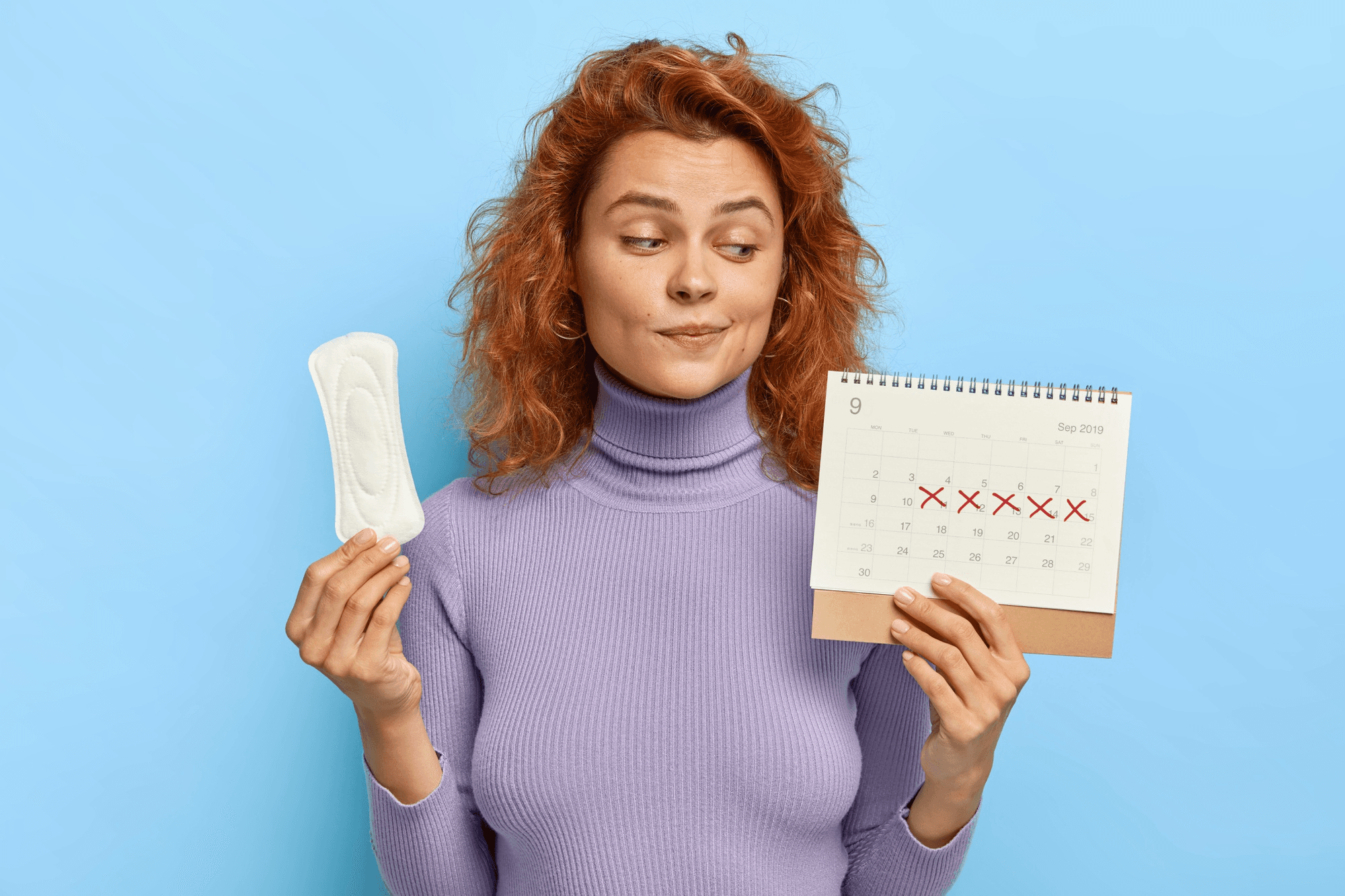
- Think about it like this: if your period goes on for more than a week, if you’re running to change pads or tampons every hour or two, or if you’re passing big clots, that’s a red flag.
- Needing to double up on protection or waking up to find you’ve soaked through overnight? Which is not normal.
- Women dealing with this often feel wiped out, dizzy, or even short of breath. That’s usually because all that blood loss can leave you anemic, which means your body isn’t getting enough iron.
- Now, sure, now and then a heavy period happens. But if it keeps happening, something’s up. It could be a hormonal issue, fibroids, polyps, PCOS, a thyroid problem, or even a bleeding disorder.
- Don’t ignore it. Seeing a gynecologist early helps pinpoint the cause and prevents it from getting worse.
Causes Behind Heavy Menstrual Bleeding

Flat lay with “hormones” text, pills, a clock, and a female symbol for hormonal bleeding issues.
1. Hormones
They play a big part. When estrogen and progesterone are out of balance, the uterine lining becomes thicker than usual, so periods can be heavier.
2. Fibroids
They are another common reason. These harmless lumps in the uterus can delay periods and make them much heavier.
3. Polyps
Polyps can do it too. They’re tiny growths on the uterine lining, and sometimes they cause bleeding that’s heavier or just unpredictable.
4. PCOS or Polycystic Ovary Syndrome
Your ovaries don’t always release eggs regularly, and that throws your whole cycle off, usually making periods both heavier and less predictable.
5. Thyroid
Both an overactive and an underactive thyroid can mess with your cycle and ramp up the bleeding.
6. Medical Conditions
Sometimes, it’s conditions like endometriosis or adenomyosis. Here, the uterine tissue begins to grow where it shouldn’t. The result? Painful, heavy periods.
7. Bleeding Disorders
Bleeding disorders, like von Willebrand disease, mess with how your blood clots so that you might bleed more than usual.
8. Medicines
Certain meds can make things worse. Blood thinners, some hormonal birth control, or even an IUD might bump up your flow.
9. Miscarriage or Pregnancy
Heavy bleeding can be a sign of miscarriage or an ectopic pregnancy, which needs immediate attention.
How Heavy Periods Can Affect Your Health and Daily Life
1. Feeling Drained and Losing Iron
When your period’s heavy, your iron drops. You just feel wiped out, dizzy, weak, and out of breath. Even simple tasks get tough.
2. Trouble at Work or School
All that constant tiredness makes it hard to focus. Deadlines slip. You zone out in class or miss things at work.
3. Stress and Social Life
You worry about leaks or your mood swings out of nowhere. Sometimes, it’s easier just to cancel plans than deal with the stress.
4. Sleepless Nights and Pain
Cramps wake you up. Bleeding keeps you tossing and turning. Then there’s the aching in your back and pelvis that just won’t quit.
It impacts overall health. Dealing with heavy periods is really difficult. Your health, comfort, and happiness depend on it.
When to Visit a Gynecologist?

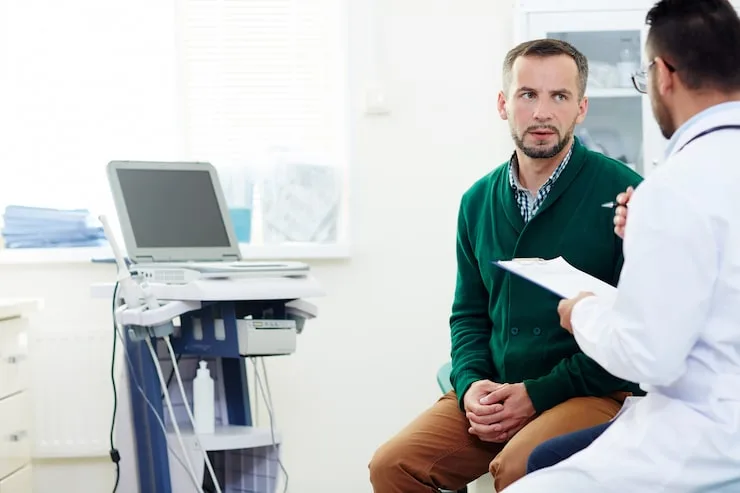
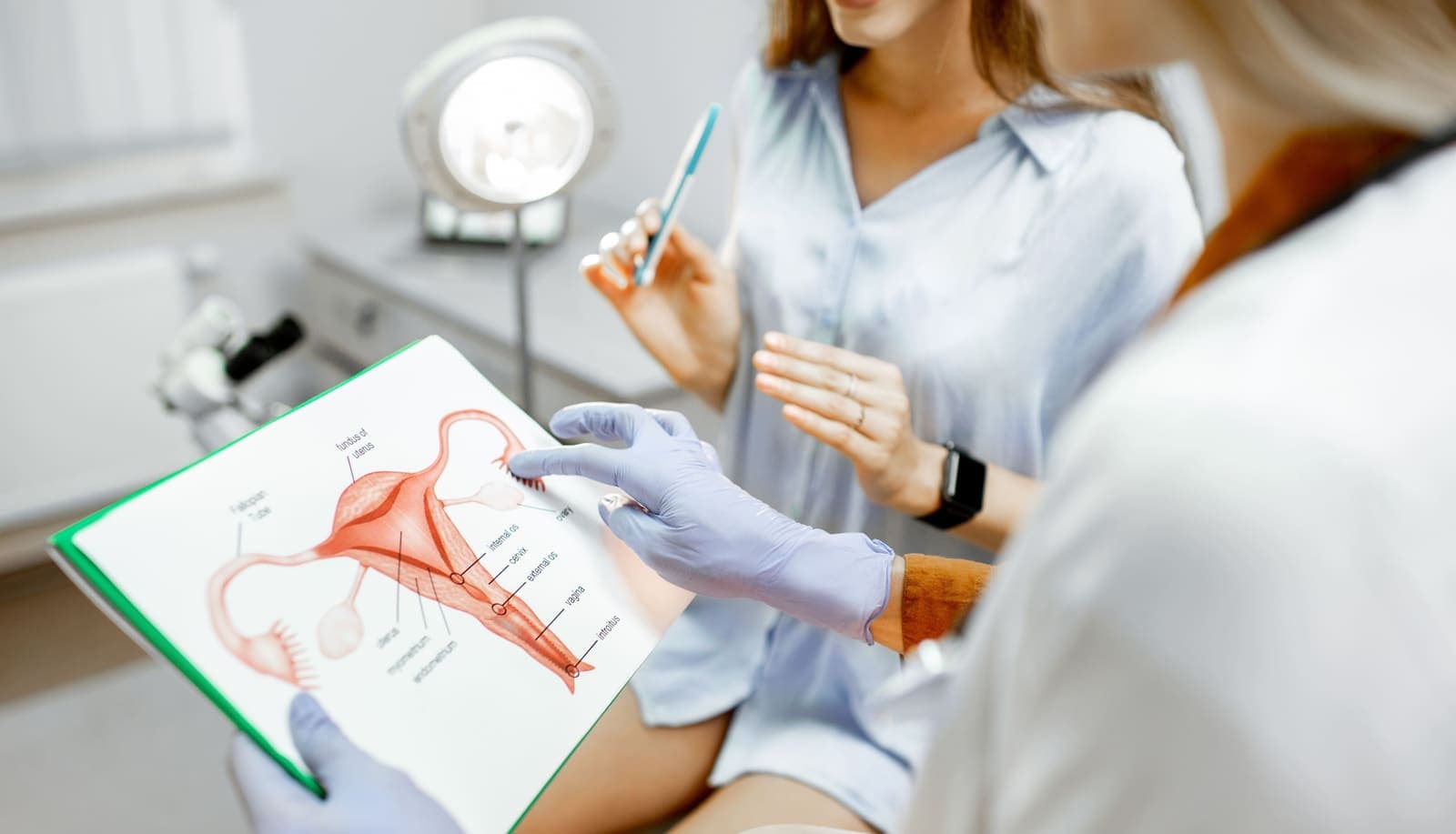
A patient sits with her gynecologist to talk about heavy periods and get advice in the clinic.
- See a gynecologist if your periods drag on for more than a week or show up way too often.
- If you’re soaking through a pad or tampon every hour or two, that's a red flag. Don’t wait to consult your gynecologist.
- If large blood clots are passing, let your gynecologist know, as this is not normal.
- If you keep feeling wiped out, dizzy, or out of breath, it could mean you’re losing too much blood and getting anemic.
- Bleeding between periods or after sex is something you should never ignore. And if your flow suddenly changes or you’re dealing with bad pelvic pain, get help right away.
Treatment Options
1. Medications
Medications can help with hormonal therapy, birth control pills, progesterone, or other drugs that cut down on bleeding.
2. Iron supplements
These help a lot in treating or preventing anemia.
3. Lifestyle Changes
Sometimes, working on your diet and managing your weight makes a real difference. These lifestyle tweaks can help balance your hormones.
4. Medical Treatment
Doctors might suggest procedures like hysteroscopy, endometrial ablation, or less invasive surgeries to deal with fibroids or polyps.
5. Surgical Treatment
If things get more serious, surgery becomes an option. That might mean laparoscopic surgery or, in some cases, a hysterectomy.
Final Thoughts
You don’t have to just put up with heavy periods. If your cycles drag on, hurt, or leave you wiped out, that’s your body trying to tell you something’s off.
Getting checked out early helps you find out what’s going on, stops bigger issues like anemia before they start, and honestly, just makes life better.
Pay attention to what your body’s saying, and don’t wait to see a gynecologist; acting sooner can really change things.
Expert Care with Dr. Shachi Singh
Heavy periods can really disrupt your life, but you don’t have to just put up with them. Dr. Shachi Singh knows how tough it gets. She’s an Obstetrician, Gynecologist, and Laparoscopic Surgeon who takes the time to listen and figure out what works for you.
Whether you need medication, a simple procedure, or something more advanced, she’s got you covered.
Don’t ignore the symptoms; book a visit with Dr. Shachi Singh and start feeling better, both with your periods and your overall health.