Gestational Diabetes Diet: What to Eat, What to Avoid, and How to Manage Blood Sugar in Pregnancy
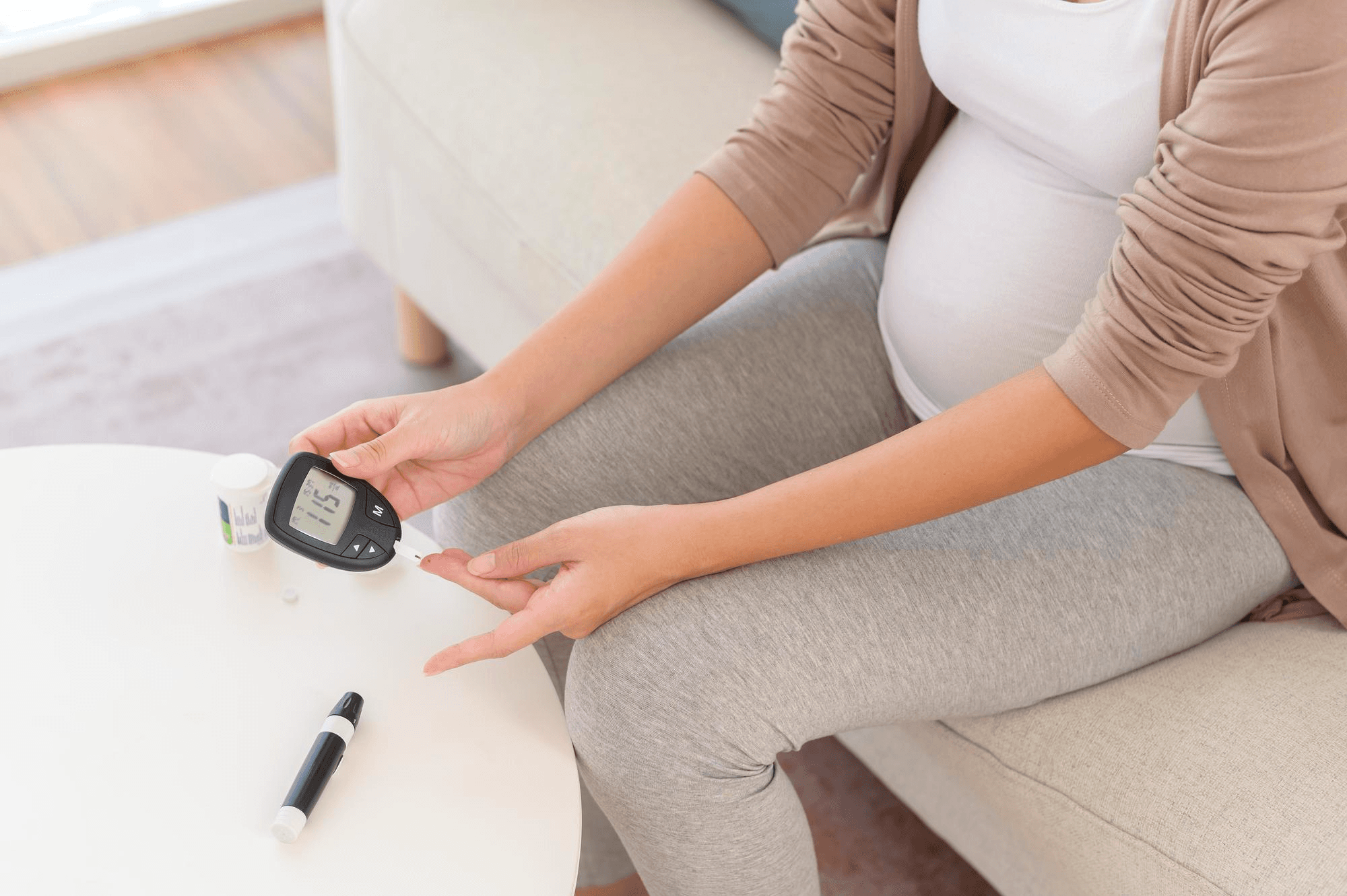
Pregnant woman checking her blood sugar level with a glucometer at home during an ongoing health routine.
You went for your routine glucose tolerance test — probably somewhere around 24 to 28 weeks — and the results came back abnormal. Now you have a diagnosis: gestational diabetes mellitus (GDM). And suddenly everything about food feels complicated and frightening.
Take a breath. Gestational diabetes is manageable. In many women, diet and lifestyle changes alone are sufficient to keep blood sugar within safe ranges throughout pregnancy. And even when medication is needed alongside diet, the dietary principles remain the cornerstone of management.
This guide, with guidance from Dr. Shachi Singh, senior gynecologist at Prakash Hospital, Sector 33, Noida, explains gestational diabetes clearly, walks through the dietary principles that actually work, and translates those principles into practical Indian meals and snacks.
What Is Gestational Diabetes — and Why Does It Matter?
Gestational diabetes is a form of high blood sugar that develops during pregnancy. It occurs when pregnancy hormones — particularly human placental lactogen — cause insulin resistance, meaning the body's cells do not respond normally to insulin. When the pancreas cannot produce enough extra insulin to compensate, blood sugar rises above normal levels.
India has one of the highest gestational diabetes rates in the world — approximately 14% of pregnancies are affected, with higher rates in urban populations with sedentary lifestyles and diets high in refined carbohydrates. Women with PCOS, family history of diabetes, obesity, or previous GDM are at higher risk.
Why does it matter for the baby?
When maternal blood sugar is persistently elevated, the baby receives excess glucose through the placenta. The baby's own pancreas then produces more insulin to manage this, which stimulates fat storage and excessive growth. This leads to:
- Macrosomia — a very large baby (over 4 kg), which increases the risk of a difficult delivery or C-section
- Neonatal hypoglycaemia — the baby's blood sugar drops sharply after birth when the maternal glucose supply is cut off
- Increased risk of breathing problems — related to both prematurity and excess insulin
- Long-term risk for the child of developing diabetes and obesity later in life
For the mother, uncontrolled GDM increases the risk of preeclampsia, urinary tract infections, and a higher likelihood of developing type 2 diabetes within 10 years of the affected pregnancy.
The good news: controlled GDM dramatically reduces all of these risks. Blood sugar management through diet, activity, and when needed, medication, produces outcomes very close to those of non-diabetic pregnancies.
The Core Principle: Blood Sugar Control Through Carbohydrate Management
Blood sugar is directly determined by carbohydrate intake — both the quantity and the type of carbohydrates consumed. This does not mean avoiding carbohydrates entirely, which is neither practical nor safe during pregnancy. It means choosing the right carbohydrates and distributing them appropriately through the day.
The glycemic index (GI) concept: Foods with a high glycemic index cause rapid blood sugar spikes. Foods with a low glycemic index cause slow, gradual blood sugar rises. During GDM, low-GI foods are preferred because they prevent the sharp spikes that stress the baby and exceed blood sugar targets.
What to Eat With Gestational Diabetes — An Indian Approach
1. Vegetables (Eat Freely — These Are Your Best Friends)
Non-starchy vegetables have minimal impact on blood sugar and should fill half of every plate in a GDM diet. These include:
Palak, methi, bhindi (okra), lauki (bottle gourd), tinda, turai (ridge gourd), karela (bitter gourd — particularly beneficial for blood sugar), shimla mirch (capsicum), cabbage, cauliflower, broccoli, beans, peas (in moderation as peas are slightly higher in starch), tomato, cucumber, and all leafy greens.
Karela (bitter gourd) deserves special mention — it has documented blood glucose-lowering effects and is actively beneficial for women managing gestational diabetes. Even small amounts daily in sabzi or karela juice (diluted) can help.
2. Dals and Legumes (The GDM Superfood Group)
Dals and legumes are ideal for gestational diabetes. They provide protein and fibre that slow carbohydrate digestion and prevent blood sugar spikes, while also contributing iron, folate, and calcium. The combination of macronutrients in a bowl of dal is exactly what blood sugar management needs.
All dals are appropriate in GDM:
- Moong dal — particularly easy to digest and low glycemic
- Masoor dal — good iron content
- Chana dal — slower glycemic response than many other dals
- Rajma and chole — protein and fibre-dense; particularly useful for replacing rice portions
- Whole masoor and whole moong — slightly slower absorption than split dals
Practical tip: When having rice or roti with a meal, make the dal portion larger and the grain portion smaller. The protein and fibre from the dal moderate the glycemic impact of the grain.
3. Whole Grains (Choose Carefully)
Grains are not off-limits in GDM — but portion size and type matter significantly.
Good choices:
- Whole wheat atta roti — far lower GI than maida-based breads
- Ragi (finger millet) — genuinely low GI, very high in calcium and iron, excellent for GDM management. Ragi roti, ragi dosa, or ragi porridge
- Jowar (sorghum) and bajra (pearl millet) — both lower GI than wheat
- Oats — low GI, high in soluble fibre (beta-glucan) that specifically improves insulin sensitivity
- Dalia (broken wheat) — moderate GI, good fibre content
- Brown rice — lower GI than white rice; still in moderation
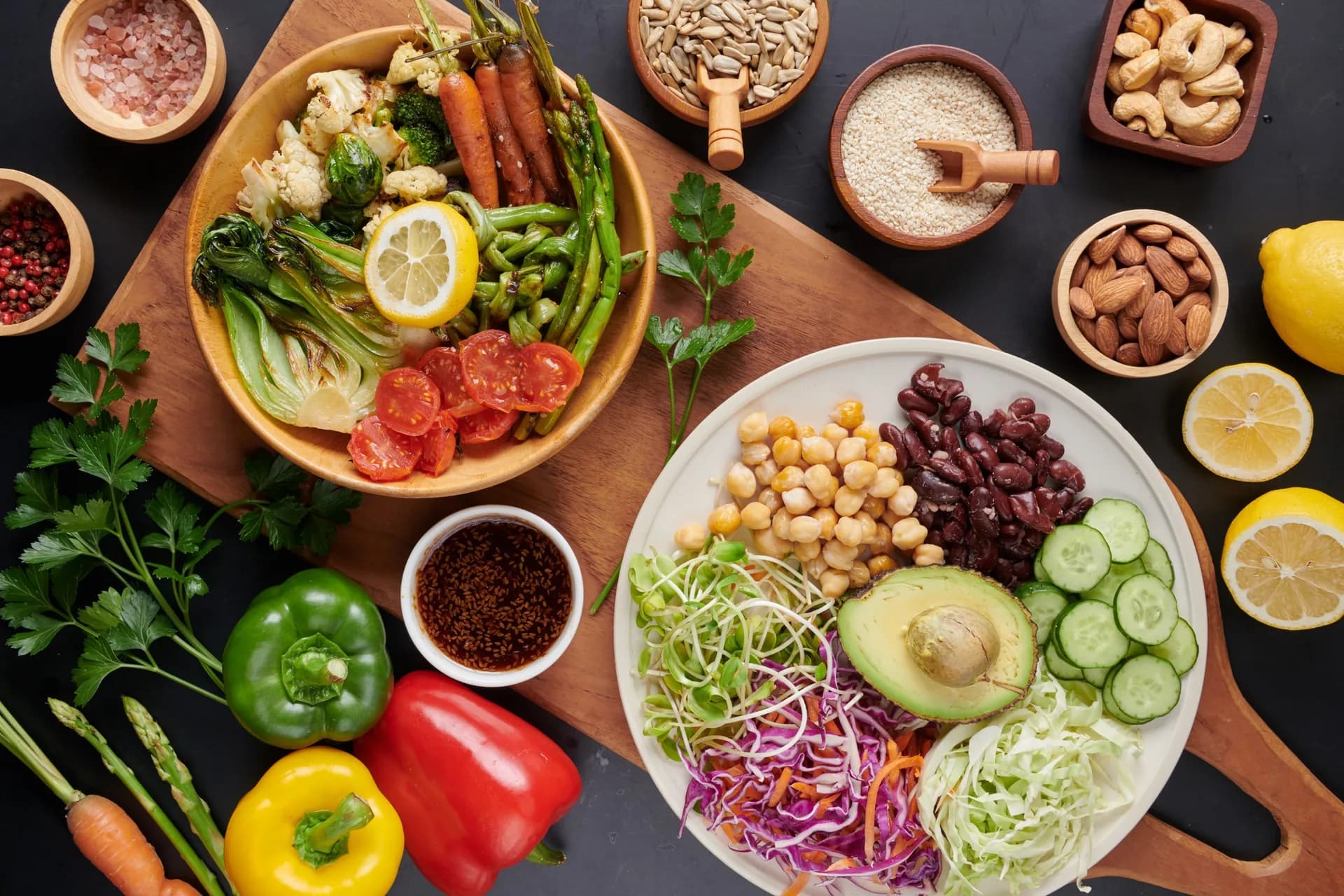
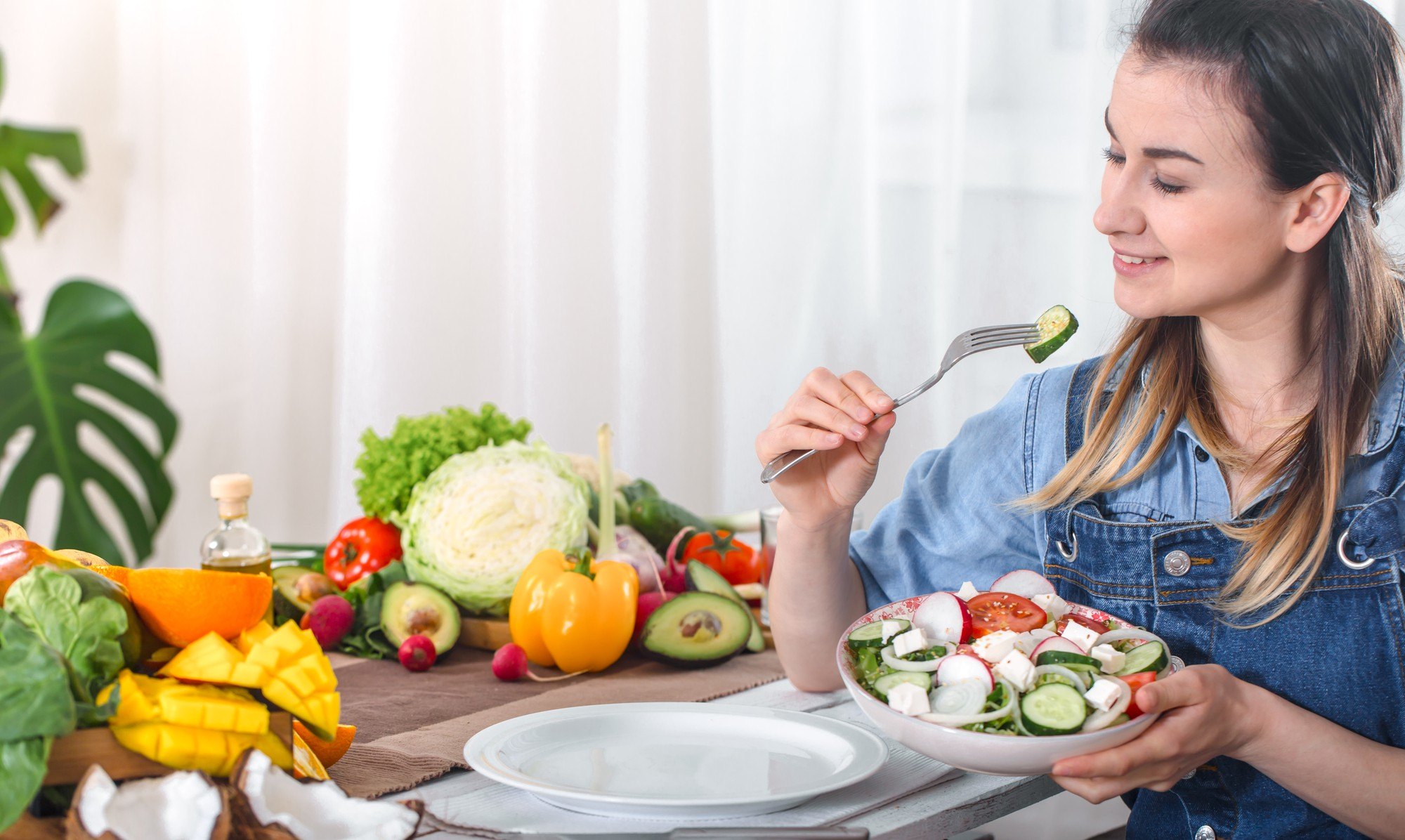
A colourful assortment of healthy foods ideal for pregnancy, including fresh fruits, vegetables, whole grains, dairy and protein-rich options, highlighting balanced nutrition for maternal health.
On rice: Many women with GDM are told to eliminate rice entirely. This is not necessary for most women and is culturally unrealistic for South Indian women in particular. The approach is: smaller portions, paired with a large dal and vegetables, eaten after rather than before the rest of the meal. Eating protein and vegetables first, then the rice at the end of the meal, reduces the glycemic impact significantly.
4. Protein (Include at Every Meal and Snack)
Protein does not raise blood sugar. Including a protein source with every meal and snack helps stabilise glucose levels by slowing the absorption of any carbohydrates eaten alongside.
Vegetarian protein sources for GDM: Dals, rajma, chana, tofu, paneer (in moderation — full-fat paneer in small amounts), curd, soya chunks, eggs.
Non-vegetarian: Eggs (excellent — no impact on blood sugar), fish (low GI, high protein), chicken (without skin, well-cooked). Avoid processed meats.
5. Healthy Fats (In Moderation)
Healthy fats — from nuts, seeds, ghee in cooking quantities, olive oil — slow digestion and reduce the glycemic impact of meals without raising blood sugar. They are a useful component of a GDM diet.
Avoid: Vanaspati ghee, excessive ghee, deep-fried foods, packaged foods containing trans fats. These worsen insulin resistance.
6. Dairy — Full-Fat and Fermented Options
Full-fat curd (dahi) and buttermilk (chaas) are beneficial in GDM — they provide calcium and probiotics without a significant glycemic hit. The fermentation process in curd lowers the effective glycemic index compared to milk alone.
Milk itself has a moderate glycemic effect. Small amounts (one glass) are appropriate. Sweeten nothing.
What to Avoid or Minimise With Gestational Diabetes
1. High-GI Carbohydrates That Spike Blood Sugar Fastest
- White rice in large portions — particularly on its own without adequate protein and vegetable
- Maida (refined wheat flour) — breads, rotis, naan, puri, paratha with maida
- Potatoes in large quantities — a high-starch vegetable with significant GI impact, particularly boiled or mashed potato
- Corn and cornflour products — higher GI
- Packaged cereals and instant oats — often processed in ways that raise their GI significantly versus whole grain oats
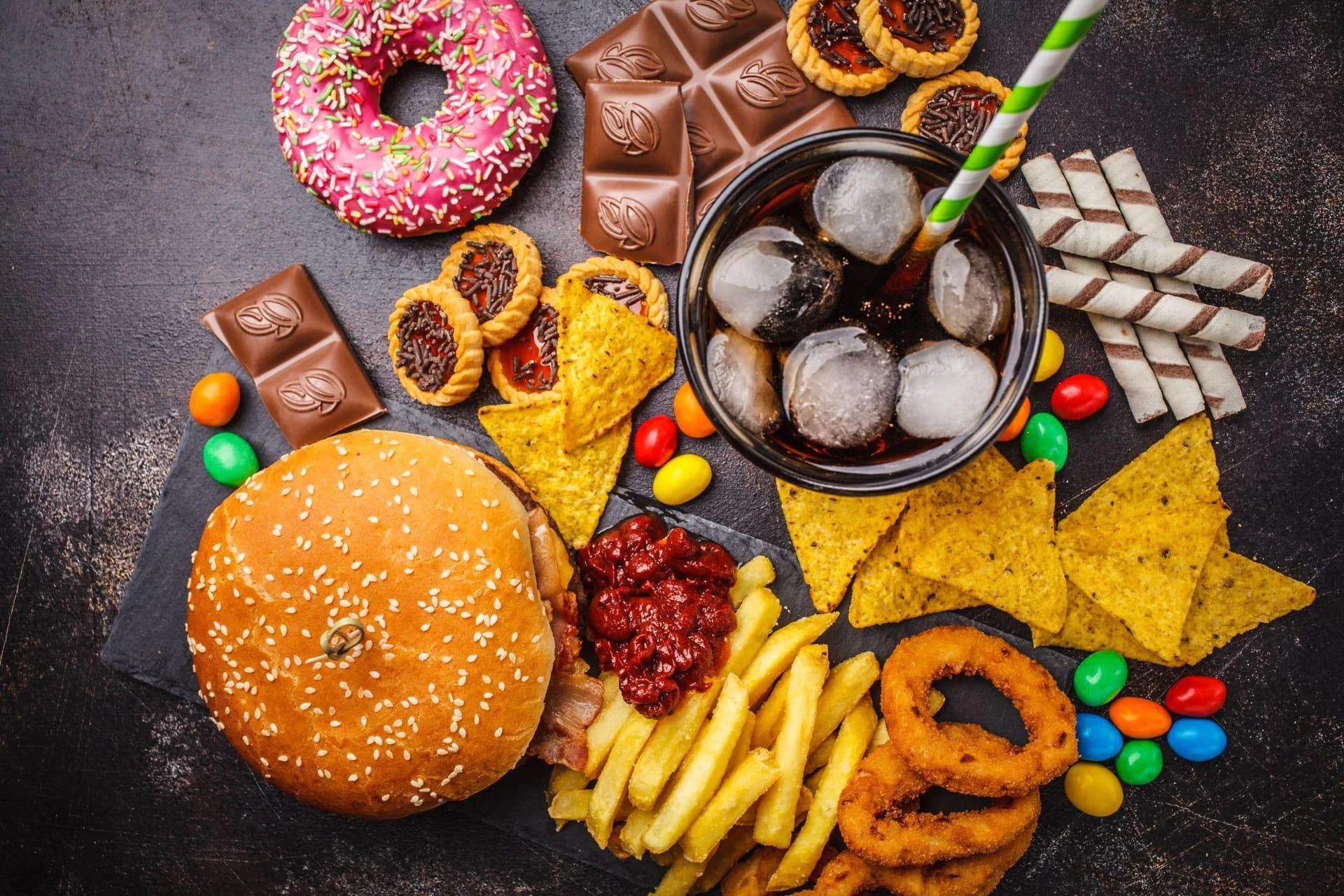
2. Sugary Foods and Drinks
- Sugar in all forms — refined sugar, mithai, sweets, sugary biscuits
- Fruit juices — even fresh fruit juice. The fibre removal dramatically increases the glycemic impact. Eat whole fruit instead.
- Soft drinks and cola — high sugar, no nutrition
- Commercial flavoured curd, lassi with sugar, milkshakes — often contain significant added sugar
3. Common Indian Culprits to Watch
- Aloo sabzi as a main dish — potato is high GI; have a small amount as part of a mixed sabzi, not as the primary vegetable
- White bread sandwiches — replace with whole wheat or multigrain
- Upma made with semolina (rava) — rava has a relatively high GI; switch to oats upma or broken wheat upma
- Sabudana (tapioca) — very high GI; avoid during GDM, particularly for meal items
- Rice kheer, payasam, halwa — high sugar and high GI; avoid
Meal Timing and Structure — As Important as Food Choices
How you eat matters as much as what you eat in gestational diabetes.
1. Never skip meals.
Fasting causes blood sugar to drop and then spike when you do eat — the variability is as problematic as consistent high readings. Three main meals and two to three snacks are the standard structure.
2. Eat every 2 to 3 hours.
Smaller, more frequent meals prevent large blood sugar swings. The goal is stable, gradual glucose rise and fall — not sharp peaks and valleys.
3. Keep breakfast relatively low in carbohydrates.
Blood sugar tends to be most elevated in the morning due to the "dawn phenomenon" — cortisol and growth hormone released overnight make cells more insulin-resistant in the early morning. A breakfast heavy in carbohydrates often produces the worst blood sugar readings of the day. Prioritise protein at breakfast.
4. Eat carbohydrates last at each meal.
Research suggests that eating protein and vegetables before the carbohydrate portion of a meal reduces the post-meal blood sugar spike. Have your dal and sabzi first, then the roti or rice at the end.
5. Walk for 10 to 15 minutes after meals.
Post-meal walking is one of the most effective non-dietary interventions for managing blood sugar in GDM. Even a slow walk around the home significantly improves glucose uptake after eating.
A Sample Gestational Diabetes Meal Day — Indian Vegetarian
Early morning (on waking): A glass of warm water. A handful of soaked almonds (protein and healthy fat to start the morning without spiking glucose).
Breakfast: Two-egg omelette with vegetables, OR moong dal chilla (2 pieces) with mint chutney, OR oats porridge (cooked with milk, no sugar, with a small amount of jaggery if needed, topped with nuts). Keep the carbohydrate portion small at breakfast.
Mid-morning snack: A handful of roasted chana, OR a small bowl of full-fat curd, OR 2 to 3 dates with 4 to 5 walnuts.
Lunch: Plenty of vegetables first (palak sabzi, bhindi, any low-starch vegetable). Then 1 cup of chana dal or rajma. Then 1 to 2 whole wheat rotis OR a small portion of brown rice (not both). Always finish with a bowl of curd (no sugar).
Afternoon snack: Roasted makhana OR a boiled egg OR a small bowl of sprout salad (lightly cooked sprouts with lemon, tomato, and cucumber).
Evening snack: A glass of chaas (plain buttermilk, no sugar) OR a handful of mixed nuts.
Dinner: Keep dinner moderate. Similar structure to lunch — vegetable first, protein (dal or paneer in small amount), then a small portion of grain. Finish at least 2 hours before sleeping.
Bedtime (if needed): A small protein snack — a boiled egg, or a handful of nuts — can prevent overnight blood sugar drops and morning spikes. Discuss with your gynecologist whether this is appropriate for you.
Monitoring Blood Sugar — The Feedback Loop
A gestational diabetes diet works best when paired with regular blood sugar monitoring. Your gynecologist will advise the specific targets and monitoring schedule based on your individual glucose readings.
Standard monitoring includes checking:
- Fasting blood sugar (on waking, before eating)
- Post-meal blood sugar (1 to 2 hours after the start of a meal)
These readings tell you which meals are working and which are causing spikes — information that lets you adjust portions and food choices specifically.
If blood sugar remains elevated despite good dietary adherence, medication (metformin or insulin) may be added. This is not a failure — it means the body's insulin resistance is too significant for diet alone to compensate, and medication fills the gap.
After Delivery — What Happens to Gestational Diabetes?
For most women, gestational diabetes resolves after delivery. Blood sugar typically returns to normal within a few weeks as pregnancy hormones clear.
However, having had gestational diabetes means a significantly elevated risk of developing type 2 diabetes later in life — estimates suggest 30 to 50% of women with GDM develop type 2 diabetes within 10 years. A blood sugar test at 6 to 12 weeks postpartum is recommended to confirm GDM has resolved. Annual or biennial testing thereafter is advisable.
The dietary habits developed during GDM — more vegetables, more protein, less refined carbohydrate — are the same habits that reduce type 2 diabetes risk. This is one silver lining: GDM often prompts lasting dietary improvement.
Gestational Diabetes Management in Noida and Greater Noida
Gestational diabetes requires active medical monitoring alongside dietary management. It is not a condition to self-manage entirely on advice from the internet or family.
Dr. Shachi Singh at Prakash Hospital, Sector 33, Noida, manages gestational diabetes as part of comprehensive high-risk pregnancy care for women across Noida and Greater Noida. This includes glucose monitoring guidance, personalised dietary advice, medication management where needed, and regular fetal monitoring to ensure optimal pregnancy outcomes.
If you have been diagnosed with GDM or are in a high-risk group, a detailed consultation is the right next step.
To book a consultation with Dr. Shachi Singh, call: +91 97023 46853
Clinic Hours: Monday to Saturday, 9 AM – 6 PM | Sunday, 10 AM – 2 PM
Clinic Address: D-12A, 12B, Sector-33, G.B. Nagar, Noida, Uttar Pradesh 201301
Frequently Asked Questions
1. Can I eat rice with gestational diabetes?
Yes — in smaller portions, paired with large amounts of vegetables and dal, and ideally eaten after the protein and vegetable portions of the meal. Brown rice has a lower GI than white rice. Rice does not need to be eliminated, but portion control matters significantly.
2. What is the best Indian breakfast for gestational diabetes?
A breakfast high in protein and low in simple carbohydrates. Moong dal chilla, egg omelette with vegetables, oats porridge with nuts (no sugar), or a ragi dosa are all good choices. Avoid fruit juices, white bread, and high-sugar options at breakfast.
3. Can I eat fruits with gestational diabetes?
Yes — whole fruits, in moderation, spaced between meals rather than consumed as a large portion at one sitting. Berries, guava, oranges, and apples are lower-GI choices. Avoid mango in large quantities and completely avoid fruit juice (the removed fibre dramatically raises the GI).
4. How often should I check my blood sugar with GDM?
Your gynecologist will advise based on your readings and insulin requirement. Typically, fasting readings and 1 to 2 hour post-meal readings are the standard monitoring approach. More frequent testing may be recommended if readings are unstable.
5. Will my baby be okay if I have gestational diabetes?
With good blood sugar control through diet, activity, and medication when needed, outcomes for babies of women with well-managed GDM are very close to those of non-diabetic pregnancies. Regular fetal monitoring — growth scans, non-stress tests in the third trimester — helps ensure everything is progressing well.
This blog is written for educational and informational purposes only. Gestational diabetes requires individual medical management. Please consult Dr. Shachi Singh or a qualified gynecologist for a personalised management plan based on your specific glucose readings and pregnancy situation.