When Should You Visit A Gynecologist? A Complete Guide

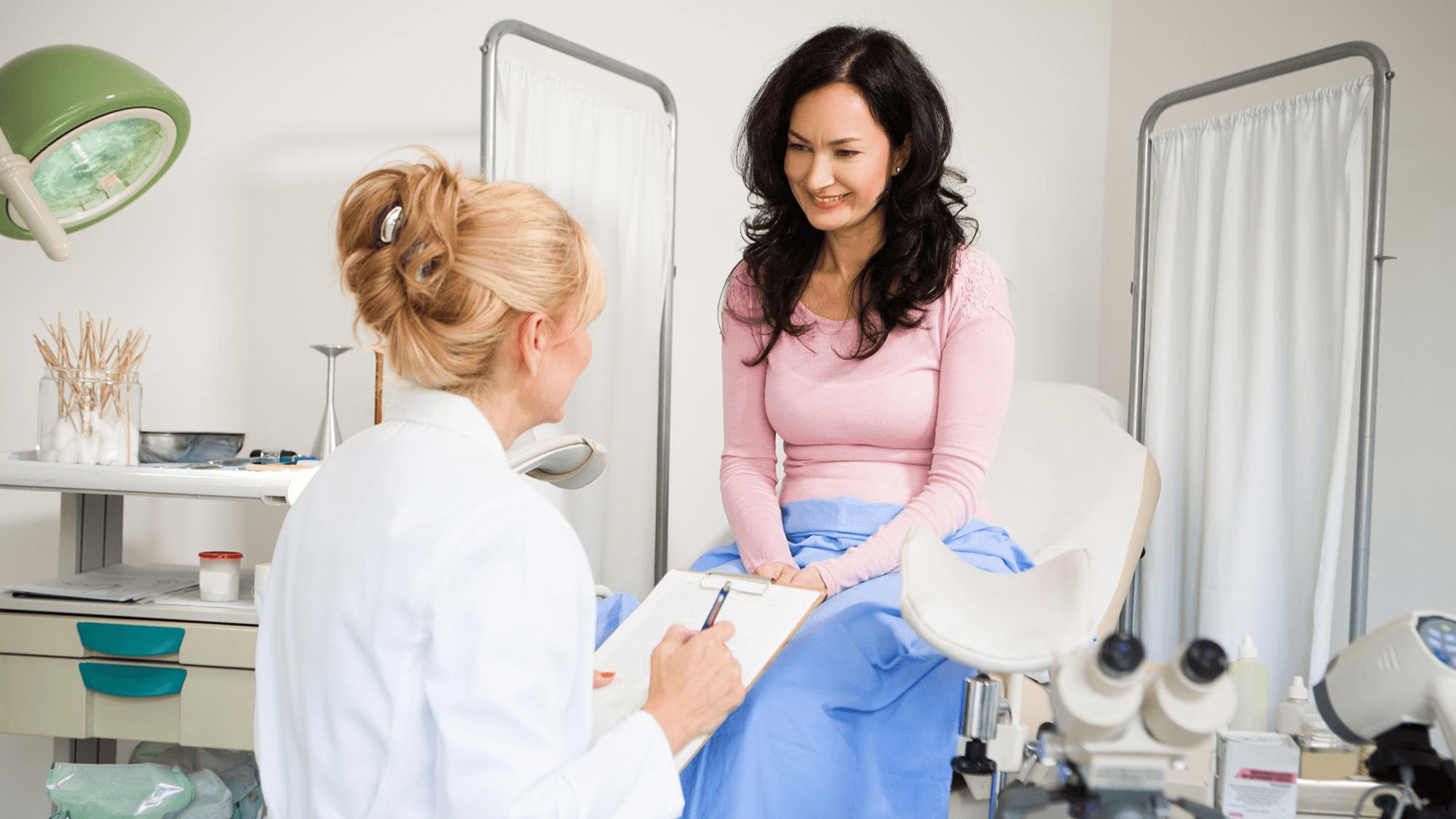
A gynecologist helping a patient to understand reproductive organ.
A lot of people think women only see gynecologists when they’re pregnant. That’s a common myth. Gynecological care matters long before and long after one thinks they might need it, starting with the first period and carrying all the way through menopause.
Gynecologists handle way more than just pregnancy checkups. They look after reproductive health, help keep the hormones in balance, check up on the menstrual cycle, talk about sexual wellness, and run important screenings. When one checks in regularly, they can catch issues early, manage any symptoms, and keep feeling their best in the long run.
So, when should one make that appointment? This guide breaks down the timing, the kinds of problems gynecologists handle, and why seeing them regularly makes a real difference for your overall health.
What Does A Gynecologist Do?
A gynecologist looks after women’s reproductive health. They check on everything from the uterus and ovaries to the cervix, vagina, and even the breasts.
Gynecologists do more than handle problems as they show up. They help with regular check-ups, answer questions, and give advice to keep things running smoothly. Whether it’s a routine exam or something more complicated with hormones or fertility, they’re there to guide and support women through every stage of life.
Difference between A Gynecologist And An OB/GYN
People toss around “gynecologist” and “OB/GYN” like they mean the same thing, but there’s a bit more to it. A gynecologist deals with women’s reproductive health, birth control, and anything not related to pregnancy.
An OB/GYN, though, wears two hats. They’re trained in both gynecology and obstetrics, which means they handle pregnancy, delivery, and what comes after, too. Every OB/GYN is a gynecologist, but not every gynecologist delivers babies. Lots of doctors train in both areas, so you’ll often see OB/GYN as a single, all-in-one specialty.
When Should Someone See A Gynecologist For The First Time?
According to the American College of Obstetricians and Gynecologists, teens should go for their first visit somewhere between 13 and 15. Usually, this first appointment is just a conversation, no pelvic exam unless there’s a specific reason. The main thing is to help teens feel comfortable, answer questions about puberty, periods, or sex, and give them a safe place to talk about anything on their mind when it comes to their health.
Key Symptoms And Life Stages
A yearly checkup with your gynecologist is good, but it’s not always enough. Sometimes, the body throws up red flags, or one hits a big life change, and that’s when one really needs to book an appointment.
Menstrual And Bleeding Concerns
Your menstrual cycle says a lot about your health. If anything about it suddenly shifts or just feels off, don’t ignore it.
Extremely Painful Periods (Dysmenorrhea)
A little cramping is normal, but pain that knocks one out of work, school, or even social events? That’s not okay. It could point to things like endometriosis or fibroids. So don’t just tough it out.
Irregular Menstrual Cycles
If the periods are always super long (over 35 days), super short (under 21), or just disappear (and one is not pregnant, breastfeeding, or in menopause), it’s time to get checked. Things like PCOS or thyroid problems might be messing with the hormones.
Heavy Menstrual Bleeding (Menorrhagia)
Bleeding so much that one is soaking through a pad or tampon every hour for several hours, passing big clots, or bleeding for more than a week, those are all reasons to call the doctor.
Pain And Discomfort
If one keeps feeling pain in the pelvis, during sex, or when one pees, something’s up. Don’t ignore it. It might be an infection, a cyst, or something else going on that needs attention.

A woman sitting on the floor, holding her stomach due to cramps or maybe pain from PCOS.
Sexual And Reproductive Health
A few things here: If one notices new or weird discharge, a strange smell, or itching, one could have an infection like bacterial vaginosis or a yeast infection. If one is sexually active, regular STI testing just makes sense. And if one wants to talk about birth control, planning a family, or getting ready to try for a baby, the gynecologist is the one to help.
Breast Health Changes
Found a new lump? Skin dimpling? Changes in your nipple? Redness or swelling that wasn’t there before? Don’t wait, book an appointment.
Life Transitions: Preconception, Pregnancy, And Menopause
Big changes like planning a pregnancy, being pregnant, or going through menopause? A gynecologist or OB/GYN helps one through all of it. They’re there to help one manage symptoms, answer questions, and keep them healthy every step of the way.
Understanding of Pap Smears And Pelvic Exams
- A Pap smear checks for cervical cancer. The doctor gently collects a few cells from the cervix and sends them off to a lab. Most people should get their first Pap at 21, then repeat every three to five years, depending on age and past results.
- A Pelvic exam is a little different. Here, the doctor examines the uterus, ovaries, and cervix. They’re looking out for anything unusual. One probably doesn’t need a pelvic exam every year, how often one needs it really depends on one's health, age, and if one has any symptoms. It’s always good to ask the doctor what’s right.
Your Gynecological Health Checklist
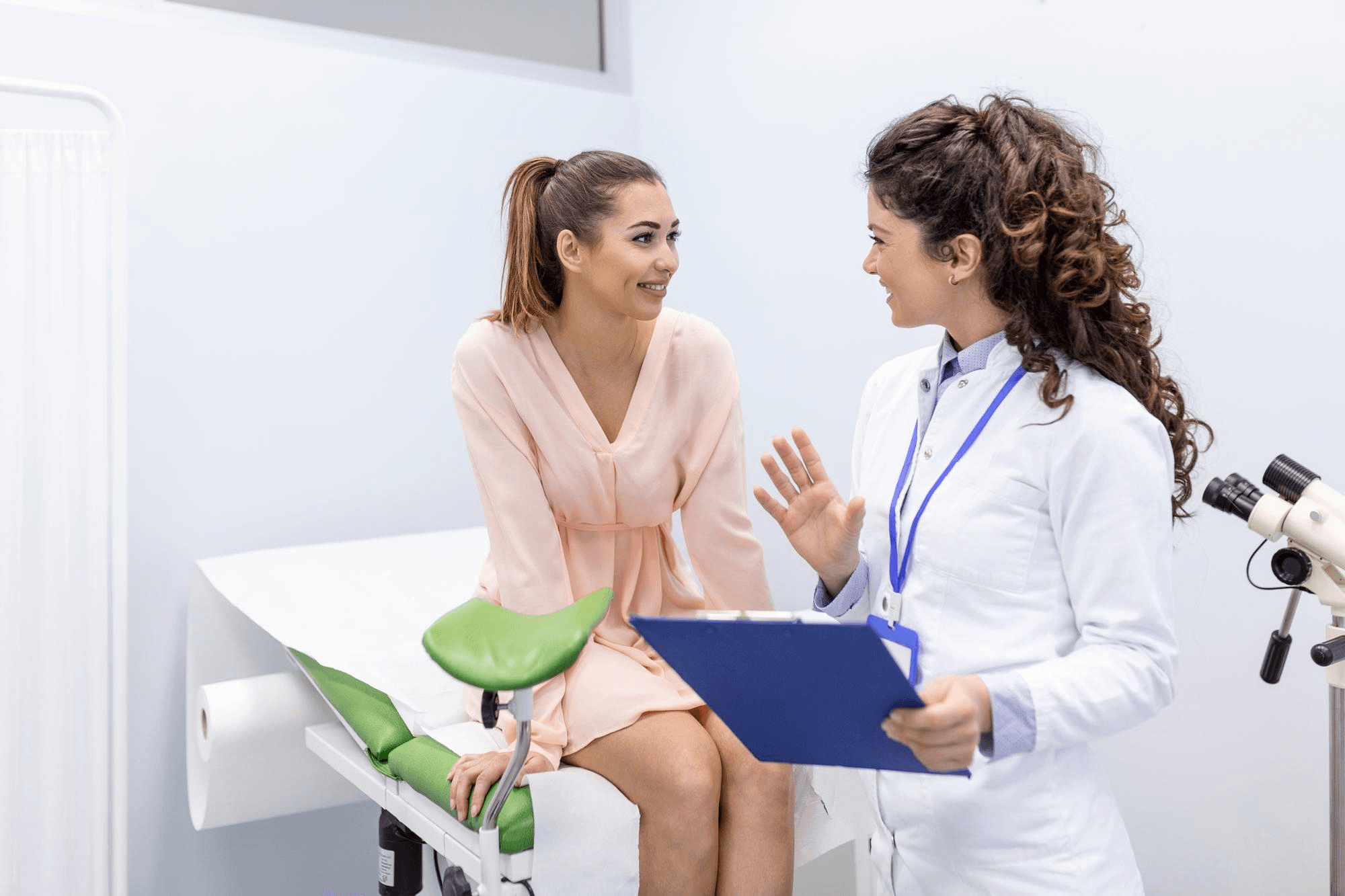
A gynecologist discussing menstrual health and the importance of routine check-up to her patient.
Start Young
Try to get a first gynecologist visit in the early teens, around 13 to 15. It’s a good way to set oneself up for better health down the road.
Make It A Habit
Go for a yearly checkup, even if one feels totally fine. Sometimes things pop up that one won’t notice right away.
Pay Attention To The Body
If one is dealing with bad pelvic pain, weird periods, or bleeding that doesn’t seem right, talk to the doctor. Don’t brush it off.
Stay On Top Of Prevention
Get Pap smears and STI tests when the doctor recommends them. These screenings really matter.
Don’t Hold Back
The gynecologist is there for everything: ask questions, share concerns, and be open about what’s going on with your health.
Gynecologists help with sexual health, birth control, breast health, and major life changes like menopause. If the doctor doesn’t make one feel comfortable, they can always look for someone who does. Care should feel right for everyone in need.
Final Thought
Visiting the gynecologist is about taking care of oneself, no matter how old one is. These visits help catch issues early, manage symptoms, and give one solid information so one can make smart choices about their health. When one actually listens to their body and doesn’t skip appointments, they are giving themselves the best chance to feel good and stay on top of things at every stage of life.
Finding the right gynecologist really comes down to trust and feeling at ease. Dr. Shachi Singh stands out here as she’s an experienced Obstetrician, Gynecologist, and Laparoscopic Surgeon, but more than that, she’s known for her caring, patient-first approach. Her care is personal, expert, and truly gets what women need. So, go ahead and take that first step toward healthcare that actually understands everyone, because everyone deserves that kind of care.