Foods That Boost Female Fertility: What to Eat When You're Trying to Conceive
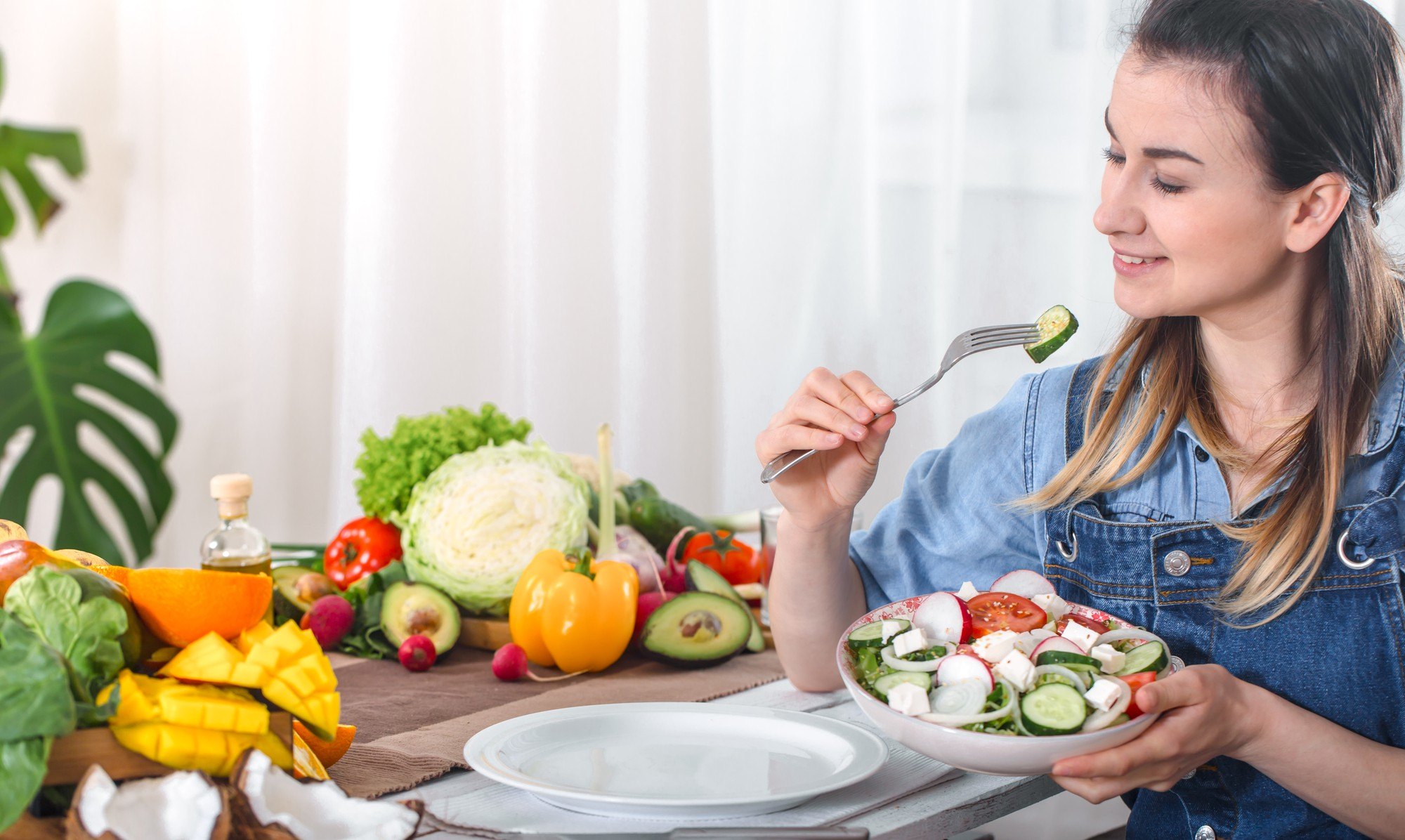
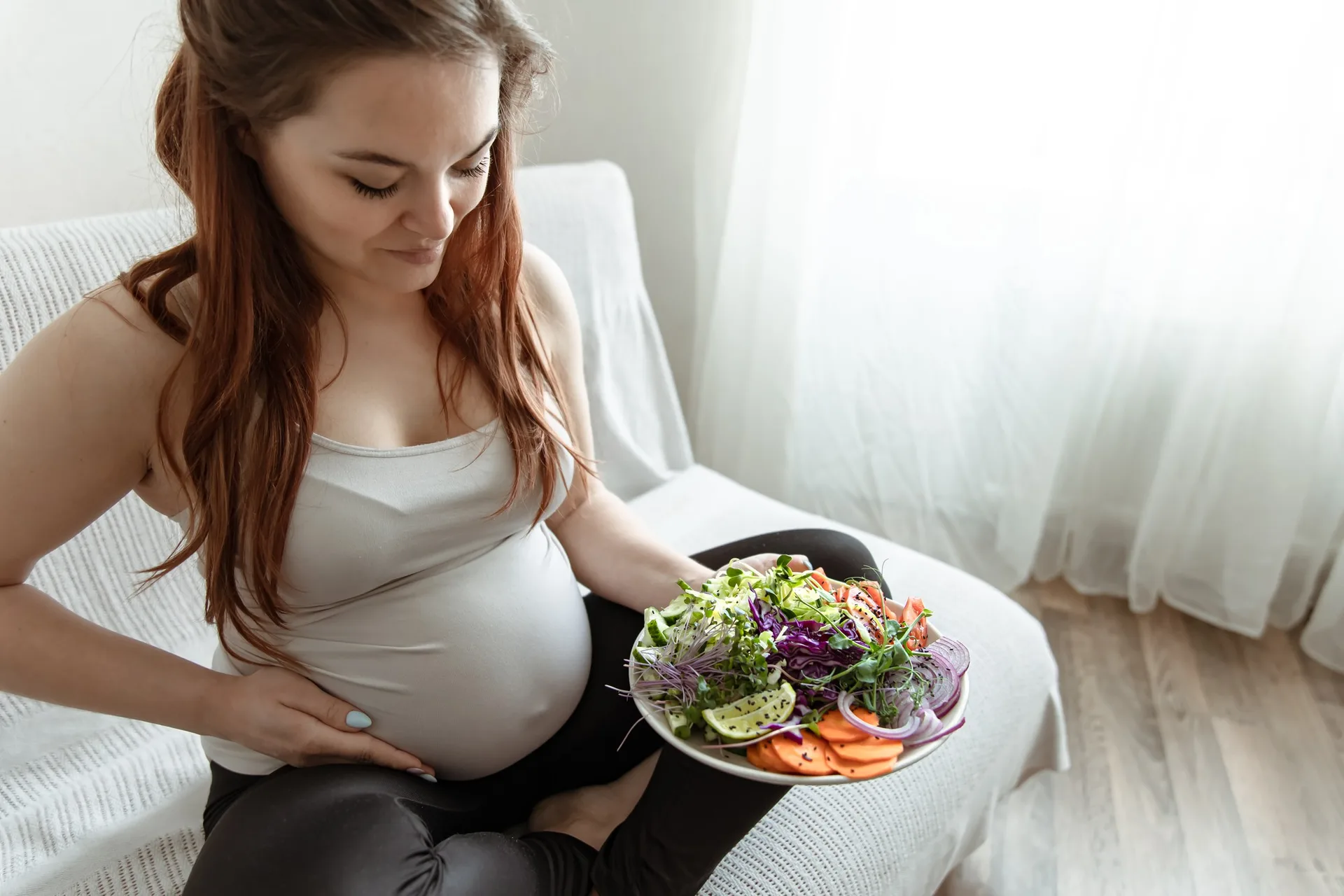
A woman enjoying a fresh veggie salad, surrounded by fruits, avocados, and greens, foods that naturally boost fertility and balance hormones.
When you are trying to get pregnant, the advice comes from everywhere. Relatives, colleagues, the internet. Most of it is contradictory, some of it is outdated, and very little of it is grounded in what the science actually shows.
The truth is that diet genuinely matters for fertility — not as a magic solution, not as a substitute for medical care when medical care is needed, but as a real, modifiable factor that influences egg quality, ovulation, hormonal balance, uterine health, and ultimately the environment in which a new life begins. A growing body of research supports this clearly.
The other truth is that India already has one of the richest, most nutrient-dense food traditions in the world. You do not need to import quinoa or take twenty supplements to eat for fertility. A well-constructed Indian diet — using foods available in every local market — provides most of what the body needs to support conception.
Dr. Shachi Singh, senior gynecologist and infertility specialist at Prakash Hospital, Sector 33, Noida, regularly guides women across Noida and Greater Noida through preconception nutrition as part of their fertility care. This comprehensive guide covers the key nutrients that support female fertility, the best Indian foods that deliver them, what to eat and what to limit, and how long it takes for dietary changes to make a difference.
Why Does Food Affect Female Fertility?
An egg takes approximately 90 days to mature from its earliest stage to ovulation. During those three months, everything the egg needs for healthy development — the cellular machinery, the DNA integrity, the mitochondrial energy that drives fertilisation — is influenced by the nutritional environment of the body.
Nutrition affects fertility in several interconnected ways:
1. Egg quality
The quality of an egg (its chromosome accuracy, its mitochondrial health, its ability to be fertilised and develop into a viable embryo) is directly influenced by oxidative stress, inflammation, and micronutrient availability in the weeks and months before ovulation.
2. Ovulation regularity
Hormones that drive ovulation — FSH, LH, oestrogen, and progesterone — are all synthesised from nutritional building blocks. Deficiencies or excesses in certain nutrients disrupt this hormonal sequence.
3. Uterine environment
The health of the uterine lining, its thickness and receptivity, and the inflammatory state of the pelvis all affect whether a fertilised egg successfully implants.
4. Insulin and blood sugar balance
Insulin resistance — driven significantly by diet — is one of the primary mechanisms behind PCOS, which is the most common cause of ovulatory infertility in Indian women. Diet that improves insulin sensitivity directly improves ovulation in women with PCOS.
5. Inflammation
Chronic low-grade inflammation, driven by processed food, excess sugar, and certain dietary fats, impairs reproductive organ function. Anti-inflammatory eating patterns have been associated with better fertility outcomes across multiple studies.
The Key Nutrients for Female Fertility — and Why Each Matters
Before listing specific foods, understanding which nutrients matter most helps you make choices with intention.
1. Folate (Vitamin B9)
Folate is critical from the moment of conception — it supports healthy cell division and the formation of the neural tube in the earliest weeks of fetal development, often before a woman even knows she is pregnant. Higher folate levels are associated with higher rates of successful implantation and clinical pregnancy in research on assisted reproduction. Folate also improves egg quality by supporting proper chromosome division during egg maturation.
Indian sources: Palak (spinach), methi (fenugreek leaves), all dals and legumes, whole grains, eggs, oranges, amla (Indian gooseberry).
2. Iron
Iron has two fertility roles. First, the body needs iron for haemoglobin production — women who are anaemic have disrupted oxygen delivery to the ovaries and uterus. Second, iron deficiency has been directly linked to anovulation — cycles in which no egg is released. Correcting iron deficiency has been shown to restore ovulation in some women.
Plant-based iron (non-haem iron) is the form found in dals, green vegetables, and jaggery. It is less readily absorbed than animal-source iron but is significantly improved when consumed alongside Vitamin C — a squeeze of lemon on your dal or amla with your palak makes a real difference to iron absorption.
Indian sources: Rajma, chana, whole masoor dal, palak, methi, dates (khajoor), jaggery (gur), sesame seeds (til), horse gram (kulthi dal).
3. Omega-3 Fatty Acids (DHA and EPA)
Omega-3 fats reduce inflammation throughout the body — including in the reproductive tract. They support healthy blood flow to the uterus, help regulate ovulation-related hormones, and contribute to the structural integrity of cell membranes, including the membrane of the egg cell itself. Research suggests omega-3 intake is associated with better egg quality and improved implantation rates.
Indian sources: Walnuts (akhrot — the richest plant-based omega-3 source), flaxseeds (alsi), chia seeds, mustard oil (used widely in Bengali and North Indian cooking — contains alpha-linolenic acid, an omega-3). For non-vegetarians: mackerel (bangra), sardines (tarla), rohu, and catla fish — all Indian varieties — are good sources.
4. Antioxidants — Vitamins C, E, and Beyond
Antioxidants protect eggs from oxidative stress — the cellular damage caused by free radicals that accumulates with age, illness, environmental pollutants, and poor diet. Every egg that matures goes through a period of vulnerability where oxidative stress can damage chromosomes and mitochondrial function. A diet rich in antioxidants provides a protective shield during this window.
Vitamin C, Vitamin E, selenium, zinc, lycopene, and a range of plant compounds called phytonutrients all serve as antioxidants. Research on fertility consistently shows that higher antioxidant intake is associated with better egg quality and ovarian reserve.
Indian sources: Amla (one of the highest sources of Vitamin C in any food globally), guava (amrood), tomatoes (particularly cooked — cooking increases lycopene availability), pomegranate (anar), all berries, turmeric (haldi — contains curcumin, a potent anti-inflammatory antioxidant), all colourful vegetables.
5. Zinc
Zinc is essential for ovulation — it is concentrated in the follicle fluid surrounding a maturing egg, and adequate levels are required for the egg to complete its final maturation steps. Zinc also supports proper cell division after fertilisation. Deficiency is associated with poor egg quality and irregular cycles.
Indian sources: Sesame seeds, pumpkin seeds, cashews, pine nuts, whole wheat, Bengal gram (chana dal), oysters (for non-vegetarians).
6. Vitamin D
Vitamin D deficiency is almost ubiquitous among Indian women despite living in a sun-rich country — primarily because most women cover up for sun protection, spend the majority of the day indoors, and have naturally darker skin that requires more sun exposure to synthesise Vitamin D efficiently.
Vitamin D plays a direct role in ovarian function, follicle development, and the implantation of the fertilised egg. Low Vitamin D levels are associated with PCOS, poor ovarian response, and reduced IVF success rates. Many fertility specialists now include Vitamin D testing as a routine part of preconception assessment.
Indian food sources: Egg yolks, fortified milk, fatty fish. Food sources alone rarely provide adequate levels — supplementation under medical guidance is often necessary.
7. Protein
Adequate protein is needed for hormone synthesis, egg maturation, and the structural support of the uterine environment. Research from the Nurses' Health Study found that women who obtained more of their protein from plant sources had a significantly reduced risk of ovulatory infertility compared to those whose protein came predominantly from animal sources. This does not mean animal protein is harmful to fertility — but it does confirm that plant proteins (dals, legumes, soya) are highly appropriate for women trying to conceive.
Indian sources: All dals (especially chana dal, rajma, moong dal), paneer, curd, eggs, soya chunks, tofu.
8. Healthy Fats — Including Full-Fat Dairy
This one surprises most people. Research from the Nurses' Health Study — one of the longest-running studies on women's health — found that consuming full-fat dairy products (whole milk, full-fat curd, paneer) was associated with a lower risk of ovulatory infertility compared to consuming low-fat dairy products. The hormones naturally present in dairy are believed to be more intact in full-fat versions and may support the hormonal environment needed for ovulation.
This does not mean consuming excessive amounts of dairy — but it does suggest that switching to low-fat products when trying to conceive may not be advisable.
Healthy fats from avocados, olive oil, coconut oil (in moderation), and nuts support hormone synthesis and reduce inflammation.
The Best Indian Foods to Eat for Female Fertility
1. Dals and Legumes — The Cornerstone of the Indian Fertility Diet
No single food category is more important for female fertility in an Indian vegetarian diet than dals and legumes. Together they provide folate, iron, plant-based protein, zinc, and fibre in a single bowl.
- Moong dal — easy to digest, rich in folate and protein, particularly good during the preconception period
- Masoor dal (red lentils) — excellent iron source; add lemon while cooking to boost iron absorption
- Rajma (kidney beans) — high in iron, zinc, and folate
- Chana (chickpeas) — strong antioxidant profile, good source of zinc and iron
- Chana dal — rich in spermidine, a polyamine associated with fertility, and high in folate
Aim for two to three servings of dals or legumes per day. This is not difficult in a typical North Indian diet — dal at lunch, rajma or chhole at dinner, and a small bowl of sprouted moong as a snack is already three servings.
2. Palak (Spinach) and Other Leafy Greens
Palak is arguably the most fertility-supportive vegetable in the Indian kitchen. One cup of cooked spinach provides substantial folate, iron, calcium, Vitamin K, and antioxidants — a package of fertility nutrients in one simple sabzi.
Methi (fenugreek) is similarly rich in folate and has the added benefit of improving insulin sensitivity — directly relevant for women with PCOS. Bathua, sarson (mustard greens), and other seasonal leafy greens are similarly nutritious.
Eat leafy greens daily — in sabzis, dals, raita, or as a side dish.

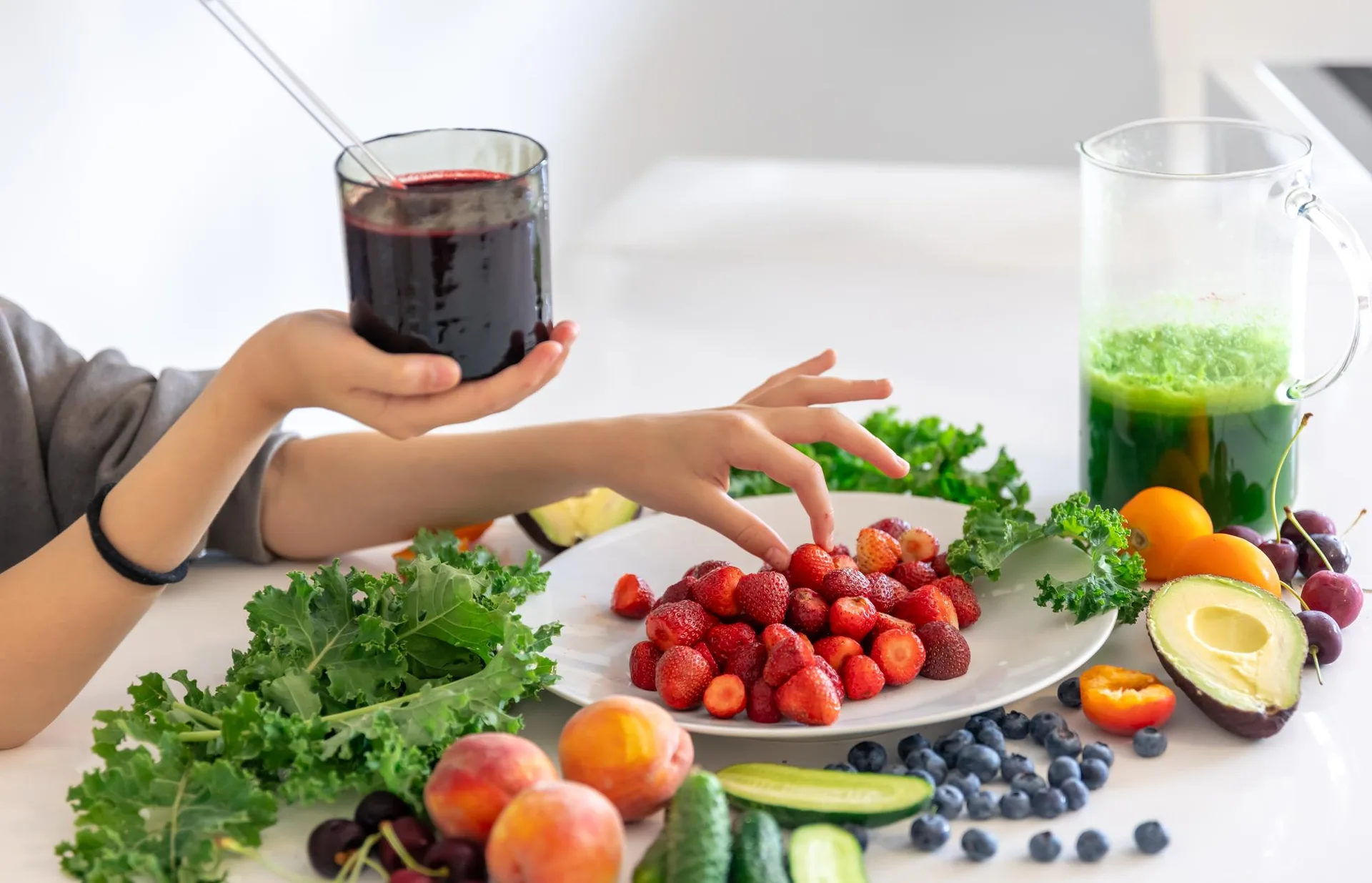
Woman eating fiber-rich fruits and leafy vegetables with fresh juices, promoting digestive health and hormonal balance during the menstrual cycle.
3. Walnuts (Akhrot)
Of all the nuts and seeds, walnuts deserve special mention for fertility. They are the richest plant-based source of ALA (alpha-linolenic acid — an omega-3 fatty acid), and one study specifically found that eating a handful of walnuts daily improved sperm quality in men after 12 weeks. For women, the omega-3 content supports healthy blood flow to the reproductive organs, reduces inflammation, and contributes to egg cell membrane quality.
A small handful of walnuts daily — soaked overnight for better absorption — is one of the simplest dietary additions for fertility.
4. Eggs
For non-vegetarian women, eggs are one of the most complete fertility foods available. They provide choline (essential for embryo development and often missing even from prenatal supplements), Vitamin D, high-quality protein, omega-3 fatty acids (particularly in omega-3-enriched eggs), and Vitamin B12. The yolk is where most of the fertility nutrients live — do not discard it.
5. Amla (Indian Gooseberry)
Amla contains more Vitamin C per serving than almost any other food in the world. Vitamin C is a potent antioxidant that protects eggs from oxidative damage, supports the development of the corpus luteum (the structure that produces progesterone after ovulation), and improves iron absorption from plant sources.
Fresh amla, amla juice (without added sugar), or amla in murabba form (though murabba contains added sugar) are all accessible ways to include it. One fresh amla daily is a powerful fertility habit.
6. Pomegranate (Anar)
Pomegranate is rich in antioxidants — including punicalagins and anthocyanins — that are specifically associated with improved blood flow to the uterus and better uterine lining quality. Traditional Ayurvedic practice has always included pomegranate in preconception diets, and there is emerging scientific support for its role in improving uterine receptivity.
Have fresh anar seeds daily during the preconception period, or drink fresh pomegranate juice (without added sugar).
7. Sesame Seeds and Flaxseeds
Sesame seeds (til) are an often-overlooked fertility food. They are rich in zinc, calcium, iron, and healthy fats — a combination directly relevant to ovulation and egg maturation. A tablespoon of til in your dal, sprinkled on salads, or as a chutney is an easy daily addition.
Flaxseeds (alsi) provide plant-based omega-3 fatty acids and phytoestrogens — plant compounds that may help balance oestrogen levels. Ground flaxseed is better absorbed than whole seeds. Add a teaspoon to your roti atta, your dal, or your morning curd.
8. Turmeric (Haldi)
Curcumin — the active compound in turmeric — is one of the most studied anti-inflammatory compounds in natural medicine. Chronic pelvic inflammation is a barrier to implantation and contributes to conditions like endometriosis and PCOS that impair fertility. Regular inclusion of turmeric in cooking (as virtually every Indian kitchen already does) provides cumulative anti-inflammatory benefit.
A cup of warm haldi doodh (turmeric milk with a small amount of pepper, which dramatically increases curcumin absorption) in the evening is a simple, evidence-consistent fertility habit.
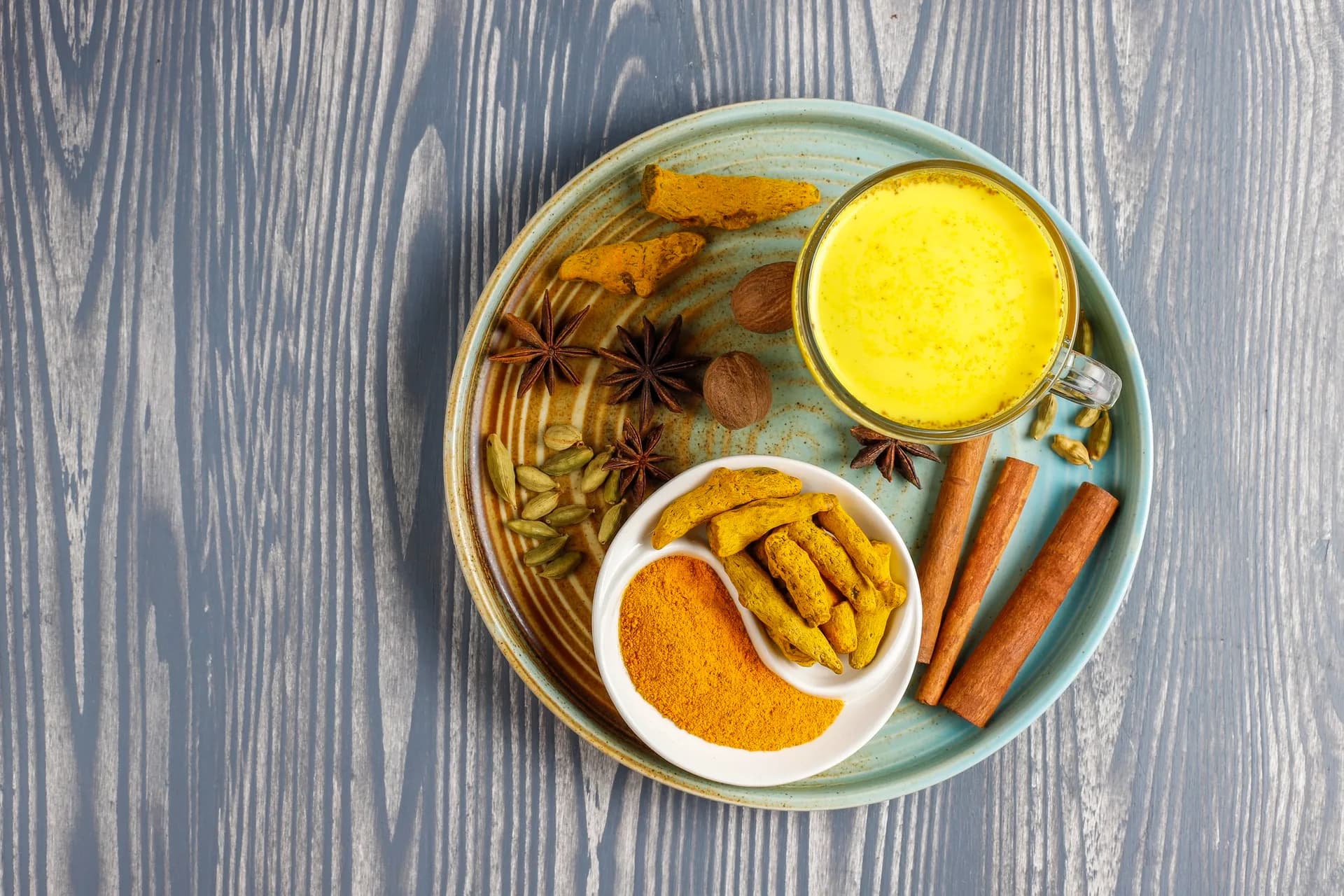
A display of vibrant spices including turmeric, cinnamon sticks and other colorful spices with health boosting properties.
9. Full-Fat Dairy — Milk, Paneer, Dahi
As noted earlier, full-fat dairy is associated with better ovulation outcomes compared to low-fat alternatives in women trying to conceive. One to two glasses of full-fat milk, a bowl of full-fat curd, and paneer in your daily meals provide calcium, Vitamin D (in fortified milk), protein, and the hormonal environment that supports ovulation.
Buttermilk (chaas) is also a valuable addition — it provides probiotics that support gut health, which is increasingly linked to hormonal balance.
Foods and Habits to Reduce or Avoid When Trying to Conceive
1. Refined Carbohydrates and Sugar
Foods that spike blood sugar rapidly — maida-based breads and biscuits, white rice in large quantities, packaged snacks, sugary drinks, mithai — drive insulin resistance. In women with PCOS or borderline insulin resistance (both extremely common in India), this directly disrupts ovulation. Replacing refined carbs with whole grains (atta roti, brown rice, dalia, ragi, oats) makes a measurable difference to cycle regularity and fertility outcomes.
2. Trans Fats
Found in vanaspati ghee, commercially fried foods, packaged biscuits, and certain namkeens. Trans fats are directly associated with ovulatory infertility in research. This is one of the clearest dietary-fertility links in the scientific literature. Avoid vanaspati; use pure ghee, mustard oil, cold-pressed coconut oil, or olive oil instead.
3. Excess Caffeine
Studies suggest that very high caffeine intake — more than 200 to 300 mg per day, equivalent to two to three strong cups of coffee — may slightly reduce fertility and increase miscarriage risk. One to two cups of tea or coffee per day is not a concern for most women, but excessive caffeine from multiple coffees, energy drinks, and caffeinated soft drinks is worth moderating.
4. Alcohol
There is no safe level of alcohol for women trying to conceive. Alcohol disrupts oestrogen metabolism, impairs egg quality, and is strongly associated with reduced fertility and increased early pregnancy loss. Avoid it entirely during the preconception period.
5. Processed and Ultra-Processed Foods
Ready-to-eat meals, instant noodles, packaged chips, commercial breads, and processed meats provide minimal nutrition and significant inflammatory and metabolic harm. During the preconception period, whole, home-cooked food is always the better choice.
How Long Before Dietary Changes Improve Fertility?
Because an egg takes approximately 90 days to complete its maturation cycle, the nutritional environment of the body during those 90 days directly influences that egg's quality.
This means:
- Dietary changes made today will be reflected in the eggs ovulating 3 months from now
- Starting a fertility-supportive diet at least 3 months before you begin actively trying to conceive gives your eggs the best possible nutritional environment during their entire maturation process
- This is also the standard recommendation for starting folic acid supplementation before conception
Consistency over several months matters far more than perfection on any single day.
When Diet Is Not Enough: Knowing When to See a Specialist
Diet is one modifiable factor in fertility. It is genuinely important. But it is not a replacement for medical evaluation when fertility challenges are more significant.
See a gynaecologist or infertility specialist if:
- You have been trying to conceive for 12 months without success (or 6 months if you are over 35)
- Your periods are irregular or absent, suggesting ovulation may not be occurring consistently
- You have a known condition like PCOS, endometriosis, thyroid disorder, or blocked tubes that is known to affect fertility
- You have experienced recurrent early pregnancy loss (two or more miscarriages)
- Your partner has been advised to investigate male factor infertility
Diet supports the journey — it is not a substitute for proper diagnosis and treatment when those are needed.
Fertility Care in Noida and Greater Noida
Dr. Shachi Singh at Prakash Hospital, Sector 33, Noida, provides comprehensive infertility evaluation and treatment for women across Noida and Greater Noida. Her services include fertility assessment, PCOS management, hormonal evaluation, ovulation induction, and preconception care — alongside the kind of honest, personalised guidance that goes beyond a standard consultation.
If you are trying to conceive and want to understand both the nutritional and medical picture of your fertility, this is the conversation to have.
To book a consultation with Dr. Shachi Singh, call: +91 97023 46853
Clinic Hours: Monday to Saturday, 9 AM – 6 PM | Sunday, 10 AM – 2 PM
Clinic Address: D-12A, 12B, Sector-33, G.B. Nagar, Noida, Uttar Pradesh 201301
Frequently Asked Questions
1. Which Indian foods most improve female fertility?
The strongest Indian fertility foods are dals and legumes (for folate and iron), palak and methi (for folate and iron), walnuts (for omega-3), amla (for Vitamin C), pomegranate (for antioxidants and uterine blood flow), sesame and flaxseeds (for zinc and omega-3), full-fat dairy (for calcium and hormonal support), and eggs (for choline and Vitamin D).
2. Can diet alone cure infertility?
No. Diet is one modifiable factor among several. It can improve egg quality, regulate ovulation, and support hormonal balance — but when infertility has an underlying medical cause (blocked tubes, male factor, severe PCOS, premature ovarian insufficiency), diet alone cannot address it. Medical evaluation is essential.
3. How long does it take for diet to improve egg quality?
Approximately 3 months — reflecting the time it takes for an egg to complete its full maturation cycle. Start dietary changes at least 3 months before you plan to begin trying to conceive for the best impact on egg quality.
4. Is it better to eat full-fat or low-fat dairy when trying to conceive?
Research suggests full-fat dairy is associated with better ovulation outcomes for women trying to conceive. This does not mean unlimited quantities, but it does suggest switching to low-fat alternatives during the preconception period may not be beneficial.
5. Should I start folic acid supplements before trying to conceive?
Yes. The standard medical recommendation is to start folic acid (400 mcg daily) at least one month — ideally three months — before you begin trying to conceive, and to continue throughout the first trimester. Discuss dosage with your gynaecologist, as some women (particularly those with a previous neural tube defect pregnancy) need higher doses.
6. Do superfoods or expensive supplements help fertility?
Some supplements — folic acid, Vitamin D (if deficient), omega-3 (if dietary intake is low), Coenzyme Q10 (for egg mitochondrial health) — have genuine evidence behind them. Many expensive "fertility supplements" sold online have minimal clinical evidence. Discuss supplementation with your gynaecologist rather than self-prescribing.
This blog is written for educational and informational purposes only. Diet is one component of fertility — not a standalone treatment. Please consult Dr. Shachi Singh or a qualified gynaecologist for a comprehensive fertility assessment and personalised guidance.