Foods to Eat During Pregnancy
A pregnant woman standing in the kitchen with nutritious fruits and vegetables.
Pregnancy flips your world upside down, especially when it comes to food and health. Your body shifts gears fast, hormones all over the place, your shape changing, and everything working overtime just to help your baby grow. What you eat really matters. The nutrients from your meals go straight to your baby, shaping things like their brain, bones, and immune system. You need a mix of protein, vitamins, minerals, healthy fats, and carbs.
That combo keeps your energy up and helps dodge problems like anemia, gestational diabetes, and just feeling wiped out. Eating well-rounded, nutritious meals helps you gain weight healthily and keeps both you and your baby feeling good.
Top 10 Healthy Foods for Pregnant Women
1.) Dairy Products
Dairy products like milk, yogurt, curd, and cheese pack in a lot of calcium, protein, and vitamin D. Calcium builds strong bones and teeth for the baby, and vitamin D helps the body actually use that calcium. If a pregnant woman skips out on calcium, her body just takes it from her own bones to give to the baby. That can set her up for osteoporosis down the road.
You can go for low-fat or full-fat dairy, depending on what works for you. If you’re lactose intolerant, no worries, fortified plant-based milks do the trick too.
- Recommended intake: Aim for 2 to 3 servings each day.
- How to consume: Pour yourself a glass of milk, have some cereal with milk, dig into a bowl of yogurt, or toss some shredded cheese into soups or casseroles.
2.) Eggs
Eggs pack a serious punch when it comes to nutrition, especially during pregnancy. They’re loaded with high-quality protein and all the right amino acids to help your baby grow and build strong tissues. It’s a big deal for brain development and helps lower the risk of neural tube defects. On top of that, you’ll get omega-3 fatty acids, which are great for your baby’s brain and eyesight.
- Recommended intake: Just one egg a day.
- How to consume: Whip up an omelet, toss a hard-boiled egg into your salad, or try a frittata. Just make sure the eggs are cooked through.
3.) Avocados

Milk, flour, eggs, etc., are kept on a table.
Avocados pack a serious punch when it comes to nutrition. They’re loaded with fiber and vitamins like B, K, C, and E, plus you get a good dose of potassium and copper. Those creamy monounsaturated fats help support a baby’s skin, brain, and tissue as they grow.
- Recommended intake: Just half a medium avocado each day.
- How to consume: Scoop some guacamole onto your toast, slice avocado over a salad, bake an egg right inside one, or roast a few slices for a warm snack.
4.) Whole Grains
Whole grains pack in complex carbs, fiber, B vitamins, magnesium, and iron. They keep your energy up, help with digestion, and make it easier to avoid constipation during pregnancy. They also steady your blood sugar and support healthy weight gain.
- Recommended intake: Aim for 2 to 3 servings a day.
- How to consume: Try whole wheat chapati, brown rice, a bowl of oats porridge, barley soup, or dishes made with millet.
5.) Fortified breakfast cereals
Fortified breakfast cereals make an easy and nutritious choice when you’re pregnant. They pack in key nutrients like iron, folic acid, calcium, and B vitamins, all important for your baby’s growth and for keeping anemia at bay.
- Recommended intake: Aim for a bowl a day, though it really depends on the kind of cereal you pick.
- How to consume: Pour on milk or spoon in some yogurt, toss on fresh fruit or nuts, or just mix them into your regular breakfast routine.
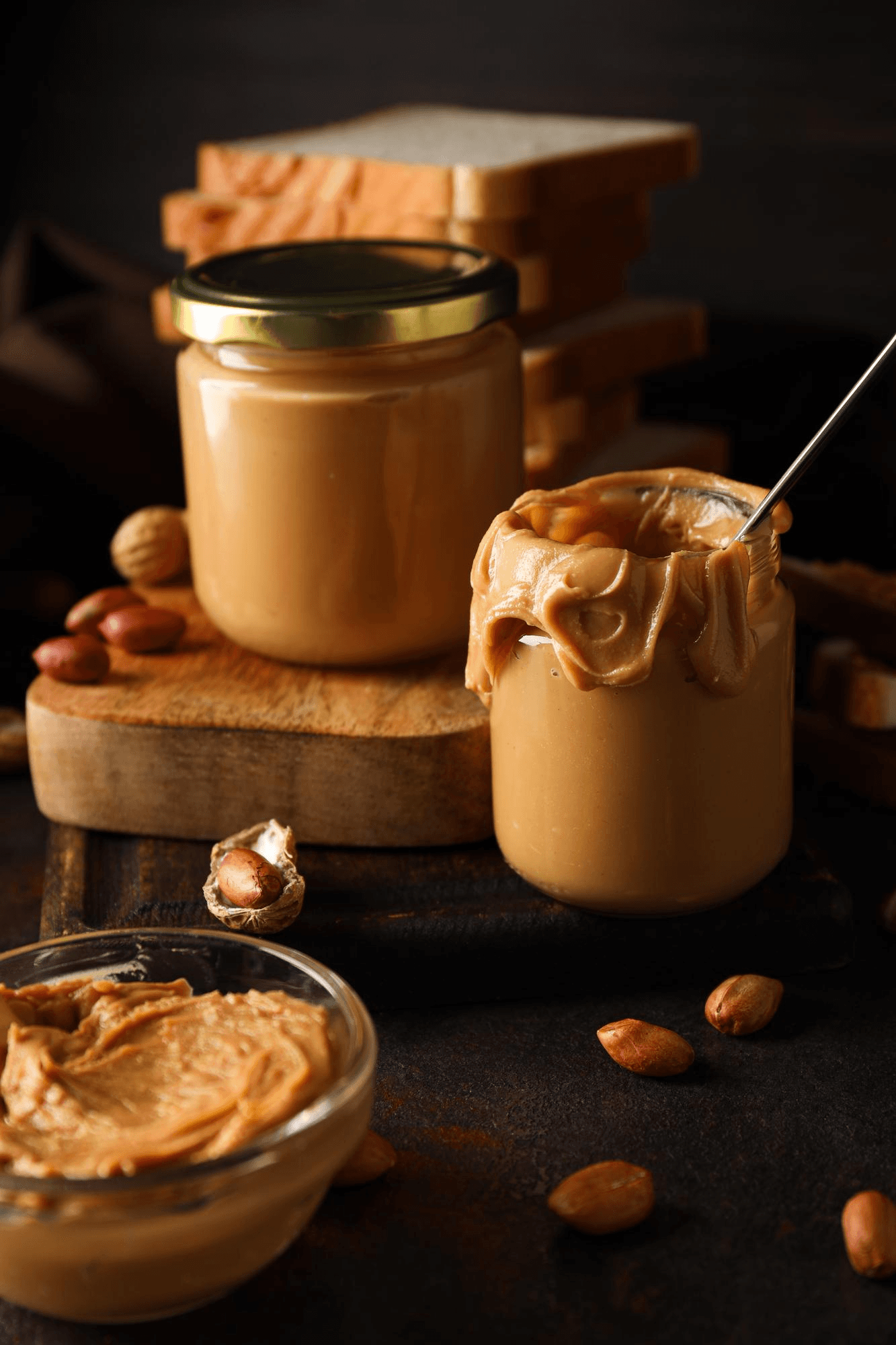
6.) Nut Butters
Basket of eggs kept on a table.
Nut butters made up of almond, walnut, hazelnut, or peanut make a great snack during pregnancy. They’re loaded with good stuff: protein, healthy fats, and the amino acids your baby needs for a strong heart, sharp brain, healthy eyes, and a solid immune system. Plus, they help you stay full longer.
- Recommended intake: Stick to about a tablespoon a day.
- How to consume: Try them on toast or a sandwich, drizzle over your salad, dip apple slices in, or toss a spoonful into your smoothie.
7.) Salmon
Low-mercury fish packs a punch when it comes to omega-3s, especially EPA and DHA. These nutrients do a lot for a baby’s growing brain and eyesight. If you’re pregnant, you’ve got plenty of safe seafood picks: crab, shrimp, Spanish mackerel, sardines, herring, and trout all make the list.
- Recommended intake: Aim for about two servings a week.
- How to consume: Grill, boil them, or even try smoked fish. Just work them into your regular meals, and you’re good to go.
8.) Bananas
Bananas are a great pick during pregnancy. They’re packed with potassium, so they help boost your energy and keep muscle cramps at bay. Plus, when you’re feeling nauseous, bananas are gentle on your stomach.
- Recommended intake: You can eat 2 bananas every day.
- How to consume: Try slicing them into your cereal, or blend one into a smoothie with yogurt and some berries.
9.) Lentils and other legumes
Lentils and legumes pack a real punch when it comes to plant-based protein, especially during pregnancy. They’re loaded with fiber, iron, folate, calcium, and magnesium, all things your body needs to help your baby grow, keep your energy up, and keep digestion on track. The fiber in them does wonders for keeping things moving and your blood sugar steady.
- Recommended intake: Aim for 1 to 2 servings a day.
- How to consume: Try dal, chickpea curry, hearty lentil soups, sprouts, toss them in salads, or just mix them with your favorite vegetables.
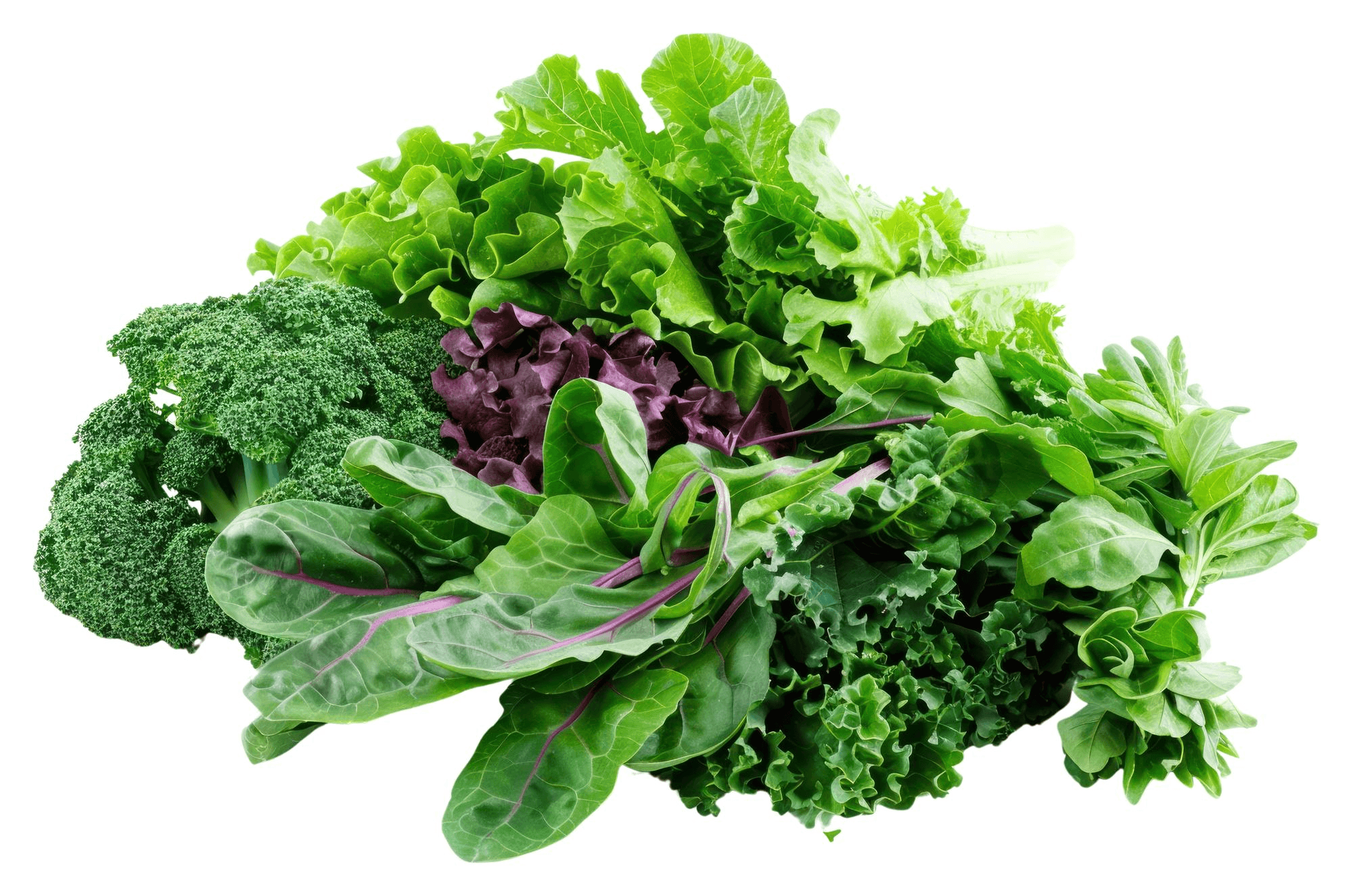
10.) Leafy Vegetables
Avocados are kept on a platform with a glass of yogurt and avocado pieces on top.
Leafy greens pack a serious nutritional punch, especially when you’re pregnant. They’re loaded with iron, folate, calcium, fiber, and vitamins A, C, and K. These nutrients help your baby grow, keep your immune system strong, and stop anemia in its tracks. Folate is especially important. It keeps neural tube defects at bay. Plus, all that fiber really helps with digestion and keeps constipation from becoming a problem.
- Recommended intake: Aim for 1 to 2 servings every day.
- How to consume: Toss spinach or kale into your dal or curries. Try methi in a stir-fry, add some greens to salads and soups.
Final Thought
Healthy pregnancies really start with what you eat. If you fill your plate with good, healthy foods like dairy, eggs, fruits, whole grains, protein, and plenty of leafy greens, then your body gets what it needs for you and your baby. Cravings happen, but it’s all about balance. Mixing up your meals keeps your energy up, helps you avoid missing out on important nutrients, and just makes the whole experience a bit easier and healthier for both you and your baby.
Expert Care with Dr. Shachi
You deserve care that’s both skilled and genuinely supportive when it comes to your pregnancy and reproductive health. Whether you’re thinking about starting a family, already expecting, or facing gynecological issues, Dr. Shachi Singh’s got your back. She’s an experienced obstetrician, gynecologist, and laparoscopic surgeon. You get personal attention, whether you need prenatal checkups or advanced minimally invasive surgery. Ready to take charge of your health? Book a consultation with Dr. Shachi Singh.