Labiaplasty: Procedure, Benefits, And Recovery

The female form embodying self-assurance and well-being that follows a labiaplasty procedure.
Labiaplasty is a cosmetic surgery that modifies or decreases the size of the labia minora or labia majora, either to alleviate symptoms or purely for cosmetic purposes. Women seeking this procedure often do so due to irritation or discomfort from oversized or asymmetrical labia, to enhance hygiene and self-confidence.
Though there are normally some natural discrepancies in the appearance of labial shape (asymmetry, for example), when labial shape affects everyday activities or sexual life, it can be an indication for considering labiaplasty. Knowledge of the procedure, its advantages, and the healing process will help one make an informed, safe, and medically correct choice.
What Is Labiaplasty?
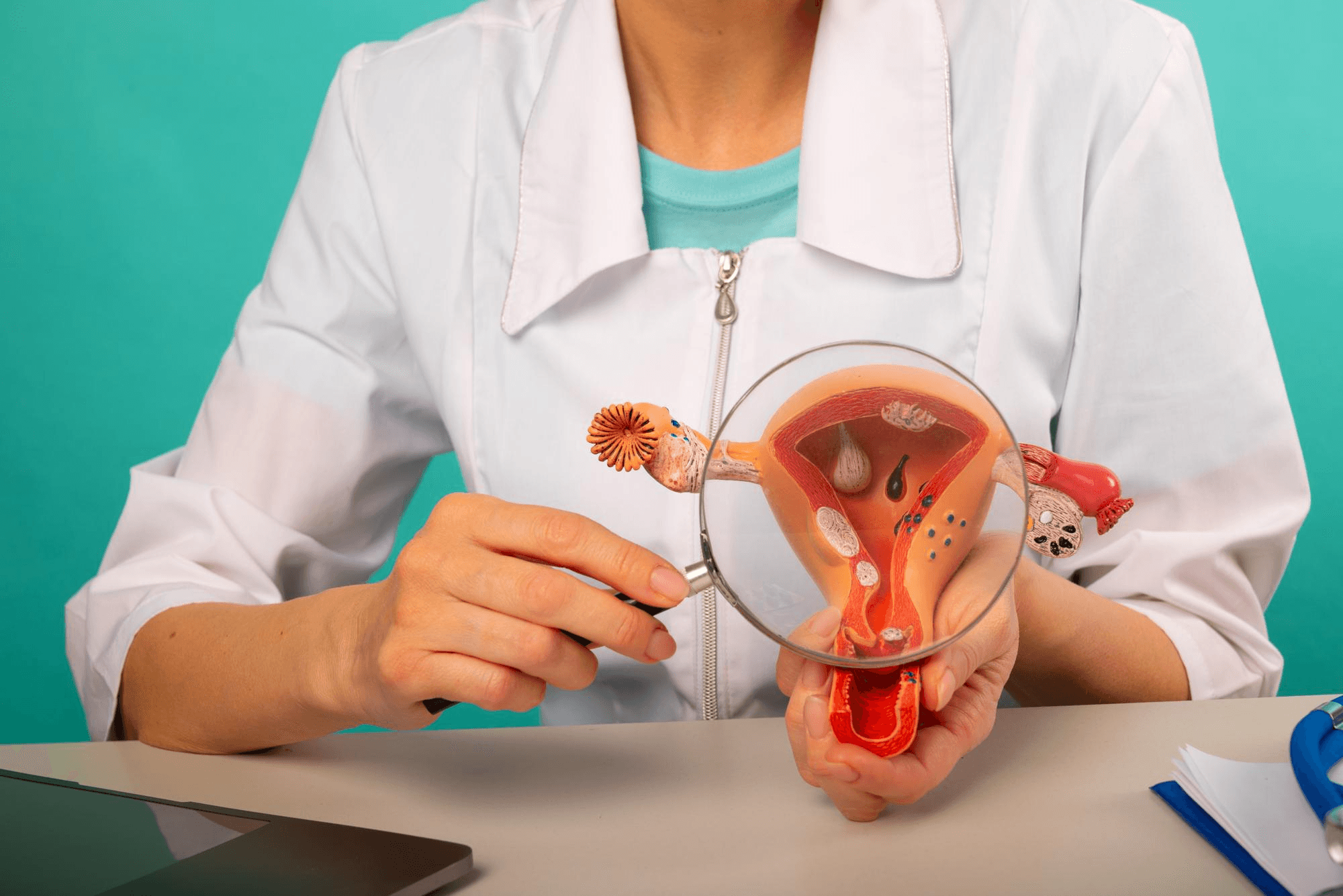
Labiaplasty is a surgical procedure that reshapes or removes excess tissue from the labia minora (inner lips) or labia majora (outer lips). This surgery is carried out for aesthetic and practical purposes; medicinally, it relieves irritation, discomfort from friction when carrying out physical activities, the feeling of tightness from close-fitting clothing, and pain during sexual intercourse.
It has become commonly known as a procedure solely for appearance improvement; however, it is vital that it can bring about an improved quality of life in patients suffering from symptomatic overgrowth or labial asymmetry, establishing balance of the anatomy, comfort, and general genital well-being.
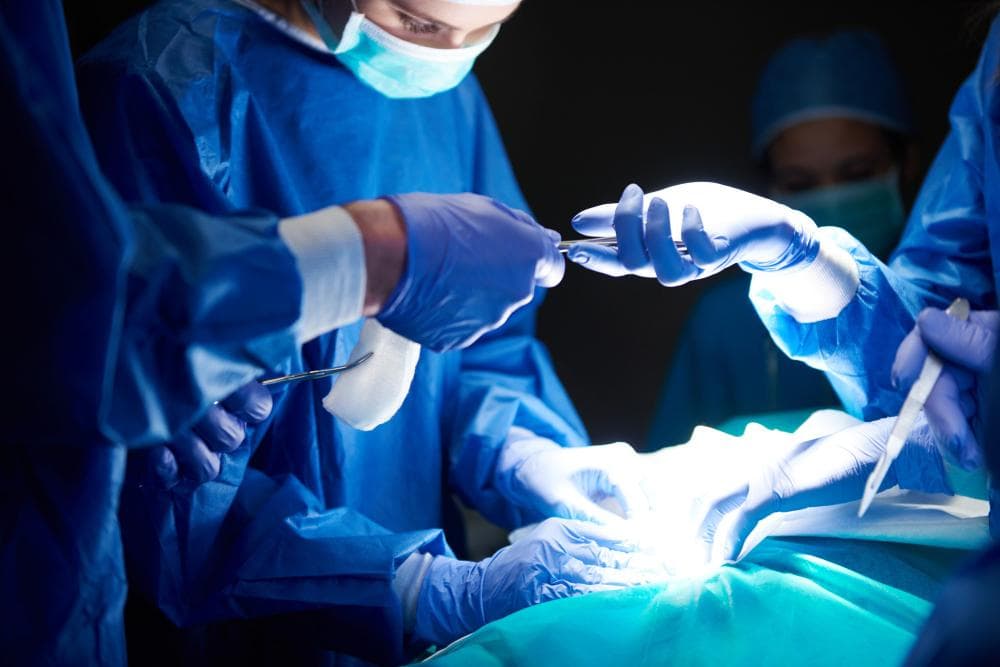
Step-By-Step Procedure Of Labiaplastry
Step 1: Anaesthesia
Local anesthesia is generally applied with conscious sedation, but general anesthesia might be selected according to your medical condition or the procedure's length or extent.
Step 2: Marking Of Areas And Preoperative Cleaning
The surgeon determines and marks the areas of excess labia to be reduced and cleans the surgical area to maintain sterility.
Step 3: Tissue Resection And Reduction
Any surplus tissue from the labia minora is removed using trim resection or wedge resection techniques. Natural aesthetics and balance are maintained at all times during this step.
Step 4: Hemostasis
Every effort is made to ensure no bleeding occurs during surgery for optimum clarity and security.
Step 5: Suturing
Stitches that would eventually dissolve by themselves are applied to close the cuts and encourage the healing process.
Step 6: Dressing And Observing Before Going Home
A sterilized bandage is applied to the operated area, and the patient is observed for a short time after surgery before being discharged the same day with an instruction sheet on how to take care of yourself post operatively.
Benefits Of Labiapastry
1. Physical Benefits
It alleviates any physical discomfort associated with enlarged or misshapen labia, such as irritation when participating in activities such as running, yoga, or cycling.
Women who have undergone the surgery often feel they have less friction and irritation during intercourse as a result of the procedure. It is also common to feel less irritation caused by snug underwear, swimming costumes, or clothing.
2. Aesthetic And Psychological Benefits
Labiaplasty is thought to contribute to a more aesthetically pleasing look of the genital area through balancing the form and outline. It contributes positively to how a woman feels about her appearance, giving her a greater sense of confidence.
This can particularly benefit women who may have felt self-conscious about their appearance, both in intimate situations and when wearing close-fitting clothes such as swimwear or sports clothing.
3. Functional And Hygiene Benefits
Labiaplasty helps improve and simplify everyday genital hygiene. Reduced tissue has been proven to cause fewer irritations, thus significantly lowering the chances of a repeated infection.

The healing process following a labiaplasty procedure is embodied by an active woman riding a bicycle.
Recovery After Labiaplasty
1. Immediate Post-Operative Care (First 24-48 hrs)
Patients will need to get a lot of rest so swelling may be minimized and the healing process can be facilitated quickly. Cold compresses can be used intermittently as instructed in order to alleviate swelling.
Mild pain, tenderness, or stinging is to be expected, and patients should use prescribed pain medication to control the sensation. The wearing of loose, airy clothing will help to avoid irritating the stitches and the sensitive surgical region.
2. The Healing Process
- The first week of healing: Swelling and bruising will be most extreme in this time but will gradually begin to ease. Gentle movement should only be undertaken.
- Week 2-3: Sutures will begin to dissolve, and pain will significantly subside, allowing daily routines to commence.
- Week 4-6: Healing will occur steadily, allowing return to moderate activities.
- Week 6-8: The healing will have finished, and sexual activity can recommence with medical consent.
3. Lifestyle Modifications
The area will need to be kept clean and dry by patients. Swimming, long baths, and intense exercise such as cycling or running should be avoided for a few weeks. Patients should follow instructions from the doctor and attend review appointments.
Expected Outcomes After Labiaplasty
The outcome is difficult to appreciate in the initial postoperative period due to swelling, but overall symmetry and more normal and smooth contours should be seen as the result resolves.
The functional improvement can be perceived slowly as the area heals, but many will begin to notice reduced irritation with activity, increased comfort with their clothing, and that the area no longer bothers them during activity.
Photography can be carried out during consultations to highlight changes, even though each person will have a different outcome depending on their anatomy, the surgical technique, and the healing characteristics of the patient. Patients should maintain realistic expectations, allowing a few weeks for the tissues to settle down fully
Final Thoughts
Overall, labiaplasty is an appropriate and safe procedure when done for the correct reasons and indications under the care of the correct team. It can offer benefits not only in the aesthetic appearance but also in the woman's comfort, hygiene, quality of life, and further medical or physiological implications.
Careful screening and realistic counseling are critical, as is following post-operative care diligently. It is important that every woman who requests a procedure has one explained to them in an evidence-based manner and that only appropriate candidates have surgery under appropriately experienced clinicians to maintain function and anatomical safety.

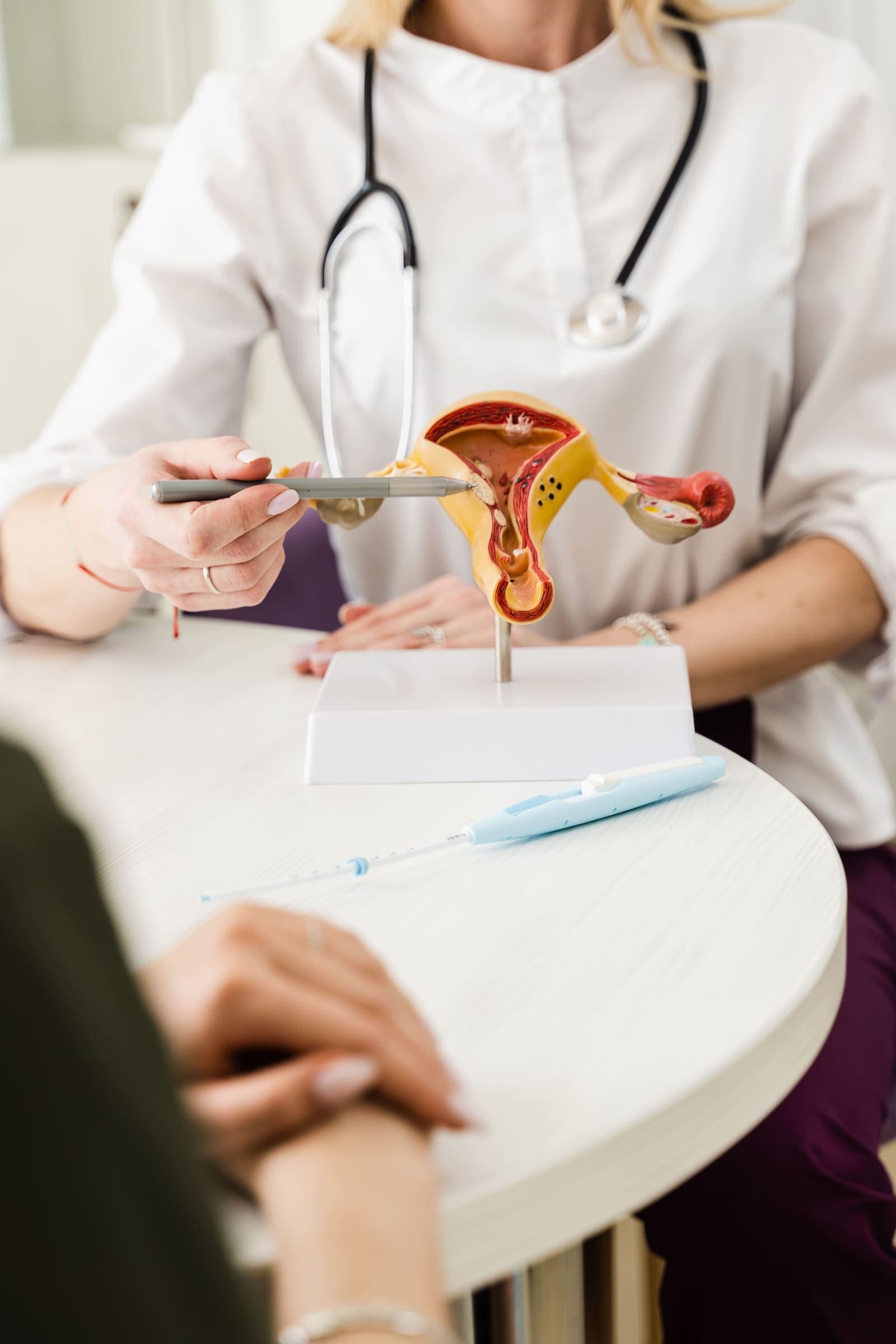
A discussion with a gynecologist about a labiaplasty procedure taking place in a clinic.
Expert Care With Dr. Shachi Singh
If you are seeking expert care tailored specifically to women, contact Dr Shachi Singh. With more than 15 years of experience as a gynecologist and laparoscopic surgeon, she practices comprehensive care for women that is safe, effective, and sophisticated. She provides gynecological and obstetric services, fertility solutions, minimally invasive surgeries, and aesthetic gynecology.
You can be sure of the utmost care and attention to detail, privacy, and safety as Dr. Singh prioritises her patients' health needs and their comfort level at all times. Whatever your need, be it dealing with personal health issues, antenatal and postnatal care, or cosmetic gynecology, Dr. Shachi Singh can guide you and recommend the appropriate course of action for your health. You can be sure of excellent care. Book your appointment today.
Frequently Asked Questions (FAQs)
1. What are the most common reasons for labiaplasty?
Labial hypertrophy, symmetry of the labia which causes chafing and makes cleanliness an issue, discomfort during intercourse or while engaging in sport, and the aesthetic. Some patients may be more focused on the aesthetic aspect than on any functional concerns.
2. Is labiaplasty painful?
Local anesthetic or general anesthetic will be used to ensure the patient experiences no pain during labiaplasty. After labiaplasty, there may be slight or moderate pain, typically described as tenderness or swelling, which is controlled by prescribed medication.
3. What makes someone a good candidate for labiaplasty?
Anyone who has been affected by symptomatic hypertrophy or asymmetrical labia and is consequently experiencing chronic soreness, discomfort during sex or whilst participating in exercise, as well as recurrent infections, is a good candidate for labiaplasty, along with anybody whose body image is affected and who has realistic expectations.
4. Why do people get labiaplasty?
Reasons to undergo a labiaplasty are generally due to physical pain, the difficulties encountered with labial hygiene, friction caused to the labia while engaging in exercise, or the symmetry of the labia. Often, cosmetic improvements work hand-in-hand with practical aspects to improve their general quality of life.