PCOD Vs PCOS: What’s The Difference?
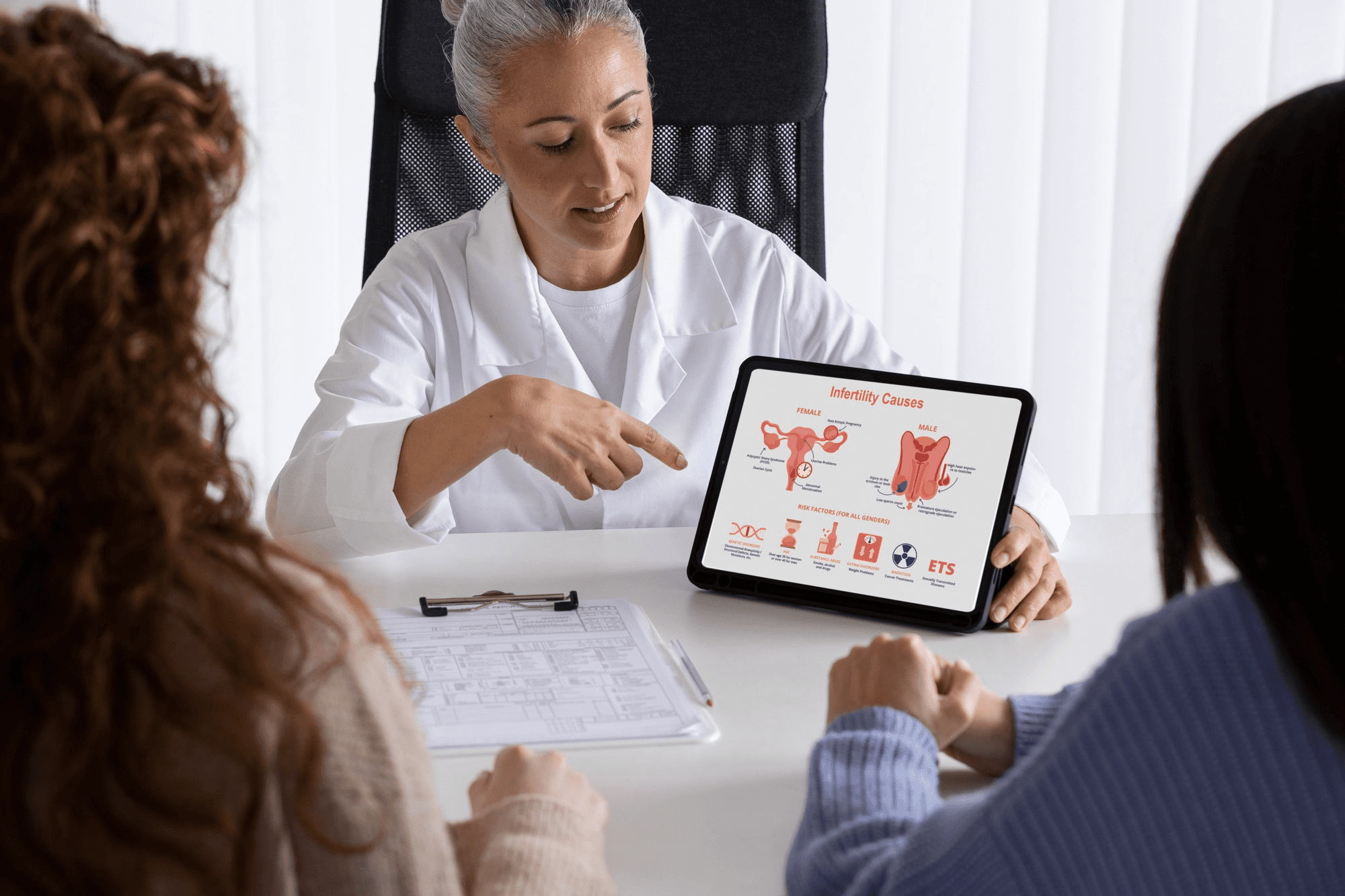
A gynecologist walks a patient through PCOD and PCOS differences using diagrams during a talk about hormones and fertility.
People often mix up PCOS and PCOD, but they're not quite the same thing. Both mess with hormones and can throw off your periods, affect your weight, and even impact fertility and how you feel day to day. Sure, the symptoms overlap, but the root causes, how severe they get, and what happens long-term aren't identical. PCOD is usually less severe; it’s basically about the ovaries not working properly.
PCOS, though, is a bigger deal and ties into metabolism and the whole hormone system. Knowing the difference really matters. It’s the key to getting the right diagnosis, choosing better treatments, and making lifestyle changes that actually help. In the end, it lets women make smarter choices for their health.
PCOD Or Polycystic Ovarian Disease
PCOD, short for Polycystic Ovarian Disease, hits a lot of women during their reproductive years. Basically, the ovaries start making eggs that don’t fully mature, and those eggs can turn into cysts. Periods become unpredictable, skin might break out, weight can creep up, and sometimes there’s more hair growth than usual.
It’s usually milder, and factors like eating habits, stress, and not moving enough play a big role. The good news? With some lifestyle tweaks, the right meds, and a doctor who knows their stuff, women can keep PCOD under control, and many go on to get pregnant naturally.
PCOS Or Polycystic Ovary Syndrome
PCOS, short for Polycystic Ovary Syndrome, is a tricky hormonal and metabolic disorder that shows up in women during their reproductive years. It usually means your hormones are out of balance. A lot of women with PCOS deal with insulin resistance, weight gain, acne, extra hair growth, and trouble getting pregnant. Compared to PCOD, PCOS is more serious and can raise your chances of facing bigger health problems down the line, such as type 2 diabetes, heart disease, or even infertility. Spotting it early and getting the right treatment really makes a difference.
Difference Between PCOD And PCOS
1.) Meaning: PCOD Vs PCOS
- PCOD, or Polycystic Ovarian Disease, happens when the ovaries release eggs that don’t fully mature. These eggs can turn into cysts over time.
- PCOS, which stands for Polycystic Ovary Syndrome, is a bit more complicated. It messes with the ovaries and also affects the whole hormonal system, including insulin and metabolism. So, while both conditions involve the ovaries, PCOS goes a lot further, disrupting the body in more ways.
2.) Causes: PCOD Vs PCOS
- PCOD usually comes down to how you live, things like eating junk food, feeling stressed all the time, not moving enough, or putting on extra weight. The good news is that if you tweak your habits, those hormone problems often improve.
- In PCOS, genes and hormones are more important. High insulin and androgen levels drive most of the problems, so just changing your lifestyle doesn’t always do the trick with PCOS. It’s tougher to manage without medical help.
3.) Symptoms: PCOD Vs PCOS
- Both can mess with your period, trigger breakouts, cause weight gain, and change your hair.
- PCOD is usually milder. You’ll probably still get your period, maybe just less often. There’s less facial hair, less hair thinning, as compared to PCOS, and ovulation usually happens.
- PCOS tends to hit harder. Periods get irregular or really heavy. You might notice more facial or body hair, thinning hair on your scalp, stubborn acne, headaches, and more weight gain. If you see darker patches of skin around your neck, underarms, or groin, that can point to insulin problems.
- When symptoms get stronger or just won’t quit, it’s time for regular doctor visits and some real changes to your lifestyle.
4.) Severity and Long-Term Health Issues
- PCOD is usually milder and, if you catch it early and manage it well, it doesn’t tend to cause serious long-term health issues.
- PCOS is more severe and brings bigger risks like type 2 diabetes, high blood pressure, heart disease, sleep apnea, and even endometrial cancer. People with PCOS often need regular check-ups to keep everything in check.
5.) Follicles In Ovaries: PCOD Vs PCOS

A uterus and ovary model with visible cysts and follicles connected to PCOD and PCOS.
- Follicle numbers change as you age and depend on your reproductive health.
- If your ovaries are healthy, an ultrasound usually shows about 5 or 6 developing follicles in each one.
- In PCOS, there are 12 or more small follicles in each ovary. These follicles are tiny, around 2 to 9 millimeters, and they tend to line up along the outer edge of the ovary.
- PCOD is a bit different. You might see a mild increase in follicle numbers, but the changes aren’t as complex as with PCOS.
6.) Fertility: PCOD Vs PCOS
- Most women with PCOD deal with irregular ovulation, but the good news is, these fertility problems don’t usually last forever. Once hormones settle, sometimes with healthy habits, sometimes with a little assistance and medication, women with PCOS can also get pregnant.
- In PCOS, ovulation takes a bigger hit, so getting pregnant often turns into a real challenge. Here, doctors often step in with ovulation drugs or even assisted reproductive treatments to help things along.
7.) Diagnosis: PCOD And PCOS
- In PCOD, a gynecologist starts by going through your medical history and doing a pelvic exam. Blood tests check your sugar, insulin, cholesterol, and hormone levels. With PCOD, the ovaries might be a bit bigger than usual, but the changes tend to be pretty mild.
- In PCOS, they take a detailed medical history and order more thorough blood tests, looking at androgens, sugar, insulin, cholesterol levels, and other hormones. They also use a pelvic ultrasound to check your ovaries and the uterine lining. The ovaries often get a lot bigger, sometimes even three times their normal size, and you’ll usually see a bunch of small cysts lined up along the edges.
8.) Treatment: PCOD And PCOS

A gynecologist discusses PCOD and PCOS meds, symptom relief, and reproductive health with a patient during a clinic visit.
PCOD Treatment
- The main goal with PCOD is to manage symptoms and help with ovulation. Gynecologists often use progestin to get periods back on track, especially if someone’s dealing with irregular cycles.
- If someone’s trying to get pregnant, clomiphene or letrozole can kickstart ovulation. Metformin helps lower insulin resistance, which can also make it easier to lose weight. Birth control pills that combine estrogen and progestin bring down those extra androgen levels, so acne, irregular periods, and lack of ovulation usually improve.
- When regular treatments just don’t cut it, doctors might try immature follicle aspiration or laparoscopic ovarian drilling. These options help shrink the number of excess follicles and bring down testosterone.
PCOS Treatment
- With PCOS, it’s all about balancing hormones, easing symptoms, and making it easier to get pregnant. Birth control pills are a go-to.
- They lower androgen levels and help control acne and unwanted hair growth. Spironolactone and eflornithine step in to handle stubborn hair and skin problems. For acne, doctors use oral meds or topical creams and gels.
- If someone wants longer-lasting hair removal, electrolysis or laser treatments can really help. Sometimes, ovarian drilling can jumpstart ovulation, and if nothing else works for fertility, IVF is the next step.
Final Thought
PCOS and PCOD might look like the same thing at first, but they're not. PCOD tends to be milder; you can usually get it under control with some lifestyle tweaks and simple treatments. It’s a complicated hormonal issue that sticks around and needs real medical attention. Knowing how they’re different really matters. It helps women get the right diagnosis, choose the best treatment, and take charge of their health.
Expert Care With Dr. Shachi Singh
Still trying to figure out whether you have PCOS or PCOD? You’re not alone. Dr. Shachi Singh specializes in Obstetrics, Gynecology, and Laparoscopic Surgery, and she can help you figure out the actual problem. She gives authentic consultation and puts together a plan that fits your needs. Book a consultation, clear up your confusion, and start handling your symptoms with confidence. Your hormones and reproductive health deserve real attention.