Irregular Periods: Real Causes, What Actually Helps, and When to See Your Gynecologist
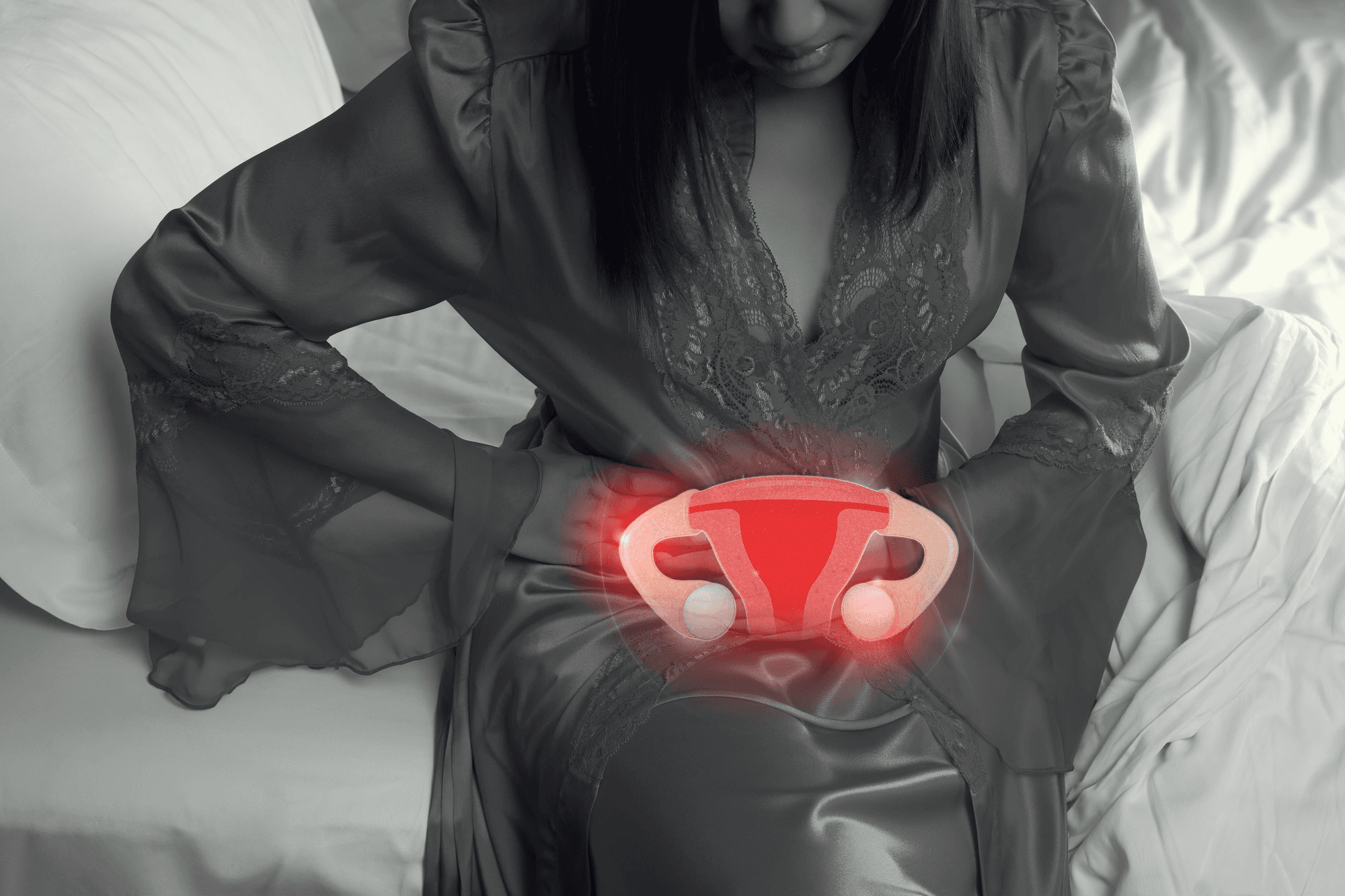
Woman holding her stomach due to period cramps, with an illustration of a uterus over her abdominal region.
Your period was supposed to arrive last week. Or three weeks ago. Or it has been showing up irregularly for months — sometimes early, sometimes late, sometimes so light it barely registers, sometimes heavier than it has ever been.
You have probably been Googling "how to get periods immediately." You may have tried some home remedies. You are wondering whether what you are experiencing is normal variation or something that needs attention.
The honest answer: it depends on what is causing it.
Irregular periods are one of the most common reasons women across Noida and Greater Noida consult Dr. Shachi Singh, senior gynecologist at Prakash Hospital, Sector 33, Noida. They are almost always treatable — but treating them properly requires understanding why they are happening first, because the cause determines the correct approach entirely.
This guide walks through the real causes of irregular periods, what home remedies genuinely help, what medical treatment involves, and when you should stop waiting and see a doctor.
What Counts as an Irregular Period?
A "normal" menstrual cycle is generally defined as one that repeats every 21 to 35 days and involves bleeding that lasts 3 to 7 days. If your cycle consistently falls outside these parameters — or if the pattern changes suddenly and significantly — that is worth paying attention to.
Irregular periods include:
- Cycles shorter than 21 days (polymenorrhea)
- Cycles longer than 35 days (oligomenorrhea)
- Absent periods for 90 days or more (amenorrhea) — when pregnancy is ruled out
- Very heavy bleeding — soaking through a pad every hour or two, or bleeding for more than 7 days (menorrhagia)
- Very light bleeding — lasting less than two days or extremely minimal flow (hypomenorrhea)
- Spotting or bleeding between periods
- Highly unpredictable cycles — arriving at very different intervals each month
Some irregularity is expected during puberty (it can take years for cycles to regulate after the first period) and in the years approaching menopause. Outside these windows, persistent irregularity deserves investigation.
Over 50% of women in India report experiencing irregular menstrual cycles at some point, according to health surveys — making this one of the most widespread women's health concerns in the country.
Why Are My Periods Irregular? The Most Common Causes
The menstrual cycle is driven by a finely calibrated hormonal sequence — FSH, LH, oestrogen, and progesterone working in sequence to stimulate ovulation and prepare the uterine lining. When any part of this sequence is disrupted, the cycle changes.
Here are the most common culprits:
1. PCOS (Polycystic Ovary Syndrome)
PCOS is the most frequent underlying cause of irregular periods in Indian women of reproductive age, affecting an estimated 1 in 5 women. In PCOS, elevated androgen (male hormone) levels interfere with ovulation — sometimes preventing it from happening at all. Without ovulation, the hormonal sequence that triggers a period is disrupted.
PCOS-related irregular periods are typically accompanied by other signs: acne, excess facial or body hair, weight gain around the abdomen, and sometimes difficulty conceiving.
2. Thyroid Disorders
The thyroid gland directly influences reproductive hormones. An underactive thyroid (hypothyroidism) slows everything down — including the menstrual cycle — often producing long cycles, very light periods, or absent periods. An overactive thyroid can produce the opposite: short, heavy, or very frequent periods.
Thyroid disorders are significantly common among Indian women and are frequently missed for years because symptoms are attributed to lifestyle or stress.
3. Stress
This is the cause most women identify first — and they are often right. Chronic physical or emotional stress elevates cortisol, which directly suppresses the reproductive hormones that drive ovulation. The result is delayed or skipped periods.
Importantly, this is not a psychological weakness — it is a documented physiological response. The body, perceiving stress as a threat, deprioritises reproduction. Addressing the underlying stress source genuinely does help regularise cycles, and this is why lifestyle-based approaches are often effective in stress-related irregularity.
4. Significant Weight Changes
Both rapid weight loss and rapid weight gain disrupt hormone production. Body fat actively produces oestrogen — too little body fat reduces oestrogen; too much creates excess. Either direction interferes with ovulation and cycle regularity. Women who diet aggressively, have eating disorders, or have gained significant weight rapidly often notice menstrual changes.

Overweight woman sits on the floor beside a weighing scale, clearly upset about recent weight gain and how it connects to her missed periods.
5. Extreme Exercise
Athletes and women who train very intensively sometimes experience disruption or complete loss of periods (athletic amenorrhea). This occurs because high energy expenditure signals the body to reduce "non-essential" functions — and to the body under extreme physical stress, reproduction is non-essential.
This is particularly relevant for women who have significantly increased their exercise intensity without proportionally increasing caloric intake.
6. Perimenopause
For women in their late 30s and 40s, irregular periods may reflect the natural hormonal changes of perimenopause — the transition phase leading to menopause. Cycles become unpredictable, sometimes heavy, sometimes skipped. This is normal biology, though it still warrants discussion with a gynecologist to distinguish perimenopause from other causes.
7. Medications
Several commonly prescribed medications affect the menstrual cycle as a side effect — antidepressants, antipsychotics, blood pressure medications, corticosteroids, and certain medications for epilepsy or diabetes. If irregular periods began after starting a new medication, mention this to your doctor.
Hormonal contraceptives (pills, injections, implants, hormonal IUDs) also alter cycle patterns — sometimes causing lighter periods, spotting, or absent periods depending on the type and formulation.
8. Structural Issues in the Uterus
Fibroids, polyps, or adenomyosis — all involving the uterus structurally — can cause heavy, painful, or unpredictable bleeding that does not fit a regular pattern. These require imaging (ultrasound) for diagnosis and have their own treatment pathways.
9. Other Medical Conditions
Diabetes, prolactin disorders (high prolactin levels from a pituitary growth called a prolactinoma), and primary ovarian insufficiency can all cause cycle disruption. These are less common but important to consider when other explanations do not fit.
Home Remedies That Can Genuinely Help
For mild, stress-related, or lifestyle-driven irregularity, several approaches have evidence — or at least strong traditional use — behind them. These work best as supportive measures alongside, not instead of, proper medical evaluation.
1. Manage Stress Actively
If stress is the driver — and for many women it is — addressing it directly is the most impactful intervention. Yoga has documented benefits for menstrual regularity, with studies showing improvements in hormonal balance and cycle frequency with consistent practice. Meditation, breathwork, reducing workload where possible, and adequate sleep (7 to 8 hours) all support cortisol reduction.
2. Maintain a Healthy Weight
Gradual weight loss in women with PCOS-related obesity significantly improves hormonal balance and restores ovulation. Even a 5 to 10% reduction in body weight has been shown to improve cycle regularity. Similarly, restoring adequate nutrition in women who have been under-eating helps.
3. Regular Moderate Exercise
Moderate exercise — 30 minutes of walking, swimming, or cycling most days — supports hormonal balance and insulin sensitivity, both relevant to cycle regularity. Avoid extreme exercise intensity if you are already noticing cycle disruption.

A healthy woman running on a road as part of a regular exercise routine for overall bone health.
4. Ginger Tea (Adrak Chai)
Ginger is one of the traditional Indian remedies for delayed or irregular periods, and it has some scientific backing — ginger has anti-inflammatory properties that may help stimulate uterine contractions and facilitate timely shedding. Drinking a cup of warm ginger tea once or twice a day is safe and may be helpful for mild irregularity.
5. Fenugreek Seeds (Methi)
Soaking a teaspoon of fenugreek seeds in water overnight and drinking the water on an empty stomach in the morning is a traditional Ayurvedic approach for supporting hormonal balance and menstrual regularity. Methi has some evidence for improving insulin sensitivity — particularly relevant if PCOS or insulin resistance is a contributing factor.
6. Turmeric with Warm Milk
Haldi doodh — turmeric in warm milk — has anti-inflammatory properties and has been used in Indian households for centuries for menstrual irregularity. Turmeric's effect on oestrogen metabolism may contribute to mild hormonal support. One cup at night is the standard traditional dosage.
7. Diet Quality
A diet high in refined carbohydrates and sugar worsens insulin resistance, which is a major driver of PCOS-related cycle disruption. Reducing packaged foods, maida-based items, and sugar, while increasing vegetables, dals, whole grains, and protein, directly supports hormonal health. This is not a quick fix — but over several months, dietary quality genuinely matters.
What Medical Treatment Involves
Home remedies have their limits. When irregularity is driven by PCOS, thyroid disorders, structural problems, or other medical conditions, medical treatment is what actually resolves it.
1. Hormonal Contraceptives
Birth control pills, patches, or hormonal IUDs are commonly prescribed to regulate cycles when the cause is hormonal. They work by providing a steady, external supply of hormones that overrides the disrupted natural cycle. Cycles become regular and predictable on this medication. It is important to understand that this manages symptoms — when the medication is stopped, the underlying condition may cause irregularity to return.
2. Metformin
For PCOS-related irregularity driven by insulin resistance, metformin — a medication typically used for diabetes — is frequently prescribed. It improves insulin sensitivity, which lowers androgen levels and restores ovulation in many women with PCOS.
3. Thyroid Medication
If thyroid tests confirm hypothyroidism or hyperthyroidism, thyroid hormone medication is prescribed. This often restores menstrual regularity within a few months of achieving normal thyroid levels.
4. Progesterone Tablets
A short course of progesterone is often prescribed to trigger a withdrawal bleed when periods have been absent for an extended period and the uterine lining has thickened. This is a targeted intervention, not a long-term solution — the underlying cause still needs to be identified and addressed.
5. Surgical Intervention
In cases where structural issues — polyps, fibroids, or adenomyosis — are the cause, surgical treatment (hysteroscopy to remove polyps, myomectomy for fibroids, or endometrial ablation) may be recommended.
When You Must See a Gynecologist
Home remedies and lifestyle changes are appropriate for mild, recent-onset irregularity with no other concerning symptoms.
See a gynecologist without delay if:
- Your periods have been absent for three months or more (and pregnancy is ruled out)
- You are soaking through a sanitary pad every hour or two during your period
- Irregular periods are accompanied by significant pain
- You have been trying to conceive without success for six months to a year
- Irregular periods are accompanied by significant weight gain, acne, and excess facial hair (possible PCOS)
- You notice unusual discharge, pelvic pain, or bleeding after sex (possible infection or structural issue)
- Your cycles were previously regular and have suddenly become very irregular without obvious reason
- You are in your teens and have never had a regular cycle after two years of menstruating
Irregular Periods Treatment in Noida and Greater Noida
Irregular periods are not something to simply manage with home remedies indefinitely. Understanding the cause — through a proper examination and blood tests — is what allows for targeted, effective treatment rather than ongoing uncertainty.
Dr. Shachi Singh at Prakash Hospital, Sector 33, Noida, evaluates and treats menstrual irregularities including PCOS, thyroid-related cycle disruption, structural uterine conditions, and hormonal imbalances. Women across Noida and Greater Noida consult her for conditions that have often gone unaddressed for years.
If your cycles are not working the way they should — for whatever reason — a proper evaluation is the right first step.
To book a consultation with Dr. Shachi Singh, call: +91 97023 46853
Clinic Hours: Monday to Saturday, 9 AM – 6 PM | Sunday, 10 AM – 2 PM
Clinic Address: D-12A, 12B, Sector-33, G.B. Nagar, Noida, Uttar Pradesh 201301
Frequently Asked Questions
1. How do I get my period to come faster?
There is no medically validated way to reliably induce a period quickly at home. Warm compresses, ginger tea, light exercise, and stress reduction may help if a mild hormonal or stress-related delay is the cause. If the period is significantly late, see your gynecologist — they can prescribe progesterone to trigger a bleed if appropriate.
2. Is missing one period always a sign of pregnancy?
No. A missed period has many possible causes — stress, significant weight changes, illness, over-exercising, or hormonal fluctuations. However, pregnancy should always be ruled out first with a home test, particularly if you have been sexually active.
3. Can PCOS be cured to restore regular periods?
PCOS is a long-term hormonal condition that is managed rather than cured. Lifestyle interventions — particularly weight management and diet — can significantly improve cycle regularity in many women with PCOS. Medications like metformin and hormonal contraceptives also restore regular cycles for most women with the condition.
4. How many days of delay in periods is normal?
Cycles naturally vary by several days from month to month. A delay of up to 7 days compared to your usual cycle length is generally within normal variation. A delay of more than 2 weeks, or if your period has not arrived for 90 days, warrants medical evaluation.
5. Do irregular periods affect fertility?
They can. Irregular periods often indicate irregular or absent ovulation, which directly affects the ability to conceive. If you are trying to become pregnant and have irregular cycles, discussing this with your gynecologist early is important — there are effective treatments for ovulation-related infertility.
6. What is the best Indian home remedy for irregular periods?
Ginger tea, fenugreek seed water, turmeric in warm milk, and a diet reduced in refined carbohydrates and sugar are the best-supported traditional approaches. These work best for mild, stress-related or lifestyle-driven irregularity. For irregularity driven by PCOS, thyroid disorders, or structural issues, medical treatment is needed alongside any home remedy.
This blog is written for educational and informational purposes only. It is not a substitute for professional medical advice. Please consult Dr. Shachi Singh or a qualified gynecologist for evaluation and treatment specific to your menstrual health.