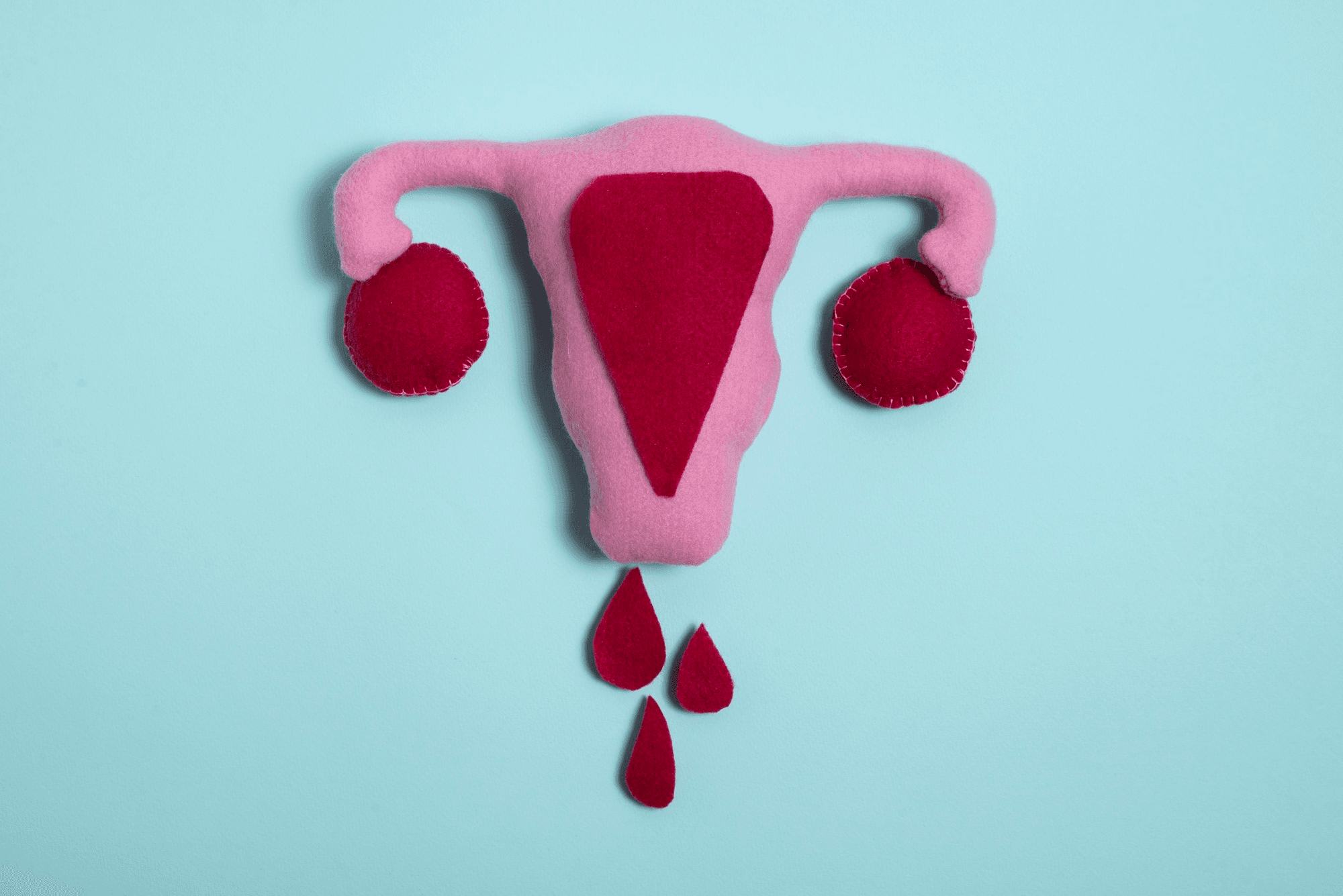
Period Delay Tablets: What Every Woman Should Know

Period Delay Tablets: What Every Woman Should Know.
A wedding is coming. Or a religious fast. A long-awaited holiday. A sports competition. An important exam. And your period, predictably, is scheduled to arrive at exactly the wrong moment.
The search query "how to delay periods" gets run thousands of times a month in India — and the answer most women find is a medication called norethisterone, available in India under brand names like Primolut N and Regestrone. Pharmacies dispense it with minimal formality, WhatsApp groups share dosage advice, and many women take it without fully understanding what it does, what the side effects are, or when they should not be taking it at all.
This guide, written with input from Dr. Shachi Singh, senior gynecologist at Prakash Hospital, Sector 33, Noida, is an attempt to give you the complete picture. How period delay tablets work, their real side effects, exactly how to use them safely, how many days you can take them, who should not take them, and what actually happens to your cycle afterwards.
What Is the Medication Used to Delay Periods?
In India, the most commonly used period delay medication is norethisterone — a synthetic progestin (a lab-made version of the hormone progesterone). Common brand names you will encounter in Indian pharmacies include Primolut N and Regestrone. These are all the same active ingredient at the same 5mg dose.
Norethisterone is not a new or experimental drug. It has been used for decades across the world for menstrual management and several other gynaecological conditions. But this familiarity and easy availability have created a false sense that it is completely without risk — which it is not.
How Does a Period Delay Tablet Actually Work?
To understand how norethisterone delays your period, you need to understand what triggers a period in the first place.
Your menstrual cycle is regulated by a coordinated rise and fall of hormones. After ovulation, progesterone levels rise to maintain the uterine lining. When progesterone drops at the end of the cycle, the uterine lining sheds — this is your period.
Norethisterone works by keeping progesterone levels artificially elevated — mimicking the hormone that tells your body to hold the uterine lining in place. As long as you keep taking the tablets, your body receives a signal that progesterone is still present and therefore does not initiate the shedding process. No shedding means no period.
Once you stop taking the tablets, your artificial progesterone levels drop, your body receives the withdrawal signal, and your period typically arrives within 2 to 4 days.
This mechanism is simple and, for most women, effective. But it is also the reason why norethisterone cannot be started mid-period (the shedding has already begun) and why timing matters critically.
How to Take Period Delay Tablets: Timing, Dose, and Duration
1. When to Start
You must begin taking norethisterone at least 3 days before your period is expected to start. This is not optional — if you start too late, the medication will not prevent the period from arriving. Once your period has begun, norethisterone will not stop it.
The standard regimen is: one 5mg tablet, three times a day, starting 3 days before your expected period date. You take one in the morning, one in the afternoon, and one in the evening, ideally at consistent times.
2. How Long Can You Take Period Delay Tablets?
This is one of the most searched questions — and the answer has a firm upper limit.
Norethisterone for period delay is recommended for a maximum of 17 days total (3 days before the expected period + up to 14 more days of delay). This means you can delay your period by a maximum of approximately 2 to 2.5 weeks from when you start taking it.
Do not exceed this duration. Prolonged use increases side effect risk and hormonal disruption. Norethisterone is not designed for, and should not be used as, a continuous long-term hormonal management tool. If you find yourself wanting to delay your period repeatedly or for long periods, that is a signal to speak to your gynaecologist about appropriate hormonal management options — not to keep repeating norethisterone courses.
3. Frequency of Use
Medical guidelines recommend using norethisterone for period delay no more than 2 to 3 times per year with normal periods in between each course. Using it more frequently disrupts your hormonal balance progressively.
4. What If You Miss a Dose?
Take it as soon as you remember. If it is close to the time of your next dose, skip the missed one and continue with your regular schedule. Do not take two doses together to compensate.
What Happens to Your Period After You Stop the Tablets?
Your period will typically arrive within 2 to 4 days of stopping norethisterone. This is predictable for most women, though the exact timing can vary.
What many women are not warned about is that the first period after using norethisterone may differ from your usual period.
It may be:
- Heavier or lighter than normal
- Longer or shorter in duration
- Accompanied by more cramping than usual
- Slightly early or late in the following cycle

A woman is experiencing immense abdominal pain during menstrual cycle.
This is normal. Your body is re-calibrating its hormonal balance after the artificial withdrawal of the synthetic progestin. In most women, cycles return to their previous pattern within 1 to 3 months of stopping the medication.
One important point: norethisterone does not reset your cycle permanently. Your original hormonal pattern will reassert itself. Research shows that follicular activity in most women returns to baseline within 90 days of stopping norethisterone.
Side Effects of Period Delay Tablets: What You Need to Know
This is the part that most Indian pharmacy interactions skip entirely. Norethisterone has real side effects, and some women experience them significantly enough to affect their daily functioning during the delay period.
1. Common Side Effects
These are experienced by a meaningful proportion of women and are generally manageable:
Bloating and water retention — The progestogenic effect of norethisterone causes the body to hold onto more fluid. You may notice your clothes feel tighter, particularly around the abdomen. This eases once you stop the medication.
Breast tenderness — Similar to the breast soreness many women experience in the week before their period, but potentially more persistent through the delay period. This is driven by the hormonal action of norethisterone on breast tissue.
Nausea — Some women experience mild nausea, particularly when they start the tablets. Taking norethisterone with food reduces this.
Headaches — Reported by a number of women, particularly those who are already prone to hormonal headaches around their menstrual cycle.
Mood changes and low mood — This is perhaps the most underreported side effect in India. Synthetic progestins can affect mood and emotional regulation in some women, causing irritability, low mood, or anxiety during the delay period. This is real and worth being aware of.
Acne — Because norethisterone has mild androgenic (male hormone-like) properties, it can trigger acne in women who are prone to hormonal breakouts.
Changes in libido — Some women notice a decrease in sexual desire during the course of norethisterone. This resolves once the medication is stopped.
Breakthrough bleeding or spotting — Particularly common if norethisterone is started too close to the expected period date, or if a dose is missed. Light spotting during the delay period does not mean the medication has failed entirely, but significant bleeding indicates the medication has not been fully effective.
2. What About Oestrogen Exposure?
This is something most women — and even some healthcare providers — are not fully aware of. Research has found that norethisterone is partly metabolised in the body to become a form of oestrogen called ethinylestradiol. A standard dose of norethisterone for period delay (5mg three times daily) can expose the body to oestrogen equivalent to the amount in two combined contraceptive pills per day.
This matters because oestrogen-containing medications carry a slightly elevated risk of blood clots (deep vein thrombosis). For most healthy young women, this risk remains small in absolute terms. But for women who already have risk factors for clotting, this oestrogen exposure becomes a significant concern.
3. Serious Side Effects — Warning Signs That Need Urgent Attention
Stop taking norethisterone immediately and seek medical attention if you experience:
- Sudden chest pain or difficulty breathing — possible blood clot in the lungs (pulmonary embolism)
- Pain, swelling, or redness in one leg — possible deep vein thrombosis (DVT)
- Sudden severe headache or vision changes — possible clotting event
- Yellowing of the skin or eyes (jaundice) — indicates liver involvement
- Severe abdominal pain
- Sudden weakness or numbness on one side of the body
These are rare but real. The fact that they are rare does not mean they cannot happen — and knowing the warning signs ensures you respond quickly if they do.
Who Should NOT Take Period Delay Tablets?
Norethisterone is not appropriate for everyone. Do not take it without medical clearance if you have any of the following:
Past or current history of blood clots — in the legs, lungs, or anywhere else. The oestrogen exposure from norethisterone significantly increases this risk.
History of stroke or heart attack caused by a blood clot — direct contraindication.
Unexplained vaginal bleeding that has not been medically evaluated — using hormonal medication to suppress this could mask a condition that needs diagnosis.
Known, suspected, or past history of hormone-sensitive cancers — including breast cancer or certain gynaecological cancers (unless specifically prescribed for cancer treatment by an oncologist).
Liver disease — norethisterone is processed by the liver, and compromised liver function affects both its efficacy and safety.
Pregnancy — norethisterone must never be taken if you are pregnant or if there is a possibility of pregnancy. It can cause harm to the developing baby.

A pregnant woman speaking with a doctor in a clinical setting.
Breastfeeding women — generally not recommended in the early weeks of breastfeeding. Use after six weeks postpartum may be considered under medical guidance.
Women with severe migraines with aura — the oestrogen exposure increases stroke risk in this group.
Smokers over 35 — smoking combined with hormonal oestrogen exposure significantly elevates cardiovascular risk.
Use with extra caution if you have: high blood pressure, diabetes, obesity, severe asthma, epilepsy, migraine, heart or kidney problems. These conditions may worsen during the course of norethisterone.
Is It Safe to Take Period Delay Tablets? The Honest Answer
For healthy women with no contraindications, using norethisterone occasionally and correctly — 2 to 3 times per year at most, for up to 17 days, starting at least 3 days before the expected period — is considered medically acceptable.
The risks for healthy women in this scenario are low. The blood clot risk exists but is small in absolute terms. Most side effects are uncomfortable rather than dangerous and resolve when the medication is stopped.
The problems arise when:
- Women take it without knowing their own medical history or risk factors
- It is used more frequently than recommended
- It is used for longer durations than advised
- It is purchased without any medical consultation
- It is used by women with contraindications they are not aware of
The cultural context in India makes all of these scenarios common. Norethisterone's easy availability in pharmacies — without a prescription in many cases — means women take it without the medical screening that should accompany any hormonal medication. This is the genuine safety concern around period delay tablets in India, and it is why medical guidance before first use is important.
Norethisterone Is NOT a Contraceptive
This is one of the most persistent misunderstandings about period delay tablets, and it needs to be stated clearly.
Norethisterone does not prevent ovulation reliably at the 5mg dose used for period delay. An egg may still be released during the delay period. This means pregnancy can occur. If you are sexually active during a delay course, use a reliable contraceptive method — do not assume the period delay tablet is protecting you.
If you suspect pregnancy during or after a norethisterone course, take a pregnancy test if your period does not arrive within a week of stopping the medication.
Drug Interactions to Know
Norethisterone can interact with certain other medications, reducing its effectiveness or altering their effects. Key interactions include:
- Anti-epileptic medications (carbamazepine, phenytoin, phenobarbital) — reduce norethisterone levels
- Tuberculosis medications (rifampicin) — significantly reduce effectiveness
- Certain HIV medications — affect norethisterone metabolism
- St. John's Wort (herbal supplement) — reduces effectiveness
- EllaOne (ulipristal acetate — emergency contraceptive) — norethisterone reduces the effectiveness of this morning-after pill
Always tell your doctor what other medications and supplements you are taking before starting norethisterone.
Natural Alternatives to Delay a Period
Many women look for natural methods to delay or manage their period timing. It is important to be honest: there are no well-evidenced natural methods that reliably delay an established menstrual cycle in the way norethisterone does.
However, some approaches may help with mild cycle management:
- Continuous combined contraceptive pill — for women already on the pill, skipping the 7-day break delays the withdrawal bleed. This is a legitimate and medically endorsed approach for women already using this form of contraception.
- Stress reduction — significant stress can delay periods naturally (though not reliably or on schedule)
- Traditional remedies (gram flour, apple cider vinegar, etc.) — these are widely circulated on social media but have no credible scientific evidence behind them for reliably delaying a period
If you need to delay your period for a specific occasion and are looking for a safe approach, speak to your gynaecologist. There may be options — including combined pill strategies — that are better suited to your situation than norethisterone.
After Taking Period Delay Tablets — What to Watch For
Once you stop norethisterone and your period arrives, your body generally re-establishes its natural pattern. However, watch for the following and contact your gynaecologist if:
- Your period does not arrive within 7 to 10 days of stopping the medication — take a pregnancy test and seek medical advice
- Your next several cycles are significantly disrupted or do not normalise within 2 to 3 months
- You experienced significant side effects during the course that concerned you
- You are considering using period delay tablets again within the same year — this warrants a medical consultation to discuss whether a more appropriate long-term hormonal management approach exists
Gynaecological Guidance in Noida and Greater Noida
Period delay tablets are not dangerous when used correctly by women without contraindications. But "correctly" requires knowledge that most women in India never receive — because the medication is taken without the consultation that should precede it.
If you have questions about period delay tablets, want to understand whether they are safe for your specific health situation, or are looking for better long-term options for managing a difficult menstrual cycle, Dr. Shachi Singh at Prakash Hospital, Sector 33, Noida provides thorough, non-judgmental gynaecological guidance for women across Noida and Greater Noida.
Whether this is about a single upcoming occasion or a recurring problem with your cycle that needs proper investigation and treatment — she is the right person to speak to.
To book a consultation with Dr. Shachi Singh, call: +91 97023 46853
Clinic Hours: Monday to Saturday, 9 AM – 6 PM | Sunday, 10 AM – 2 PM
Clinic Address: D-12A, 12B, Sector-33, G.B. Nagar, Noida, Uttar Pradesh 201301
Frequently Asked Questions
1. What is the medicine to delay periods called in India?
The most commonly used period delay medication in India is norethisterone, available under brand names Primolut N and Regestrone. It is a synthetic progestin (progesterone-like hormone) that works by maintaining high progesterone levels to prevent the uterine lining from shedding.
2. How many days can I take period delay tablets?
The maximum recommended duration is 17 days — starting 3 days before your expected period and continuing for up to 14 additional days. Do not exceed this. Most medical guidance also recommends using period delay tablets no more than 2 to 3 times per year.
3. What are the common side effects of period delay tablets?
Common side effects include bloating, breast tenderness, nausea, headaches, mood changes (including low mood or irritability), mild acne, and spotting or breakthrough bleeding. These generally resolve within days of stopping the medication.
4. Will period delay tablets affect my next cycle?
Your first period after stopping norethisterone may arrive differently — sometimes heavier, lighter, or shifted in timing. Most women find their cycle returns to normal within 1 to 3 months. The medication does not cause permanent cycle disruption.
5. Is it safe to take period delay tablets regularly?
No. Norethisterone is intended for occasional use — not regular or continuous use. If you find yourself needing to manage your period on a recurring basis, speak to your gynaecologist about more appropriate long-term hormonal management options.
6. Can I get pregnant while taking period delay tablets?
Yes. Norethisterone is not a contraceptive at the doses used for period delay. An egg may still be released. If you are sexually active during a delay course, use reliable contraception in addition to the tablet.
7. Who should not take period delay tablets?
Women with a history of blood clots, stroke, or heart attack (caused by a clot), unexplained vaginal bleeding, liver disease, hormone-sensitive cancers, pregnancy, or severe migraines with aura should not take norethisterone without specific medical advice. Smokers over 35 and women with other cardiovascular risk factors should also exercise caution.
This blog is written for educational and informational purposes only. Norethisterone is a hormonal medication. Please consult Dr. Shachi Singh or a qualified gynaecologist before taking any period delay medication, especially if you have any existing health conditions.