Cramping and Lower Abdominal Pain in Women: What It Means, When to Worry, and When to See a Doctor

A woman rests on a bed, holding her abdomen and displaying distress consistent with the painful cramping of vaginal infections.
Pain in the lower abdomen is one of those symptoms that almost every woman experiences at some point — and yet it remains one of the hardest to interpret on your own.
Sometimes it is the familiar monthly cramping that arrives with your period and passes within a day or two. Sometimes it is a dull ache that has been sitting with you for weeks, quietly interfering with how you eat, move, and sleep. Sometimes it is sudden and sharp enough to make you catch your breath. And sometimes — particularly during pregnancy — it sits alongside fatigue and breathlessness that you cannot quite explain, and your haemoglobin levels tell a story that nobody bothered to read carefully.
Lower abdominal pain in women is frequently dismissed. "It is just your period." "It is stress." "Everyone gets that." These responses leave real conditions undiagnosed for months or years.
Dr. Shachi Singh, senior gynecologist and laparoscopic surgeon at Prakash Hospital, Sector 33, Noida, sees this pattern regularly among women across Noida and Greater Noida — women whose pelvic pain pointed to endometriosis, fibroids, ovarian cysts, or infections that had been quietly progressing while they were told to wait it out. This guide explains what lower abdominal cramping and pain in women actually indicates, which conditions are behind it, the warning signs that need urgent attention, and — for pregnant women specifically — how iron deficiency anaemia contributes to exhaustion, complications, and fetal risk in ways that are still widely underappreciated in India.
Understanding Lower Abdominal Pain in Women: Why It Is Complex
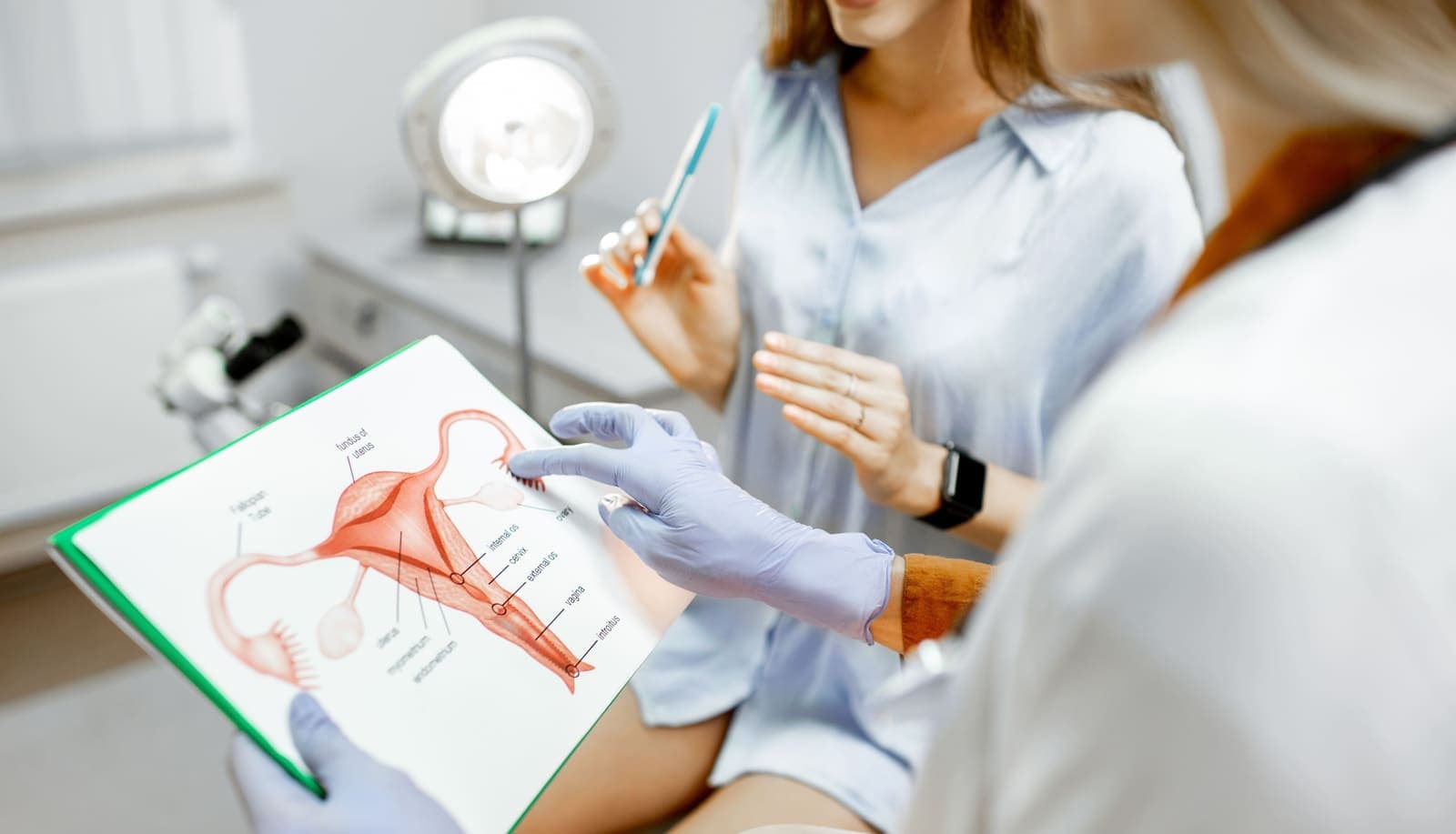
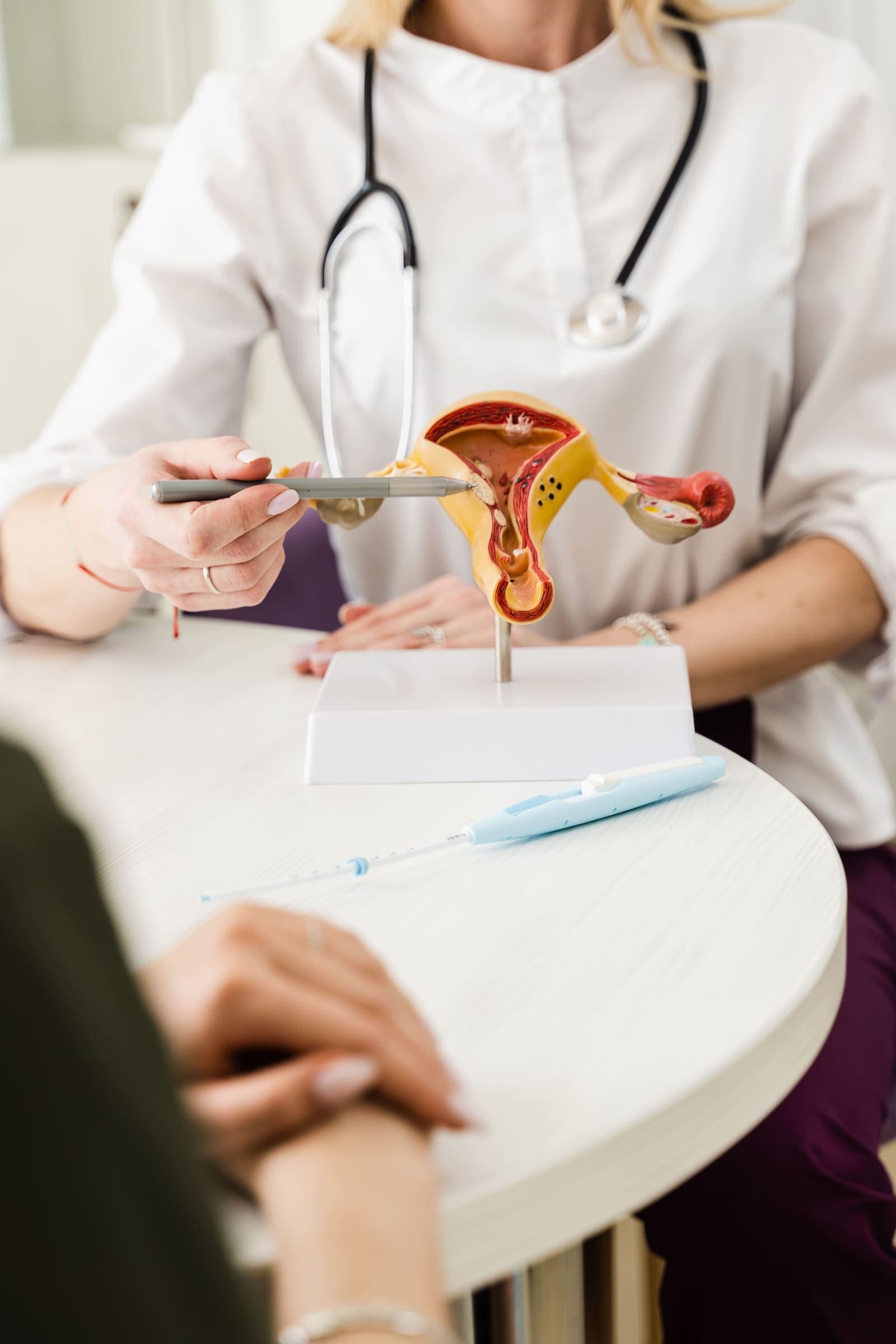
The lower abdomen — the space between the navel and the pelvis — contains a remarkable number of organs and structures. In women, this region houses the uterus, both ovaries, the fallopian tubes, parts of the bowel, the bladder, the ureters, and surrounding muscles, ligaments, and nerves. Pain arising from any of these structures can feel similar — which is exactly why lower abdominal pain in women requires careful evaluation rather than reflexive reassurance.
The character of the pain offers clues. Cramping pain — rhythmic, wave-like — often suggests uterine or bowel contractions. A dull, constant ache suggests sustained pressure or inflammation. Sharp, sudden pain on one side suggests something acute — a cyst rupturing, torsion of an ovary, or an ectopic pregnancy. Pain that worsens during periods, ovulation, or sex is more likely to have a gynaecological driver. Pain after eating or before bowel movements is more likely digestive.
But character alone rarely confirms a diagnosis. That is what clinical evaluation, ultrasound, and appropriate investigations are for.
Gynaecological Causes of Lower Abdominal Cramping
1. Menstrual Cramps (Dysmenorrhoea)
The most common cause of lower abdominal cramping in women of reproductive age. Uterine contractions — driven by prostaglandins released as the uterine lining sheds — cause the rhythmic, wave-like cramping pain that accompanies menstruation. For most women, this is manageable with heat, rest, and mild pain relief.
When it becomes a concern: Pain that is severe enough to prevent normal activity, that requires strong pain medication every cycle, that is getting progressively worse over months or years, or that persists even outside of the period itself may indicate an underlying condition. Primary dysmenorrhoea (period pain without an underlying cause) is common and manageable. Secondary dysmenorrhoea — period pain caused by an underlying condition like endometriosis, fibroids, or adenomyosis — needs proper evaluation and treatment.
2. Endometriosis
Endometriosis is one of the most important — and most underdiagnosed — conditions causing chronic lower abdominal and pelvic pain in Indian women. Tissue similar to the uterine lining grows outside the uterus, on the ovaries, fallopian tubes, pelvic lining, or bowel. This tissue responds to hormonal cycles by swelling and bleeding just as the uterine lining does — but with nowhere to exit the body. The result is inflammation, scarring, and adhesions that cause pain that is chronic, cyclical, and often debilitating.
Estimates suggest that approximately 28% of women with chronic pelvic pain have endometriosis — yet many Indian women live with it for a decade or more before receiving a diagnosis. The average delay between symptom onset and diagnosis in India is significant, largely because severe period pain is normalised rather than investigated.
Symptoms to recognise: severe menstrual cramps, chronic pelvic pain (not just during periods), pain during or after sex, pain during bowel movements or urination, heavy or irregular periods, and fertility challenges. Definitive diagnosis requires laparoscopy.
3. Uterine Fibroids
Fibroids are non-cancerous growths in the muscle of the uterus. They are remarkably common — affecting a large proportion of Indian women between 30 and 50 — and in many cases produce no symptoms. However, when they are large, numerous, or positioned to press on surrounding structures, they cause lower abdominal pain, pressure, heavy menstrual bleeding, frequent urination, constipation, and a feeling of persistent heaviness in the lower abdomen.
Pain from fibroids is typically described as a constant pressure or dull ache rather than sharp cramping — though it can worsen with menstruation.
4. Ovarian Cysts
Most ovarian cysts are functional — they form as part of the normal ovulatory process and resolve on their own without treatment. These small cysts rarely cause symptoms. Larger cysts, or cysts that rupture or twist, are a different matter.
Rupture — A cyst that ruptures releases its fluid into the pelvic cavity, causing sudden, sharp, one-sided lower abdominal pain that may be severe. This sometimes requires emergency evaluation to rule out significant internal bleeding.
Torsion — An ovarian cyst that is large enough can cause the ovary to twist on its blood supply — ovarian torsion. This is a gynaecological emergency characterised by sudden, severe, one-sided lower abdominal pain, often with nausea and vomiting. Delay in treatment can result in loss of the ovary. If pain of this character occurs, seek emergency care immediately.
5. Pelvic Inflammatory Disease (PID)
PID is an infection of the reproductive organs — the uterus, fallopian tubes, and ovaries — typically caused by bacteria ascending from the vagina or cervix. It most commonly affects sexually active women of reproductive age. Symptoms include lower abdominal pain (often bilateral), fever, abnormal vaginal discharge, and sometimes irregular bleeding.
Untreated PID can cause scarring of the fallopian tubes, which significantly increases the risk of ectopic pregnancy and infertility. Early diagnosis and treatment with antibiotics is critical.
6. Adenomyosis
Adenomyosis occurs when the uterine lining grows into the muscular wall of the uterus itself. It causes heavy, painful periods, chronic pelvic pain, and a uterus that is enlarged and tender to touch. It is more common in women in their 30s and 40s and is frequently confused with or coexists with endometriosis.
7. Ectopic Pregnancy
An ectopic pregnancy occurs when a fertilised egg implants outside the uterus — most commonly in the fallopian tube. As the pregnancy grows, it causes increasingly severe one-sided lower abdominal pain, often with vaginal bleeding, dizziness, and shoulder pain (from bleeding irritating the diaphragm). An ectopic pregnancy is a medical emergency. Without urgent treatment — usually surgery — it can be life-threatening.
Any woman of reproductive age experiencing sudden, severe one-sided lower abdominal pain, especially with vaginal bleeding or dizziness, must seek emergency medical attention immediately.
8. Mittelschmerz (Ovulation Pain)
Some women experience a brief, mild one-sided lower abdominal pain at the time of ovulation — approximately mid-cycle. This is called mittelschmerz (German for "middle pain") and is considered a normal variation. It is caused by the stretching of the ovarian wall as the follicle ruptures to release the egg. It typically lasts from a few minutes to a few hours.
Non-Gynaecological Causes of Lower Abdominal Pain in Women
Not all lower abdominal pain in women has a gynaecological cause. The proximity of the bowel, bladder, and other structures to the reproductive organs means their conditions can feel identical to gynaecological pain.
1. Irritable Bowel Syndrome (IBS)
IBS is extremely common in Indian women and is among the most frequent non-gynaecological causes of chronic lower abdominal cramping. The characteristic pattern — cramping that is often relieved by a bowel movement, associated with bloating, alternating constipation and diarrhoea, and worsened by stress — helps distinguish it from pure gynaecological pain. However, IBS and gynaecological conditions frequently coexist, and women with endometriosis in particular have much higher rates of IBS.
2. Urinary Tract Infections (UTIs)
Lower abdominal pain or pressure, combined with burning urination and frequent urges to urinate, suggests a UTI. Bladder infections cause pain in the suprapubic region — just above the pubic bone — that can feel similar to pelvic pain. UTIs are very common in Indian women and are easily treated with antibiotics when promptly diagnosed.
3. Constipation
Hard, infrequent stools create cramping and lower abdominal pressure that can be genuinely painful and easily confused with gynaecological causes. Constipation is particularly common during pregnancy (when progesterone slows the bowel) and in women on iron supplements.
4. Appendicitis
Appendicitis — inflammation of the appendix — begins as cramping pain around the navel that progressively migrates to the lower right abdomen and becomes constant, worsening, and associated with fever, nausea, and loss of appetite. This is a surgical emergency. Any lower right abdominal pain that progressively worsens over hours, particularly with fever, warrants urgent evaluation.
Lower Abdominal Pain During Pregnancy: What Is Normal and What Is Not
Pregnancy brings its own range of lower abdominal sensations — many completely normal, some requiring prompt attention.
Normal in pregnancy:
- Round ligament pain — Sharp, brief pain on one or both sides of the lower abdomen, often triggered by sudden movement. The round ligaments support the uterus and stretch significantly as the uterus grows. This pain is harmless but can be startling.
- Braxton Hicks contractions — Irregular, usually painless tightening of the uterus that begins in the second trimester. They do not have a regular pattern and do not progressively worsen.
- General pelvic pressure — As the baby grows, pressure on the bladder, bowel, and pelvic floor increases.
Requires urgent evaluation in pregnancy:
- Regular contractions before 37 weeks — Contractions occurring every 10 minutes or less may indicate preterm labour
- Severe, constant abdominal pain — particularly if accompanied by fever, vaginal bleeding, or a rigid abdomen
- Sudden severe pain after 20 weeks with vaginal bleeding — possible placental abruption (placenta separating from the uterine wall), a serious obstetric emergency
- One-sided severe pain with vaginal bleeding in the first trimester — possible ectopic pregnancy
- Upper right abdominal pain with high blood pressure, severe headache, or visual changes — possible HELLP syndrome or severe preeclampsia
Low Iron Anaemia During Pregnancy: An Underappreciated Danger
Lower abdominal discomfort during pregnancy sometimes accompanies a condition that is chronically undertreated in India — iron deficiency anaemia. This section deserves its own attention, because anaemia during pregnancy is not just a number on a blood test. It is a condition with real consequences for both mother and baby.
1. How Common Is It?
India's National Family Health Survey (NFHS-5) reveals that over 50% of pregnant Indian women have anaemia — defined as haemoglobin below 11 g/dL. This is one of the highest rates in the world. Many of these women have been anaemic before pregnancy and become progressively more deficient as the pregnancy's iron demands escalate in the second and third trimesters.
2. Why Pregnancy Demands So Much Iron
Iron is needed to produce haemoglobin — the protein that carries oxygen in red blood cells. During pregnancy, blood volume increases by approximately 40 to 50%. To meet this expanded blood volume, the body needs significantly more iron than usual. At the same time, the developing baby draws iron directly from the mother's circulation for its own blood formation, brain development, and organ function.
A mother who enters pregnancy with low iron stores — which describes a very large proportion of Indian women — has essentially no buffer for these escalating demands. The result is a progressive deepening of deficiency through the second and third trimesters, precisely when both maternal and fetal iron needs are highest.
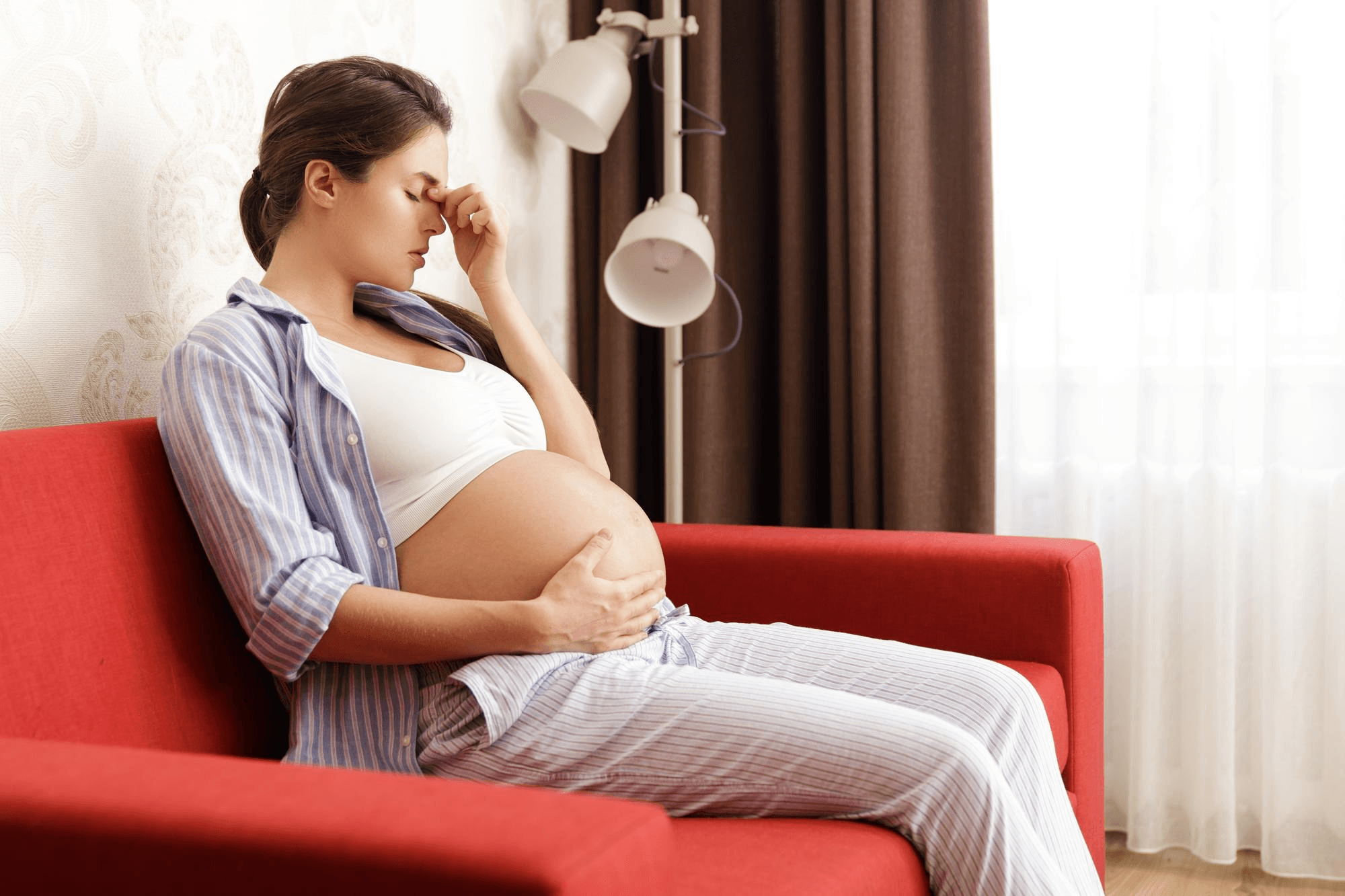
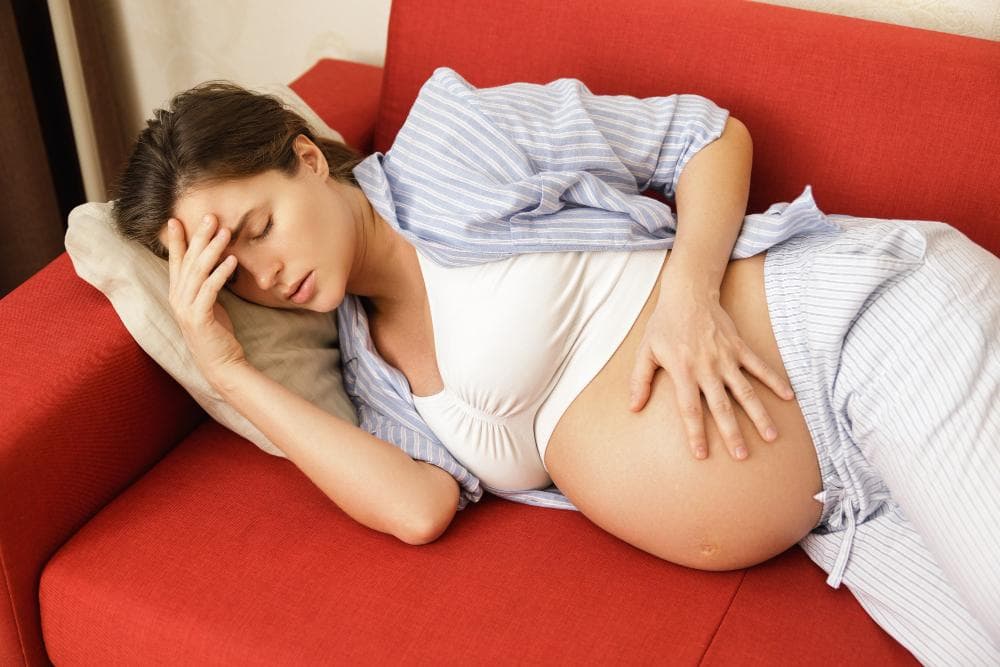
A visibly tired pregnant woman sits on a couch, cradling her abdomen.
3. What Low Iron Anaemia Does to the Mother
- Persistent, worsening fatigue — far beyond the normal tiredness of pregnancy. Severe anaemia makes walking up a flight of stairs genuinely exhausting.
- Breathlessness — the heart and lungs work harder to compensate for reduced oxygen-carrying capacity
- Dizziness and lightheadedness — particularly on standing
- Palpitations — the heart beats faster to compensate
- Pale skin, pale inner eyelids — a visible sign of haemoglobin deficiency
- Craving or chewing non-food items (pica) — a characteristic symptom of severe iron deficiency, manifesting as cravings for chalk, clay, ice, or soil
- Reduced immunity — increasing vulnerability to infections
- Increased risk of postpartum haemorrhage — a woman who is already anaemic going into delivery has less physiological reserve to manage any blood loss during or after birth
- Increased risk of postpartum depression — emerging research links severe postpartum anaemia to depressive symptoms in the weeks after birth
4. What Low Iron Anaemia Does to the Baby
This is the part that is most underemphasised. Research published across multiple Indian and international studies shows that maternal iron deficiency anaemia — particularly when present in the first and second trimesters — is associated with:
- Low birth weight — Babies born to anaemic mothers are at significantly higher risk of weighing less than 2.5 kg at birth
- Preterm birth — Iron deficiency anaemia increases the risk of the baby arriving before 37 weeks
- Impaired fetal brain development — Iron is critical for brain myelination and neural connectivity. Iron deficiency during the second and third trimesters — when fetal brain growth is most rapid — can affect long-term neurocognitive development
- Increased risk of infant anaemia — Babies born to iron-deficient mothers are born with lower iron stores and may become anaemic themselves in the early months of life
A landmark study presented at the Society for Maternal-Fetal Medicine cited research specifically linking maternal iron deficiency anaemia in early pregnancy with increased risks of autism and schizophrenia in offspring — a finding that underscores how significantly early iron status shapes fetal brain development.
5. Diagnosing and Treating Iron Deficiency Anaemia in Pregnancy
A routine antenatal blood test — the complete blood count (CBC) — measures haemoglobin. Your gynaecologist should check haemoglobin at least twice during pregnancy — at the first antenatal visit and again in the third trimester. Ferritin (iron stores) and serum iron tests give a more complete picture of iron status.
Treatment depends on the degree of deficiency:
Mild anaemia (Hb 10–11 g/dL): Oral iron supplements — typically ferrous sulphate or ferrous ascorbate — are the standard first-line treatment in India. Taking iron supplements with Vitamin C (a glass of orange juice or amla juice) significantly improves absorption. Taking them on an empty stomach maximises absorption but worsens side effects (nausea, constipation); with food reduces side effects at the cost of some absorption.
Moderate to severe anaemia (Hb below 10 g/dL, particularly in the second or third trimester): Intravenous (IV) iron infusion is increasingly recommended over oral iron because it corrects haemoglobin levels far more quickly and reliably. A landmark Indian trial — the RAPIDIRON study — found that a single IV iron infusion administered in the early second trimester was significantly more effective than oral iron at achieving normal haemoglobin by the third trimester and was associated with reduced rates of low birth weight.
Dietary support alongside supplementation: Iron-rich foods — palak, rajma, dates, jaggery, sesame seeds, horse gram — should be emphasised throughout pregnancy. Pair them always with Vitamin C-rich foods to maximise absorption.
6. Foods That Raise Iron in Pregnancy
- Palak (spinach) sabzi with lemon juice
- Rajma and chana cooked with tomatoes (tomato is Vitamin C-rich, improving iron absorption)
- Dates (khajoor) — 4 to 6 dates daily provide a meaningful iron contribution
- Jaggery (gur) — use in place of sugar where possible
- Sesame seeds (til) chutney or laddoos
- Horse gram (kulthi dal) — one of the highest plant iron sources available in India
- Pomegranate juice (fresh) — provides both iron and Vitamin C together
When Should You See a Gynecologist for Lower Abdominal Pain?
Many women delay seeking evaluation for lower abdominal pain because they have been conditioned to dismiss it. These are the situations where you should not wait:
- Pain that is progressively worsening over weeks or months
- Cramping that is severe enough to interfere with daily activity, work, or sleep
- Pain that is accompanied by fever, unusual vaginal discharge, or heavy vaginal bleeding
- Sudden, severe pain — particularly one-sided — that does not ease with position change
- Pain during pregnancy, particularly with bleeding, fever, or unusual pressure
- Cramping associated with significant fatigue, breathlessness, or dizziness — especially during pregnancy — as this combination suggests anaemia that needs testing
- Any pain that you are not sure about — uncertainty is a legitimate reason to seek evaluation
Gynaecological and Obstetric Care in Noida and Greater Noida
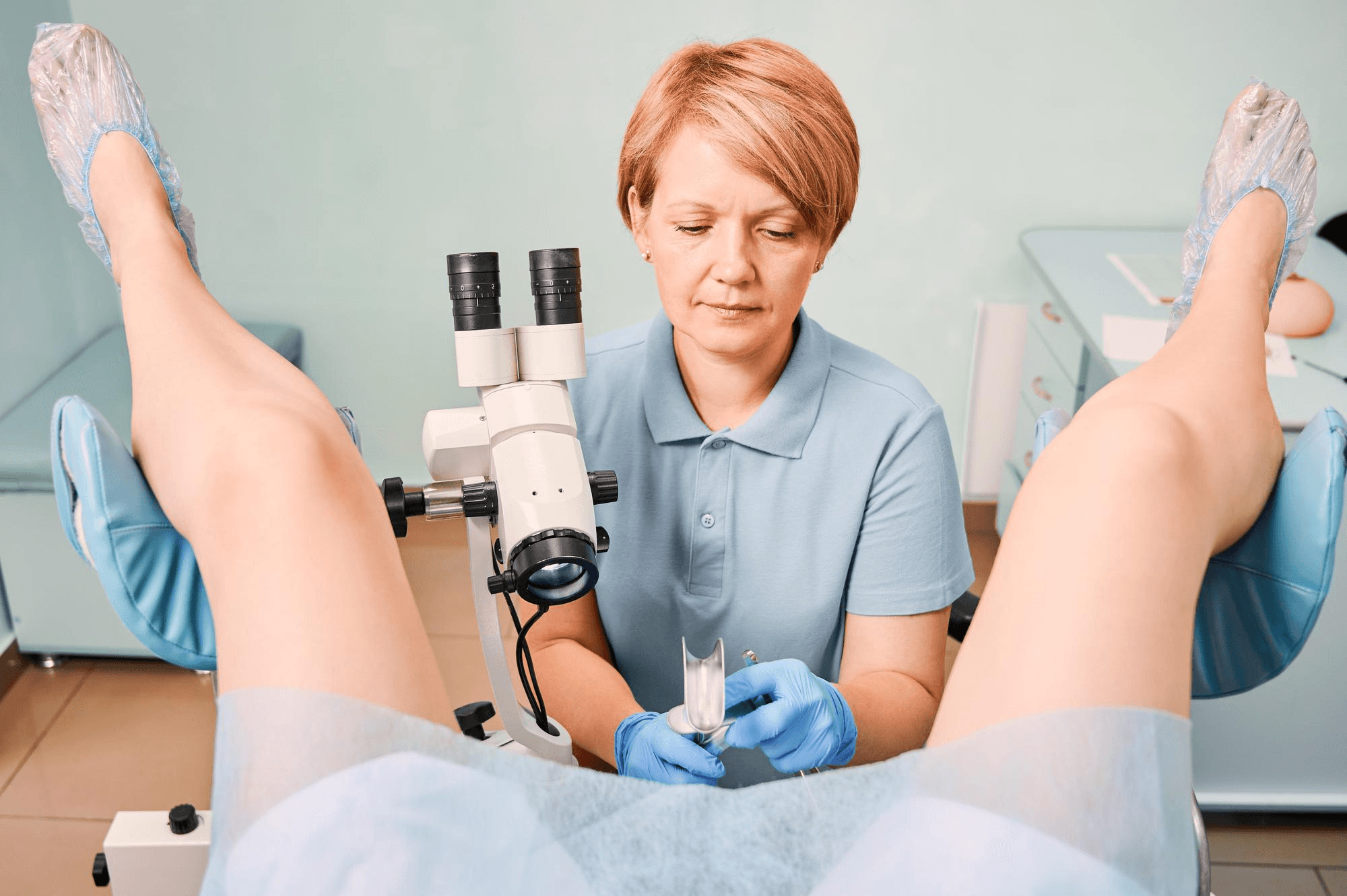
Dr. Shachi Singh at Prakash Hospital, Sector 33, Noida, evaluates and treats the full spectrum of conditions causing lower abdominal pain in women — from endometriosis and fibroids to ovarian cysts, pelvic infections, and pregnancy-related concerns. She also provides comprehensive antenatal care including monitoring and treatment of iron deficiency anaemia throughout pregnancy.
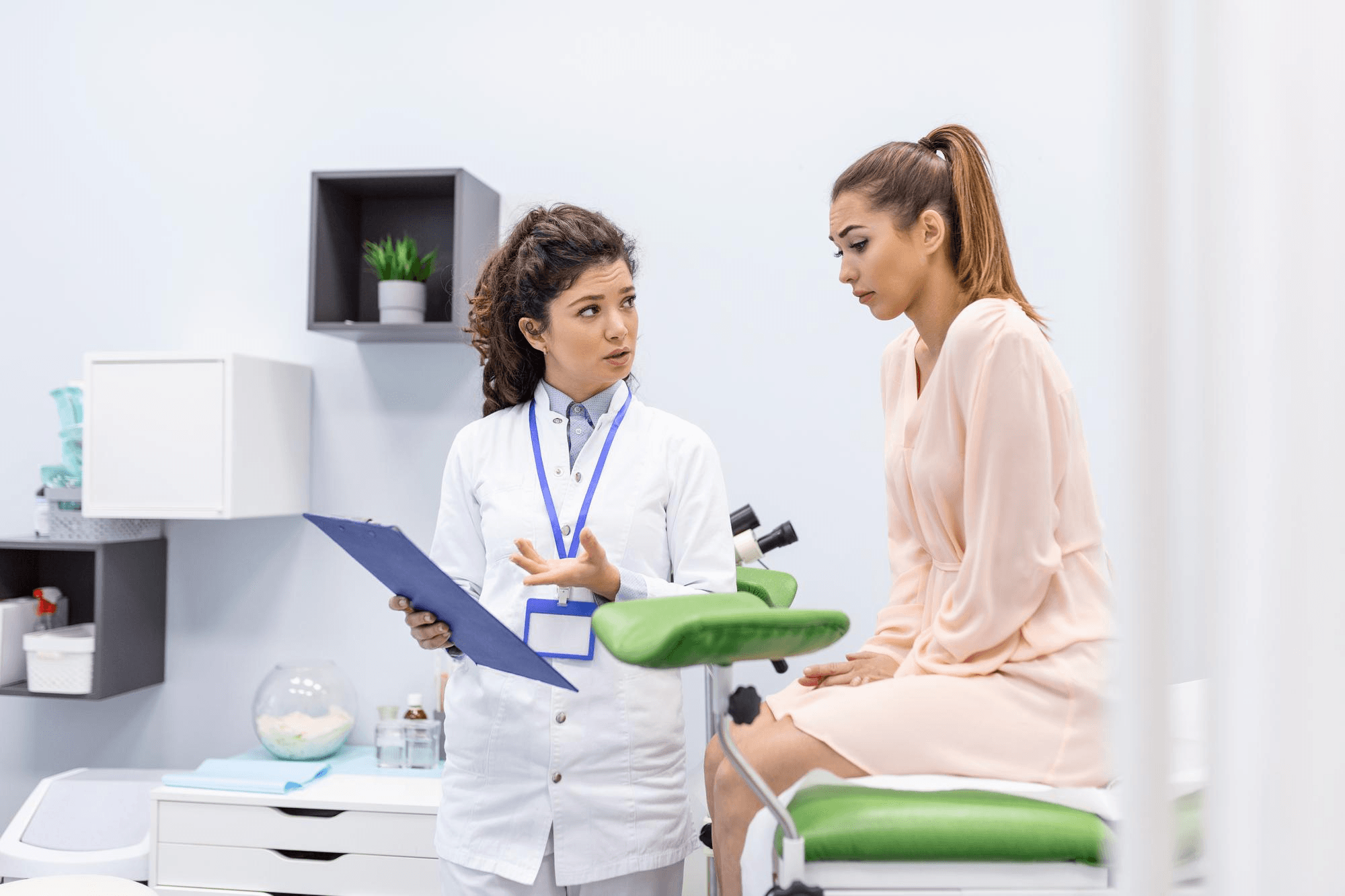
If you have been living with unexplained pelvic pain, or if you are pregnant and concerned about your haemoglobin levels or abdominal discomfort, a proper clinical evaluation is the right step.
To book a consultation with Dr. Shachi Singh, call: +91 97023 46853
Clinic Hours: Monday to Saturday, 9 AM – 6 PM | Sunday, 10 AM – 2 PM
Clinic Address: D-12A, 12B, Sector-33, G.B. Nagar, Noida, Uttar Pradesh 201301
Frequently Asked Questions
1. What is the most common cause of lower abdominal cramping in women?
The most common cause is menstrual cramps (dysmenorrhoea) — uterine contractions during menstruation. However, when cramping is severe, persistent, or occurs outside the menstrual period, conditions like endometriosis, fibroids, ovarian cysts, or pelvic infections should be evaluated.
2. When should I go to a doctor for lower abdominal pain?
Seek evaluation if the pain is severe, progressively worsening, accompanied by fever or unusual bleeding, or if you experience sudden one-sided severe pain (possible torsion or ectopic pregnancy). In pregnancy, any new or worsening abdominal pain warrants prompt attention.
3. Can anaemia cause lower abdominal pain?
Iron deficiency anaemia itself does not typically cause lower abdominal cramping, but it causes profound fatigue, breathlessness, dizziness, and pallor — symptoms that often coexist with conditions that do cause pelvic pain. In pregnancy, severe anaemia is associated with complications that include preterm contractions.
4. How common is anaemia during pregnancy in India?
Extremely common — the National Family Health Survey indicates over 50% of pregnant Indian women have haemoglobin below 11 g/dL. This is one of the highest anaemia rates globally. Regular haemoglobin testing throughout pregnancy is essential.
5. What foods help with low iron during pregnancy?
The best Indian sources of iron during pregnancy include palak (spinach), rajma, chana, whole masoor dal, dates (khajoor), jaggery (gur), sesame seeds (til), and horse gram (kulthi dal). Always pair iron-rich foods with Vitamin C sources — lemon juice, amla, tomatoes — to maximise absorption.
6. Is cramping during the first trimester always a sign of miscarriage?
No. Mild cramping in early pregnancy is extremely common and often represents normal uterine adjustment as the embryo implants and the uterus begins to grow. However, cramping accompanied by significant vaginal bleeding, or severe one-sided cramping, requires prompt medical evaluation.
7. What is ovarian torsion and how do I recognise it?
Ovarian torsion occurs when a cyst or mass causes the ovary to twist on its blood supply. It causes sudden, severe, one-sided lower abdominal pain — often with nausea and vomiting — that does not ease with rest or position change. It is a gynaecological emergency requiring urgent surgery to save the ovary.
This blog is written for educational and informational purposes only. Lower abdominal pain has many possible causes, and proper clinical evaluation is essential for accurate diagnosis. Please consult Dr. Shachi Singh or a qualified gynaecologist for evaluation specific to your symptoms.