Blocked Fallopian Tubes: Causes, How They Are Diagnosed, and What Can Be Done

A woman explaining her problems to a gynecologist about her infertility in a clinic, seeking help from medical experts for help.
Blocked fallopian tubes are responsible for approximately 25 to 30% of female infertility cases in India, and unlike many other causes of infertility, they produce no symptoms until a woman discovers she cannot conceive.
No pain. No irregular periods. No external sign of any problem. The tubes are blocked, silently, and the only way to discover this is through an infertility investigation.
This is part of why the diagnosis can feel so disorienting. You come in asking why pregnancy has not happened, expecting perhaps a hormonal issue, and you leave having learned there is a structural barrier that has been present the whole time.
The good news is that tubal factor infertility is diagnosable through straightforward testing and, in many cases, treatable — either by restoring tubal function surgically or by bypassing the tubes entirely through IVF. Understanding your specific situation clearly is the first step to a plan that actually makes sense for you.
Dr. Shachi Singh, consultant gynaecologist and infertility specialist at Prakash Hospital, Sector 33, Noida, evaluates and manages tubal factor infertility for women across Noida and Greater Noida. This guide explains what causes tubal blockage, how it is diagnosed, and what the treatment options actually look like.
How the Fallopian Tubes Work
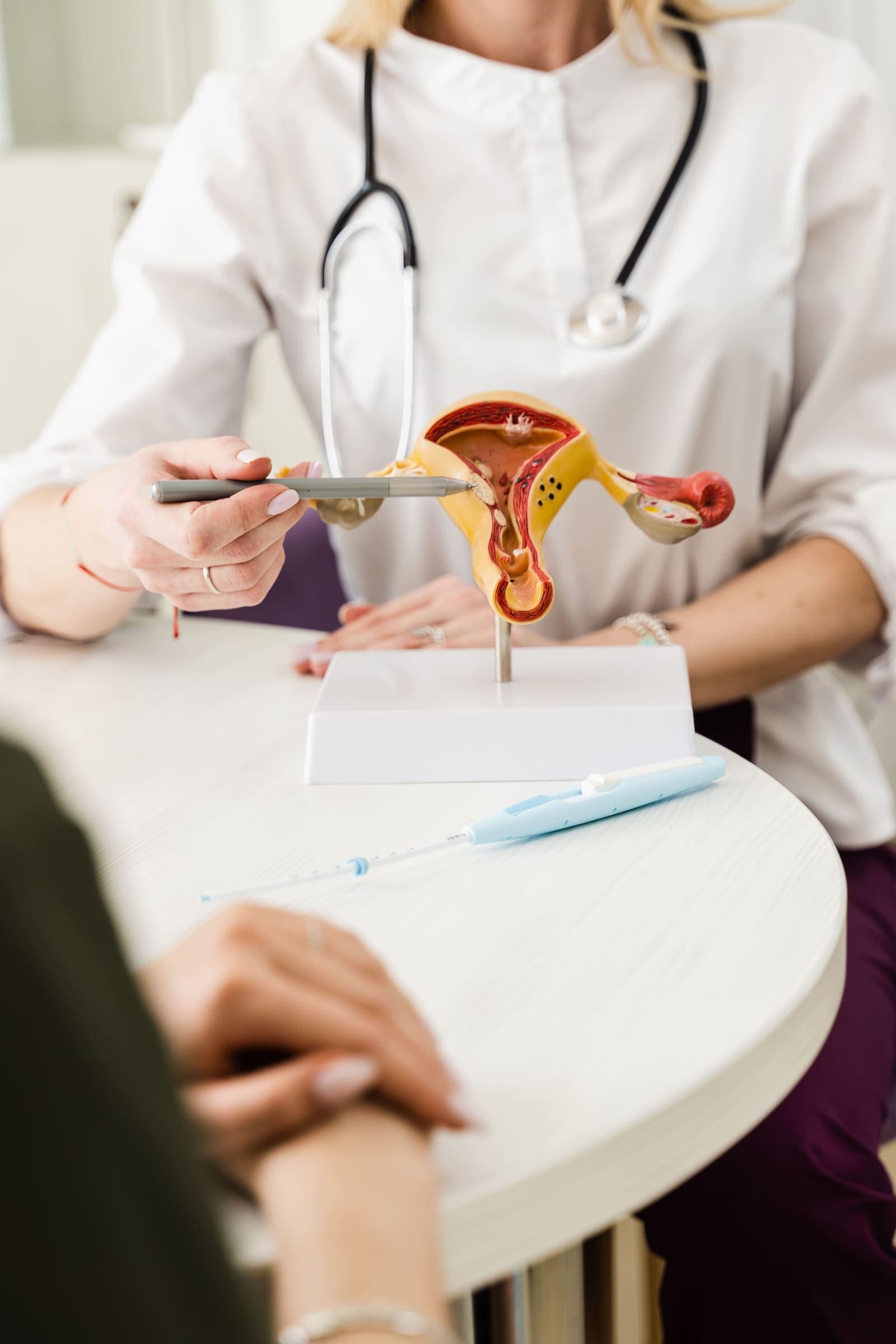
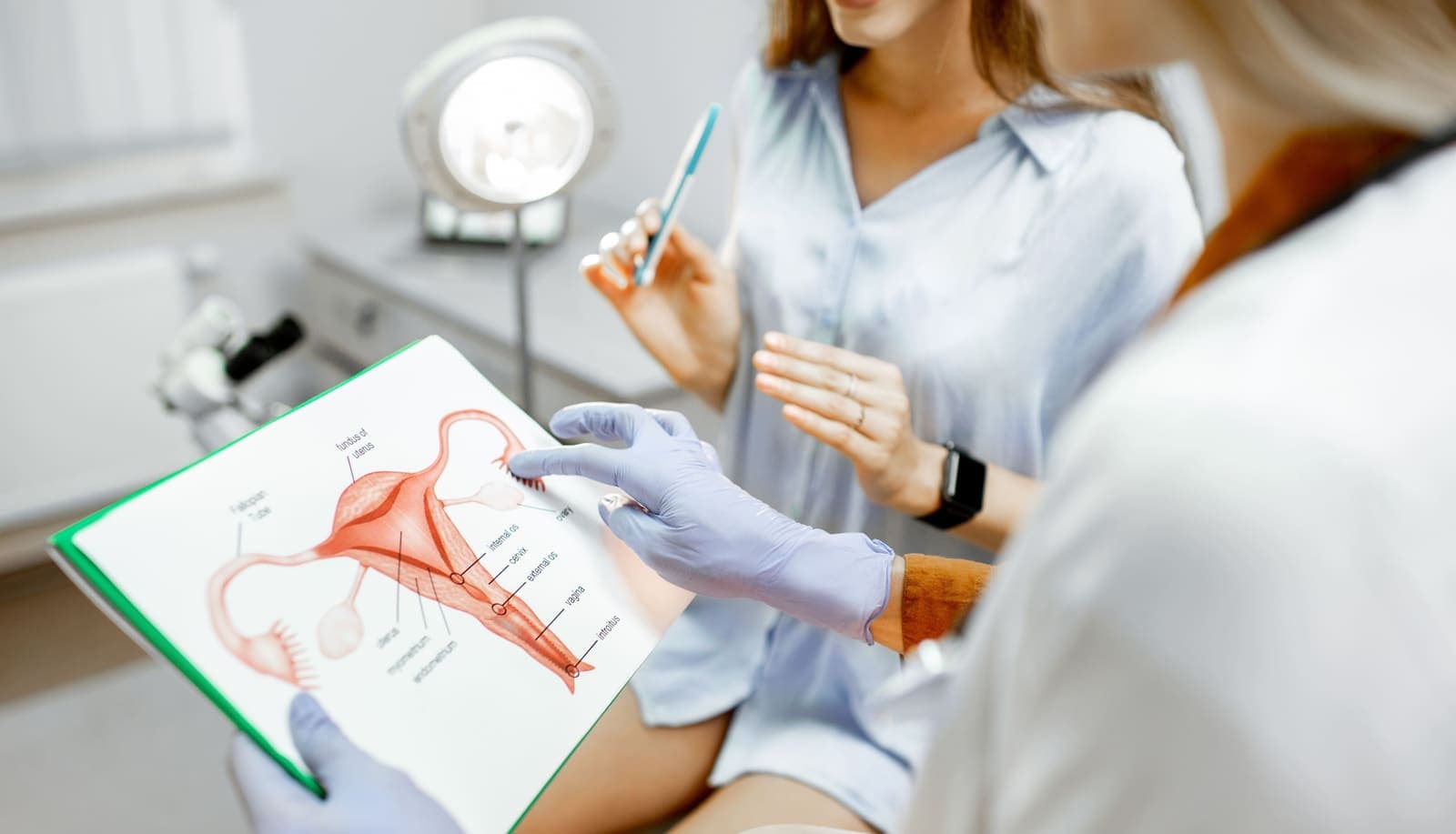
Each fallopian tube is a 10 to 12 centimetre muscular tube connecting the uterus to the ovary on that side. They are lined with hair-like projections called cilia and contain smooth muscle that creates gentle waves of movement.
When an egg is released from the ovary at ovulation, the fimbriae — finger-like projections at the far end of the tube — sweep the egg into the tube. Sperm travel up through the uterus into the tube. Fertilisation occurs in the tube, typically in the outer third called the ampulla. The fertilised egg is then carried by the tube's cilia and muscle contractions toward the uterus over 3 to 5 days, where it implants.
When a tube is blocked, this sequence cannot happen. Sperm cannot reach the egg, or if fertilisation somehow occurs at the wrong point, the embryo cannot travel to the uterus — leading to ectopic pregnancy.
What Causes Fallopian Tube Blockage
Pelvic Inflammatory Disease (PID)
The most common cause globally. PID is an ascending infection from the vagina or cervix — typically caused by bacteria including chlamydia and gonorrhoea — that causes inflammation and scarring of the fallopian tubes. Each episode of untreated or inadequately treated PID causes progressive tubal damage. Even an episode resolved with antibiotics may leave behind adhesions or scarring that obstruct the tube.
Many women do not realise they have had PID — mild infections may cause only vague lower abdominal discomfort that is attributed to other causes. Chlamydia in particular frequently causes minimal or no symptoms in women while silently damaging the tubes.
Pelvic Tuberculosis (TB) — A Significant Indian-Specific Cause
Genital tuberculosis is a significant and often underappreciated cause of tubal blockage in India. TB affecting the fallopian tubes typically arises from haematogenous spread (via the bloodstream) from pulmonary TB or another primary TB focus. The tubes are the most commonly affected part of the female reproductive tract in genital TB.
Genital TB frequently presents as unexplained infertility without other obvious TB symptoms — the pulmonary infection may have been asymptomatic, resolved, or occurred years earlier. It is estimated to account for 5 to 10% of female infertility in India, and up to 40% in some high-prevalence regions.
Genital TB is diagnosed through endometrial biopsy (TB culture), laparoscopy, or, in some cases, PCR-based testing. It is treated with the standard anti-tuberculosis regimen, though tubal damage from TB is often severe and may not be reversible with medical treatment alone.
Any woman presenting with unexplained infertility in India — particularly with bilateral tubal blockage found on HSG — should have genital TB considered in the differential.
Endometriosis
Endometriosis affects the fallopian tubes and pelvic peritoneum through adhesion formation. Endometriotic deposits create inflammatory responses that form bands of scar tissue (adhesions), which can distort tubal anatomy, block the fimbriae, or kink the tubes — preventing egg pickup or passage. In advanced endometriosis, dense adhesions can effectively bind the tubes to the ovary, uterus, or bowel, rendering them non-functional.
Previous Pelvic Surgery
Any abdominal or pelvic surgery can cause adhesions as part of the healing process. Surgeries most commonly associated with tubal adhesions include: appendectomy (particularly for a perforated appendix), caesarean section (particularly multiple), ovarian cyst surgery, and bowel surgery. The adhesions may partially or completely obstruct the tube or restrict its normal mobility.
Previous Ectopic Pregnancy
An ectopic pregnancy that implants in the fallopian tube causes tubal damage — either from the ectopic itself or from the surgery required to remove it. Even when the tube is conserved during ectopic treatment, the damaged segment may not function normally and can become obstructed.
Hydrosalpinx
A hydrosalpinx is a specific form of tubal obstruction where the blocked tube fills with fluid, becoming distended. It appears as a fluid-filled sac on ultrasound. Beyond simply blocking the tube, a hydrosalpinx actively impairs IVF outcomes — the fluid from a hydrosalpinx is toxic to developing embryos and significantly reduces implantation rates. In women undergoing IVF with a hydrosalpinx, surgical removal or clipping of the affected tube before IVF is strongly recommended by fertility guidelines.
Diagnosing Blocked Fallopian Tubes
Hysterosalpingogram (HSG)
The HSG is the standard first-line test for tubal patency. It is an outpatient procedure done in a radiology department or a gynaecology clinic.
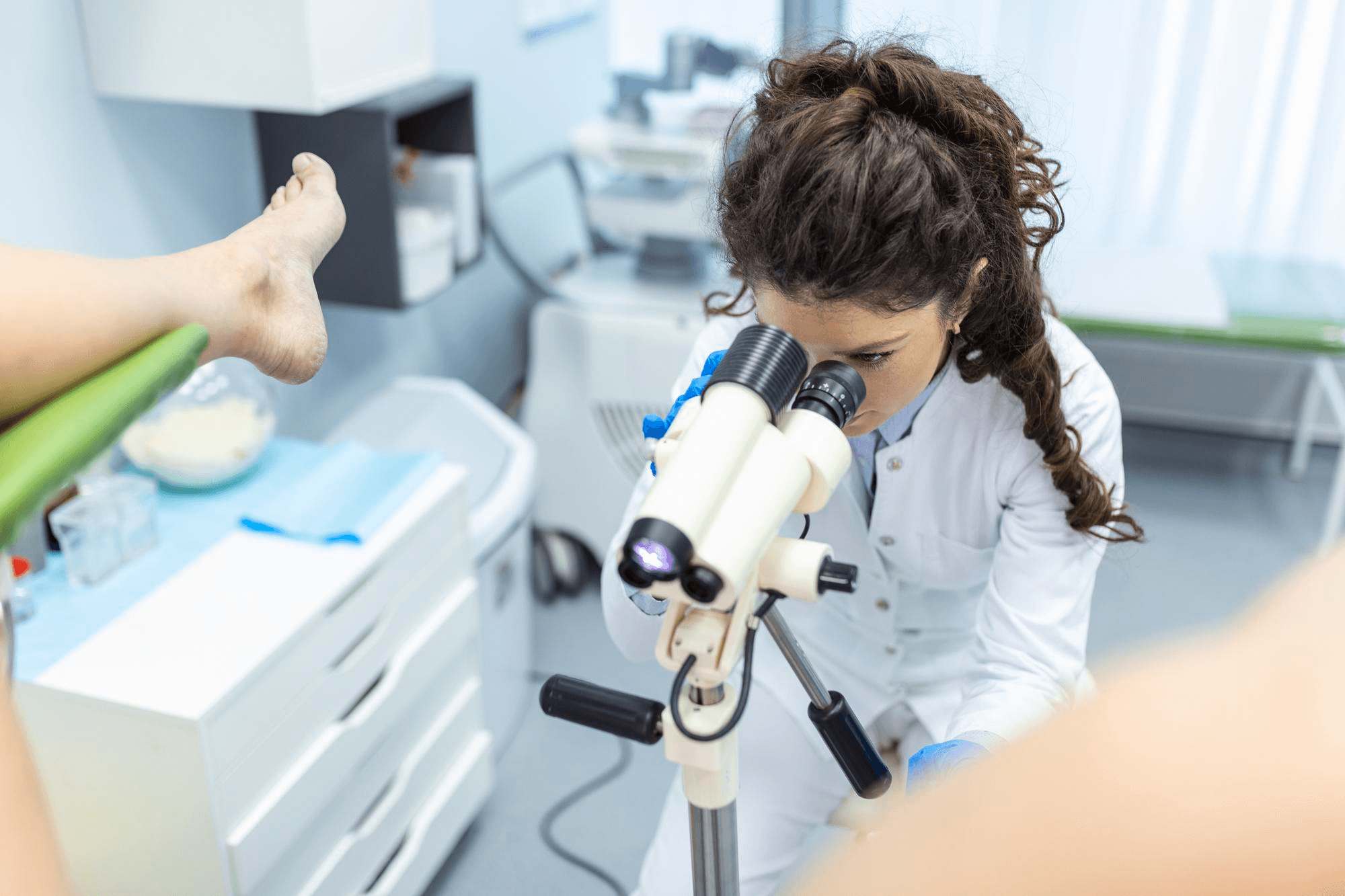
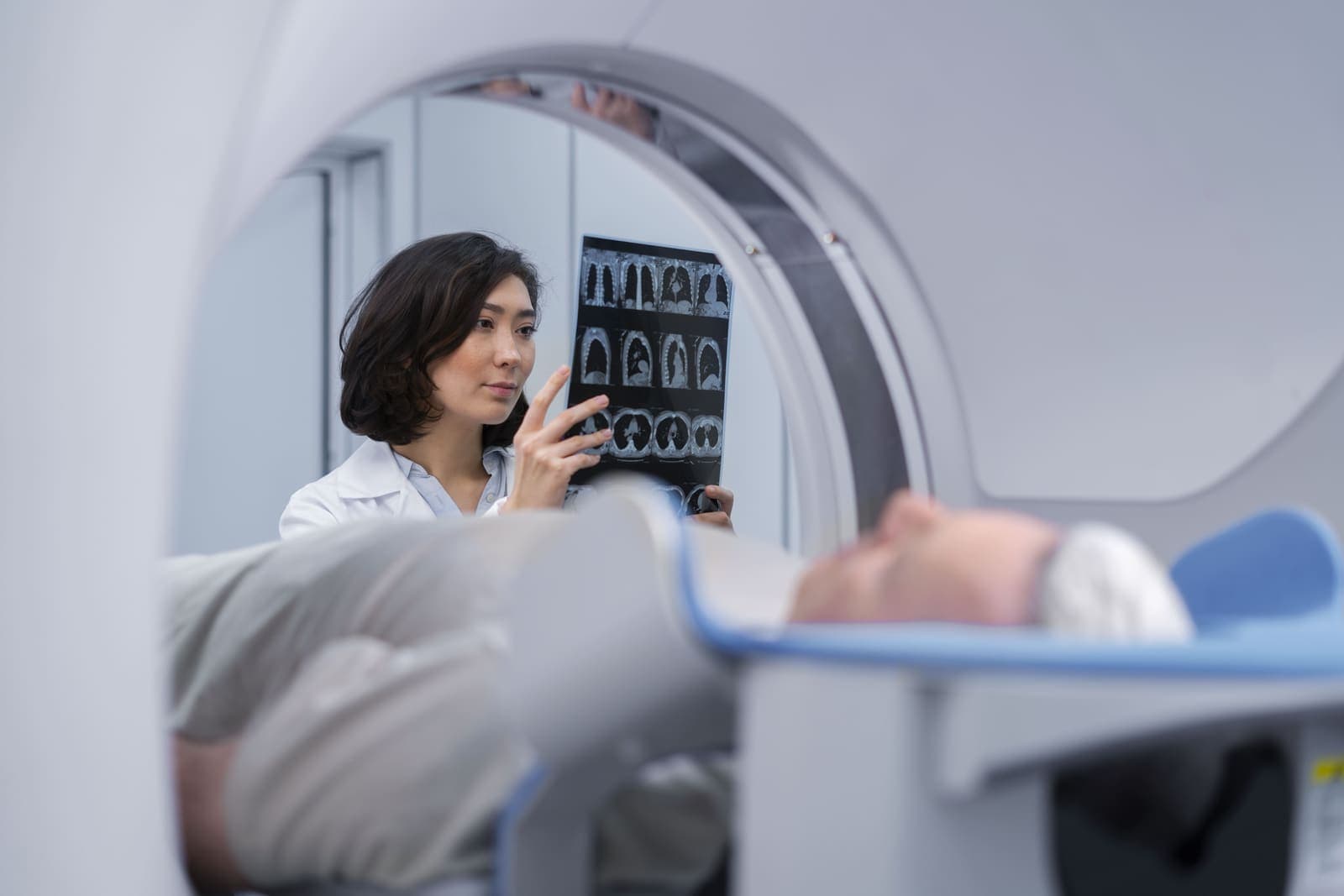
How it works: A speculum is placed in the vagina. A thin catheter is passed through the cervix. A water-soluble contrast dye is gently injected into the uterine cavity. An X-ray captures the path of the dye as it flows through the uterus and into the fallopian tubes. In open tubes, dye spills freely into the pelvis at the fimbriated end. In blocked tubes, the dye stops at the point of blockage.
What it shows: Whether the tubes are open (patent), partially obstructed, or completely blocked. Location of the blockage (proximal — near the uterus, or distal — near the fimbrial end). Shape of the uterine cavity (fibroids, polyps, septa). The procedure takes about 15 to 20 minutes.
Discomfort: Most women experience cramping during and just after the dye injection, similar to strong menstrual cramps. Pre-medicating with ibuprofen one hour before significantly reduces this.
Timing: HSG is performed in the first half of the menstrual cycle — typically days 7 to 10 — after the period has ended but before ovulation.
Limitation: HSG has a 15 to 25% false-positive rate — it can show apparent blockage where no true blockage exists, often due to tubal spasm at the point of dye injection. A proximal blockage seen on HSG may or may not represent a true obstruction. Repeat HSG or laparoscopy with dye test (chromopertubation) provides confirmation.
Laparoscopy with Chromopertubation
The most accurate way to assess tubal patency. During a diagnostic laparoscopy, a blue dye (methylene blue) is injected through the cervix while the surgeon directly watches through the laparoscope to see whether the dye flows freely through each tube. This both confirms the diagnosis and, in some cases, allows simultaneous treatment of adhesions, endometriosis, or other findings.
Sonosalpingography (SSG / HyCoSy)
An ultrasound-based alternative to HSG, using saline or a contrast solution. Less radiation exposure than HSG. Increasingly used but slightly less definitive for complex tubal pathology. A good option in facilities with appropriate equipment and operator expertise.
Treatment Options for Blocked Fallopian Tubes
Laparoscopic Tubal Surgery
In selected cases, surgical restoration of tubal function is possible — particularly for
Proximal tubal blockage: Selective tubal cannulation (passing a thin wire through the tube under imaging guidance) or laparoscopic tubal repair can open proximal obstruction in some cases. Success depends on the extent and cause of blockage.
Fimbrial phimosis: Partial blockage at the fimbrial end can sometimes be opened laparoscopically (fimbrioplasty).
Tubal adhesiolysis: Releasing adhesions that are distorting the tubes without blocking them completely can restore function.
Tubal ligation is most appropriate for women who are young (good ovarian reserve), have mild tubal disease rather than severely damaged tubes, and whose blockage is not due to TB (which causes extensive irreversible damage).
Hydrosalpinx: As noted, hydrosalpinx is best managed by salpingectomy (removal of the affected tube) or laparoscopic clipping before IVF — not tubal repair, which has poor outcomes in this setting.
IVF — Bypassing the Tubes Entirely
For women with bilateral tubal blockage, severe tubal damage, previous failed tubal surgery, or hydrosalpinx, IVF is the most effective treatment. IVF removes the eggs directly from the ovaries (bypassing the tubes), fertilises them in the laboratory, and transfers the embryo directly to the uterus. The fallopian tubes are not involved at any step.
IVF success rates for tubal factor infertility are good, particularly in younger women with good ovarian reserve. This is the context in which IVF delivers some of its most consistent results, because the underlying problem (the tubes) is bypassed rather than managed.
A Note on Pelvic TB and Infertility
If pelvic TB is identified as the cause of tubal blockage, treatment with anti-tuberculosis medication is essential, even if the tubes cannot be repaired — untreated TB can affect the uterine cavity (endometrium) as well, preventing implantation even in IVF. After completion of TB treatment, the uterine environment is reassessed before fertility treatment proceeds. Women with pelvic TB and tubal damage generally have their best fertility outcomes through IVF after anti-TB treatment completion.
Infertility Care for Tubal Factor in Noida and Greater Noida
Dr. Shachi Singh at Prakash Hospital, Sector 33, Noida, provides complete infertility evaluation including HSG testing, laparoscopic diagnostic and surgical management of tubal disease, and coordination of IVF for women whose tubes cannot be surgically restored.
If you have been trying to conceive without success or have been told you may have a tubal issue, a thorough evaluation is the foundation of any meaningful treatment plan.
To book a consultation with Dr. Shachi Singh, call: +91 97023 46853
Clinic Hours: Monday to Saturday, 9 AM – 6 PM | Sunday, 10 AM – 2 PM
Clinic Address: D-12A, 12B, Sector-33, G.B. Nagar, Noida, Uttar Pradesh 201301
Frequently Asked Questions
Can one open fallopian tube be enough to get pregnant?
Yes — if one tube is open and the ovary on that side is functioning, natural conception is possible. However, the per-cycle probability is roughly halved compared to having both tubes open, since ovulation from the blocked side still allows the open tube to capture the egg in most cycles.
Is the HSG test painful?
Most women experience cramping during the dye injection, similar to moderate menstrual cramps. Taking ibuprofen one hour before the test significantly reduces discomfort. The procedure takes 15 to 20 minutes, and most women return to normal activity the same day.
Can blocked fallopian tubes be opened without surgery?
Selective tubal cannulation can open some proximal blockages without laparoscopy, using thin wires guided by imaging. However, for significant tubal disease — adhesions, hydrosalpinx, TB damage — surgical assessment and treatment (or IVF) is generally required.
Should I have surgery or go straight to IVF with blocked tubes?
This depends on the type and extent of blockage, your age, ovarian reserve, and the cause of the blockage. Young women with mild, surgically correctable tubal disease may benefit from surgery. Women with severely damaged tubes, bilateral hydrosalpinx, TB-related damage, or diminishing ovarian reserve generally do better going directly to IVF rather than spending time on tubal surgery with low success probability.
Is pelvic TB common in Noida?
India has one of the highest TB burdens globally, and genital TB is a significant cause of infertility in Indian women, estimated at 5 to 10% of female infertility cases nationally. In any Indian woman presenting with unexplained infertility and bilateral tubal blockage, genital TB should be specifically investigated.
This blog is written for educational and informational purposes only. Please consult Dr. Shachi Singh or a qualified infertility specialist for an evaluation specific to your situation.