The Annual Gynaecological Exam: What It Covers, Why It Matters, and What Age to Start

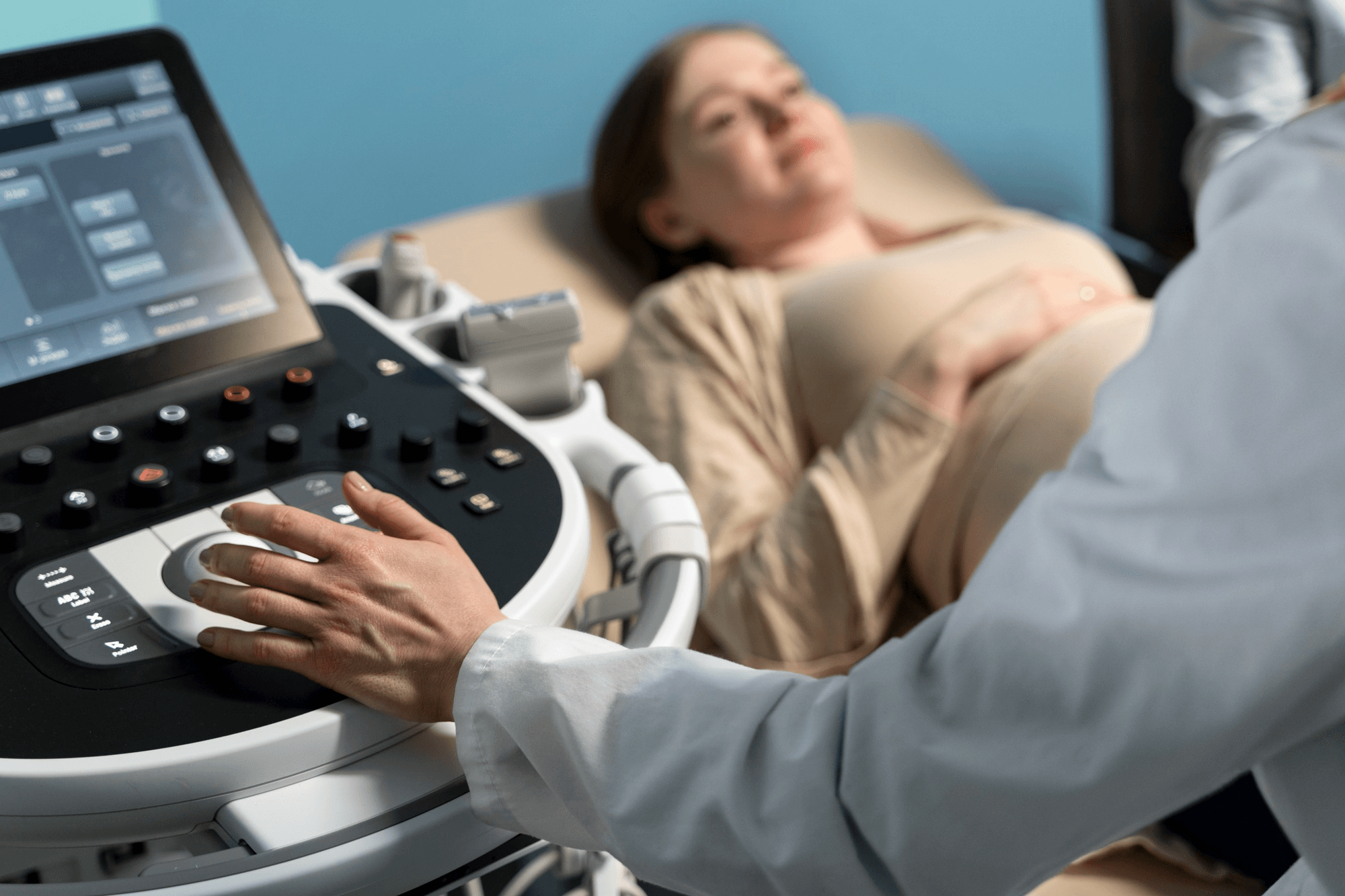
A woman chats with her gynecologist during a checkup, not why annual visits for women’s reproductive health matters.
Most Indian women see a gynaecologist only when something is wrong — a missed period, a symptom, a pregnancy. The concept of going when everything seems fine — for a routine annual check — is not as established as in many other countries.
This is a significant gap. Several conditions that affect women's reproductive and general health develop silently — without symptoms — and are only detected through proactive examination and testing. The annual gynaecological visit is not merely preventive box-ticking. It is genuinely different from waiting until symptoms appear.
Dr. Shachi Singh, consultant gynaecologist at Prakash Hospital, Sector 33, Noida, explains what an annual exam covers and why it cannot be replaced by only seeking care when something goes wrong.
What Age to Start and How Often
When to start: The first gynaecological visit is recommended at age 13 to 15 — not for a full pelvic examination at this age, but to establish a relationship with a gynaecologist, discuss menstrual health, receive appropriate counselling, and begin HPV vaccination if not already done.
When to start annual visits: Annually from age 21, or from the start of sexual activity if earlier.
Pap smear (cervical screening) frequency:
- Age 21 to 30: Pap smear every 3 years
- Age 30 to 65: Pap smear plus HPV co-testing every 5 years (or Pap smear alone every 3 years)
- After 65: Discontinue if adequate prior screening was normal
Annual visits continue regardless of Pap smear frequency — the annual visit covers much more than just the cervical smear.
What the Annual Gynaecological Exam Covers
1. History and Conversation
This is as important as any physical examination. A comprehensive annual visit includes:
- Menstrual history — cycle regularity, heaviness, pain, any changes from the previous year
- Contraception discussion and review — is the current method still appropriate?
- Symptoms review — any vaginal discharge, bleeding changes, pelvic pain, urinary symptoms, sexual concerns, mood changes, breast changes
- Family history update — any new cancer diagnoses in first-degree relatives
- Medication review
- Lifestyle discussion — weight changes, exercise, diet, smoking, alcohol
- Screening test review — mammogram status, bone density (where appropriate), STI screening need
2. Blood Pressure
Hypertension is the single most common undetected health condition in Indian adults. Many women have significantly elevated blood pressure with no symptoms. Blood pressure check at every annual visit.
3. Weight and BMI
Tracking weight trajectory over years identifies gradual weight gain that, while invisible year-to-year, becomes significant over a decade. BMI in the overweight or obese range increases risk of numerous gynaecological conditions — PCOS severity, endometrial hyperplasia, gestational diabetes, breast cancer, and ovarian cancer.
4. Breast Examination
Clinical breast examination by a trained gynaecologist identifies lumps, skin changes, nipple changes, and lymph node enlargement that the woman may not have noticed or may have felt but not reported. Annual clinical breast examination from age 30. Mammogram referral from age 40 (or earlier if high risk).
5. Pelvic Examination
A bimanual (two-handed) pelvic examination assesses:
- Uterine size and shape — detecting fibroids, enlargement
- Uterine mobility — restricted mobility suggests adhesions or endometriosis
- Adnexal (ovarian) tenderness or masses
- Cervical motion tenderness — a sign of pelvic infection
Speculum examination allows visualisation of the cervix and vaginal walls — and is required for a Pap smear.
6. Pap Smear (Cervical Screening)
On the appropriate schedule (every 3 or 5 years depending on HPV co-testing availability). Even when a Pap smear is not due, the annual visit allows the woman to confirm its currency.
7. Pelvic Ultrasound
Not always part of a standard annual visit in all settings, but highly valuable as an addition — particularly from age 30 onwards — for screening ovarian cysts, uterine fibroids, endometrial thickness, and ovarian appearance (PCOS morphology).
8. STI Screening
Chlamydia testing (urine or vaginal swab) annually for all sexually active women under 25, and for older women with new or multiple partners. Most chlamydia infections are asymptomatic — the only way to know is to test.
9. Bone Density Assessment
Dual-energy X-ray absorptiometry (DEXA scan) for women at or after menopause, women on long-term corticosteroids, or women with risk factors for osteoporosis. Not part of a routine annual visit for premenopausal women without risk factors.
What Conditions Are Found Through Routine Annual Visits (That Would Otherwise Be Missed)
- Early CIN (detected by Pap smear before symptoms develop)
- Hypertension (no symptoms until it is severe)
- Ovarian cysts (no symptoms until they are large or twisted)
- Uterine fibroids (no symptoms until heavy periods develop)
- Chlamydia infection (asymptomatic but damaging fallopian tubes)
- Thyroid dysfunction (subtle symptoms often attributed to stress)
- Elevated blood glucose (pre-diabetes, early gestational diabetes)
- Breast lumps (detected on clinical examination before they are large enough for the woman to feel herself)
Gynaecological Care in Noida and Greater Noida
Dr. Shachi Singh at Prakash Hospital, Sector 33, Noida, provides comprehensive annual gynaecological well-woman examinations for women of all ages across Noida and Greater Noida.
To book your annual check-up with Dr. Shachi Singh, call: +91 97023 46853
Clinic Hours: Monday to Saturday, 9 AM – 6 PM | Sunday, 10 AM – 2 PM
Clinic Address: D-12A, 12B, Sector-33, G.B. Nagar, Noida, Uttar Pradesh 201301
This blog is written for educational and informational purposes only. Please consult Dr. Shachi Singh for personalised recommendations based on your age, health history, and risk factors.