PCOS Diet: The Best Indian Foods for Managing Symptoms and Hormonal Balance
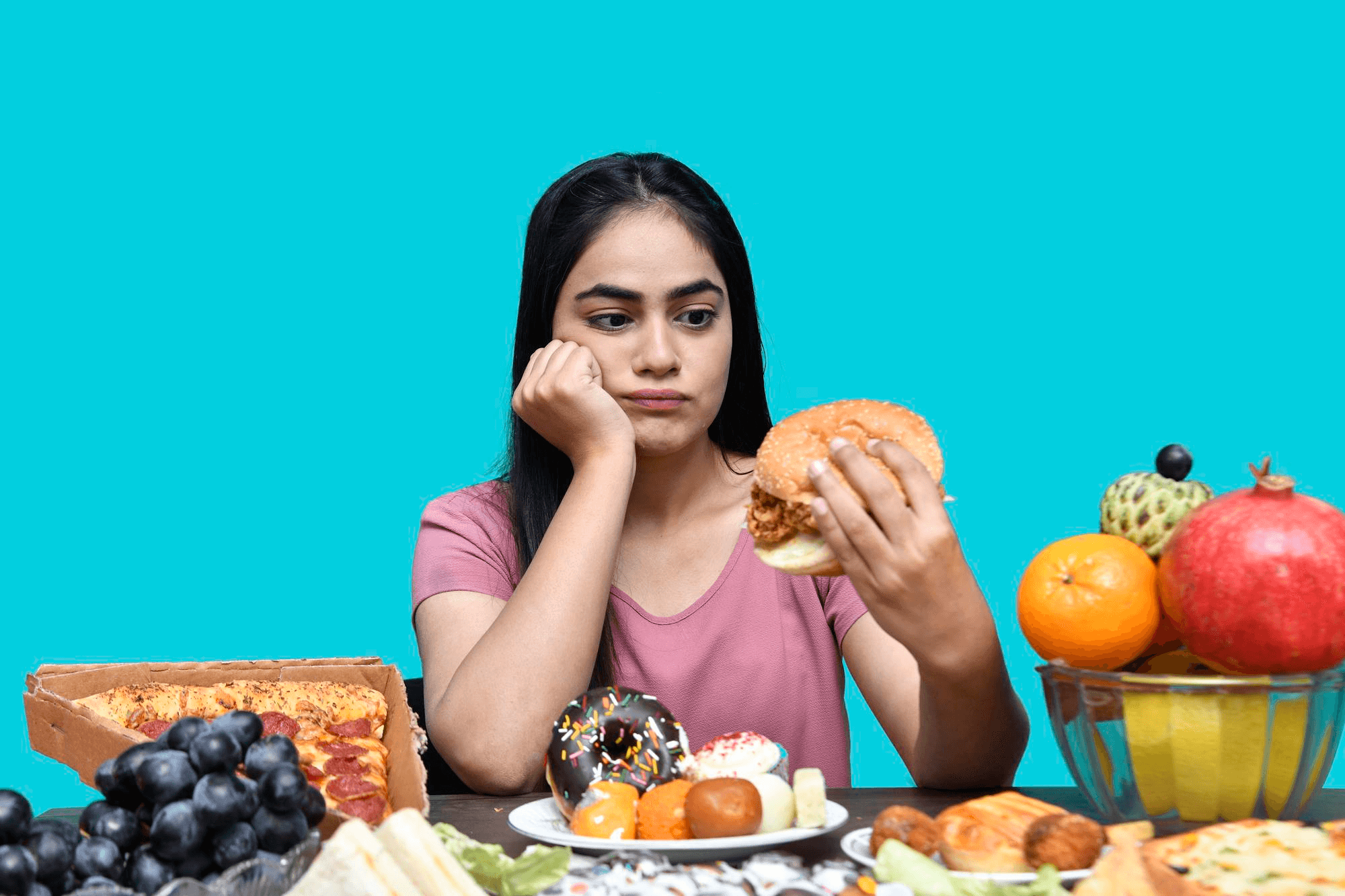
Woman with PCOS staring at a burger and junk food, making it clear why cutting out sugary processed foods matters for hormonal health.
Diet is one of the most effective tools for managing PCOS — and unlike medications, it addresses the underlying hormonal and metabolic drivers rather than just the symptoms. For most Indian women with PCOS, the right dietary pattern reduces insulin resistance, lowers androgen levels, regulates ovulation, and reduces weight — the four things that most improve PCOS symptoms.
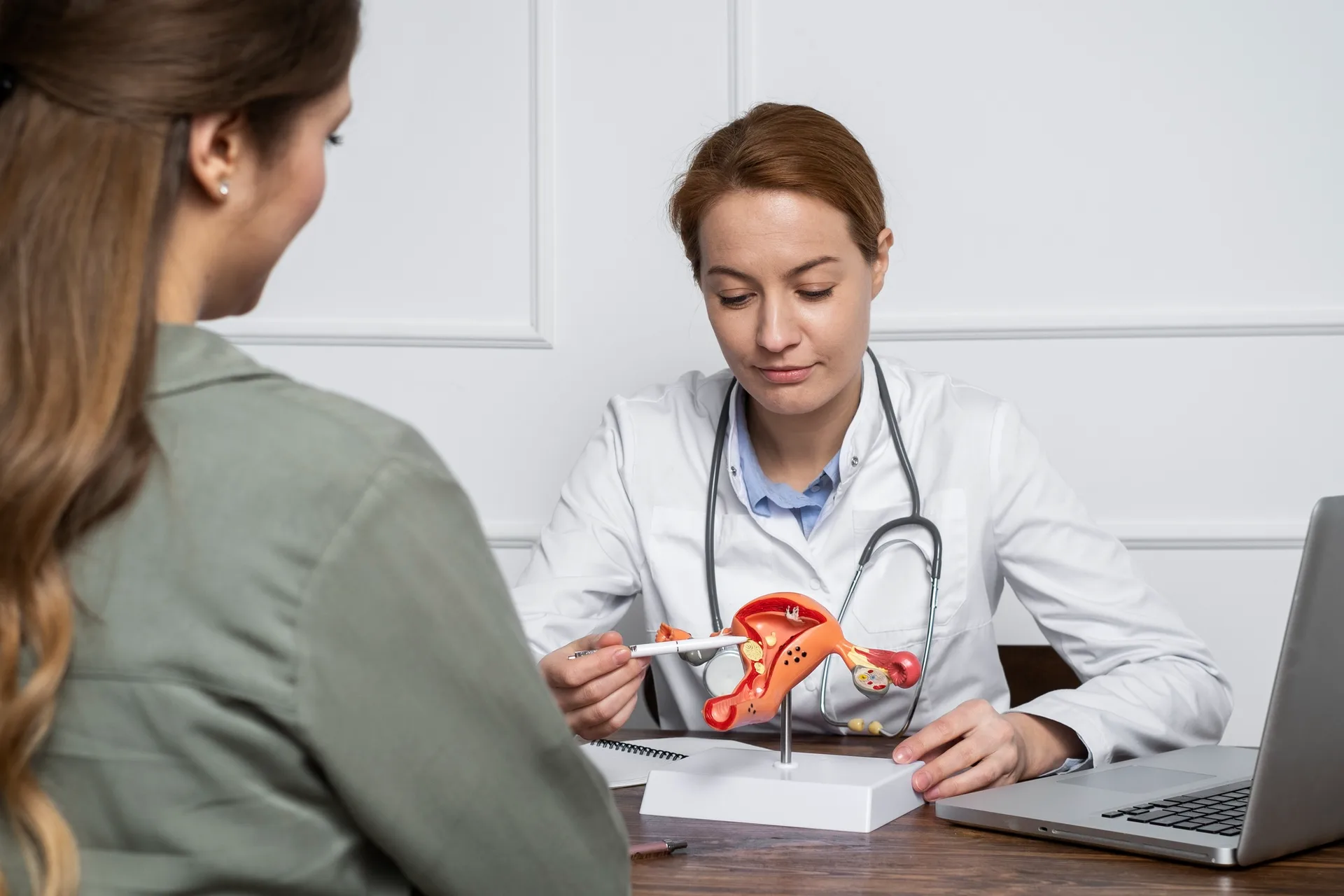
Dr. Shachi Singh, consultant gynaecologist at Prakash Hospital, Sector 33, Noida, explains the PCOS dietary approach in an Indian context.
Why Diet Matters in PCOS
The central metabolic defect in most PCOS is insulin resistance — cells do not respond normally to insulin, so the pancreas produces more. Elevated insulin stimulates the ovaries to produce excess androgens (testosterone, DHEAS), which suppress ovulation and cause the acne, excess hair growth, and irregular periods characteristic of PCOS.
A diet that reduces insulin spikes — low glycaemic index (GI), adequate protein, adequate fibre — directly reduces the insulin-androgen cycle. Weight loss of just 5 to 10% of body weight in overweight women with PCOS restores ovulation in approximately 50% without any medication.
The Foundation: Low Glycaemic Index Eating
Glycaemic index measures how quickly a carbohydrate raises blood glucose. High-GI foods spike blood glucose, trigger insulin surges, and drive the PCOS hormonal cycle. Low-GI foods release glucose slowly, maintain stable blood glucose, and reduce insulin demand.
High-GI foods to limit: White rice (particularly refined long-grain), maida (refined white flour), white bread, sugar, sugary drinks, fruit juices, sweets and mithai, processed cereals, potatoes (particularly baked or mashed), and most packaged snack foods.
Low-GI carbohydrates to favour:
- Brown rice (or par-boiled rice — lower GI than polished white)
- Bajra (pearl millet) — excellent GI, high fibre
- Jowar (sorghum) — low GI, high protein relative to refined cereals
- Whole wheat atta rotis (better than maida)
- Oats (rolled or steel cut — not instant)
- Ragi (finger millet) — excellent for PCOS, high calcium and low GI
- Barley (jau)
The portion principle: Even low-GI carbohydrates raise blood glucose in large quantities. Smaller carbohydrate portions with protein and fibre at each meal keep glucose stable.
Protein: Essential, Not Optional
Adequate protein at each meal slows glucose absorption, increases satiety, reduces total caloric intake naturally, and supports lean muscle mass which improves insulin sensitivity.
Best protein sources for Indian PCOS diets:
- Dals and legumes (moong, masoor, chana, rajma, soyabean) — the backbone of vegetarian Indian protein
- Paneer (in moderate amounts — high saturated fat if consumed in large quantities)
- Curd/dahi — excellent protein plus probiotics
- Eggs (if non-vegetarian)
- Chicken and fish (lean protein)
- Tofu — underused in India but excellent PCOS-friendly protein
Target: approximately 1 to 1.2 grams of protein per kilogram of body weight daily.
Fibre: The PCOS Game-Changer
High dietary fibre reduces glucose absorption speed, improves insulin sensitivity, supports gut microbiome health (increasingly linked to hormonal regulation in PCOS), and reduces androgen levels. Most Indian women with PCOS eat far less fibre than is optimal.
High-fibre foods for PCOS:
- All dals and legumes (chana, rajma, lentils) — fibre and protein together
- Green leafy vegetables: palak, methi (fenugreek), sarson (mustard greens) — methi specifically has insulin-sensitising properties from galactomannan fibre
- All vegetables: lauki, tori, tinda, shimla mirch, beans, broccoli
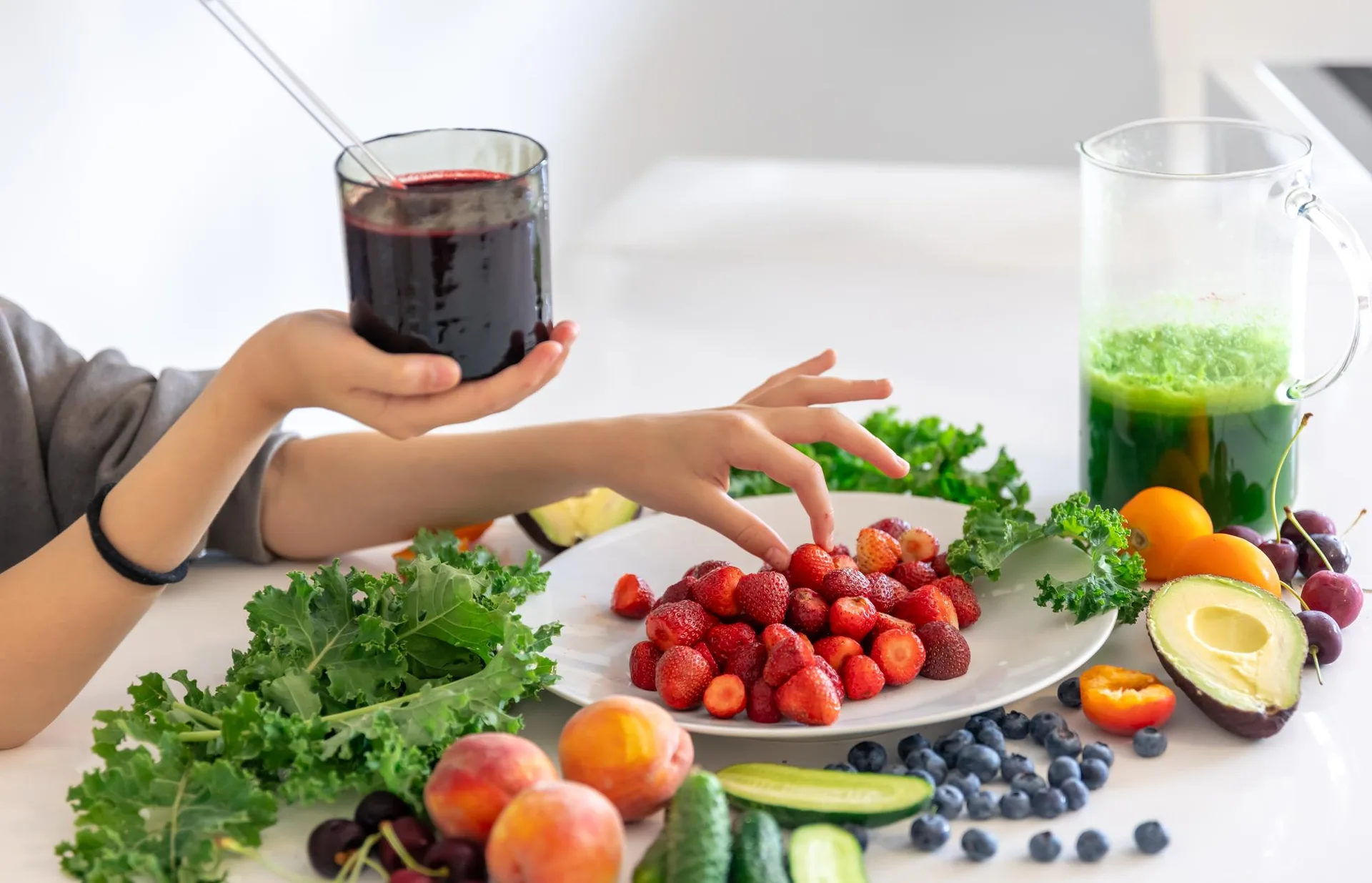
- Fruits: guava (exceptionally high fibre), apples with skin, pears, berries
- Whole grains as above
Anti-Inflammatory Foods
PCOS involves chronic low-grade inflammation. An anti-inflammatory dietary pattern reduces the inflammatory cytokines that worsen insulin resistance and ovarian androgen production.
- Turmeric (haldi) with black pepper: curcumin has well-documented anti-inflammatory and insulin-sensitising effects. Daily use in cooking is PCOS-beneficial — not as a supplement, just as spice in dal and sabzi.
- Ginger (adrak): anti-inflammatory, helps with nausea from Metformin.
- Cinnamon (dalchini): improves insulin sensitivity at doses of 1 to 3 grams daily. Can be added to oats, chai, or sprinkled on food.
- Omega-3 rich foods: flaxseeds (alsi) — ground and added to roti or curd; walnuts (akhrot); fatty fish for non-vegetarians. Omega-3 reduces testosterone and improves insulin sensitivity in PCOS.
- Green tea: modest insulin-sensitising effect, antioxidant benefit. A practical replacement for multiple chais.
What to Specifically Limit
- Refined sugar: The fastest driver of insulin spikes. Limit mithai, sugary drinks, packaged biscuits, and added sugar.
- Dairy (in some women): High-fat dairy and milk (particularly A1 protein milk) may worsen acne and androgenic symptoms in some PCOS women via IGF-1 stimulation. Switching to moderate amounts of low-fat dahi (which has probiotics) and limiting milk to 1 to 2 cups daily is a reasonable approach.
- Trans fats and heavily processed food: Drives inflammation.
- Alcohol: Impairs insulin signalling and is metabolised as sugar.
Practical Meal Structure for PCOS
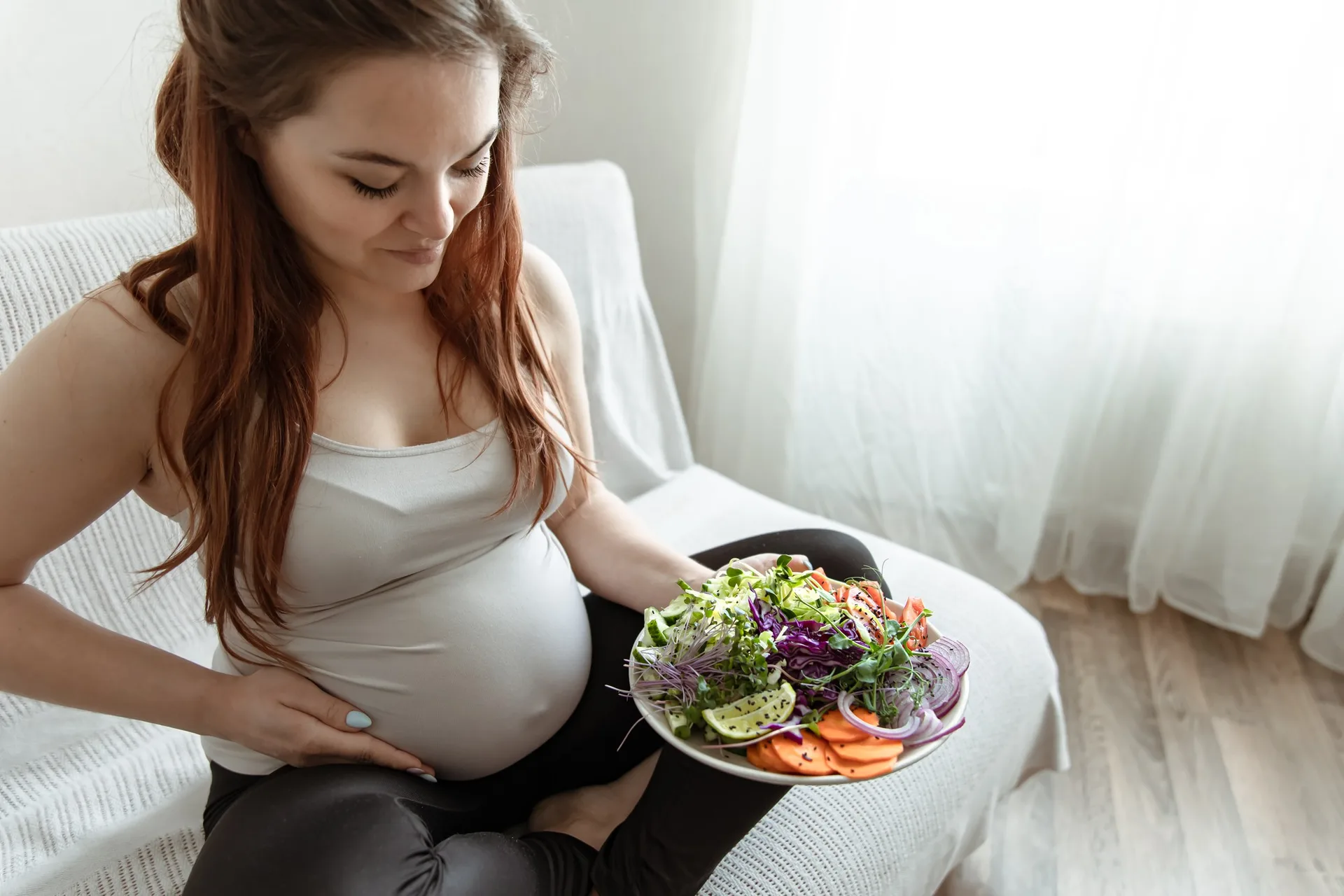
Breakfast: Oats with nuts and seeds + curd / Ragi dosa with sambar / Moong dal chilla with mint chutney / Eggs with vegetables.
Lunch: Brown rice or bajra roti + dal + sabzi + curd + salad (in this combination — protein and fibre with carbs).
Dinner: Lighter than lunch. Vegetable soup + roti + dal or paneer.
Snacks: Roasted chana, nuts (in moderation), a small piece of fruit with a handful of nuts, curd with seeds.
What to avoid: White bread toast, packaged biscuits, chips, sugary chai as a main meal, rice alone without protein and vegetable.
Gynaecological Care in Noida and Greater Noida
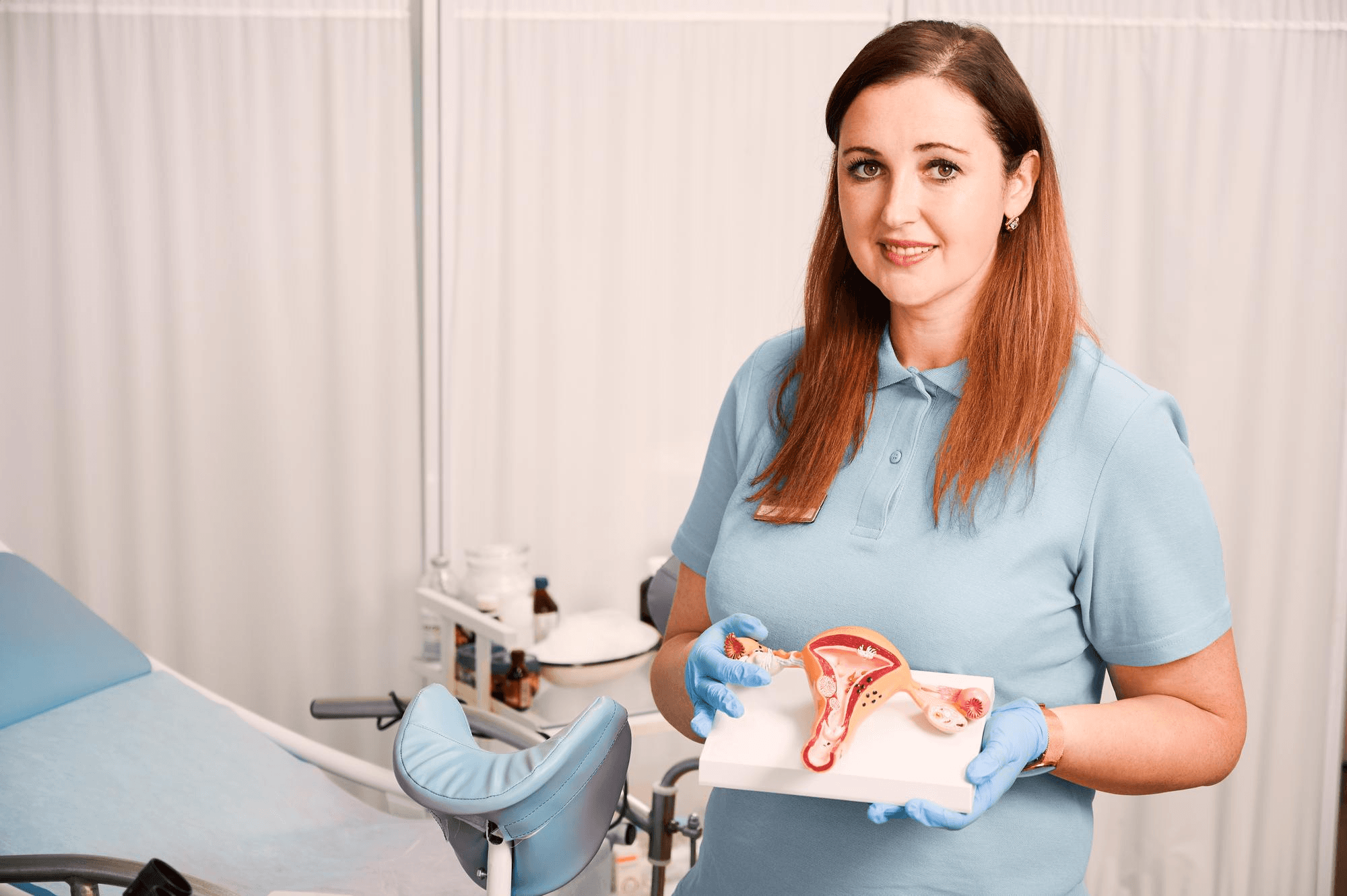
Dr. Shachi Singh at Prakash Hospital, Sector 33, Noida, provides PCOS dietary counselling alongside medical management for women across Noida and Greater Noida.
To book a consultation with Dr. Shachi Singh, call: +91 97023 46853
Clinic Hours: Monday to Saturday, 9 AM – 6 PM | Sunday, 10 AM – 2 PM
Clinic Address: D-12A, 12B, Sector-33, G.B. Nagar, Noida, Uttar Pradesh 201301
This blog is for informational purposes only. Please consult Dr. Shachi Singh or a qualified dietitian for a personalised PCOS nutritional plan.