How To Prepare For A Pap Smear Test: Do’s and Don’ts
By Dr. Shachi SinghUpdated

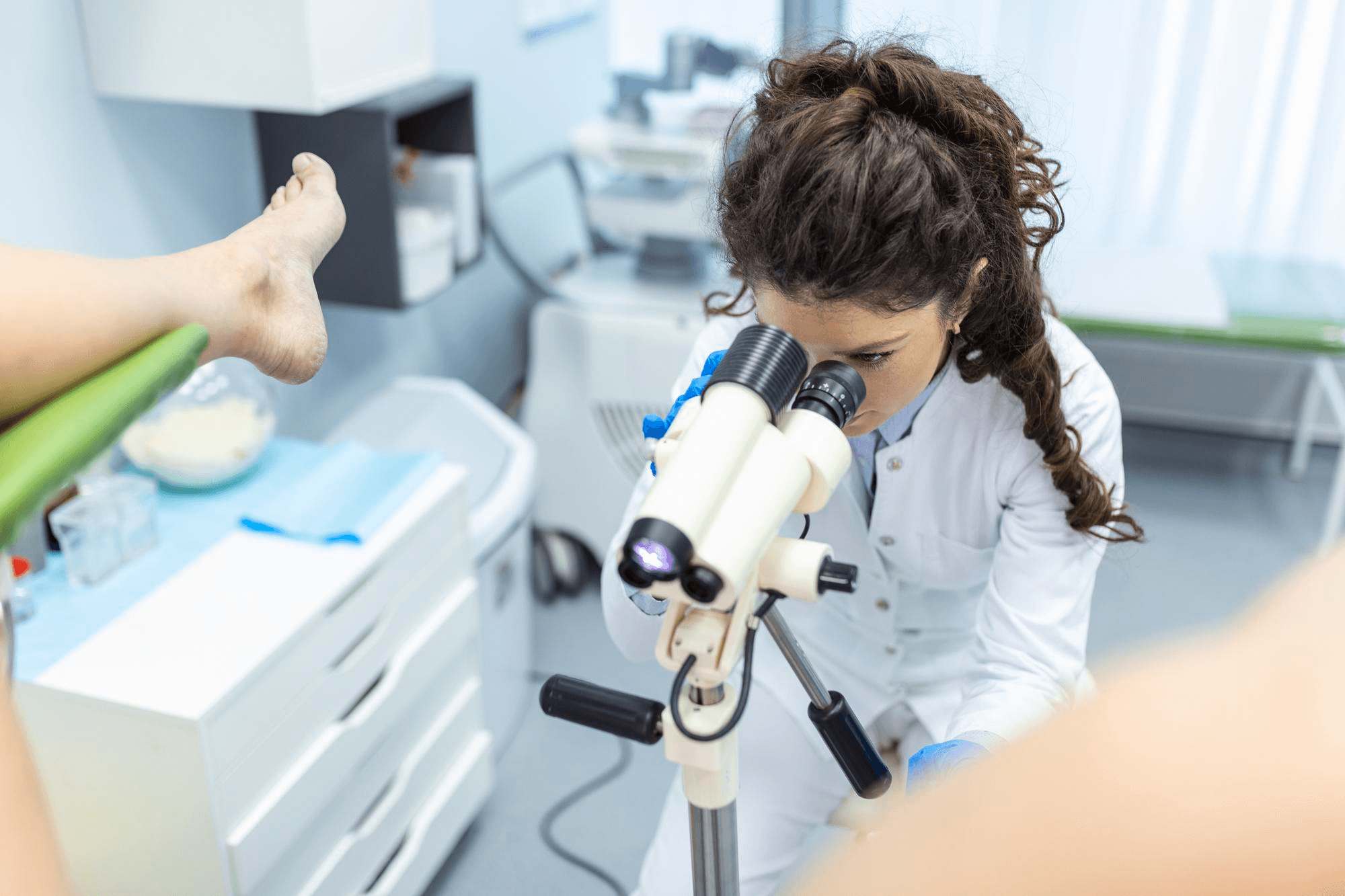
Medical professional examines cervix with colposcope during Pap smear to facilitate comprehensive screening and prompt identification of anomalies.
The Pap smear is a rapid screening test which can detect pre-cancerous changes in cervical cells, thereby averting cervical cancer. Correct preparation before taking the test can yield the best results as well as give comfort to the patient. Several women are often confused or nervous about the process and procedures before it. However, adequate precautions can certainly bring the patient ease and comfort and also increase the efficiency of test results, avoiding some acts of no value, such as the timing of the test.
What is a Pap Smear Test?
A Pap smear test is a simple screening process designed to detect abnormal cervical cells, which could eventually lead to Cervical cancer. During a Pap smear test, a doctor will use a brush to gather a small sample of cervical cells. This sample is then examined in a laboratory for precancerous and other abnormal cell changes.
A woman should begin getting tests at age 21 and then continue every few years as recommended by a physician. The test is very simple and quick (typically taking a few minutes), and while it may be slightly uncomfortable, it is easily handled by most women.
What Is The Importance Of Pap Smear Test?
The Pap smear test is the mainstay of preventive gynaecological screening. The procedure aims to identify premalignant and malignant transformation of the cervical epithelial cells and plays a crucial role in the early diagnosis of findings that are closely associated with Cervical cancer, particularly infections with high-risk human papillomavirus.
Cytological interpretation of cells obtained can report the presence of dysplastic changes such as low-grade and high-grade squamous intraepithelial lesions, thus permitting prompt management. Early intervention can take the form of monitoring, colposcopy, and/or treatment before the development of invasive carcinoma.
Reduced morbidity and mortality rates are another benefit, as is enhancement of reproductive function by preservation of the cervix's functional and structural integrity.
Therefore, adherence to guidelines for frequency of screening tests is paramount for a lifetime of gynaecological health, and in addition, the combined Pap test and HPV test has the potential to increase the specificity and sensitivity of screening, and to personalise patient management based on risk profile and age range for population-level effectiveness.
Do’s for Pap Smear Test
1. Select An Appropriate Time
The Pap test should ideally be performed during mid-cycle when you are not menstruating. This way, the cervical canal is open and clean, yielding a good cell yield.
2. Wear Comfortable Clothing
Loose-fitting dress or comfortable trousers are a suitable choice. Comfortable clothing can be worn during examination while removing the lower garment; it lowers anxiety during examination.
3. Maintain Good Physical Status
A light meal should be taken prior to the examination, so you do not feel faint or weak during the test. Keeping yourself well-hydrated and well-rested during an examination can maintain a steady physiological response in the body.
4. Be Open and Relax
Ask questions about any aspect of the test if you are worried about anything related to the test. By learning relaxation measures like taking a deep breath, the pelvic muscles can be relaxed to perform a smooth pelvic examination for both the patient and the clinician.
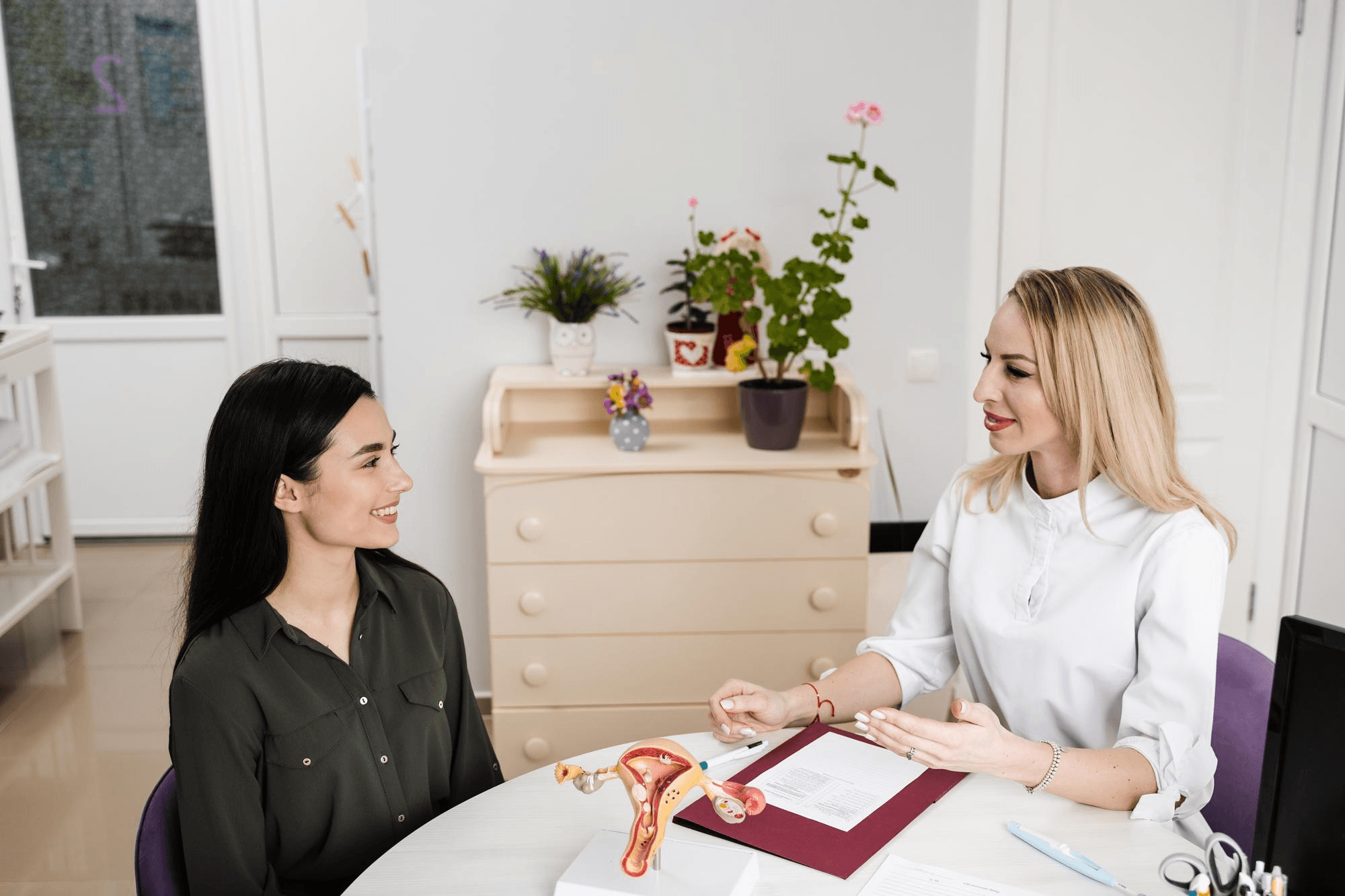
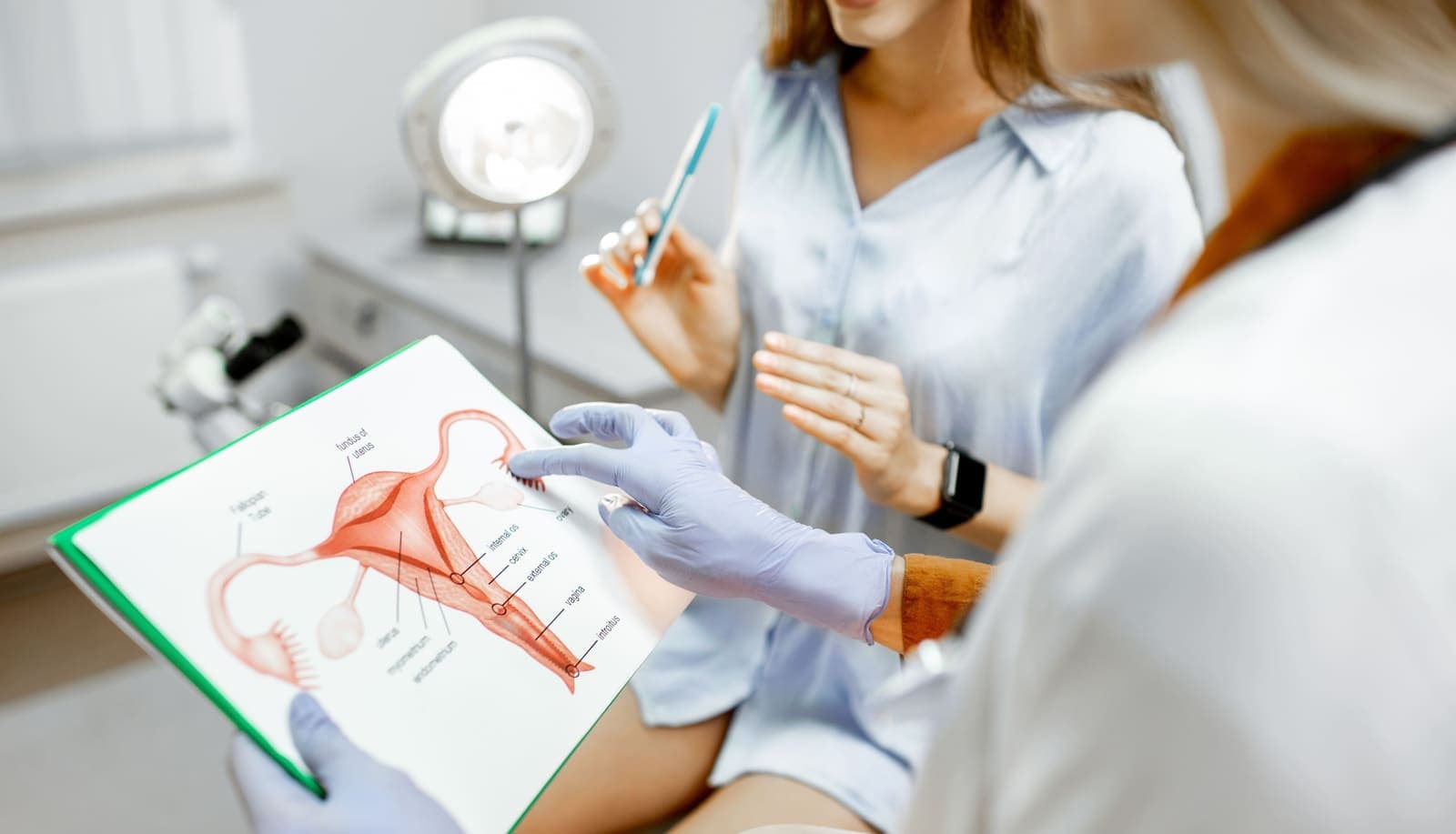
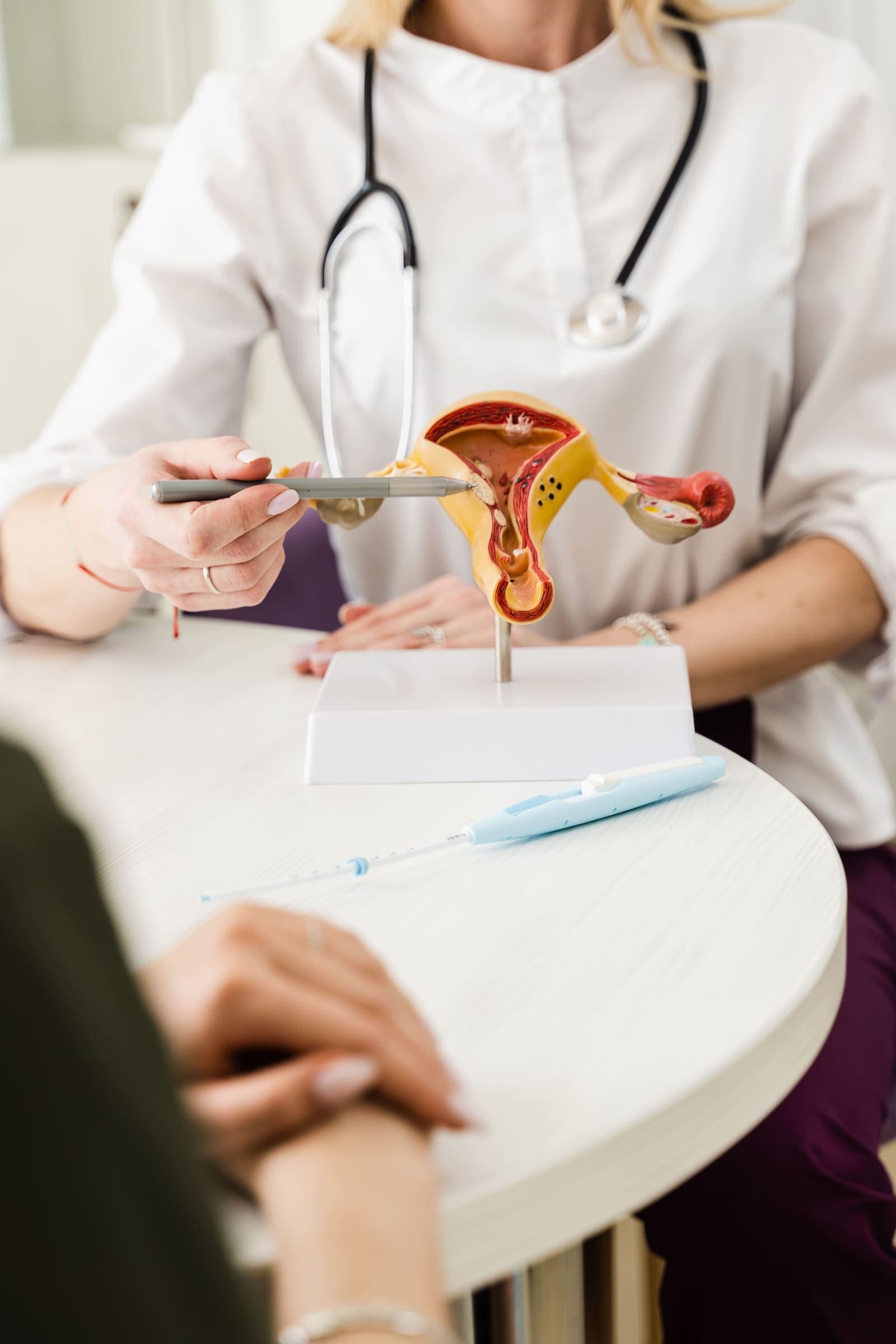
Physician educates patient on cervical screening using anatomical diagram, detailing the Pap smear's role in early detection and optimal reproductive care.
Don'ts Before a Pap Smear Test
1. Do Not Have Intercourse For At Least 24 Hours Before Your Test
Your doctor might not be able to view and gather enough cervical cells with seminal fluid or lubricants. If that occurs, the result may not accurately be used in diagnosing cervical cancer.
2. Do Not Douche Or Insert Anything In The Vagina For 48-72 Hours Before Your Test
Such as creams, powders or deodorant. Your vaginal pH could be altered. Cytology may not be used correctly because of the vaginal secretions changing what normally occurs in the vaginal flora.
3. Do Not Have A Test Performed While In A Diseased State
Wait to schedule if you have some indication of infections, like itching, discharge, or irritation. Inflammation may interfere with interpretation and examination, as well as cause discomfort for you during the examination.
4. Do Not Feel You Have To Remove Your Pubic Hair
No grooming, such as shaving or waxing the vaginal area, is needed before the Pap Smear. Grooming habits do not make a Pap Smear difficult to examine.
After The Pap Smear Test: What To Expect
Following a Pap smear, some women experience some discomfort, such as mild cramping or light spotting for up to one day. Any significant pain or bleeding should be assessed by your physician. The results should be available within a few days, the amount of time depending on the processing procedure at the laboratory.
Normal results call for continuing the screening process at regularly scheduled intervals, determined by age and the presence of risk factors. Any abnormalities noted will require further investigation.
Tests such as a repeat cytology, HPV test or a colposcopy may be required. It is crucial to remember that abnormal results frequently do not signal cancer but rather treatable infections such as HPV.
Final Thoughts
A Pap smear test is a fundamental tool in the fight against Cervical cancer, helping to identify cellular changes that may indicate its presence. By following recommended preparation guidelines and undergoing regular screening, the accuracy of Pap smears and patient outcomes can be greatly enhanced.
While brief discomfort is expected, the Pap smear is a safe, swift, and highly effective diagnostic procedure that plays a critical role in early cancer detection. Addressing common concerns prior to and following the test contributes to ease and promotes proactive healthcare visits. Adopting routine Pap smears empowers women to proactively manage their reproductive health for a lifetime of wellness.
Expert Care With Dr Shachi Singh
Are you due for your Pap smear, or do you have questions about your cervical health? Connect with Dr Shachi Singh, a distinguished Senior Consultant Gynaecologist with 15+ years of experience in women's healthcare, including minimally invasive surgery, fertility care, and managing high-risk pregnancies. Trusted by patients in Noida and the Delhi NCR region for her compassionate and meticulous approach.
Schedule your appointment now to receive expert advice and ensure you're up-to-date with crucial preventative screenings for comprehensive well-being.

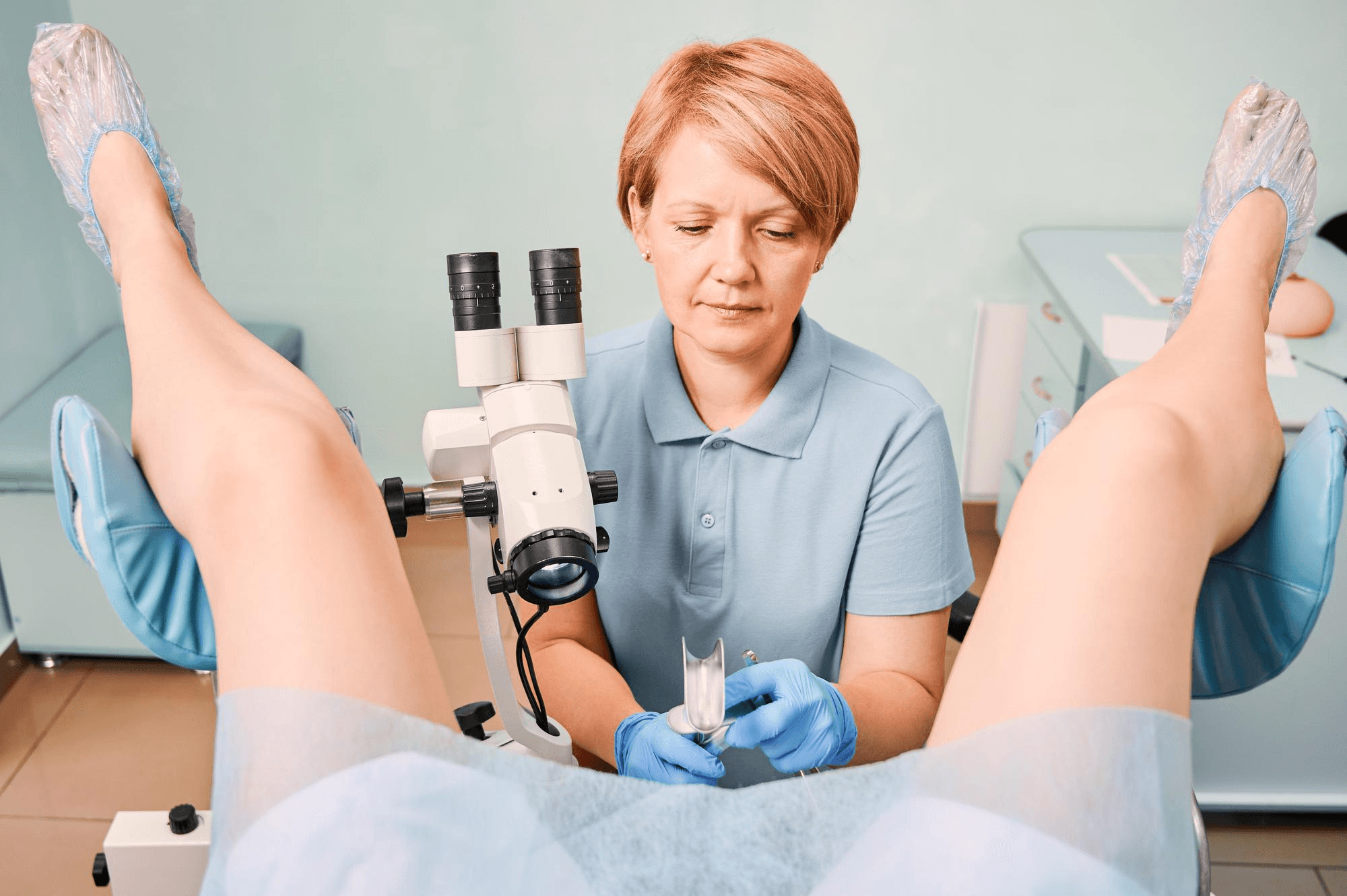
Pap smear cell collection tool gathers specimen for evaluation, highlighting the procedure's simplicity in monitoring and managing cervical health to prevent potential complications.
Frequently Asked Questions(FAQs)
1. At what age is the best time to start a Pap test?
A Pap test screening should start at the age of 21; it is irrelevant whether you have had intercourse before or not. An earlier examination with a Pap smear helps identify precancerous cells and may reduce the rate of Cervical cancer.
2. Does the cervix hurt after a Pap test?
The Pap test is normally a painless examination; a slight discomfort and mild cramping, along with spotting, may be experienced after the examination. There should be no persistent pain or severe bleeding that should prompt a healthcare provider's evaluation.
3. Can a Pap test diagnose cancer or just abnormal cells?
A Pap test is effective in identifying any abnormal or precancerous cervical cells; it might only hint at the presence of Cervical cancer, and further investigation of such a finding will only be confirmed with more complex tests like biopsy or colposcopy.
4. How often do women need a Pap test?
The recommendation about the frequency of performing a Pap smear is influenced by many factors and varies according to a woman's age and risks. In general, from the age of 21-29, you should take one every three years, while between 30-6,5 a Pap test with HPV test should be taken every five years.
5. What is the most serious Pap test finding?
High-grade abnormalities such as HSIL (high-grade squamous intraepithelial lesion) are the most disturbing result of a Pap test; it implies a pre-cancerous condition that carries a high risk of developing into cervical cancer if left untreated.