Diet After Laparoscopic Surgery: A Week-by-Week Indian Guide
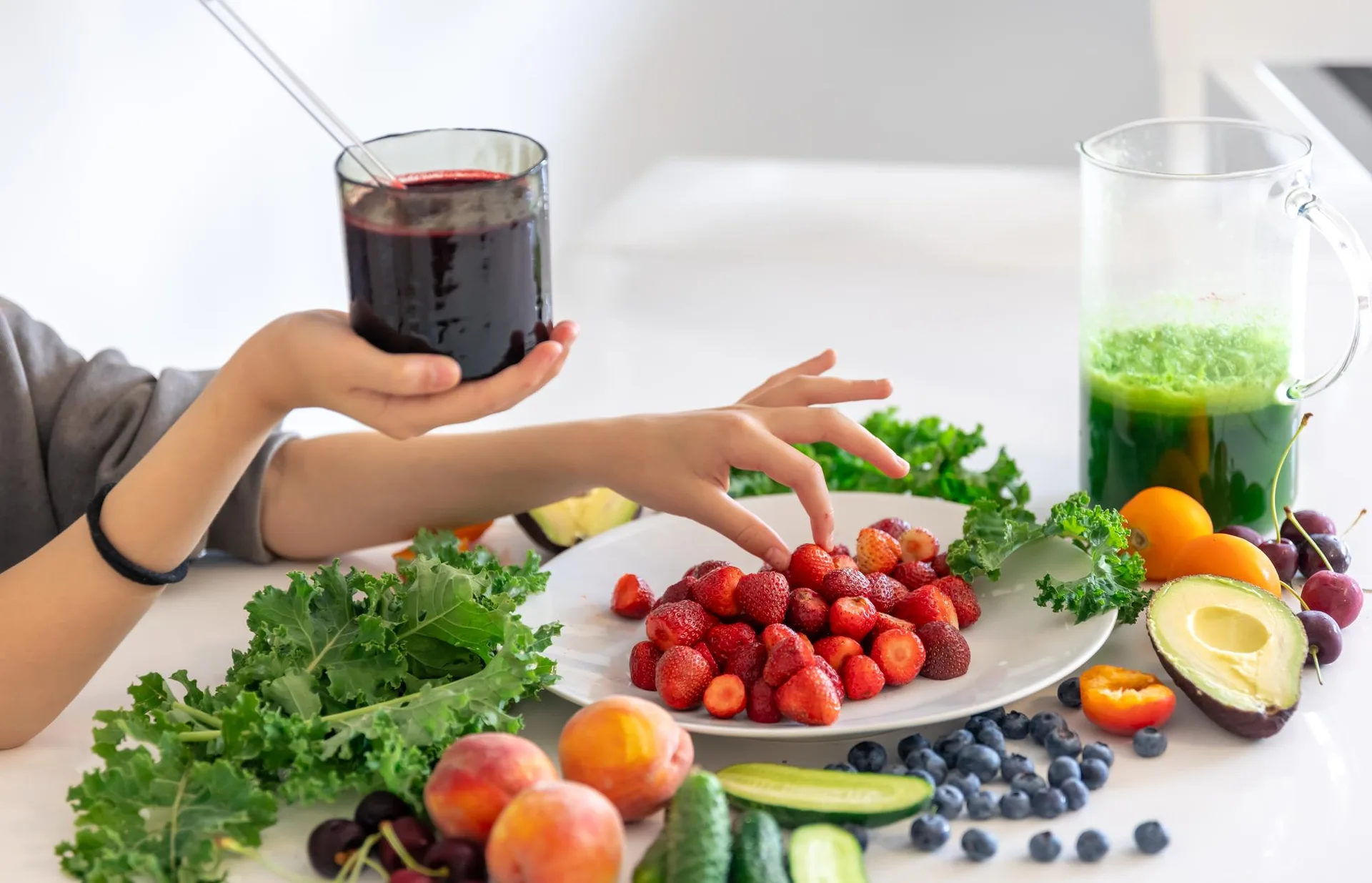
Green vegetables on table with juice in one hand.
Recovery after laparoscopic surgery depends significantly on what you eat in the days and weeks following the procedure. The right diet reduces recovery time, prevents constipation (the most common post-operative complaint), provides the nutrients needed for wound healing, and avoids the bloating and gas discomfort that can worsen the CO2-related shoulder pain common after laparoscopy.
The wrong diet — starting too heavy too quickly, eating gas-producing foods, or staying on clear liquids longer than necessary — slows recovery unnecessarily.
Dr. Shachi Singh, consultant laparoscopic surgeon at Prakash Hospital, Sector 33, Noida, provides this practical, week-by-week post-operative diet guide in an Indian context.
Day of Surgery: Back from Theatre
You will wake from general anaesthesia in the recovery room. For the first 1 to 2 hours, nothing by mouth while the anaesthesia fully wears off and nausea is assessed.
1. First fluids: Once you are alert, nausea has settled, and the nursing staff give clearance — typically 1 to 4 hours after surgery — you can begin with small sips of water. 30 to 60 mL at a time, slowly. If this stays down, progress to more water, clear coconut water, or clear broth.
2. First food: Most women can manage a very light snack 3 to 5 hours after surgery — plain crackers, Marie biscuits, a small amount of plain curd. Do not force yourself. If nausea returns, rest and try again in another hour.
3. Evening of surgery day: Light, easily digestible food — khichdi, plain curd, toast, clear vegetable soup. No heavy meal. No fried or spicy food.
Week 1 (Days 1–7): Light, Easy-to-Digest Food
This is the most critical dietary week. The bowel has been handled by anaesthesia and CO2 insufflation — it needs time to return to normal function. Gas accumulation in the bowel is very common in the first week and causes significant discomfort. Diet is the primary tool for managing this.
Goals of Week 1 diet:
- Stay well hydrated (8 to 10 glasses of water daily — essential for preventing constipation and for wound healing)
- Provide easily digestible nutrition that does not challenge the recovering bowel
- Avoid gas-producing foods
- Avoid constipation
Well-tolerated foods in Week 1:
Grains and carbohydrates:
- Khichdi (moong dal + rice, well-cooked) — ideal post-surgical food, gentle on the bowel, complete nutrition
- Plain boiled rice
- Plain roti (1 to 2 at a time, not with heavy sabzi)
- Sabudana khichdi (light, easy to digest)
- Oats porridge (made with water or thin milk)
- Toast, Marie biscuits, dry crackers
Protein:
- Moong dal (yellow, well-cooked) — the most digestible of all dals
- Masoor dal (well-cooked)
- Curd / dahi — excellent post-operative food; gentle, provides protein and probiotics
- Plain boiled eggs (if you eat eggs)
- Steamed or boiled chicken (if you eat non-vegetarian food) — without spices initially
Vegetables:
- Lauki (bottle gourd) — one of the most easily digested vegetables; a thin lauki soup is ideal
- Turai (ridge gourd)
- Petha (ash gourd)
- Suran (yam)
- Boiled potato (plain, not fried)
- Avoid: cabbage, cauliflower, broccoli, beans, chana, rajma, peas — all significantly gas-producing
Fluids:
- Water — minimum 8 glasses daily
- Coconut water (nariyal pani) — excellent electrolyte replacement
- Clear vegetable soup (without cream, without spicy additions)
- Thin dal ka paani (the liquid from cooked dal, without the solids initially)
- Ajwain (carom seeds) water — boil a teaspoon of ajwain in water and sip warm; has excellent carminative (anti-gas) properties
- Jeera (cumin) water — similarly carminative
Fruits:
- Banana (ripe — binding, easily digested)
- Papaya (excellent digestive enzyme content, helps with bowel regularity)
- Mosambi / sweet lime juice (freshly squeezed, no pulp initially)
Foods to strictly avoid in Week 1:
- All fried food (poori, pakoda, samosa, puri)
- All heavy, oily curries
- Rajma, chana, chole, whole lentils
- Cabbage, cauliflower, broccoli, beans, peas
- Spicy food
- Carbonated drinks (add to gas significantly)
- Alcohol (completely)
- Maida-based preparations (bread (commercial), pasta, biscuits with high sugar)
- Raw salads
- Hard or fibrous foods
Week 2 (Days 8–14): Gentle Progression
If you are feeling better, bowel movements have returned to normal, and there is no significant abdominal discomfort, you can begin expanding the diet.
Add in Week 2:
- All well-cooked dals including masoor, toor, arhar (in moderate amounts, well-cooked)
- Paneer (softly prepared — paneer bhurji, soft paneer sabzi, not hard-fried paneer)
- Soft cooked vegetables: palak (spinach), lauki, tinda, torai — as simple sabzis
- Light salads: grated carrot or cucumber with a little lemon — avoid raw onion, raw radish
- Warm doodh (milk) — if tolerated
- Brown rice or multigrain roti in normal amounts
- Dahi, buttermilk (chaas) — excellent for gut recovery; probiotics support bowel microbiome recovery
Still avoid in Week 2:
- Heavy, oily, spicy food
- Fried preparations
- Raw cabbage, cauliflower, broccoli, beans
- Alcohol
Week 3 and Beyond: Return to Normal Diet
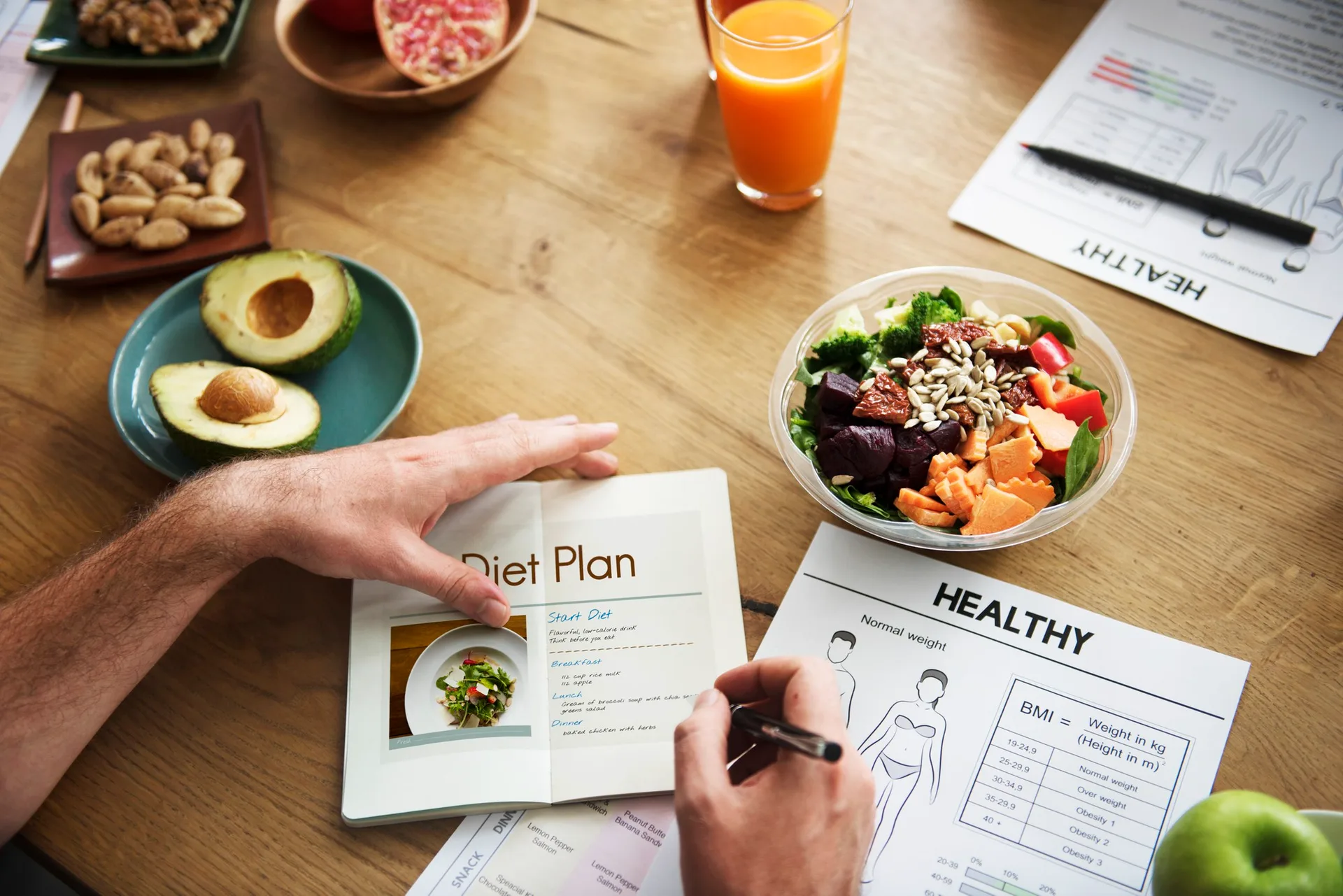
A well-balanced diet plan featuring nutritious foods such as fresh fruits, vegetables, whole grains, and lean proteins.
Most women can return to their normal diet by 3 to 4 weeks after laparoscopy — or sooner for minor procedures. The progression back to normal depends on how the recovery has gone and whether there were any complications.
By Week 3, most women can eat:
- All normally cooked Indian food in appropriate portions
- Full dal and sabzi with regular spices
- Rajma and chana (gradually reintroduce — some women find these still cause gas for 3 to 4 weeks)
- Fish and chicken (non-vegetarian women)
- Normal fruit intake
- Normal dairy
After major procedures (laparoscopic hysterectomy, extensive endometriosis excision, bowel involvement): Return to normal diet may be slower, particularly if there was bowel handling during surgery. Your surgeon will provide specific guidance for your case.
The Constipation Problem: Preventing It from Day One
Constipation is the most common post-operative complaint after laparoscopy. It is caused by:
- Anaesthesia slowing bowel motility
- Reduced mobility in the first few days
- Pain medications (particularly opioids) slowing the bowel
- Reduced food and fluid intake in the first days
- Fear of straining over the surgical wounds
Preventing constipation:
- Stay very well hydrated — the single most effective measure
- Eat papaya and prunes daily if available
- Take isabgol (psyllium husk) in water daily from Day 2
- Lactulose syrup (Duphalac) is safe and effective post-operatively
- Walk gently as soon as possible — movement stimulates bowel motility
If you have not had a bowel movement by Day 3 to 4: Inform your surgeon. A glycerine suppository or a gentle enema may be recommended.
Nutrients That Support Wound Healing
Beyond the bland diet focus of the first week, the following nutrients specifically support incision healing and should be prioritised from Week 2 onwards:
Protein: Essential for tissue repair. Dal, paneer, curd, eggs, chicken, fish. Aim for 70 to 80 grams of protein daily.
Vitamin C: Supports collagen synthesis for wound healing. Amla, guava, citrus, tomatoes, capsicum.
Zinc: Supports immune function and wound repair. Seeds (til, pumpkin seeds), nuts, whole grains, dal.
Iron: If there was significant blood loss during surgery. Continue prescribed iron supplements and eat iron-rich foods (palak, dates, rajma) with Vitamin C for absorption.
Laparoscopic Surgery and Recovery in Noida and Greater Noida
Dr. Shachi Singh at Prakash Hospital, Sector 33, Noida, provides complete perioperative care — including post-operative dietary guidance — for women undergoing laparoscopic gynaecological surgery across Noida and Greater Noida.
To book a consultation with Dr. Shachi Singh, call: +91 97023 46853
Clinic Hours: Monday to Saturday, 9 AM – 6 PM | Sunday, 10 AM – 2 PM
Clinic Address: D-12A, 12B, Sector-33, G.B. Nagar, Noida, Uttar Pradesh 201301
Frequently Asked Questions
1. When can I eat normally after laparoscopy?
Most women can return to a normal diet within 3 to 4 weeks after routine laparoscopy. The first week focuses on light, easily digestible food; Week 2 gradually introduces more variety; by Week 3 to 4, normal diet resumes.
2. Why am I so bloated after laparoscopy?
Bloating after laparoscopy is caused by the CO2 gas used to inflate the abdomen during surgery — some remains in the abdominal cavity and causes distension and the characteristic shoulder tip pain. This resolves within 24 to 72 hours as the gas is absorbed. Avoid carbonated drinks and gas-producing foods in the first week to reduce this further.
3. Is khichdi really the best post-operative food?
Yes — khichdi (moong dal + rice, well-cooked) is close to ideal post-operative food. It provides complete protein from the dal-rice combination, is very easily digestible, gentle on the bowel, easy to prepare, and can be adjusted in consistency from very soft to normal.
4. When can I have rajma and chole after laparoscopy?
Most surgeons recommend avoiding legumes (rajma, chana, chole, whole lentils) for the first 2 weeks due to their significant gas-producing properties. Reintroduce from Week 3 gradually — cook them very well and introduce in small amounts first.
This blog is written for educational and informational purposes only. Please follow the specific post-operative dietary guidance from Dr. Shachi Singh and the surgical team, which may vary based on your specific procedure and recovery.