PCOS And Infertility: Can You Get Pregnant With PCOS?

A woman is sitting on the floor beside her sofa, distressed by keeping her palm on her head and holding a pregnancy test in her other hand.
Yes. That is the short answer, and it deserves to be the first thing said — because many women diagnosed with PCOS hear the words and immediately assume they cannot have children. That assumption is not accurate.
PCOS is the most common cause of anovulatory infertility (infertility due to not releasing eggs regularly) in India and globally. It accounts for approximately 70 to 80% of cases where infertility is related to irregular or absent ovulation. And it is, simultaneously, one of the most treatable causes of infertility that exists. The treatment pathway is well-established, effective in the majority of women, and does not always require IVF.
What PCOS does is make ovulation unpredictable or absent, and without ovulation, natural conception is not possible. The treatment for PCOS-related infertility is, fundamentally, about restoring regular, predictable ovulation. Once ovulation occurs, conception follows in a large proportion of women.
Dr. Shachi Singh, consultant gynaecologist and infertility specialist at Prakash Hospital, Sector 33, Noida, walks through exactly how PCOS affects fertility, what the treatment steps look like, and what to expect at each stage.
How PCOS Affects Fertility
In PCOS, the hormonal cascade that normally drives follicle development and ovulation is disrupted. Several mechanisms combine to create the problem:
Excess androgens (male hormones): Elevated testosterone, DHEAS, and related androgens — characteristic of PCOS — suppress the signals that trigger follicle maturation and ovulation. Follicles begin developing, but frequently do not complete the process. Instead of producing and releasing a mature egg, multiple small follicles accumulate on the ovarian surface — the "cystic" appearance on ultrasound that gives the condition its name.
Insulin resistance: Approximately 70 to 80% of women with PCOS have insulin resistance — meaning their cells are less responsive to insulin, and the body compensates by producing more insulin. High insulin levels signal the ovaries to produce even more androgens, compounding the problem. This insulin-androgen cycle is a central driver of PCOS pathophysiology and explains why lifestyle — diet, exercise, weight — has such a direct effect on PCOS symptoms.
Abnormal LH/FSH ratio: In PCOS, LH (luteinising hormone) is typically elevated relative to FSH (follicle-stimulating hormone). This abnormal ratio disrupts the hormonal sequence needed for follicle maturation and ovulation.
Irregular ovulation (oligo-ovulation or anovulation): The result of the above is that ovulation either does not occur (anovulation) or occurs very infrequently (oligo-ovulation). A woman with PCOS may have only 4 to 6 periods per year — meaning only 4 to 6 chances of conception annually under natural conditions, compared to 12 or 13 in a woman with regular cycles.
The key insight: None of these mechanisms is fundamentally irreversible. They can be addressed — through lifestyle, through medication, through surgery — to restore ovulation and enable conception.
The Role of Lifestyle — More Powerful Than Most Women Expect
Before moving to medication, lifestyle intervention is the foundation of PCOS fertility management — not because it is a lesser treatment, but because it genuinely works and works disproportionately well in women with PCOS.
Weight and PCOS: In overweight women with PCOS (not all women with PCOS are overweight — lean PCOS is common and deserves equal attention), even a 5% reduction in body weight — which for a 70 kg woman is 3.5 kg — has been shown to significantly reduce androgen levels, improve menstrual regularity, and restore ovulation in a meaningful proportion of women. This is not a cultural value judgment about body size. It is a documented hormonal mechanism: reducing adipose (fat) tissue reduces the aromatisation of androgens to oestrogen, which contributes to the hormonal imbalance.
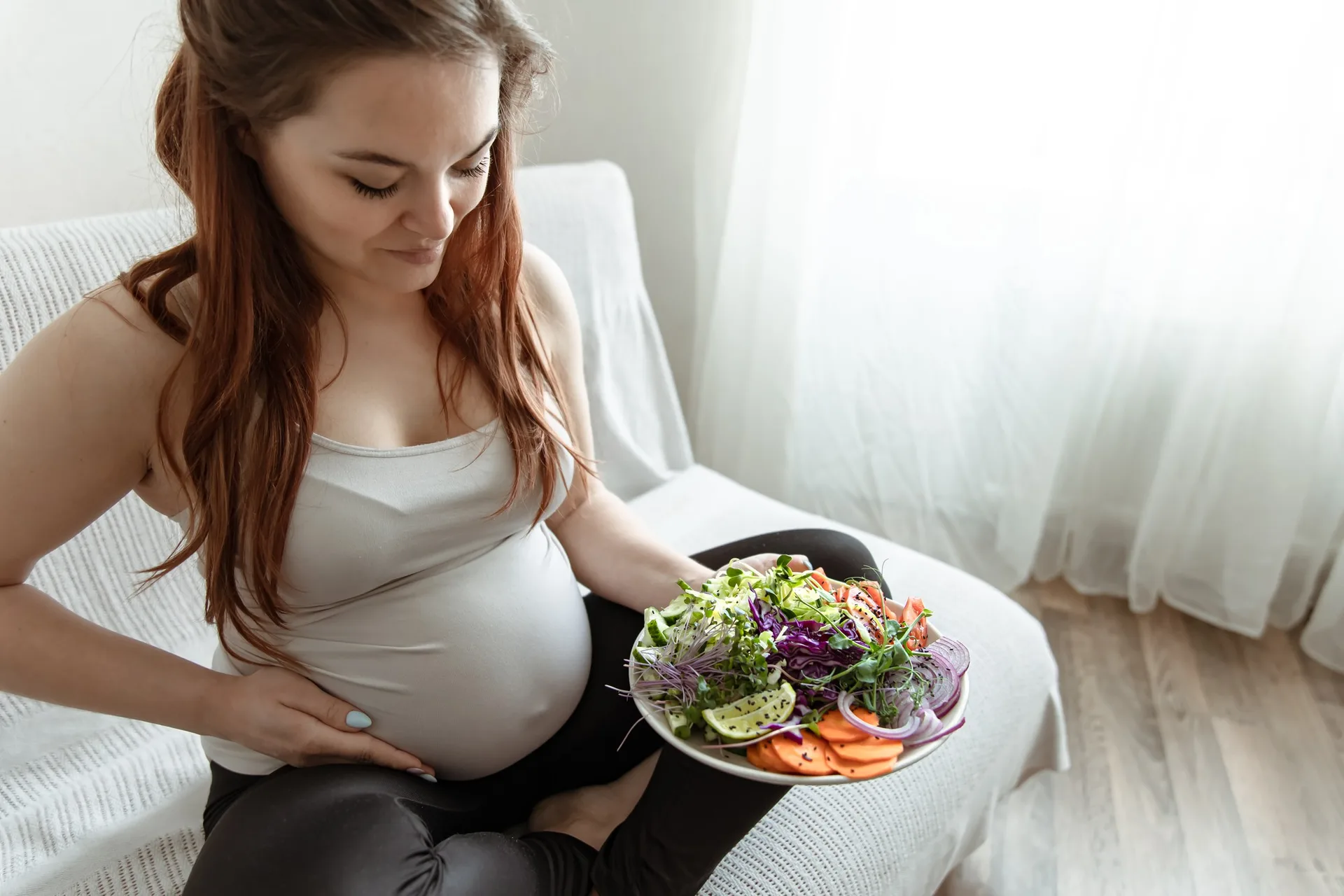
Diet: A diet that reduces insulin spikes — lower in refined carbohydrates (maida, white rice in excess, sugary drinks, packaged snacks), higher in protein, fibre, and healthy fats — directly addresses the insulin resistance component of PCOS. In Indian terms: more dal, more vegetables, more whole grains (ragi, jowar, brown rice), less maida-based food, less sugar, less processed food.
Exercise: Regular physical activity improves insulin sensitivity independently of weight loss. Even 30 minutes of moderate exercise most days — walking briskly, yoga, swimming, cycling — makes a measurable difference to hormonal profiles in women with PCOS.
Timeline: Lifestyle changes take 3 to 6 months to demonstrate their full hormonal effect. This is not indefinite waiting — it is a structured, time-bounded trial that may restore ovulation without medication.
For lean women with PCOS: Lifestyle modifications are still relevant (dietary quality, insulin management, exercise), but weight loss targets do not apply. The hormonal management emphasis shifts appropriately to medication.
Step 1: Ovulation Induction — Letrozole and Clomiphene
When lifestyle modification alone has not restored regular ovulation, or when the woman's age or other factors make a time-limited lifestyle trial inappropriate, ovulation induction medication is the next step.
Letrozole (Femara): Currently, the first-line oral ovulation induction medication for PCOS. A landmark clinical trial (the NICHD Network study) conclusively demonstrated that letrozole produces higher live birth rates than clomiphene in women with PCOS, with a lower multiple pregnancy rate. It is an aromatase inhibitor originally developed for breast cancer treatment, used at much lower doses for ovulation induction. Letrozole is taken orally for 5 days early in the cycle (typically days 3 to 7 or days 5 to 9). It stimulates FSH release, encouraging follicle development.
Clomiphene (Clomid): The older, previously standard medication for ovulation induction. Still widely used, particularly where letrozole availability or cost is a concern. Works by blocking oestrogen receptors in the brain, causing the body to produce more FSH. The multiple pregnancy rate (particularly twins) is higher with clomiphene than with letrozole.
Monitoring: Ovulation induction is not taken blindly. Transvaginal ultrasound monitoring during the cycle tracks follicle development. When a follicle reaches 18 to 20 mm, a trigger injection (hCG) may be given to complete ovulation, and the couple is advised to have intercourse or proceed to IUI.
Success rates: Letrozole restores ovulation in approximately 60 to 70% of PCOS women per cycle. Cumulative conception rates after 3 to 4 cycles are in the 40 to 50% range for well-selected patients.
Step 2: IUI — Intrauterine Insemination
If ovulation induction with timed intercourse over 3 to 4 cycles has not resulted in conception, or from the outset in women with additional factors (mild male factor, cervical issues), IUI is the next level. IUI combines ovulation induction with prepared sperm placed directly into the uterus at the time of ovulation. It shortens the sperm's journey and concentrates the highest quality sperm at the point closest to the egg.
In well-selected PCOS women with open tubes and a partner with adequate sperm, IUI success rates are meaningful — 15 to 20% per cycle, accumulating to 40 to 50% after 3 cycles. Most specialists recommend 3 to 4 IUI cycles before moving to IVF.
Step 3: Laparoscopic Ovarian Drilling (LOD) — The Surgical Option Before IVF

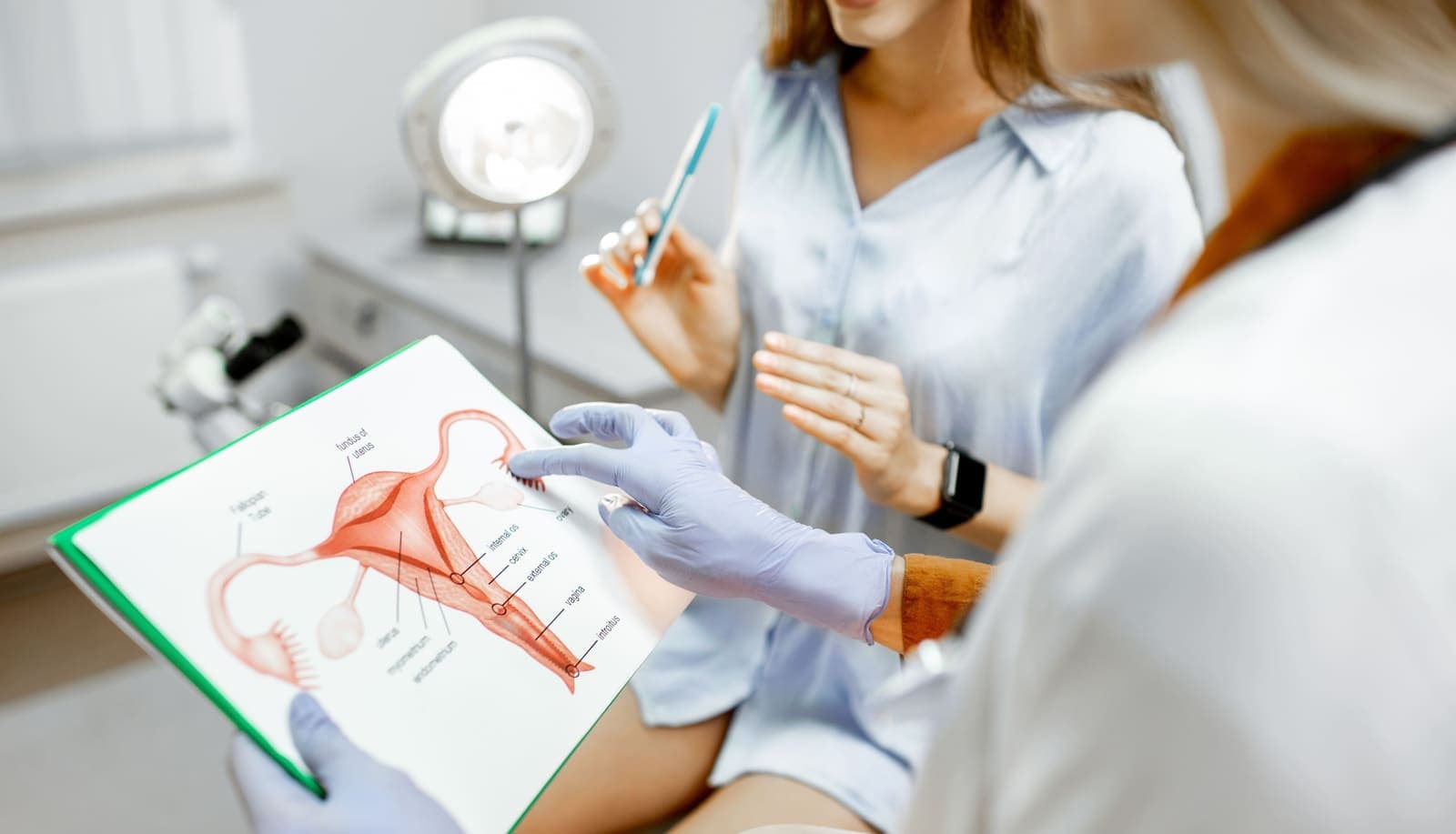
A gynecologist is explaining PCOS diagnosis to a distressed patient during consultation.
Laparoscopic ovarian drilling is a surgical procedure available for women with PCOS who have not responded adequately to ovulation induction medication (clomiphene or letrozole-resistant PCOS). During LOD, small holes are made in the ovarian surface using a laser or electrocautery. This destroys a small amount of ovarian cortex, which reduces androgen production from the ovary, restores the LH/FSH ratio, and often triggers a return of spontaneous ovulation.
Benefits of LOD:
- Restores ovulation in approximately 50 to 70% of women with medication-resistant PCOS
- The effect can persist for years — ongoing spontaneous ovulation without medication
- Reduces the risk of ovarian hyperstimulation syndrome (OHSS) compared to injectable gonadotropin cycles
- Avoids the multiple pregnancy risk of gonadotropin stimulation
Who LOD is for:
- Women with clomiphene/letrozole-resistant PCOS
- Women in whom the LH/FSH ratio is markedly elevated
- Women who prefer to avoid or delay IVF
- Women who also need a diagnostic laparoscopy for another reason (it can be combined)
Limitation: Not appropriate for women with very low AMH (reduced ovarian reserve), as LOD can reduce ovarian reserve slightly. Your surgeon and fertility specialist will assess this.
Step 4: IVF — In Vitro Fertilisation
IVF is recommended for women with PCOS when:
- Ovulation induction and IUI have failed after adequate cycles
- There are additional infertility factors (severe male factor, bilateral tubal blockage)
- Age or ovarian reserve makes time efficiency critical
- LOD has failed or is not appropriate
PCOS women actually respond very well to IVF ovarian stimulation — often extremely well, which brings its own consideration: the risk of ovarian hyperstimulation syndrome (OHSS). The ovaries of women with PCOS are very sensitive to gonadotropin stimulation and can over-respond, producing a large number of follicles and causing OHSS.
Modern IVF protocols manage this risk specifically in PCOS patients through:
- Careful, lower-dose stimulation protocols
- GnRH antagonist protocols that allow flexible triggering
- GnRH agonist trigger (instead of hCG trigger) when the response is strong
- "Freeze-all" strategies — freezing all embryos in the stimulation cycle and transferring in a subsequent natural or prepared cycle, which eliminates OHSS risk from the transfer itself
With careful management, IVF success rates in PCOS are good — comparable to or better than the general IVF population, because PCOS women typically have good ovarian reserve (many follicles available) and often have structurally normal uteri.
Managing PCOS Through Pregnancy
PCOS does not end at conception. Women with PCOS have elevated risks during pregnancy, including:
- Gestational diabetes (due to underlying insulin resistance)
- Gestational hypertension and preeclampsia
- Miscarriage (particularly in the first trimester)
- Preterm birth in some studies
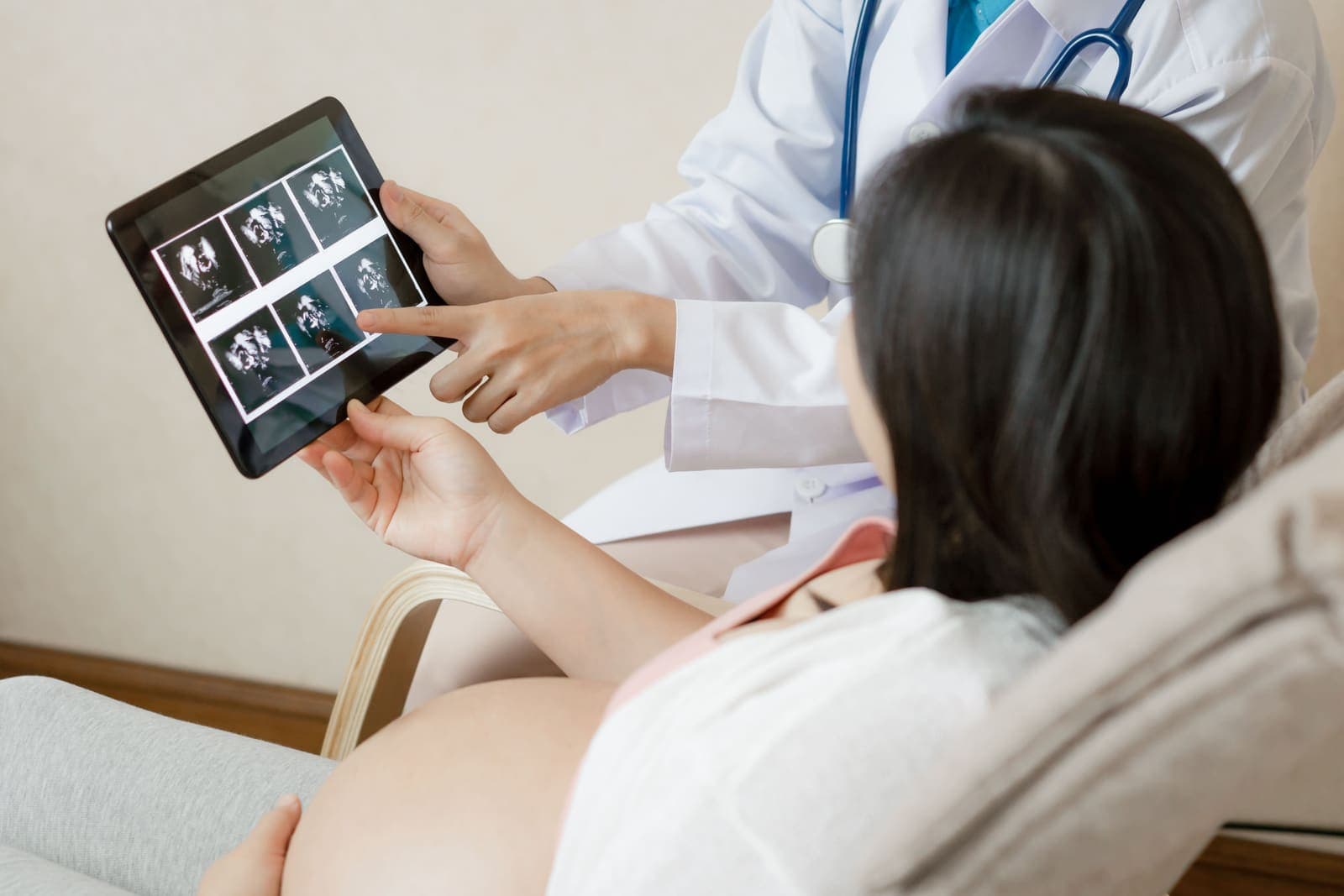
These risks underscore the importance of early antenatal registration, glucose tolerance testing in the first trimester (not just the standard 24 to 28 weeks screen), blood pressure monitoring, and close antenatal care throughout. A gynaecologist who knows your PCOS history is well-placed to provide appropriately vigilant pregnancy care.
PCOS and Fertility Care in Noida and Greater Noida

A gynecologist talks with a woman about PCOD and PCOS, going over treatment options, medications, hormone issues, missed periods, fertility questions, and tailoring care for her needs.
PCOS is manageable. Fertility with PCOS is achievable for the large majority of women who pursue appropriate treatment. The path varies — some women need only lifestyle change; others need a structured fertility treatment programme — but it exists, and it works.
Dr. Shachi Singh at Prakash Hospital, Sector 33, Noida, provides comprehensive PCOS management and fertility care for women across Noida and Greater Noida — from the initial diagnosis and hormonal workup through ovulation induction, IUI, and surgical options including laparoscopic ovarian drilling.
To book a consultation with Dr. Shachi Singh, call: +91 97023 46853
Clinic Hours: Monday to Saturday, 9 AM – 6 PM | Sunday, 10 AM – 2 PM
Clinic Address: D-12A, 12B, Sector-33, G.B. Nagar, Noida, Uttar Pradesh 201301
Frequently Asked Questions
Can I get pregnant with PCOS?
Yes — the majority of women with PCOS who pursue appropriate treatment conceive. PCOS is the most common cause of ovulatory infertility, but also one of the most treatable. The treatment approach is matched to the severity of ovulatory disruption.
Do I need IVF if I have PCOS?
Not necessarily. IVF is one step in the treatment ladder — most women with PCOS do not need it. Many conceive with lifestyle changes and oral ovulation induction medication alone. IVF is used when simpler treatments have not worked or when other infertility factors make it more efficient from the start.
Is there a natural way to improve fertility with PCOS?
Yes — lifestyle changes are genuinely effective and are the recommended first step. Weight reduction (in overweight women), a low-glycaemic diet, regular exercise, and adequate sleep all improve insulin sensitivity, reduce androgen levels, and restore ovulation in a meaningful proportion of women. The effect takes 3 to 6 months to fully manifest.
What is laparoscopic ovarian drilling, and should I have it?
LOD is a surgical procedure that makes small holes in the ovarian surface to reduce androgen production and restore ovulation. It is specifically for women with PCOS who do not respond to oral ovulation induction medication. It is not a first-line treatment but can restore years of spontaneous ovulation, reducing the need for ongoing fertility treatment. Discuss with your infertility specialist whether it is appropriate for your situation.
Will PCOS affect my pregnancy once I conceive?
PCOS is associated with elevated risk of gestational diabetes, high blood pressure in pregnancy, and first-trimester miscarriage. Close antenatal monitoring is important. Early glucose testing (first trimester, not just the standard 24 to 28 week screen) is particularly relevant.
This blog is written for educational and informational purposes only. Please consult Dr. Shachi Singh or a qualified gynaecologist and infertility specialist for guidance specific to your PCOS diagnosis and fertility situation.