Common Causes Of Pelvic Pain In Women
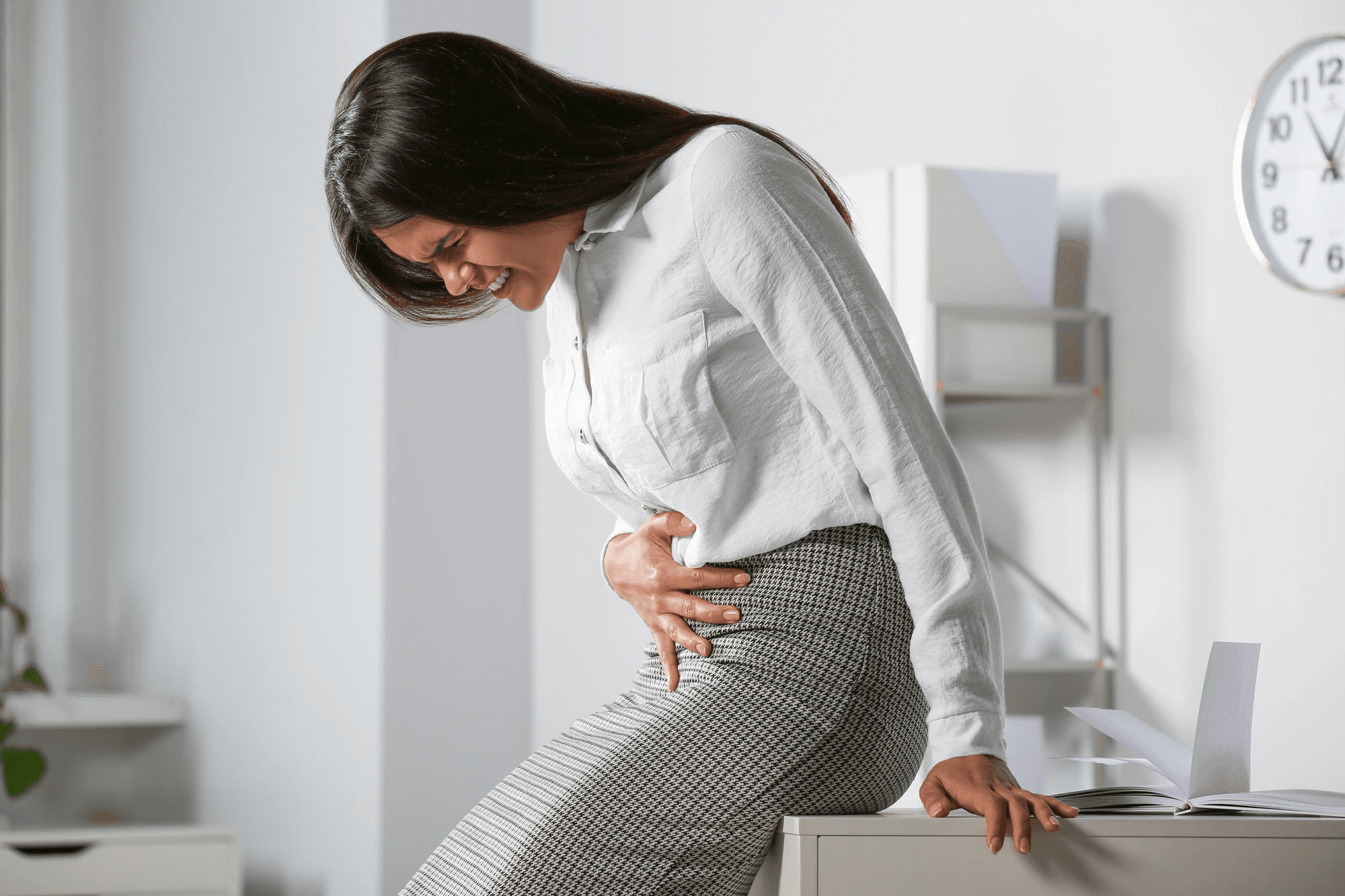
The issue of pelvic pain in women is a common concern, which can vary from minor discomfort to debilitating pain that interferes with daily life. Such pain can result from the reproductive organs, the urinary system, or the digestive system.
There are several reasons for pelvic pain, which include, but are not limited to, menstrual cramps, infections, ovarian cysts, and gastrointestinal problems, among others. Knowing the etiology of the problem is crucial, especially when it comes to conditions that require prompt medical attention.
What Is Meant By Pelvic Pain?
Pelvic pain is discomfort in the lower part of your tummy, below your belly button, and between your hips. It might be sharp or dull, steady or intermittent, and involve your reproductive, urinary, or digestive system. Women often associate it with their menstrual periods, ovulation, or other problems such as infection, cysts, or endometriosis. If it is ongoing, it is very important to get it checked by a medical professional.
Common Causes Of Pelvic Pain
1. Dysmenorrhea (Menstrual Pain)
Dysmenorrhea refers to painful menstruation caused by an increase in prostaglandin production, which causes uterine contractions and reduces blood flow to the uterus, or uterine ischemia. There are two types of dysmenorrhea:
- Primary, which occurs in the absence of any underlying disease.
- Secondary, which occurs in association with conditions such as endometriosis or adenomyosis.
Symptoms of dysmenorrhea include cramping pain in the lower abdomen, which may radiate to the back or thighs.
2. Ovulation Pain (Mittelschmerz)
Mittelschmerz is defined as mid-cycle pelvic pain that occurs during ovulation, which is a consequence of the rupture of the dominant follicle and the release of the ovum from the ovary.
It is usually one-sided and of mild to moderate intensity and is sometimes accompanied by slight vaginal spotting. It is self-limiting and subsides in 24 to 48 hours.
3. Endometriosis
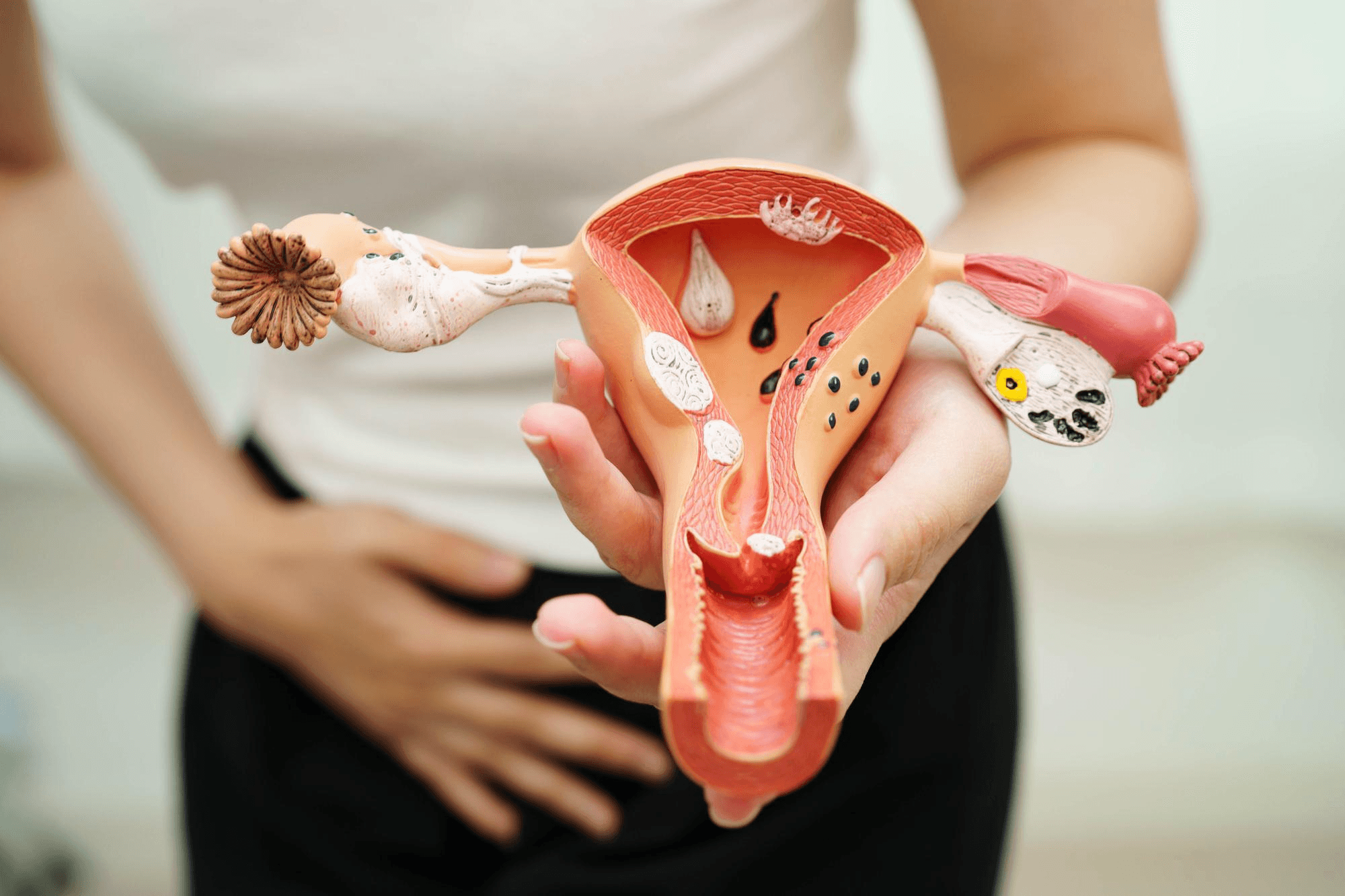
Endometriosis is characterized by the presence of endometrial-type glands and stroma outside the uterine cavity. The most common sites are:
- Ovaries
- Fallopian tubes
- Pelvic peritoneum
The symptoms are chronic pelvic pain, severe dysmenorrhea, dyspareunia, and infertility.
4. Pelvic Inflammatory Disease (PID)
Pelvic Inflammatory Disease is an ascending infection of the upper female genital tract, involving the uterus, fallopian tubes, and ovaries. The most common cause of PID is sexually transmitted pathogens such as Chlamydia trachomatis and Neisseria gonorrhoeae. Symptoms:
- Bilateral lower Abdominal pain
- Fever
- Abnormal vaginal discharge
- Cervical motion tenderness.
If not treated, PID may cause infertility and chronic pelvic pain.
5. Ovarian Cysts
Ovarian cysts are fluid-filled sacs found on or within an ovary. Functional cysts, which include follicular and corpus luteum cysts, are frequent.
Symptoms are rarely seen. Complications like cyst rupture or torsion may cause severe pain on one side of the abdomen, nausea, and vomiting.
6. Uterine Fibroids (Leiomyomas)
Leiomyomas are smooth-muscle tumors of the uterus. Depending on their size and location, which may be submucosal, intramural, or subserosal. Uterine fibroids may cause:
- Pelvic pressure
- Chronic pain
- Menorrhagia
- Reproductive difficulties
Large fibroids may press on surrounding organs, causing discomfort.
7. Ectopic Pregnancy
Ectopic pregnancy refers to the implantation of a fertilized ovum in a location other than the uterine cavity, most commonly in the fallopian tube. Symptoms include:
- Acute pain in the pelvis
- Amenorrhea
- Vaginal bleeding.
Rupture of the fallopian tube may lead to severe intra-abdominal bleeding.
8. Urinary Tract Infections (UTIs)
Lower urinary tract infections, particularly cystitis, may be accompanied by suprapubic pelvic discomfort. The clinical features of UTIs include dysuria, increased urinary frequency, urgency, and, in some instances, hematuria. Severe infections may spread to the kidneys (pyelonephritis), resulting in flank pain and systemic symptoms.
9. Irritable Bowel Syndrome (IBS)
Irritable Bowel Syndrome is a gastrointestinal functional disorder that is marked by recurring abdominal or pelvic pain with altered bowel habits such as diarrhea, constipation, or a combination of both. The pain is usually relieved by defecation and may be accompanied by bloating and mucus in the stools.
10. Gastrointestinal Causes
Appendicitis, inflammatory bowel disease (Crohn’s disease or ulcerative colitis), and chronic constipation are some of the gastrointestinal disorders that may manifest as pelvic pain. Appendicitis usually presents as right lower quadrant pain accompanied by fever and nausea.
When To Seek Medical Assistance?
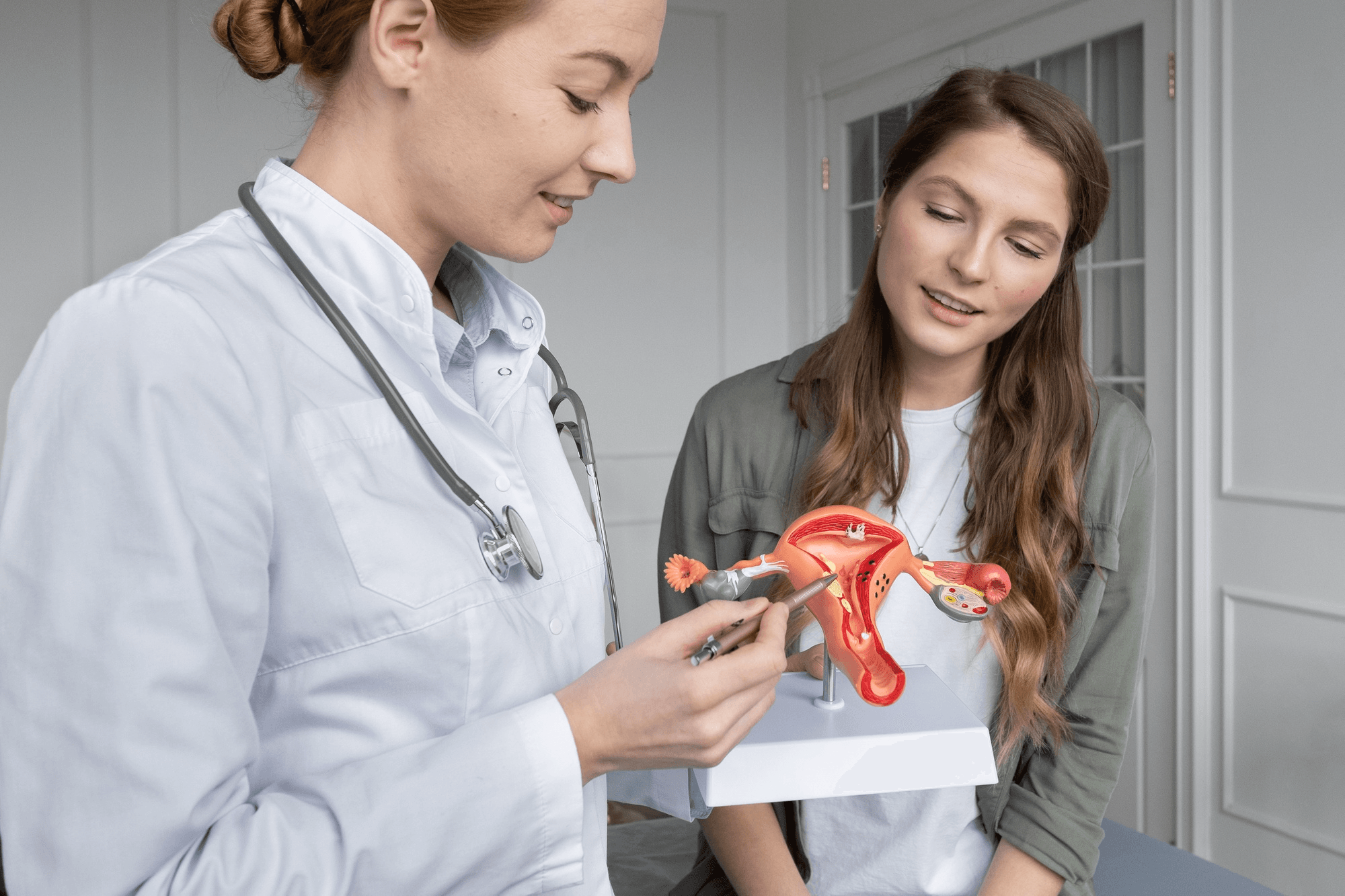
It is advised to consult a gynecologist when there is persistent, severe, and increasing pain in the pelvic region. However, in the case of sudden and severe pain accompanied by fever, dizziness, fainting, and heavy vaginal bleeding, immediate medical attention is required, as it may be indicative of serious problems like ectopic pregnancy and infections.
Pain during intercourse and irregular menstrual cycles are also signs that need to be checked. Other signs like abnormal discharge from the vagina, urinary discomfort, and gastrointestinal problems should not be neglected, as their early diagnosis will prevent complications and provide proper treatment for the underlying condition.
Final Thoughts
Pelvic pain in women can come from many places, such as the reproductive organs, the urinary tract, or even the digestive system. Sometimes it’s just a passing discomfort, but other times, it points to something more serious that needs attention. Knowing what’s going on with your body can make a real difference. If you catch the symptoms early and get the right help, you can manage the pain and stay healthy.
Expert Care With Dr. Shachi Singh
If pelvic pain keeps coming back or it’s just too much to handle, trust your instincts; your body needs attention. Reach out to Dr. Shachi Singh, a skilled gynecologist, obstetrician, and laparoscopic surgeon. Her focus is always on what’s best for you, with care tailored to your specific needs. Don't put your health on stake.
Book your appointment today.
Frequently Asked Questions (FAQs)
1.When is pelvic pain an emergency?
Pelvic pain should be treated as an emergency if it comes on suddenly, quickly increases in intensity, or is severe. If you develop a fever, heavy bleeding, feeling faint, light headed or vomiting along with this then seek urgent attention. For pregnant women any sharp pelvic pain should be treated as an emergency because it may indicate something serious like an ectopic pregnancy. Ovarian torsion or an appendicitis also have to be investigated promptly.
2. What happens if I ignore my pelvic pain?
Ignoring pelvic pain may lead to complications. Infections such as pelvic inflammatory disease could lead to reduced fertility because the infection can spread. Endometriosis left untreated will likely worsen and lead to scar tissue. Emergency conditions such as an ectopic pregnancy or an appendicitis which will not improve without attention will be more life threatening as they become more established. The sooner you recognize a problem, the more treatable it is likely to be, with less likelihood of long-term complications and reduced morbidity.
3. Which is the best test for pelvic pain?
There isn't one best test to diagnose the cause of pelvic pain, however, doctors usually begin with a pelvic examination followed by an ultrasound to see what's going on in your pelvis. Blood and urine tests help rule in or out infection and in complex situations such as the diagnosis of endometriosis a laparoscopy may be carried out to allow direct visualization of pelvic structures.
4. What would pelvic pain due to cancer feel like?
If pelvic pain is caused by cancer, then usually the pain will feel different. Usually the pain is a more constant rather than intermittent pain and there will be a sense of aching and pressure in the lower abdomen and pelvis which may spread to the back and thigh. If it is due to cervical or ovarian cancer then there may also be unintentional weight loss, bloating and vaginal bleeding.
5. What may be mistaken for pelvic floor pain?
Pelvic floor pain can feel similar to a number of different conditions. This include; a UTI (urinary tract infection), endometriosis, IBS (irritable bowel syndrome), interstitial cystitis (inflammation of the bladder). However it can also simply feel like muscle ache or a nerve type of pain, a period type pain or it may feel more like a regular aches and pains as found in muscle aches. This list does not cover all possible differential diagnoses; however it illustrates how easy it is to mistake pelvic floor pain for other medical problems and the importance of proper investigation.