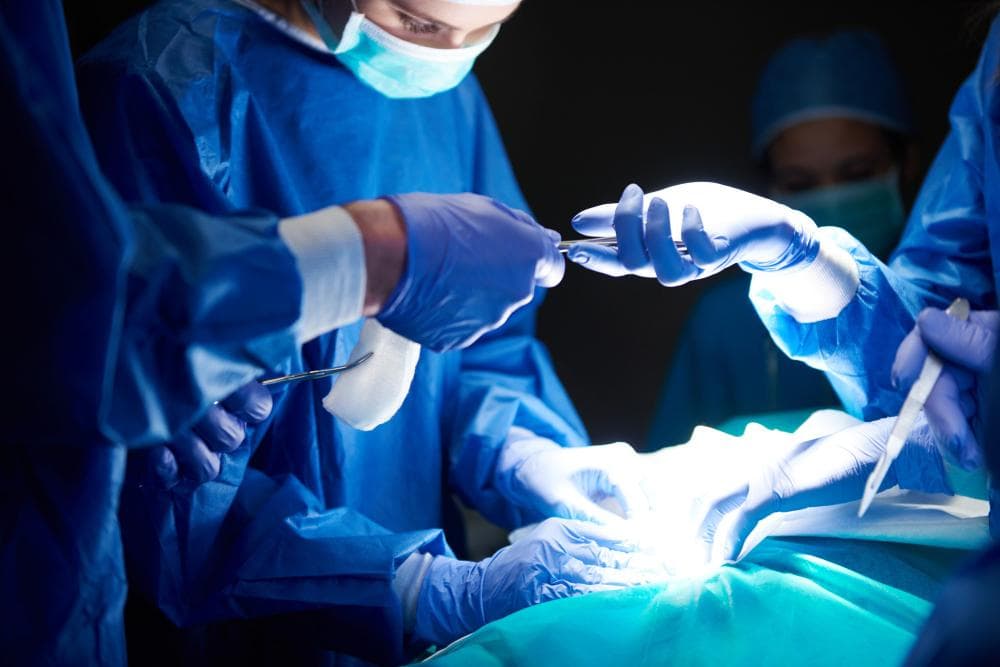
Recovery After Laparoscopic Gynaecological Surgery: A Week-by-Week Guide
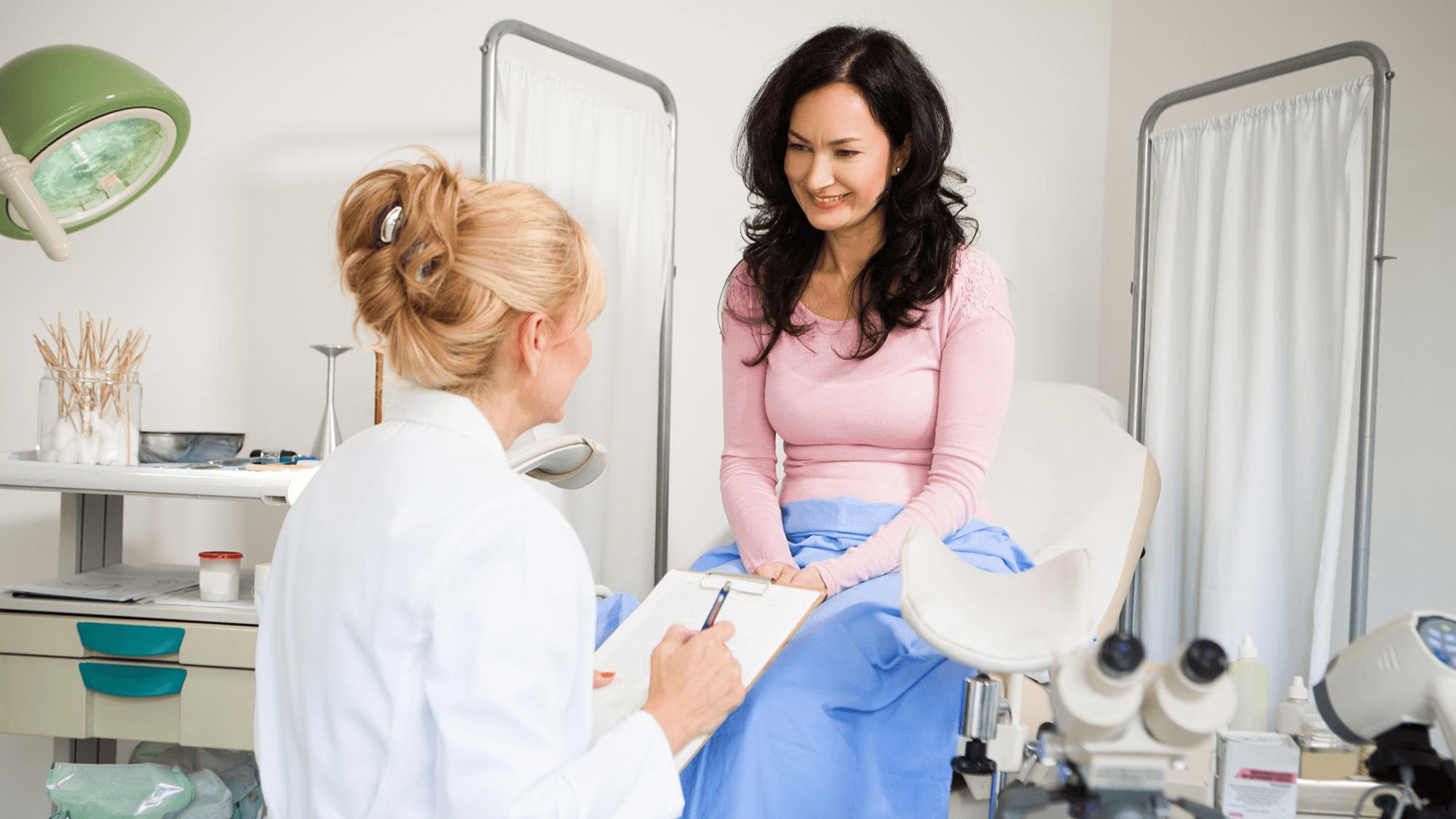
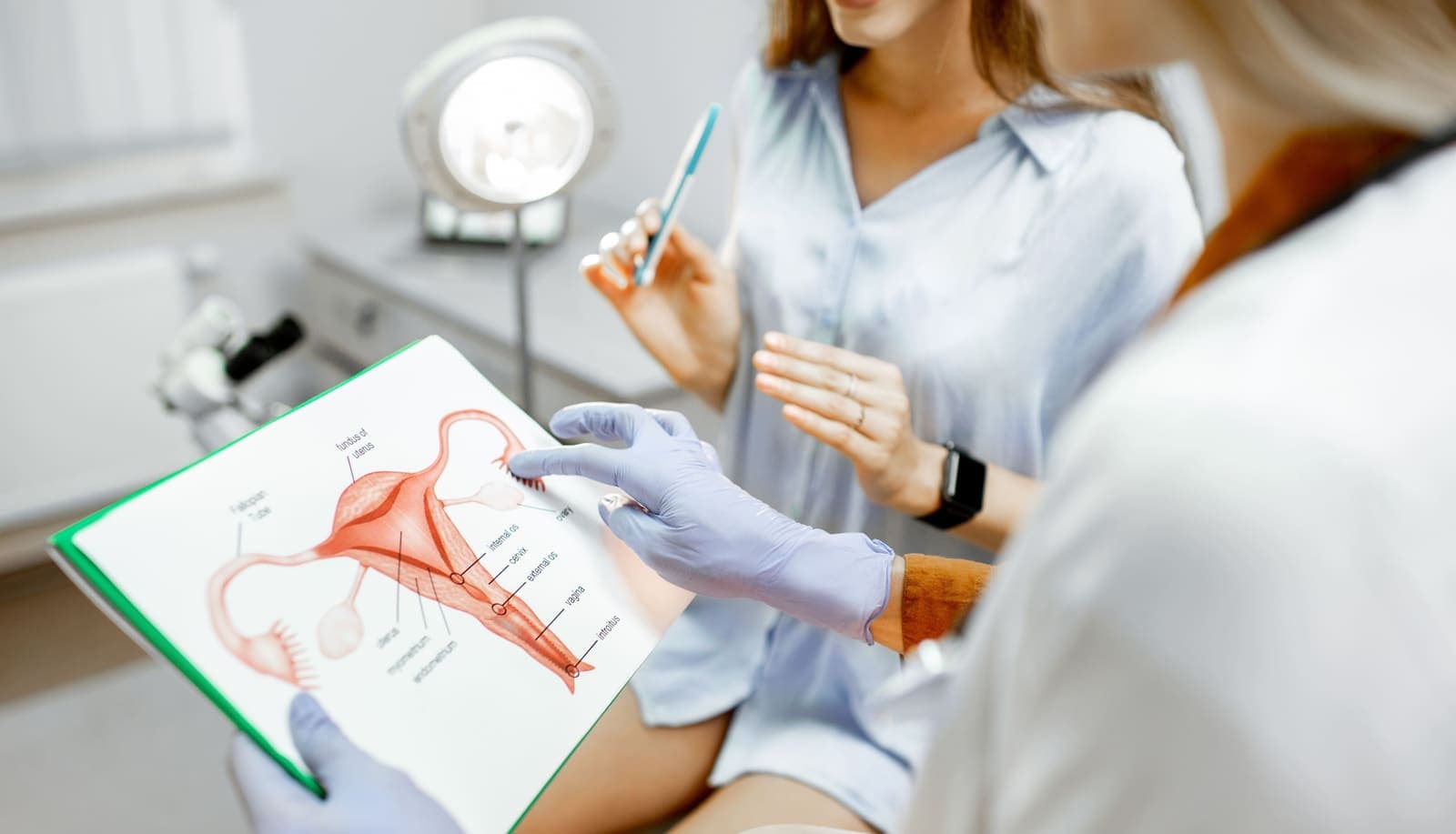
Patient consults gynecologist about post-laparoscopic surgery recovery, diet, and healing process in the office
One of the most common things women say after laparoscopic surgery is: "I did not expect to feel this good this quickly." The contrast with what they imagined — based either on open surgery experiences or on general surgical anxiety — is usually striking.
But "faster than open surgery" does not mean there is nothing to manage during recovery. There is. And knowing what to expect — what is normal, what the timeline looks like, when you can drive again, when you can have sex again, what the warning signs are — is what turns a smooth recovery into something you actually navigate confidently rather than worrying through.
Dr. Shachi Singh, consultant gynaecologist and laparoscopic surgeon at Prakash Hospital, Sector 33, Noida, has prepared this recovery guide for women having laparoscopic gynaecological surgery. The specifics vary by procedure — a diagnostic laparoscopy is a very different recovery from a laparoscopic hysterectomy — so this guide addresses each type and provides timelines accordingly.
Before You Leave the Hospital
Before discharge, ensure you know:
- What procedure was performed and what was found
- Your follow-up appointment date
- What medications to take, in what doses, at what times
- Which activities to avoid and for how long
- Wound care instructions for the small incisions
- What symptoms require a call to the clinic
- What symptoms require going to an emergency room immediately
Do not leave without these answers. Write them down or have someone with you who will remember.
What to Arrange Before Surgery
Having the right things in place before surgery makes the first week significantly more comfortable
At home: A resting area on the ground floor if possible (avoiding stairs in the first 1 to 2 days is easier), loose comfortable clothing that does not press on the abdomen, meals prepared in advance or someone to help with cooking, extra pillows to support positioning during rest.
Practical: Someone to drive you home. Someone to stay with you for the first 24 hours at minimum. A way to contact your surgeon if you have concerns.
Recovery by Procedure Type
Recovery varies significantly depending on what was done. Use this as your reference:
Diagnostic laparoscopy / tubal ligation: Shortest recovery. Most women are at light activity within 2 to 3 days and effectively normal within 1 to 2 weeks.
Ovarian cyst removal (laparoscopic cystectomy): 3 to 5 days to light activity, 1 to 2 weeks to desk work, 3 to 4 weeks to full activity.
Laparoscopic myomectomy (fibroid removal): Depends on fibroid size and number. Simple single fibroid: similar to cystectomy. Large or multiple fibroids: 5 to 7 days to light activity, 2 to 3 weeks to desk work, 4 to 6 weeks to full activity.
Laparoscopic hysterectomy (TLH): Longer recovery than cyst or fibroid surgery. 5 to 7 days to light activity at home, 2 to 3 weeks to desk work, 4 to 6 weeks to full physical activity. Internal healing (particularly the vaginal cuff after TLH) continues for 6 to 12 weeks — sexual activity is generally advised to wait until the 6 to 8 week follow-up confirms healing.
Endometriosis surgery (laparoscopic excision): Variable. Minor excision recovery is similar to diagnostic laparoscopy. Extensive excision for deep infiltrating endometriosis may involve longer recovery.
Day of Surgery — What Happens Immediately After
You will wake up in the recovery room with an oxygen mask or nasal prongs, an IV line in the arm, and monitoring equipment. A nurse is present. You will feel groggy and possibly nauseous from the anaesthesia.
What you will notice:
- Soreness at the small incision sites on the abdomen — typically mild, manageable with pain medication
- Nausea — common post-anaesthesia, typically mild and transient
- Shoulder and collarbone pain — this is the symptom nobody warns women about and it is the one that surprises people most. The carbon dioxide gas used to inflate the abdomen during surgery can irritate the diaphragm, and this irritation is felt as referred pain in the shoulder and collarbone area. It is completely harmless and resolves within 24 to 48 hours as the body absorbs the remaining gas. Walking around helps move the gas and speeds this resolution.
- Bloating — the abdomen will feel distended from the residual gas. This settles within 1 to 3 days.
- Light vaginal bleeding or spotting — expected after uterine procedures
You will be asked to urinate before discharge. Once pain is controlled, you can drink fluids, walk to the bathroom, and the medical team is satisfied with your vital signs and comfort — discharge is arranged. For most laparoscopic gynaecological procedures, this is same-day or after one night.
Day 1 and 2 — Home, Resting
This is the day of maximum anaesthesia hangover. You may feel more tired than you expected. The pain is typically at its peak (though still mild compared to open surgery) and the anaesthesia grogginess is still present.
What is normal:
- Fatigue and drowsiness
- Mild incision site soreness — a steady ache rather than sharp pain
- Shoulder and collarbone discomfort from residual gas
- Bloating and abdominal distension
- Loss of appetite
- Light vaginal spotting (after uterine procedures)
What to do:
- Rest. This is not the day to judge how fast you will recover
- Take your pain medication on schedule rather than waiting for pain to peak
- Walk gently around the house every few hours — short distances only, but walking prevents blood clots, aids bowel function, and helps move the residual gas
- Drink fluids freely
- Eat light food as appetite allows — dal and rice, soup, khichdi, fruit
- Sleep as much as needed
Do not:
- Drive (you are on pain medication and have had general anaesthesia)
- Lift anything heavier than a cup of tea
- Climb stairs more than necessary
- Be alone overnight if possible — have someone at home
Days 3 to 5 — Improving Daily
The shoulder gas pain has typically resolved or is resolving. The peak of incision soreness is passing. Energy begins returning.
Most women are surprised by how functional they feel by day 3 to 4 after simple laparoscopic procedures.
What is normal:
- Continued mild incision soreness, improving daily
- Bloating that is resolving but not completely gone
- Some constipation — very common post-surgery (anaesthesia slows the bowel; pain medications often worsen this)
- Reduced appetite compared to normal
- Fatigue that comes and goes — you feel fine, then suddenly exhausted
What to do:
- Light household tasks as energy allows — short walks, sitting at a table for meals, watching television
- Address constipation proactively: plenty of water, fibre from fruit and vegetables, and consider an over-the-counter stool softener if no bowel movement by day 3. Straining at the toilet is uncomfortable and increases intra-abdominal pressure — a stool softener is sensible prevention
- Shower once wound dressings are sealed — your surgeon will confirm when. Bath or immersion in water (swimming, tub bath) is typically avoided until wounds are fully closed
- Begin reducing pain medication as tolerated
Do not:
- Return to work (unless it is entirely from home and light desk work from day 5 onward for simple procedures)
- Drive
- Lift
- Push or pull anything heavy
Week 2 — Regaining Normalcy
By the start of week 2, most women who have had cystectomy, tubal ligation, or diagnostic laparoscopy feel significantly better and are approaching normal function.
Women who have had myomectomy or hysterectomy are still in early recovery but progressing well.
What is normal:
- Mild soreness at incision sites that is intermittent rather than constant
- Occasional fatigue, particularly after activity
- Possible light spotting continuing after uterine procedures (normal for 2 to 4 weeks)
- Bowel function normalising
What you can do:
- Return to desk work from home, or light office work (for simple procedures)
- Drive — once you are off strong pain medication, can perform an emergency stop without hesitation, and your surgeon has cleared you (typically around day 7 to 10 for simple procedures, 2 to 3 weeks for hysterectomy)
- Light shopping, short social outings
- Resume cooking and light household tasks
Continue to avoid:
- Lifting anything heavier than 3 to 5 kg
- Exercise beyond gentle walking
- Swimming or immersion bathing
- Sexual activity until cleared by your surgeon at your follow-up appointment
Weeks 3 and 4 — Returning to Full Activity
For simple procedures, most women are functionally back to normal by week 3 to 4. For myomectomy and hysterectomy, this is the transition period.
Resuming exercise: Light exercise — yoga (avoiding deep inversions and abdominal pressure), swimming (once wounds are fully healed), walking of increasing duration — can typically resume around week 3 to 4 for simple procedures, week 4 to 6 for more complex ones. Avoid anything that creates significant intra-abdominal pressure (heavy weight training, intense core exercises) until 6 weeks minimum.
Sexual activity: After simple laparoscopic procedures (cystectomy, tubal ligation) — your surgeon will advise, typically from 2 to 4 weeks. After laparoscopic hysterectomy — generally 6 to 8 weeks, pending confirmation at your post-operative appointment that the vaginal cuff has healed.
Menstrual cycle: Your next period may arrive slightly earlier or later than usual. It may be heavier or lighter than usual. This is normal. The cycle typically returns to its previous pattern within 1 to 3 months.
Warning Signs — When to Call Your Surgeon or Go to Hospital
Most laparoscopic recoveries are smooth. These symptoms are uncommon but require prompt attention:
Call your surgeon if:
- Fever above 38°C (100.4°F)
- Increasing rather than decreasing pain after day 3
- Heavy vaginal bleeding (soaking more than one pad per hour)
- Wound site becoming red, swollen, warm, or producing discharge
- Significant nausea or vomiting preventing fluid intake
- No bowel movement by day 4 to 5 despite stool softeners
- Unusual or foul-smelling vaginal discharge
- Burning or pain with urination
Go to emergency if:
- Sudden severe abdominal pain
- Fever above 39°C with rigors
- Heavy bleeding that is not slowing
- Chest pain or difficulty breathing
- Severe swelling, redness, or pain in one leg (possible deep vein thrombosis)
- Inability to pass urine
Diet During Recovery
No specific dietary restrictions, but some approaches help:
Eat regularly — even if appetite is reduced. Small, frequent meals rather than large ones. Your body is healing and needs nutrition.
Prioritise protein — dal, paneer, curd, eggs, nuts — protein supports tissue repair.
Prioritise fibre — to prevent constipation. Fruits (guava, papaya, banana), vegetables, whole grains, oats.
Stay well-hydrated — 8 to 10 glasses of water daily. Dehydration worsens constipation and fatigue.

A young woman with long dark hair drinks from a glass bottle of water, her eyes closed as she looks refreshed. Her face is lit by natural light from a window in the bright background.
Avoid gas-producing foods in the first few days — broccoli, cabbage, pulses in excess — when you are already bloated from the residual CO2 gas.
Laparoscopic Surgery and Post-Operative Care in Noida and Greater Noida
Dr. Shachi Singh at Prakash Hospital, Sector 33, Noida, provides comprehensive pre-operative preparation and post-operative follow-up for all laparoscopic gynaecological procedures for women across Noida and Greater Noida. Follow-up appointments are typically at 1 week (wound check) and 4 to 6 weeks (full recovery assessment) post-operatively.
If you have any concerns during recovery — at any point — do not wait for the scheduled appointment. Contact the clinic.
To book a consultation with Dr. Shachi Singh, call: +91 97023 46853
Clinic Hours: Monday to Saturday, 9 AM – 6 PM | Sunday, 10 AM – 2 PM
Clinic Address: D-12A, 12B, Sector-33, G.B. Nagar, Noida, Uttar Pradesh 201301
Frequently Asked Questions
1. How long does the shoulder pain last after laparoscopy?
The shoulder and collarbone pain from residual CO2 gas typically resolves within 24 to 48 hours. Walking around accelerates resolution by helping the gas move and absorb. If shoulder pain is worsening rather than improving after 48 hours, contact your surgeon.
2. When can I drive after laparoscopic surgery?
Once you are no longer on strong pain medication, can perform an emergency stop without hesitation, and your surgeon has cleared you. This is typically day 7 to 10 for simple procedures, 2 to 3 weeks for laparoscopic hysterectomy.
3. When can I resume sexual activity?
After simple laparoscopic procedures: your surgeon will advise, typically 2 to 4 weeks. After laparoscopic hysterectomy: 6 to 8 weeks, pending vaginal cuff healing confirmed at your follow-up.
4. Is it normal to feel very tired after laparoscopic surgery?
Yes — fatigue is a normal part of recovery from any surgery. General anaesthesia, the body's healing response, and disrupted sleep all contribute. Most women find energy improves progressively through the first two weeks.
5. My incisions look fine but I still feel sore inside — is that normal?
Yes. Internal healing takes longer than surface wound healing. The small incisions on the skin heal within 1 to 2 weeks, but the internal tissue layers — including the uterine wall in myomectomy, or the vaginal cuff in hysterectomy — take 4 to 12 weeks to fully heal. The internal soreness you feel is the healing process, not a sign of a problem. It should improve progressively, not worsen.
This blog is written for educational and informational purposes only. Please consult Dr. Shachi Singh or a qualified gynaecological surgeon for post-operative guidance specific to your procedure.