IUI Vs IVF: The Difference, Who Each Is For, And How To Think About The Choice

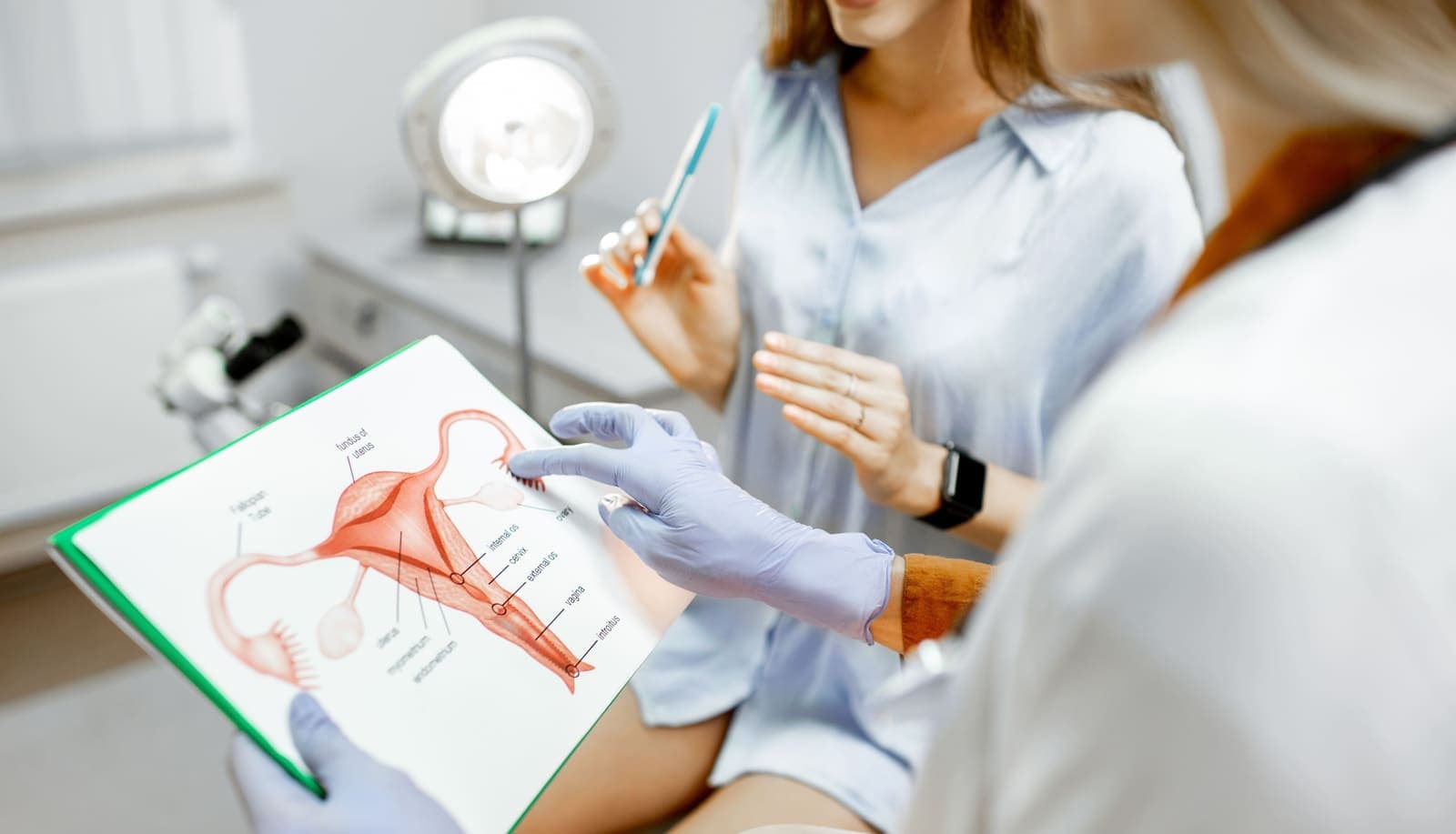
A woman explaining her problems to a gynecologist about her infertility in a clinic, seeking help from medical experts for help.
When you are dealing with infertility, the alphabet soup of treatment options, IUI, IVF, ICSI, and IUI FET, can feel genuinely overwhelming. And somewhere early in that process, the IUI vs IVF question comes up. Are they the same thing? Is one always better? Why would a doctor recommend one over the other?
The confusion is understandable. Both treatments assist conception. Both involve medical procedures and monitoring. But they are fundamentally different in what they do, who they are appropriate for, how demanding they are, how much they cost, and what their success rates actually mean.
Dr. Shachi Singh, consultant gynaecologist and infertility specialist at Prakash Hospital, Sector 33, Noida, explains the distinction clearly, what each treatment involves, who is a candidate, what the realistic success rates are, and how the decision between them is actually made.
The Core Difference in One Sentence
IUI (Intrauterine Insemination) places prepared sperm directly into the uterus to help sperm reach the egg more easily — but fertilisation still happens inside the body, naturally.
IVF (In Vitro Fertilisation) removes eggs from the ovaries, fertilises them with sperm in a laboratory outside the body, and places the resulting embryo directly into the uterus.
IUI assists natural fertilisation by improving the odds. IVF bypasses natural fertilisation entirely by performing it in a controlled laboratory environment.
How IUI Works
IUI is a relatively simple outpatient procedure. It does not require surgery, anaesthesia, or egg retrieval.
Step 1 — Ovarian monitoring: Your gynaecologist tracks your cycle using regular transvaginal ultrasounds to identify when a follicle is approaching ovulation. In stimulated IUI cycles, low-dose medication (letrozole, clomiphene, or injectable gonadotropins) is used to encourage the development of one to two good follicles.
Step 2 — Trigger injection: When the follicle reaches the right size (typically 18 to 20 mm), an hCG trigger injection is given to time ovulation precisely. IUI is then scheduled 24 to 36 hours later.
Step 3 — Sperm preparation: A semen sample from the male partner is collected on the day of the procedure. In the laboratory, the semen is washed and processed — separating the most motile, normally-shaped sperm from the rest and concentrating them into a small volume.
Step 4 — Insemination: A thin, flexible catheter is passed gently through the cervix into the uterine cavity. The prepared sperm sample is injected. The procedure takes 5 to 10 minutes, similar to a cervical smear in terms of discomfort. Most women feel mild cramping during or just after.
After the procedure: You go home and continue normally. A pregnancy test is taken 14 days later.
What IUI does: By depositing concentrated, high-quality sperm directly into the uterus — past the cervix, much closer to the fallopian tubes — IUI gives sperm a significant advantage in reaching the egg compared to natural intercourse. Fertilisation, implantation, and all subsequent steps still happen naturally.
Who IUI Is Appropriate For
IUI is best suited to situations where the basic fertility equipment — the fallopian tubes, the ovaries, the uterus — is functional, but there is a specific obstacle that IUI can help overcome.
Unexplained infertility: When all tests return normal results but conception has not occurred, IUI with mild ovarian stimulation improves the chances beyond what timed intercourse alone achieves. Most specialists recommend 3 to 4 IUI cycles before reassessing.
Mild male factor infertility: If the sperm count, motility, or morphology is mildly reduced but not severely impaired, the sperm washing and concentration process in IUI can meaningfully improve the effective number of good sperm reaching the egg.
PCOS with ovulation problems: Women with PCOS who are not ovulating regularly can be stimulated with letrozole or other medications and then inseminated — often with good results, since once ovulation is induced, other aspects of their fertility are frequently normal.
Cervical factor infertility: If the cervical mucus is hostile to sperm — for example, due to anti-sperm antibodies or cervical stenosis — IUI bypasses the cervix entirely, removing the obstacle.
Donor sperm use: Women using donor sperm for conception — whether single women or couples with azoospermia — typically start with IUI.
IUI is NOT appropriate when:
- Both fallopian tubes are blocked — sperm placed in the uterus still cannot reach an egg if the tubes do not allow passage
- Severe male factor infertility — below a minimum threshold of sperm count and motility, the concentration advantage of IUI is insufficient
- Severe ovarian reserve compromise where time is critical
- Significant endometriosis or uterine abnormalities affecting implantation
- Previous failed IVF where the issue has been identified and requires IVF-level intervention
How IVF Works
IVF is a more involved, multi-step process. It does require injections, monitoring, a minor surgical procedure, and a laboratory environment.
Step 1 — Ovarian stimulation: Daily injections of gonadotropins (FSH and LH) are given for 8 to 14 days to stimulate the ovaries to develop multiple follicles simultaneously — instead of the single egg of a natural cycle. Regular ultrasound and blood hormone monitoring guide dosage adjustment.
Step 2 — Trigger injection: When follicles reach maturity (typically 17 to 19 mm), an hCG or GnRH agonist trigger is given to mature the eggs.
Step 3 — Egg retrieval (oocyte pick-up): 35 to 37 hours after the trigger injection, eggs are retrieved under short general anaesthesia or IV sedation. Using ultrasound guidance, a thin needle is passed through the vaginal wall into each follicle to aspirate the egg and follicular fluid. The procedure takes 15 to 30 minutes. You recover for a few hours and go home the same day. Mild bloating and pelvic discomfort afterwards are common.
Step 4 — Fertilisation in the laboratory: The retrieved eggs are examined by embryologists. Mature eggs are combined with prepared sperm in the laboratory. Standard IVF involves placing sperm near each egg and allowing natural fertilisation. ICSI (Intracytoplasmic Sperm Injection) — used when sperm parameters are significantly poor — involves injecting a single sperm directly into each egg.
Step 5 — Embryo culture: Fertilised eggs develop into embryos over 3 to 5 days in a controlled laboratory environment, monitored by embryologists.
Step 6 — Embryo transfer: The best quality embryo (or embryos) is transferred into the uterus through a thin catheter — a procedure similar to IUI in terms of discomfort, requiring no anaesthesia. Excess good-quality embryos are frozen for future cycles.
Step 7 — Pregnancy test: 14 days after transfer.
Who IVF Is Appropriate For

couple appears distressed, worried about having a problem with fertility because of their endometriosis. Sitting in a chair together, showing their concern and lack of hope.
IVF is indicated when simpler treatments are insufficient or inappropriate, or when the specific cause of infertility requires bypassing natural fertilisation entirely.
Blocked or absent fallopian tubes: IVF works completely around the fallopian tubes. This is the clearest IUI-vs-IVF decision point — if both tubes are blocked, IUI cannot work; IVF is the path forward.
Severe male factor infertility: When sperm count is very low, or sperm motility or morphology is severely abnormal, IVF with ICSI achieves fertilisation that IUI cannot.
Low ovarian reserve, particularly with advancing age: When ovarian reserve is reduced and time matters, the higher per-cycle success rate of IVF makes it a more time-efficient use of the remaining egg supply. Going through 4 IUI cycles over 6 months may not be advisable when the total egg reserve is limited.
Endometriosis: Moderate to severe endometriosis reduces IUI success rates significantly. IVF — which removes eggs from the body, fertilises them externally, and transfers an embryo directly — is generally more effective in this population.
Recurrent IUI failure: After 3 to 4 unsuccessful IUI cycles in an appropriately selected patient, IVF is the next step. Research shows that after the first 3 IUI cycles, the incremental benefit of additional IUI cycles drops substantially.
Preimplantation Genetic Testing (PGT): Couples with genetic disorders, chromosomal abnormalities, or recurrent miscarriage related to embryo chromosomal problems can use PGT during IVF to test embryos before transfer. This option is only available through IVF.
PCOS with poor IUI response, or with hyperstimulation risk: PCOS patients can sometimes respond too strongly to gonadotropins with IUI — creating multiple follicles and a high multiple pregnancy risk. IVF allows better control of ovarian response and single embryo transfer.
Success Rates: What the Numbers Actually Mean
Success rates in fertility treatment are often cited without the context that makes them meaningful. Here is the honest picture:
IUI success rates:
- Per cycle: approximately 10 to 20% for women under 35 in well-selected candidates
- Cumulative after 3 cycles: approximately 40 to 50%
- After 35, rates decline progressively
- With donor sperm: similar per-cycle rates
IVF success rates (fresh embryo transfer):
- Women under 35 with good ovarian reserve: approximately 40 to 50% per transfer
- Age 35 to 37: approximately 30 to 40% per transfer
- Age 38 to 40: approximately 20 to 30% per transfer
- Age 40 to 42: approximately 10 to 20% per transfer
- Cumulative success across multiple cycles: significantly higher than per-cycle rates
The comparison seems to obviously favour IVF — higher per-cycle rates across all age groups. But this comparison is only meaningful if IVF is the appropriate treatment for that patient. A woman with unexplained infertility, open tubes, and good ovarian reserve doing IUI under 35 has a 40 to 50% chance of conception after 3 cycles — without the physical, emotional, and financial demands of IVF.
The right treatment is not always the one with the highest theoretical success rate — it is the one that is appropriate for the specific diagnosis and situation.
The Practical Differences
| IUI | IVF | |
|---|---|---|
| Invasiveness | Low — no surgery, no egg retrieval | Higher — requires injections, egg retrieval under sedation |
| Anaesthesia | None | Sedation or short general anaesthesia for egg retrieval |
| Duration of treatment cycle | 2 to 3 weeks | 4 to 6 weeks |
| Monitoring visits | 2 to 4 ultrasound visits | 5 to 8 monitoring visits |
| Injections | Minimal (trigger only in natural cycles, or mild stimulation) | Daily injections for 8 to 14 days |
| Laboratory involvement | Sperm processing only | Egg fertilisation, embryo culture, embryo assessment |
| Embryo freezing option | No | Yes — excess embryos can be frozen for future use |
| Genetic testing of embryos | Not possible | Possible (PGT) |
| Tubes required | Yes — must be patent | No — tubes bypassed entirely |
| Approximate cost per cycle | Lower | Higher |
How the Decision Is Actually Made
In practice, the IUI vs IVF decision comes from a systematic assessment:
1. What does the diagnostic workup show?
Blocked tubes → IVF. Severe male factor → IVF with ICSI. Open tubes, good reserve, mild male factor → IUI first.
2. How old is the patient, and what is her ovarian reserve?
At 38 or above with diminished reserve, the time efficiency of IVF matters. At 28 with good reserve and unexplained infertility, 3 IUI cycles are a reasonable first step.
3. Have previous fertility treatments been tried?
If 3 to 4 IUI cycles have been done without success, the diagnosis often shifts to "IUI-resistant infertility," and IVF is recommended.
4. Are there other factors?
Significant endometriosis, uterine abnormalities, genetic concerns, recurrent miscarriage — all of these can shift the recommendation toward IVF even when other parameters might suggest starting with IUI.
5. What does the couple prefer?
Patient preference, particularly around invasiveness, cost, and emotional demand, is part of the clinical decision. A shared decision with full information is always the goal.
Fertility Care in Noida and Greater Noida
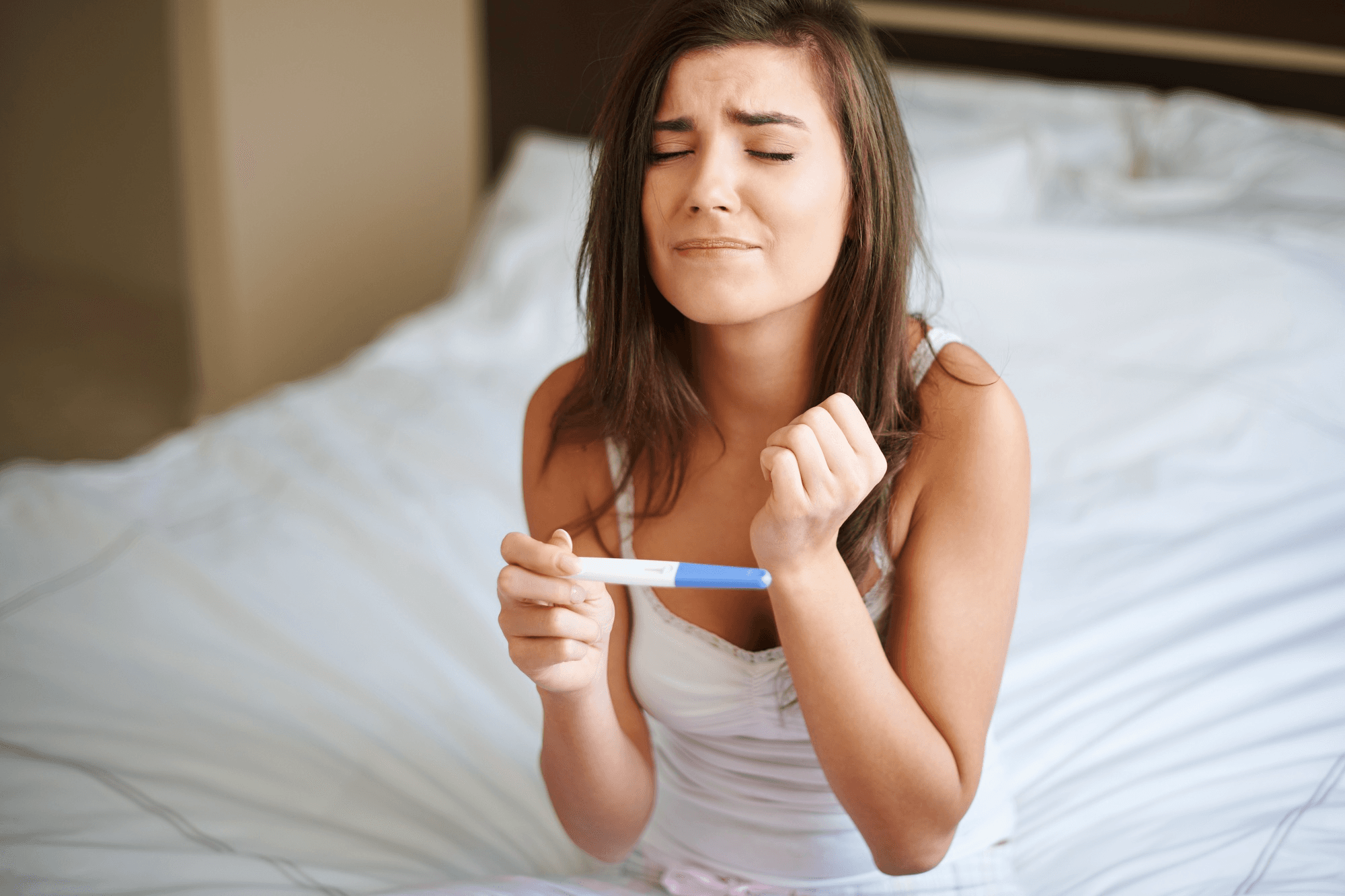
A woman crying and frustrated in her bedroom with pregnancy tests, indicating her problems with infertility and depression due to it.
Dr. Shachi Singh at Prakash Hospital, Sector 33, Noida, provides a full fertility evaluation and treatment pathway — including the complete diagnostic workup, ovulation induction, IUI, laparoscopic investigation and surgical treatment of structural causes, and referral coordination for IVF where indicated.
Whether you are at the beginning of your fertility journey or have already tried several cycles of a single treatment, a proper evaluation in the right hands makes a real difference in the clarity of your path forward.
To book a consultation with Dr. Shachi Singh, call: +91 97023 46853
Clinic Hours: Monday to Saturday, 9 AM – 6 PM | Sunday, 10 AM – 2 PM
Clinic Address: D-12A, 12B, Sector-33, G.B. Nagar, Noida, Uttar Pradesh 201301
Frequently Asked Questions
Is IVF always better than IUI?
Not always. IVF has higher per-cycle success rates, but it is also more invasive, more expensive, and not appropriate for all situations. For women with open tubes, good ovarian reserve, and mild fertility issues, IUI is a legitimate and often successful first step. IVF is recommended when IUI is inappropriate or has failed.
How many IUI cycles should I try before considering IVF?
Generally, 3 to 4 cycles in appropriately selected patients. After 3 failed cycles, the data suggests that additional IUI cycles have diminishing returns and IVF should be seriously considered.
Can IUI work with a low sperm count?
IUI can work with mildly reduced sperm counts — the concentration process improves the effective number of good sperm delivered. With severely low counts (below a functional threshold), IVF with ICSI is needed instead.
Do I need both fallopian tubes open for IUI?
At least one patent (open) fallopian tube on the same side as the dominant follicle is generally considered necessary for IUI to have a chance of success. With both tubes blocked, IVF is the appropriate treatment.
Does IVF guarantee pregnancy?
No. IVF increases the probability of conception significantly, but no fertility treatment guarantees pregnancy. Success rates depend on age, ovarian reserve, embryo quality, uterine receptivity, and other factors. Multiple IVF cycles may be needed.
This blog is written for educational and informational purposes only. Please consult Dr. Shachi Singh or a qualified fertility specialist for an evaluation specific to your situation and medical history.