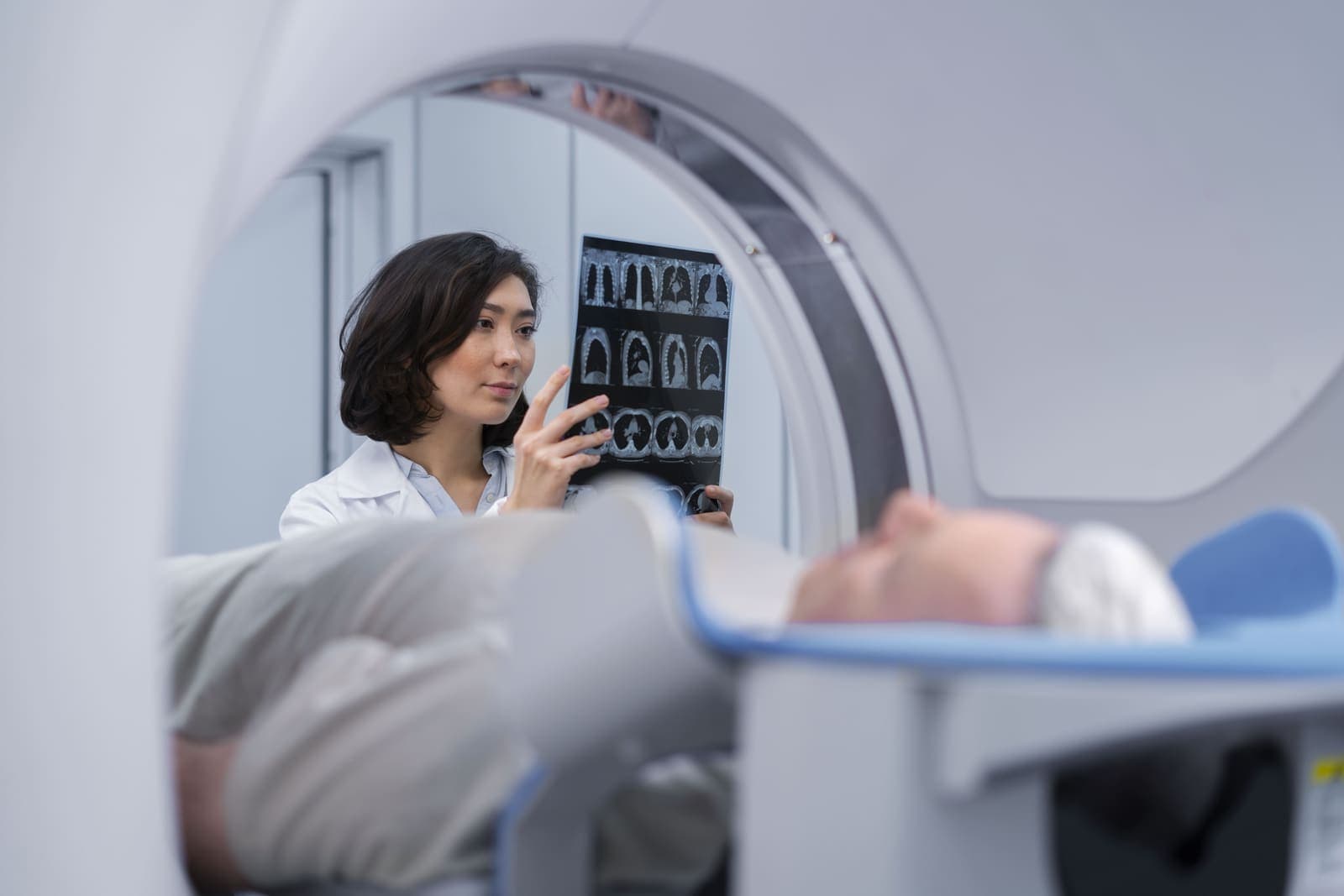
Infertility In Women: Causes, Symptoms, and Treatment Options
By Dr. Shachi SinghUpdated
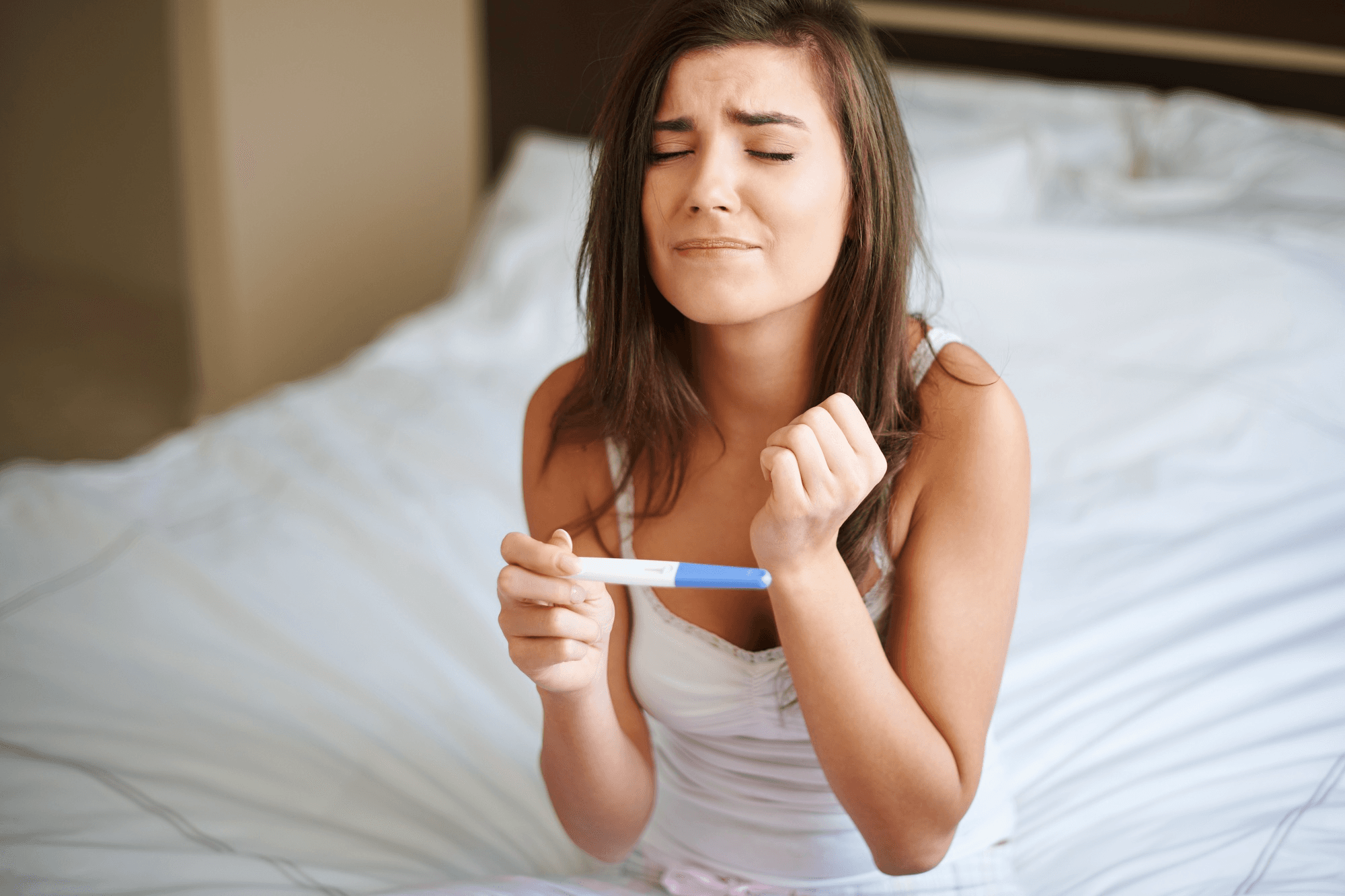
A woman crying, stressed and frustrated, on her bed with pregnancy tests that indicate infertility in a desperate woman trying to conceive.
Infertility is defined as the inability of women to have offspring despite the fact of a normally married woman having had unprotected intercourse for at least one year with regular intervals, which can be attributable to numerous problems related to hormonal disequilibrium, ovulatory disorders, anatomical and physiological defect, as well as the effects of underlying diseases, can lead to devastating and profound emotional and psychological consequences, on top of the physical problem that must be managed and addressed. Early identification of warning signs and seeking proper medical advice from qualified doctors is the initial crucial step towards better managing infertility.
What Is Meant By Infertility In Women?
The term 'female infertility' is the term used to describe the condition of being unable to conceive after twelve months of regular, unprotected intercourse. The World Health Organization(WHO) estimates that approximately 40-80 million people worldwide are infertile.
Nearly a third of cases of infertility are thought to be due to female factors, and a further third are thought to be due to male factors, with the remaining third being due to a combination of both. Female infertility can be split into two main categories:
- Primary Infertility: This condition is where a female has never conceived, following at least 12 months of regularly timed intercourse. Underlying conditions such as ovulation disorders, hormonal imbalances, or structural abnormalities may lead to this condition.
- Secondary Infertility: This is a condition in women who have conceived and given birth at least once (regardless of the result of that conception). It can be due to various factors, including age, infections, and complications arising from a previous pregnancy.
Causes Of Infertility In Women
1. Hormonal Imbalances
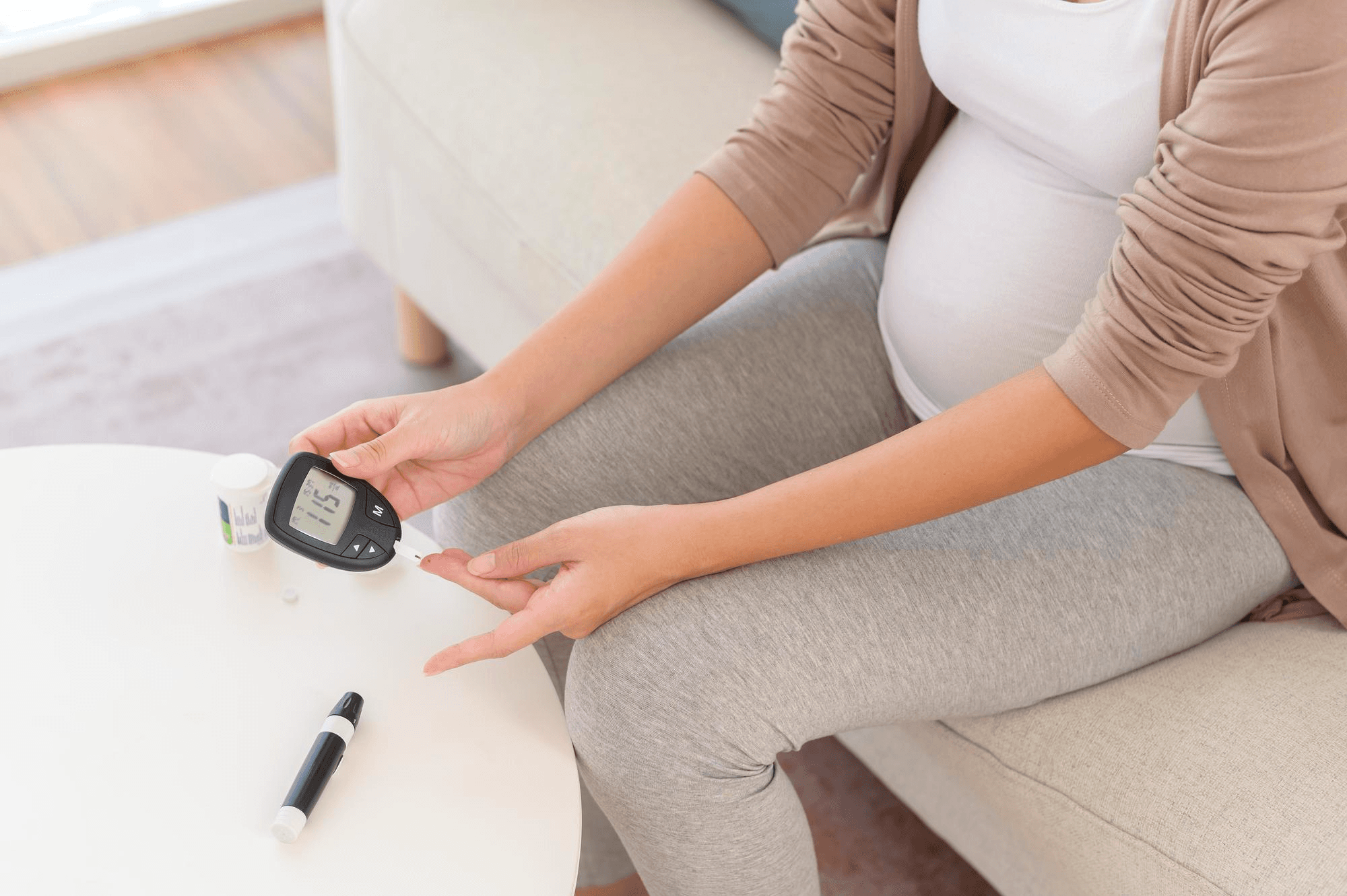
Hormonal imbalances are a major reason for female infertility because ovulation is influenced by hormone production. Certain problems like
- Polycystic Ovary Syndrome
- Thyroid dysfunction
- Hyperprolactinemia etc
Affect the release of eggs by the ovaries and can be confirmed by symptoms like infrequent/absent menses, abnormal hair growth, fluctuations in weight, and fatigue.
2. Structural Abnormalities Of Reproductive Organs
Structural defects of reproductive organs cause difficulty in conception and pregnancy implantation. Problems like:
- Uterine fibroids
- Congenital uterine anomalies
- Blocked or damaged fallopian tubes
Result in difficulties in getting the sperm to the egg, fertilisation of the egg, and implantation into the uterus, respectively.
3. Endometriosis
Endometriosis is a disorder characterized by a chronic inflammatory disease in which tissue similar to the uterine lining occurs outside the uterus. It causes
- Adhesions
- Distorts anatomy
- And it can damage egg quality and the woman's chance of getting pregnant.
4. Infections
Untreated sexually transmitted diseases, particularly chlamydia and gonorrhea, can lead to Pelvic Inflammatory Disease. Inflammation, scarring, and blocking of the fallopian tubes often occur without initial visible symptoms.
5. Early Ovarian Insufficiency
Premature Ovarian Failure (POF) involves the premature decline of the function of the ovaries. Reduced hormone estrogen and a decrease in ovarian reserve can lead to a woman's inability to become pregnant.
6. Lifestyle And Age
Poor lifestyle choices such as smoking, alcohol consumption, and diet negatively affect hormonal function, affecting ovulation. The natural decline in fertility after the mid-30's due to a decrease in the number and quality of eggs contributes to difficulties in getting pregnant for some women.
Symptoms Of Infertility In Women
1. Inability To Achieve Pregnancy
The main symptom of infertility is the inability to become pregnant despite at least 12 months of regular unprotected intercourse, or after 6 months of regular unprotected intercourse if the woman is over the age of 35.
2. Irregular Menstrual Cycles
Short, long, or erratic cycles can be evidence of ovulatory problems. Causes are often seen with problems like polycystic ovary syndrome or thyroid disorders.
3. Absence Of Menstruation
Lack of menstrual cycles can be an indication that a woman is not ovulating. Causes are sometimes associated with hormonal disturbances, hypothalamic dysfunctions, and premature ovarian failure.

A woman with a pad in her left hand and a calendar in her right, confused with her periods not being on time, worried about having hormone problems and period problems.
4. Pelvic Pain And Painful Sexual Intercourse
Unrelenting pain in the pelvic region or during sex could be linked to conditions like endometriosis or pelvic infection,n which can cause problems with reproduction.
5. Signs Of Hormonal Imbalances
Certain symptoms of hormonal imbalances, such as excessive hair growth, acne, weight gain or loss, and fatigue,ue can also be signs of endocrine conditions contributing to infertility.
6. Undetermined Symptoms
Sometimes women may present with no discernible symptoms of infertility, ty and infertility is only discovered after prolonged attempts to get pregnant; diagnosis then is based solely on evaluation.
Female Infertility Treatment Methods
1. Lifestyle Modification
General health improvement is an early treatment modality. Staying fit and at the optimum body weight, managing stress effectively, and ceasing to smoke and drink would help to normalize hormonal imbalances and ovulation.
2. Medications
Drugs such as clomiphene citrate are prescribed to induce ovulation, and hormonal treatments may be indicated for endocrine disorders like thyroid or high prolactin levels.
3. Surgical Treatment
Endometriosis, adhesions, fibroids, and locked tubes can be managed with surgery. Laparoscopy, which is the surgery through small cuts, can help to achieve the diagnosis and the management of structural problems.
4. Assisted Reproductive Technologies
Treatment like IU, IUI, where sperm is put directly into the uterus, and IVF, when fertilization takes place outside the body,y are the ART treatments. The treatment would depend upon age, etiology of infertility, ovarian reserve, etc.
Final Thoughts
Female infertility is a complex issue requiring prompt investigation, precise diagnosis, and tailored treatment. Today, many contributing factors can be managed with lifestyle adjustments, medication, or assisted reproductive methods due to significant advancements in medicine.
Recognizing the symptoms early on and seeking expert medical help enhances the prospects of conception significantly. Facing infertility should be done with knowledge, perseverance, and adequate support.
Addressing both the physical and emotional impacts is instrumental to overall well-being and the efficacy of treatment, enabling women to navigate their reproductive journey with confidence.
Expert Care With Dr. Shachi Singh
If you are facing challenges conceiving or observing signs of infertility, don't delay in seeking expert advice. Dr. Shachi Singh is a leading senior consultant gynecologist and laparoscopic surgeon in Noida with over 15 years of dedicated experience in women's health. Patients in Noida and Delhi NCR turn to her for expert gynecology, obstetrics, and minimally invasive surgeries. Dr. Singh is known for her patient-centric approach and advanced skills in accurate diagnosis and personalized care.
Schedule your appointment today for a proactive step toward optimal reproductive health and the joy of parenthood.

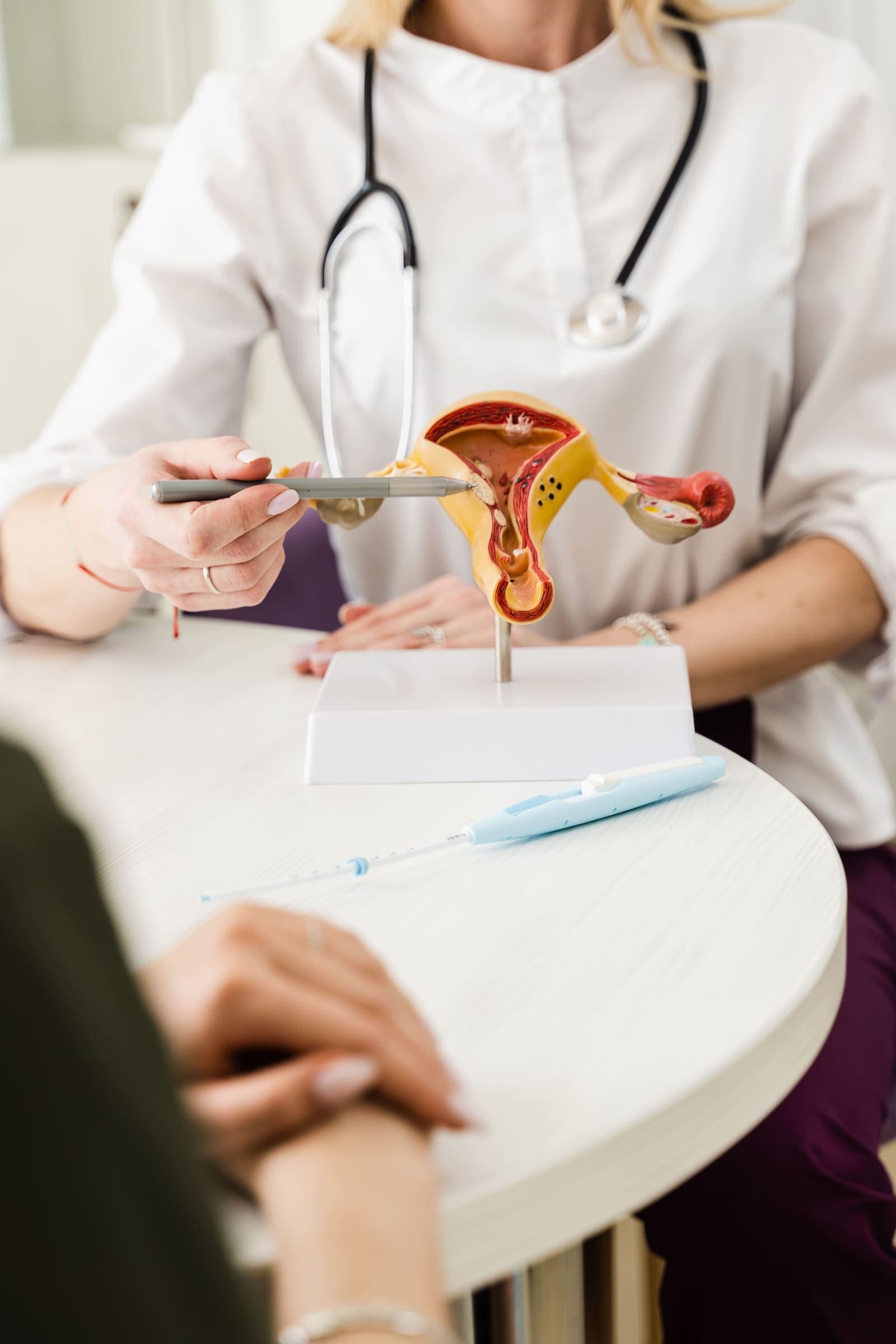
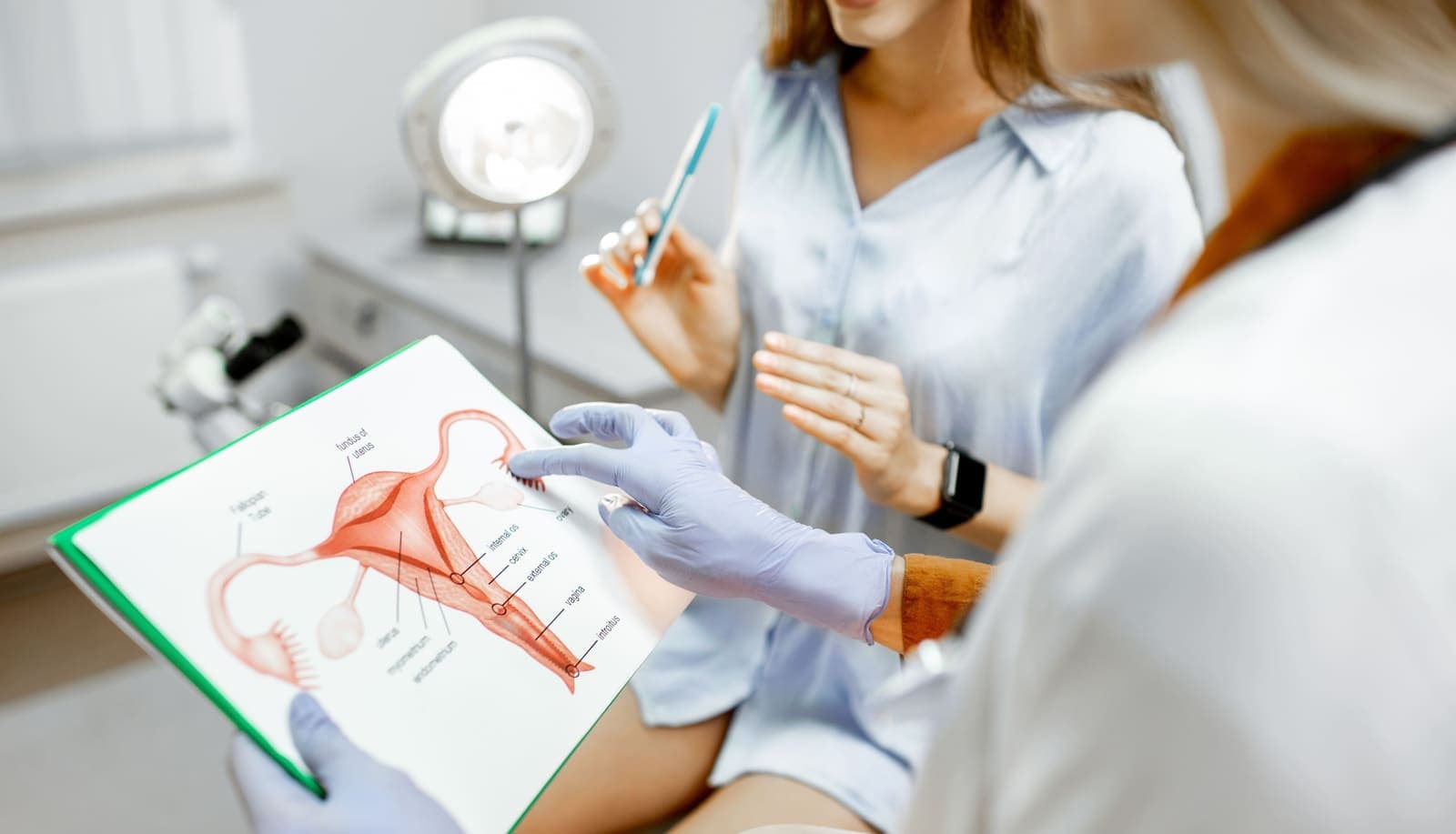
A woman consulting with a gynecologist in an examination room. Explaining infertility to a woman in a medical setting.
Frequently Asked Questions(FAQs)
1. Which is the number one cause of female infertility?
The number one reason is Ovulatory disorders, with Polycystic Ovary Syndrome being the most common, which affects the release of eggs and hormones.
2. At what age does female infertility occur?
Fertility has started to decline after 30, and it has declined significantly after 35 due to decreasing egg quality and quantity.
3. What are the symptoms of female infertility?
Irregular periods or no periods, pelvic pain, hormonal imbalances in your body, such as abnormal hair growth, acne,ne and being overweight.
4. What foods increase fertility?
Leafy greens, whole grains, nuts, fruits, protein, and omega-3 fatty acids are nutrient-rich foods that can improve female hormones and fertility.
5. How does female infertility occur?
Women can become infertile through having hormonal disorders, structural abnormalities, infections, age decline, or certain lifestyle factors impacting ovulation, fertilization,n and implantation.