Laparoscopy For Endometriosis Pain: What It Is, How It Works, And What To Expect

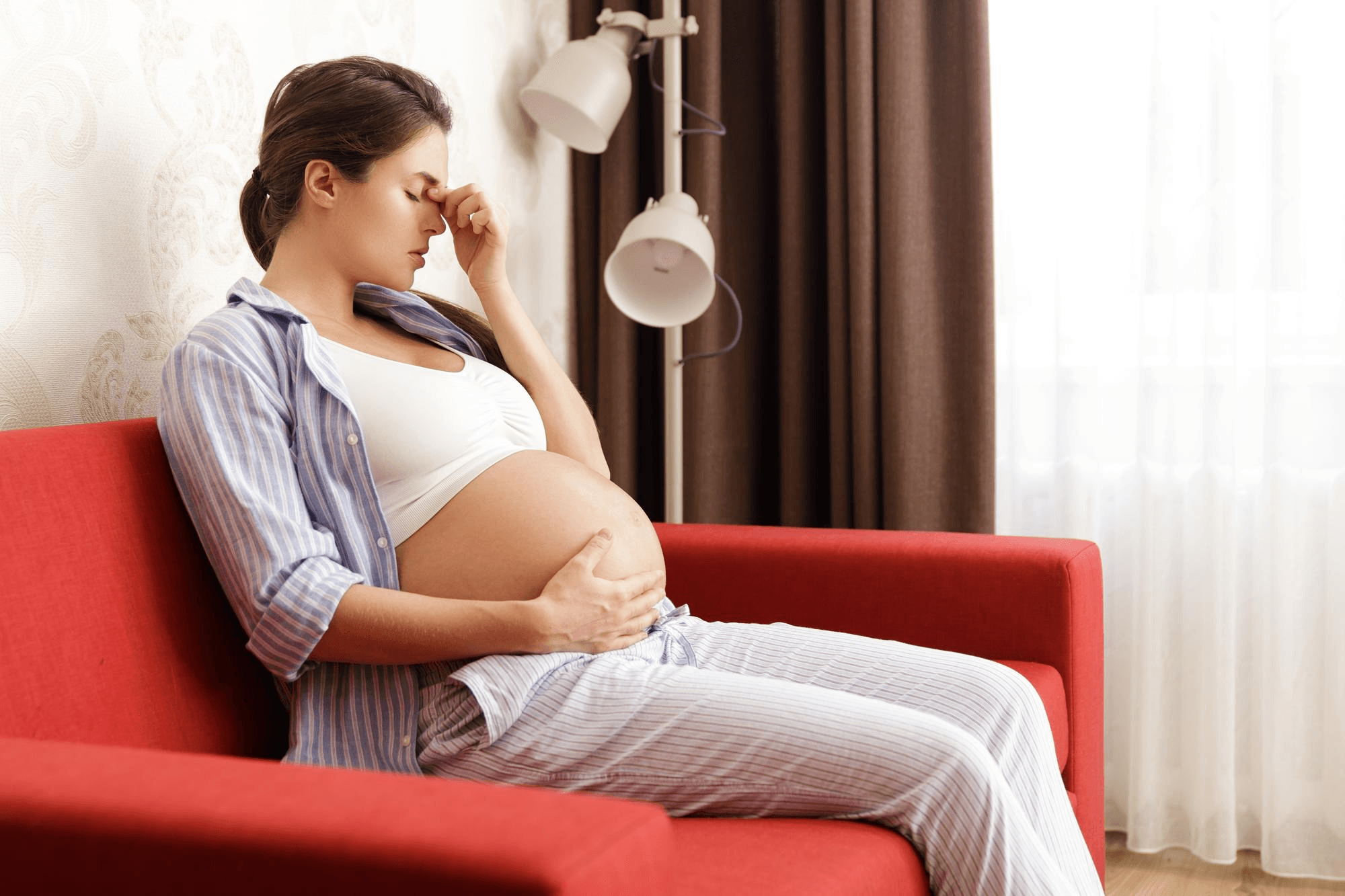
A woman is experiencing immense abdominal pain during menstrual cycle.
You have been told your periods are "just painful." That cramping this bad is normal. That every woman goes through it. They are wrong. Periods can be uncomfortable. But pain that keeps you in bed, that radiates into your back and legs, that makes sex unbearable, that follows you even when you are not menstruating, that is not something you should have to accept as your baseline. For millions of women in India, that kind of pain has a name: endometriosis.
And one of the most effective ways to both diagnose and treat it is a minimally invasive procedure called laparoscopy.
At Prakash Hospital, Sector 33, Noida, Dr. Shachi Singh a senior gynecologist and laparoscopic surgeon with over 15 years of experience, helps women across Noida and Greater Noida finally get answers after years of being dismissed. This guide explains endometriosis clearly, walks through what laparoscopic surgery involves, and helps you understand when it is the right next step.
What Is Endometriosis?
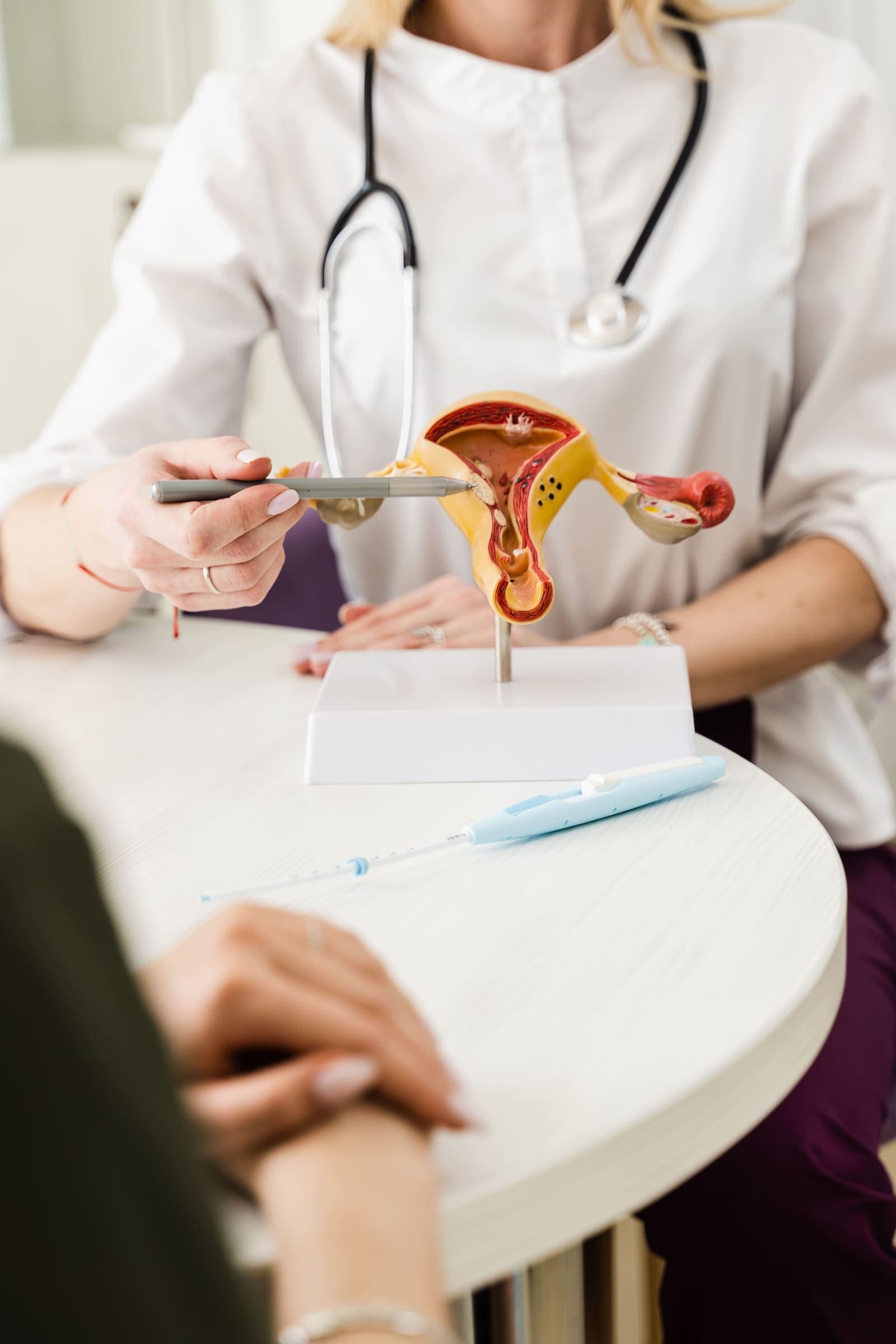
Endometriosis is a condition where tissue similar to the inner lining of the uterus, the endometrium, grows in places it has no business being. Most commonly, it develops on the ovaries, the fallopian tubes, the outer surface of the uterus, and the tissue lining the pelvis. In some cases, it spreads further to the bowel, bladder, or even beyond the abdominal cavity.
Here is the problem: this tissue behaves as the uterine lining does during your menstrual cycle, it thickens, breaks down, and bleeds. But unlike the normal uterine lining, it has nowhere to exit the body. That trapped blood and tissue causes inflammation, scarring, and the formation of adhesion bands of fibrous tissue that can literally glue organs together. The result is chronic pain. Often severe. Frequently misunderstood.
Endometriosis affects roughly 10% of women of reproductive age worldwide. In India, many cases go undiagnosed for years, sometimes a decade, because period pain is so routinely normalised in our culture that women rarely feel they have permission to seek help.
Symptoms Of Endometriosis: When Should You Take It Seriously?
The most important thing to understand about endometriosis is this: the stage of the disease does not predict the severity of the pain. A woman with early-stage endometriosis can experience debilitating pain, while someone with advanced disease may have minimal symptoms. Pain is always worth investigating, regardless of what anyone tells you about what is "normal."
1. Common Symptoms To Watch For
- Severe period cramps that feel far worse than typical menstrual discomfort cramping that starts before your period and continues into it.
- Chronic pelvic pain - not just during your period but throughout the month.
- Pain during or after sexual intercourse - particularly deep pain.
- Pain during bowel movements or urination, especially around your period.
- Heavy or irregular periods, or spotting between periods.
- Bloating and digestive issues that worsen cyclically, sometimes mimicking IBS.
- Lower back and leg pain that radiates outward during your cycle.
- Fatigue that feels disproportionate to your activity level.
- Difficulty conceiving - Endometriosis is found in up to 50% of women undergoing surgery for infertility.
2. What Gets Misdiagnosed As Endometriosis (And Vice Versa)
Because many of these symptoms overlap with other conditions, such as irritable bowel syndrome, ovarian cysts, pelvic inflammatory disease, endometriosis is frequently misdiagnosed or simply dismissed. This is why proper evaluation with a specialist matters. In many women, an ultrasound may not show anything conclusive. The only definitive way to diagnose endometriosis is through laparoscopy.
Why Laparoscopy Is the Gold Standard For Endometriosis
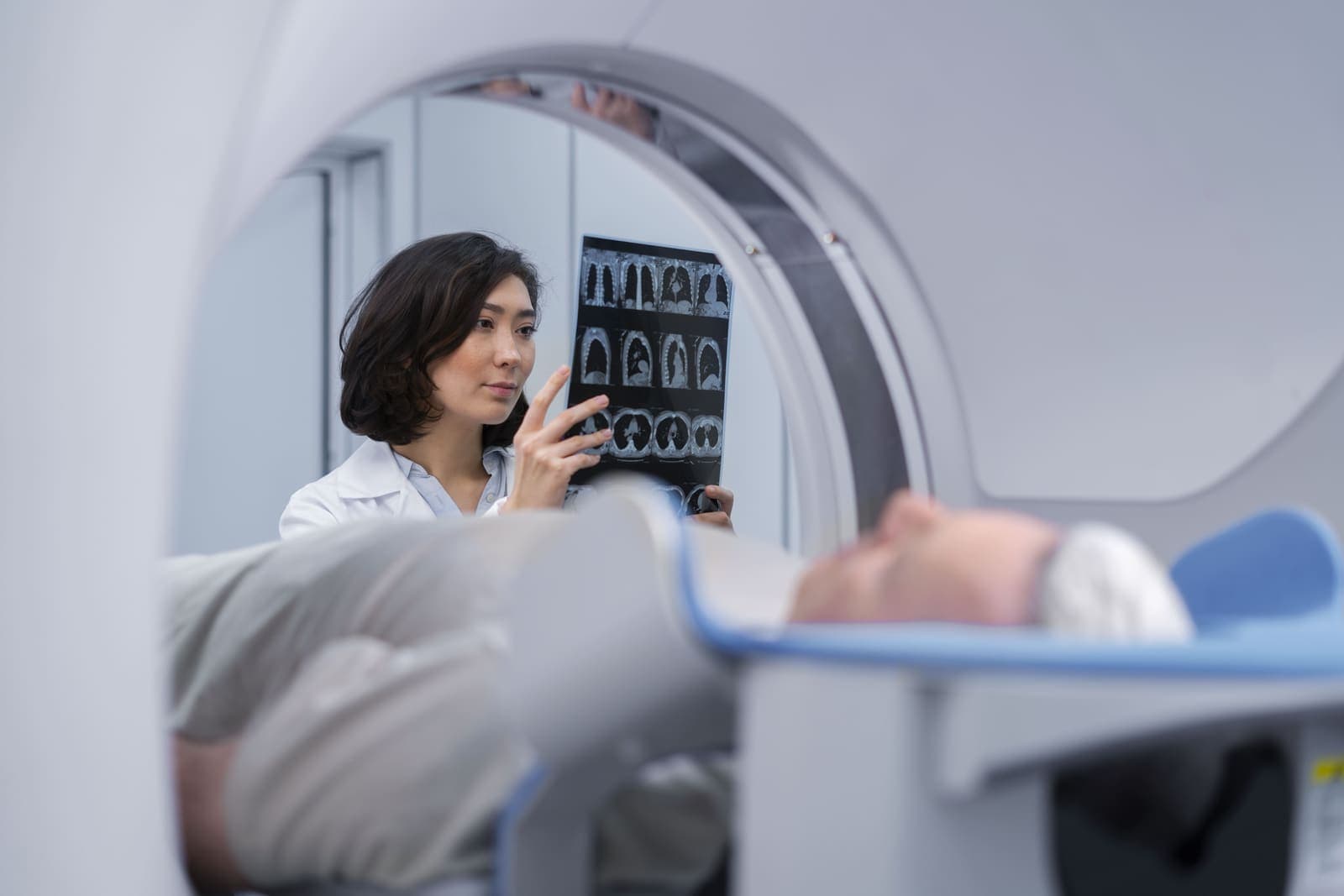
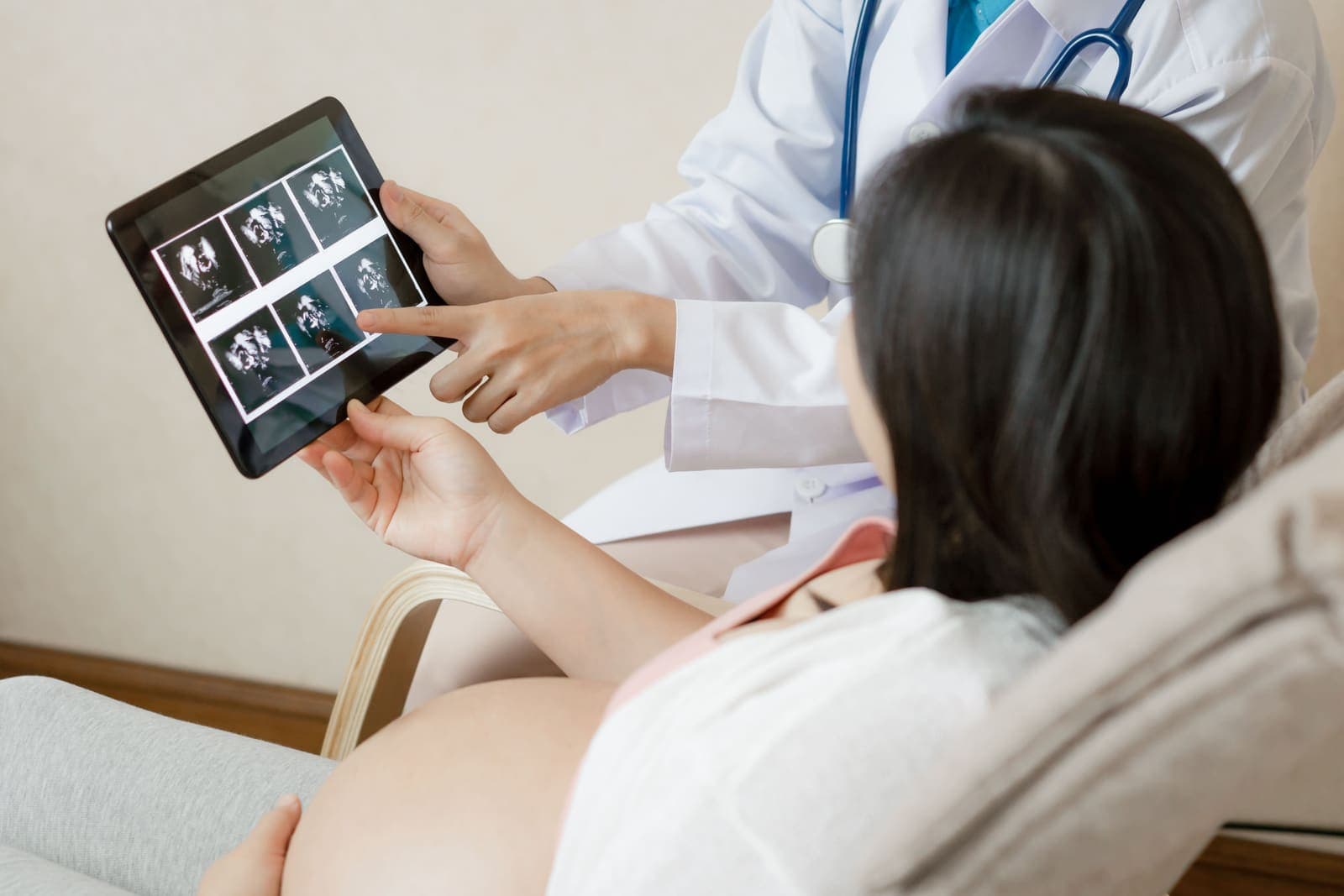
You may have had ultrasounds, blood tests, or MRI scans. These are useful for ruling out other conditions and can sometimes spot endometriomas (chocolate cysts on the ovaries), but they cannot confirm endometriosis with certainty. Microscopic lesions and adhesions simply do not show up on standard imaging.
Laparoscopy keyhole surgery allows the surgeon to look directly inside the pelvic cavity with a tiny camera. It is the only method that can both definitively diagnose endometriosis and, in the same procedure, treat what is found. This is what makes it so valuable. You are not going in just for answers in the hands of an experienced laparoscopic surgeon; treatment happens in the same sitting.
How Laparoscopic Surgery For Endometriosis Works
Laparoscopic surgery for endometriosis is a minimally invasive procedure that helps diagnose and remove endometrial tissue while reducing pain and improving reproductive health outcomes.
1. Before The Procedure
Your gynecologist will review your symptoms, medical history, and any imaging you have had done. Pre-operative blood tests and an anaesthesia assessment are standard. You will be asked to fast for several hours before surgery.
2. During The Procedure
Laparoscopy for endometriosis is performed under general anaesthesia. Most patients are comfortably asleep throughout and experience nothing. Here is what happens:
- A small incision, usually less than a centimetre, is made near the navel.
- Carbon dioxide gas is gently pumped into the abdominal cavity to create space for the surgeon to work.
- A laparoscope (a thin tube with a camera and light at its tip) is inserted through this incision.
- The surgeon examines the pelvic organs, uterus, ovaries, fallopian tubes, and surrounding tissue on a screen.
- If endometriosis lesions are found, additional small incisions (typically 2–3, each less than a centimetre) are made to insert surgical instruments.
- The lesions are then either excised (cut out) or ablated (burned away with heat or laser energy).
Most procedures last between 30 minutes and 2 hours, depending on the extent and location of the disease.
3. Excision Vs. Ablation - What Is the Difference?
Excision means the lesion is physically cut out down to healthy tissue. It removes the disease at its root and allows the tissue to be sent for biopsy to confirm the diagnosis. Most specialists consider excision the more thorough and effective approach, particularly for deeper or more complex disease.
Ablation uses heat or laser energy to burn surface-level lesions. It is less invasive but may not address deeper endometriosis effectively, and recurrence rates can be higher.
Your surgeon will discuss which approach is most appropriate based on what is found during the procedure.
What To Expect After Laparoscopic Surgery
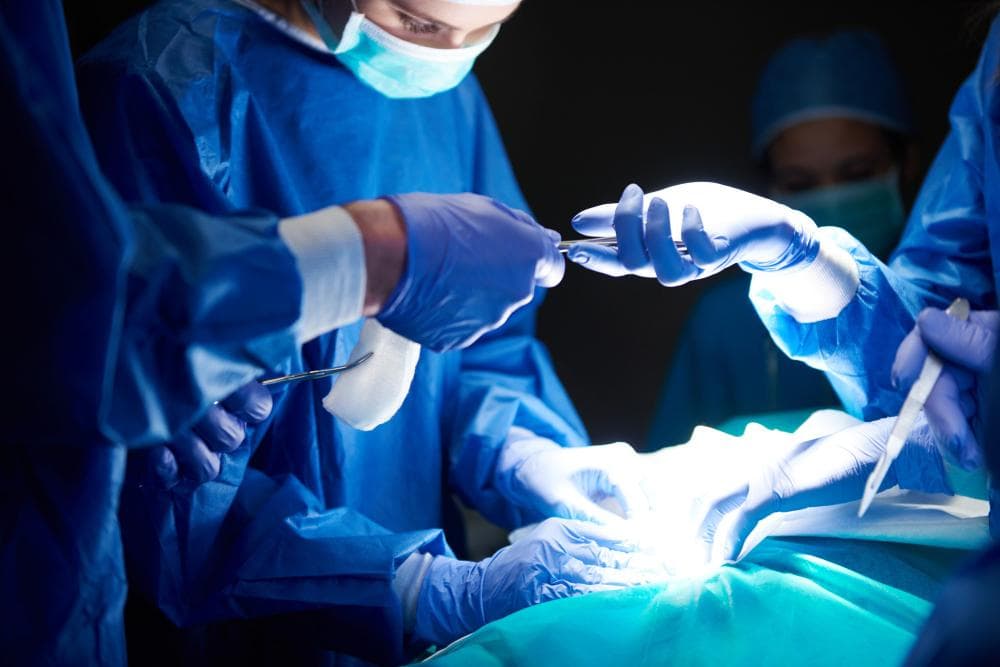
Surgeons conducting a laparoscopic hysterectomy operation on a patient with advanced instruments in the operating room.
Recovery from laparoscopic endometriosis surgery is generally far faster than traditional open surgery, which is one of the significant advantages of the minimally invasive approach.
1. The First 72 Hours
- You will likely go home the same day or after one night in the hospital.
- Expect soreness at the incision sites and general abdominal discomfort.
- Shoulder pain is common; this comes from the carbon dioxide gas used during surgery, which can irritate the diaphragm. It resolves on its own within a day or two.
- Mild nausea from anaesthesia is normal.
- Rest is essential; do not push yourself.
2. Week 1 to 2
- Most women are up and moving around the house within a few days.
- Light activities are fine; avoid anything strenuous.
- Avoid driving for at least one to two weeks (as advised by your doctor).
- Avoid sexual intercourse for two weeks minimum, or until cleared by your gynecologist.
- Your first period after surgery may be heavier or more painful than usual. This is temporary.
3. Weeks 2 to 6
- Gradual return to normal routines.
- Walking, light stretching, and gentle daily movement support healing.
- Most women return to desk work within one to two weeks; physical or demanding work takes longer.
4. Beyond 6 Weeks
- Full clearance for strenuous activity and exercise.
- Follow up with your gynecologist to assess symptom improvement and discuss ongoing management.
- Some women are prescribed hormonal medication post-surgery to reduce the risk of recurrence.
How Effective Is Laparoscopy For Endometriosis Pain?
The results are meaningful for most women. Studies indicate that 70 to 90% of women report significant improvement in pelvic pain following laparoscopic excision surgery. For women with endometriosis-related infertility, 40 to 70% with mild to moderate disease conceive naturally within six to twelve months after surgical treatment.
That said, endometriosis can recur. Recurrence rates sit at approximately 20 to 50% over five years, which is why post-surgical management through hormonal therapy or lifestyle changes is part of long-term care. An experienced surgeon who removes disease thoroughly the first time significantly reduces the likelihood of needing repeat surgery.
When Is Surgery The Right Choice?
Laparoscopy is not always the immediate first recommendation. Your doctor may first try hormonal medications or pain management to control symptoms. Surgery tends to become the recommended path when:
- Severe pelvic pain continues despite hormonal treatment.
- Symptoms significantly disrupt your daily life, work, or relationships.
- An ovarian endometrioma (chocolate cyst) has been identified on imaging.
- Endometriosis is suspected to be affecting the bladder or bowel.
- Infertility is a concern, and endometriosis is believed to be a contributing factor.
- A definitive diagnosis is needed after imaging has been inconclusive.
The decision is always a conversation. Your symptoms, your fertility goals, your overall health, and your preferences all matter in arriving at the right plan.
Endometriosis Is Not Just Period Pain - Please Do Not Wait
This is the part that bears repeating. The average delay in endometriosis diagnosis in India between symptom onset and confirmed diagnosis is often seven to ten years. Women are told their pain is normal. They are handed painkillers and sent home. They adjust their lives around a condition that was never properly treated.
Endometriosis is a chronic disease. There is currently no complete cure. But early diagnosis and proper treatment can dramatically reduce pain, protect fertility, and improve quality of life in ways that years of untreated suffering simply cannot. If your periods are causing you serious pain, if you find yourself cancelling plans, taking leave from work, or dreading each cycle, that is your signal to see a specialist.
Laparoscopic Surgery For Endometriosis In Noida & Greater Noida

Surgeons use slim tools and a camera to perform minimally invasive surgery through tiny cuts, working together in a bright, sterile operating room.
Dr. Shachi Singh at Prakash Hospital, Sector 33, Noida, is an experienced laparoscopic surgeon specialising in gynecological conditions, including endometriosis. Women from across Noida, Greater Noida, and Delhi NCR consult her for minimally invasive surgical care that combines clinical precision with genuine compassion.
Whether you are seeking a diagnosis after years of unexplained pelvic pain or exploring surgical options after other treatments have failed, Dr. Shachi provides a thorough evaluation and a clear, honest conversation about your options. If you are looking for the best laparoscopic surgeon in Noida for endometriosis treatment, we encourage you to reach out.
To book a consultation with Dr. Shachi Singh, call: +91 97023 46853
Clinic Hours: Monday to Saturday, 9 AM – 6 PM | Sunday, 10 AM – 2 PM
Clinic Address: D-12A, 12B, Sector-33, G.B. Nagar, Noida, Uttar Pradesh 201301
Frequently Asked Questions
1. Is laparoscopy the only way to diagnose endometriosis?
Yes. While ultrasound and MRI can detect some signs of endometriosis, particularly ovarian cysts, the only way to confirm the diagnosis is through laparoscopy with direct visualisation and biopsy of the tissue.
2. Is laparoscopic surgery painful?
The surgery itself is performed under general anaesthesia, so you feel nothing during the procedure. Post-operative discomfort is manageable with medication and typically resolves within a week to two weeks. The shoulder pain from residual gas is perhaps the most surprising side effect for many patients. It is temporary.
3. Can laparoscopy improve my chances of getting pregnant?
For women with endometriosis-related infertility, laparoscopic surgery can significantly improve fertility outcomes, particularly in mild to moderate cases. Your surgeon will discuss what the findings during the procedure mean for your specific fertility situation.
4. How soon can I go back to work after a laparoscopy?
Most women return to desk-based work within one to two weeks. Physical work, travel, and strenuous activity typically require four to six weeks of recovery, depending on how extensive the surgery was.
5. Will endometriosis come back after surgery?
Endometriosis can recur, with rates of 20 to 50% over five years. Post-surgical hormonal management and regular follow-up with your gynecologist can help reduce the risk and catch any recurrence early.
6. My periods are very painful. Does that mean I have endometriosis?
Not necessarily, painful periods can have several causes. But if your pain is significantly disrupting your life, you deserve a proper evaluation. Do not accept dismissal. Book an appointment with a gynecologist who will take your symptoms seriously.
This blog is written for educational and informational purposes only. It is not a substitute for professional medical advice. Please consult Dr. Shachi Singh or a qualified gynecologist for evaluation specific to your condition.