Blocked Fallopian Tubes: Causes, Symptoms, And Treatment

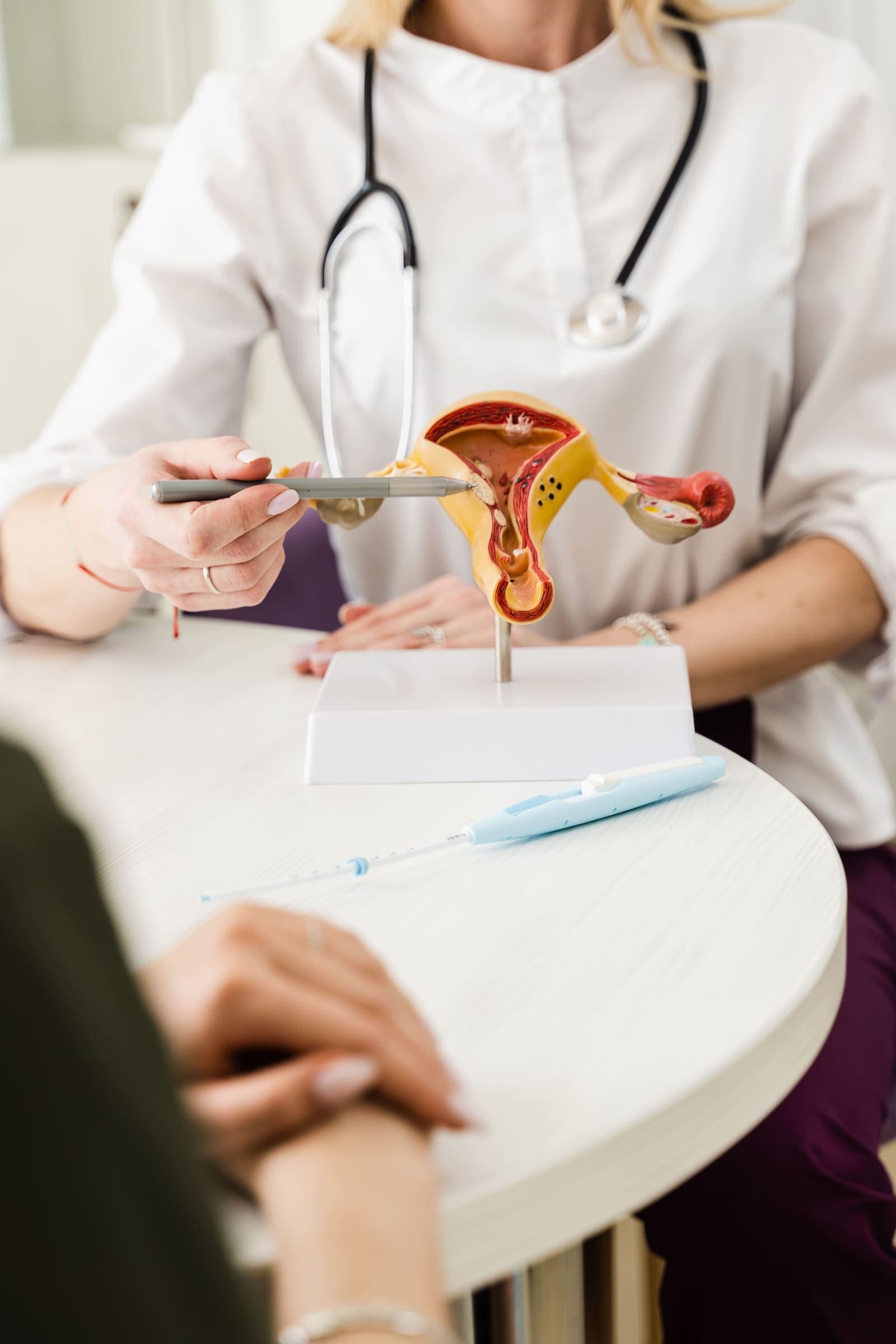
The doctor is displaying the reproductive system model, explaining symptoms of blocked fallopian tubes.
Blocked fallopian tubes are a cause of female infertility, where it prohibits egg and sperm from uniting and fertilizing the egg. The tubes are vital for transferring eggs from the ovaries to the uterus, so any blockage can lead to failure. These can occur as a result of infections in the pelvic region, endometriosis, prior surgery, and STDs. Quite often, many women show no symptoms of blocked tubes and can only diagnose it when facing a problem with fertility. Early diagnosis and treatment, such as drugs, surgery, or IVF procedures, can greatly benefit reproductive life.
Understanding Fallopian Tubes And Their Impact On Fertility
Fallopian tubes are two long, thin tubes that run from each of the ovaries to the uterus and are crucial for natural conception. During each cycle, an ovary releases an egg that travels into one of these tubes towards the uterus. An egg will become fertilized with sperm somewhere in the fallopian tube and travel into the uterus, where it should implant and eventually become a pregnancy.
Blocked fallopian tubes will prevent this from occurring, and either the sperm will be unable to reach the eg,g or the fertilized egg will be unable to make it to the uterus to implant. For these reasons, blocked fallopian tubes are one of the leading causes of female infertility.
Reasons Why The Fallopian Tubes Get Blocked
Blocked fallopian tubes are usually caused by infections, inflammation, or abnormalities within the structure, resulting in scar tissue formation or obstruction, which makes conception more difficult to achieve.
1. Pelvic Inflammatory Disease (PID)
PID is the most common cause and is usually a result of untreated sexually transmitted infections, such as chlamydia or gonorrhea, that spread to the organs within the reproductive system, causing them to become inflamed, and over time, scar tissue is formed, which obstructs or partially blocks the tubes.
2. Genital Tuberculosis
This is thought to be a leading cause of infertility within India. Symptoms can be minimal or non-existent, and the fallopian tubes and uterine lining become damaged over a prolonged period, resulting in the obstruction of the fallopian tubes.
3. Endometriosis
This causes inflammation and scar tissue around the fallopian tubes due to the abnormal tissue growth that forms within the reproductive organs. This scar tissue obstructs the passage of the egg down the tube and also the passage of the sperm up the tube.
4. Previous Pelvic Or Abdominal Surgery
Surgeries for things like fibroids, ectopic pregnancy, or appendectomy could lead to the formation of scar tissue (adhesions) internally, which can press upon or block the fallopian tubes.
5. Fibroids
These benign tumors, if they grow around the opening of the fallopian tubes, can affect their functionality, blocking or pressing against them so that the egg can no longer travel down the tubes.
6. Congenital Abnormalities
It is possible that you were born with anatomical abnormalities within your reproductive system, causing your fallopian tubes to be maldeveloped or small, and the eggs to become blocked in the tubes due to their unnatural position or underdeveloped form.
Signs And Symptoms Of Blocked Fallopian Tubes
Generally, the signs of blocked fallopian tubes do not cause obvious symptoms, ms and they often go unnoticed unless a woman seeks treatment to treat her infertility. Mawomenman feel completely healthy and have regular menstrual cycles. For many, this condition will only be picked up when a woman struggles to fall pregnant even after extensive trying.
Symptoms Include:
- Being unable to conceive following a sustained period of having unprotected intercourse regularly
- Sporadic and minor pain in the lower abdomen or pelvic area
- Unilateral pelvic/abdominal pain, if, for example,e there is fluid accumulation within the tubes (hydrosalpinx)
- Dysmenorrhea (painful periods) and or chronic pelvic pain (related to endometriosis)
- Past or current history of Pelvic inflammatory disease and other reproductive issues
As the symptoms are not obvious, most of the time, blocked fallopian tubes will only be picked up during infertility tests. It is important to seek treatment advice from a healthcare professional as soon as you believe that you may be having difficulty falling pregnant, and therefore, likely have symptoms of blocked tubes.

Patient holding abdomen, demonstrating that pain may be a symptom of the blocked fallopian tubes condition.
Treatment Options For Blocked Fallopian Tubes
The type of treatment provided for blockages in the fallopian tubes is dependent on the cause of the blockage, the part of the fallopian tube that is affected, its severity, and the individual's family planning goals.
1. Tubal Cannulation Or Flushing
This less invasive technique involves flushing the tubes with dye or fluid through a thin catheter. This procedure is often used when blockages are found closer to the uterus; it can sometimes open up very small blockages.
2. Laparoscopic Surgery
This procedure is undertaken using keyhole surgery if scar tissue or adhesions are found to be causing the blockage. Any scar tissue is removed, and the fallopian tubes are either repaired or not, as the case may be, to improve the likelihood of natural conception.
3. Removal Of The Fallopian Tube
If one of the fallopian tubes has been destroyed or filled with fluid (hydrosalpinx), it will be removed as its presence may interfere with assisted reproductive technology such as IVF.
4. In Vitro Fertilisation (IVF)
If both fallopian tubes are blocked or beyond repair, then this process is used as the pregnancy bypasses the fallopian tubes.
5. Treating Infection
The fallopian tube is flushed to treat the infection first, but may need further treatment if scarring has already occurred.
When To Consult A Doctor?
- If you are still unable to fall pregnant after one year (or six months if over 35), see your doctor or fertility specialist.
- If you have ongoing pelvic pain, experience painful menstruation, or have had pelvic infections, endometriosis, or abdominal surgery in the past, it is wise to have your fertility checked out early to avoid further progression of problems such as fallopian tube blockage.
- There are more treatment options available and a greater opportunity for successful conception (either naturally or by the use of assistive reproductive technology) if these problems are detected early.
Final Thoughts
A common cause of infertility is blocked fallopian tubes. Because there are often few or no signs of this, the diagnosis is frequently only made during fertility assessments. By knowing the potential causes, common and more subtle signs, and the importance of seeking prompt medical advice, the right course of action can be determined. Medical advances have led to various treatments, from the simplest to IVF, and pregnancy remains a possibility, in many cases, even for women with blocked fallopian tubes. It is beneficial to diagnose the condition as early as possible.
Knowing the reason for the condition will provide answers, even if no treatment has been necessary. If treatment is appropriate, then all forms can improve the prospects of pregnancy for many with this cause of infertility.
Expert Care With Dr. Shachi Singh
Is your quest for becoming a parent being obstructed, or is there a reason to believe that there might be any issue related to reproductive health? Seeking the right kind of expertise would immensely change the path for you. Dr Shachi Singh, a senior consultant gynecologist in Noida with over 15 years of expertise, has expertise in dealing with fertility and high-risk laparoscopy surgery cases.
Her expert precision and considerate hand ensure she makes a plan suitable for every patient, and you are completely in safe hands whether it comes to diagnosing your problem, planning your treatment, or dealing with fertility. Do not delay your journey to start your family and book a consultation today with her to achieve the correct treatment along with desirable outcomes.

The doctor is informing the patient of possible treatment options while completing the examination.
Frequently Asked Questions (FAQs)
1. Can a woman get pregnant with one fallopian tube blocked?
Yes. When only one fallopian tube is blocked, and the other tube is functioning normally, pregnancy is still possible because the egg from the ovary connected to the open tube can be fertilized and move through to the uterus for natural conception.
2. Can a woman be infertile because of blocked fallopian tubes?
Yes. Because the fallopian tubes must carry an egg to the uterus or deliver sperm to the egg to facilitate natural conception, an obstructed fallopian tube may be a cause of infertility. It is the result of either sperm not being able to reach the egg or the fertilized egg not being able to reach the uterus.
3. Are there methods for clearing blocked fallopian tubes without surgery?
For small blockages, treatments such as tubal flushing and cannulation can sometimes open them. However, for significant blockage,s you can have either surgery or be put through the fertility treatment like IVF.
4. Can Ian's infection cause blocked fallopian tubes?
Yes. Pelvic inflammatory disease, usually the result of an untreated sexually transmitted disease, can cause Scarring in the tubes and can result in partial or complete blockage of the fallopian tubes.