What Is Laparoscopic Surgery for Women? A Complete Guide
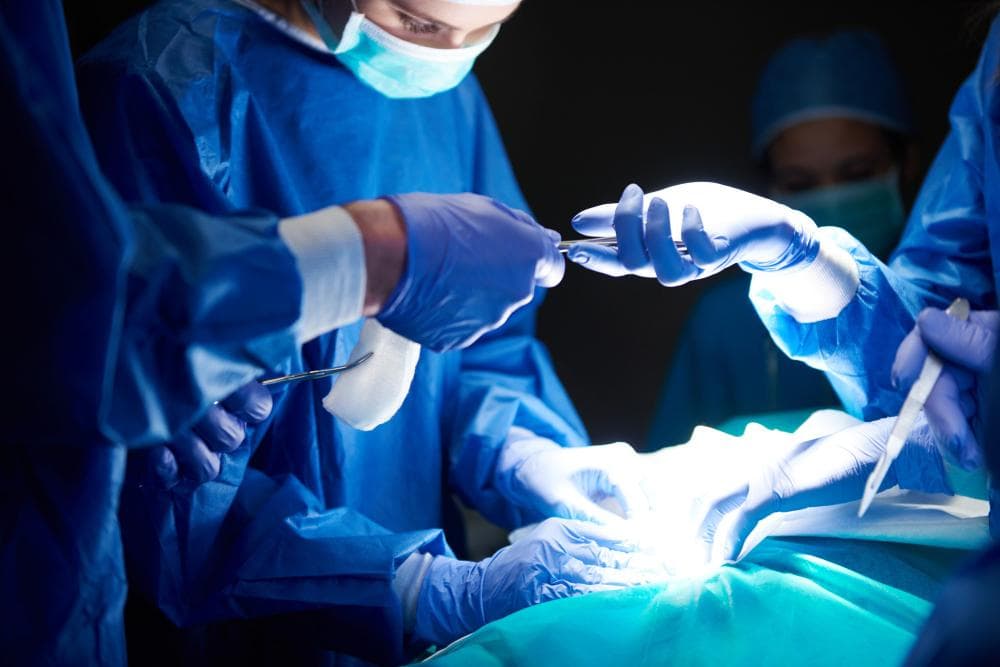
Surgeons conducting a laparoscopic hysterectomy operation on a patient.
There is a specific kind of dread that comes with being told you might need surgery. The word alone carries weight — images of large cuts, weeks in bed, slow painful healing. For a lot of women who come into clinic having just heard "you may need surgery," that fear is the first thing that needs addressing.
The reason it is worth addressing is this: most gynaecological surgeries today do not work the way you are probably imagining. Laparoscopic surgery — sometimes called keyhole surgery, sometimes called minimally invasive surgery — is a fundamentally different approach to operating. Smaller incisions. A camera. Precise instruments. And for most women, recovery measured in days rather than weeks.
Dr. Shachi Singh, consultant gynaecologist and laparoscopic surgeon at Prakash Hospital, Sector 33, Noida, performs laparoscopic procedures for a wide range of gynaecological conditions. This guide explains what laparoscopic surgery actually involves, which conditions it treats, what happens on the day of surgery, and what recovery genuinely looks like.
What Laparoscopic Surgery Actually Is
Laparoscopy is a surgical technique that uses very small abdominal incisions — typically between 0.5 and 1.5 centimetres — through which a surgeon inserts a thin instrument called a laparoscope. The laparoscope has a miniature high-definition camera at its tip, which transmits a live, magnified view of the internal organs onto a screen in the operating theatre.
Additional small incisions are made to insert the surgical instruments — scissors, graspers, cauterising tools, suturing devices — that the surgeon uses to perform the actual procedure.
The abdomen is gently inflated with carbon dioxide gas to create space between the abdominal wall and the organs. This gives the surgeon room to see and manoeuvre clearly without opening the abdomen.
Everything happens through those tiny punctures. Nothing requires a large cut.
When it is over, the gas is released, the instruments are removed, and the small incisions are closed with dissolving sutures or surgical adhesive strips. You might have 2 to 4 marks on your lower abdomen, each barely a centimetre.
How It Compares to Open Surgery
Traditional open gynaecological surgery involves a horizontal incision across the lower abdomen — typically 10 to 15 centimetres long. The surgeon operates with direct access to the internal structures. Recovery takes 4 to 6 weeks because the abdominal muscles have been cut through. Pain is significant. Hospital stay is several days.
Laparoscopic surgery achieves the same surgical objectives through incisions that are a fraction of the size. The camera provides equal or better visualisation of internal structures. For complex procedures like laparoscopic hysterectomy, the surgeon's view on screen is actually clearer than what would be visible to the naked eye in open surgery.
The practical difference for patients:
Pain: Laparoscopic surgery involves significantly less post-operative pain. The internal organs are handled with the same precision, but the muscular and skin trauma is minimal.
Hospital stay: Many laparoscopic procedures are day-care or involve one overnight admission. Open surgery typically requires 3 to 5 days.
Recovery: Most women return to light daily activity within 3 to 5 days of laparoscopic surgery. Return to normal work is typically 1 to 2 weeks. Open surgery recovery is 4 to 6 weeks minimum.
Scarring: Laparoscopic incisions heal to near-invisible marks. Open surgery leaves a visible horizontal scar across the lower abdomen.
Infection risk: Smaller incisions mean less exposure of internal tissue, which directly reduces infection risk.
Blood loss: Laparoscopic procedures typically involve less intraoperative blood loss.
For virtually every gynaecological condition that was once treated through open surgery, the laparoscopic approach now produces equivalent or better outcomes with significantly lower patient burden.
Which Gynaecological Conditions Are Treated Laparoscopically
The range of conditions that can be diagnosed and treated through laparoscopy is broad. These are the most common:
1. Endometriosis
Endometriosis — tissue similar to the uterine lining growing outside the uterus — is one of the most common conditions treated laparoscopically. It cannot be reliably diagnosed through ultrasound or blood tests alone. Laparoscopy is the definitive diagnostic method — the surgeon directly visualises the pelvis, identifies endometriotic deposits and adhesions, and can remove or destroy them in the same procedure.
Laparoscopic excision of endometriosis tissue (excision surgery) is the gold standard treatment. Research consistently shows it reduces chronic pelvic pain and improves fertility outcomes compared to medical management alone.
2. Ovarian Cysts
Most ovarian cysts can be removed laparoscopically. The procedure — called a laparoscopic ovarian cystectomy — removes the cyst while preserving the ovary and its remaining healthy tissue. This is particularly relevant for younger women where preserving ovarian function and future fertility matters.
For complex or potentially malignant cysts, laparoscopy also allows for diagnostic biopsy and staging.
3. Uterine Fibroids (Laparoscopic Myomectomy)
Fibroids — non-cancerous growths in the uterine muscle — are removed through laparoscopic myomectomy. This procedure removes the fibroids while leaving the uterus intact, making it the preferred approach for women who want to retain fertility. It addresses heavy periods, pelvic pressure, and pain without the finality of a hysterectomy.
4. Laparoscopic Hysterectomy (TLH)
Total laparoscopic hysterectomy (TLH) is the removal of the uterus entirely through laparoscopic incisions. It is used when hysterectomy is indicated — for fibroids, adenomyosis, heavy uncontrolled bleeding, or certain gynaecological malignancies — but where open surgery is avoidable. Recovery from TLH is dramatically faster than from open hysterectomy.
5. Ectopic Pregnancy
An ectopic pregnancy — where the fertilised egg implants in the fallopian tube rather than the uterus — is a medical emergency. Laparoscopic surgery allows the surgeon to remove the ectopic pregnancy while ideally preserving the fallopian tube. Speed of intervention matters here, and laparoscopy allows rapid access with minimal trauma.
6. Pelvic Adhesions
Adhesions are bands of scar tissue that form between internal organs — often after previous surgery, infection, or endometriosis. They can cause chronic pelvic pain, bowel problems, and infertility. Laparoscopic adhesiolysis separates and removes these adhesions, restoring normal pelvic anatomy.
7. Diagnostic Laparoscopy
When imaging tests — ultrasound, MRI — cannot fully explain unexplained pelvic pain, infertility, or abnormal findings, diagnostic laparoscopy allows the surgeon to directly visualise the pelvic organs and identify pathology that would otherwise be invisible. It is often both diagnostic and therapeutic — finding and treating the problem in the same procedure.
8. Tubal Ligation
For women seeking permanent contraception, laparoscopic tubal ligation is a minor day-care procedure that blocks or seals the fallopian tubes. It is one of the most commonly performed laparoscopic gynaecological procedures globally.
9. Laparoscopic Ovarian Drilling (for PCOS)
For women with polycystic ovary syndrome who have not responded to ovulation-induction medication, laparoscopic ovarian drilling is an option. Small holes are made in the ovarian surface using a laser or electrical current, which reduces androgen production and often restores ovulation.
Who Is a Candidate for Laparoscopic Surgery?
Most women with gynaecological conditions that require surgery are candidates for laparoscopic approach. Your surgeon will evaluate:
The specific condition: Some conditions are better suited to laparoscopy than others. Most ovarian cysts, fibroids, endometriosis, and ectopic pregnancies are very well-suited. Very large fibroids or certain malignancies may sometimes require open surgery.
Your medical history: Previous abdominal surgeries can create adhesions that complicate laparoscopic access in some cases. Your surgeon will assess this.
Overall health: Conditions affecting anaesthesia tolerance or wound healing are relevant to any surgical approach.
The surgeon's experience: Laparoscopic surgery is technically demanding. The quality of outcomes is closely linked to the experience of the surgeon performing it. This is not the procedure to undergo with someone who does it occasionally.
The conversation about whether laparoscopy is appropriate for your specific situation happens at a proper pre-operative consultation — not from a blog. But for the majority of women needing gynaecological surgery, the laparoscopic route is both available and preferable.
What Happens on the Day of Surgery
Before surgery: You will be asked to fast for 6 to 8 hours. Pre-operative blood tests, an anaesthesia evaluation, and informed consent discussions happen before you go to the operating theatre.
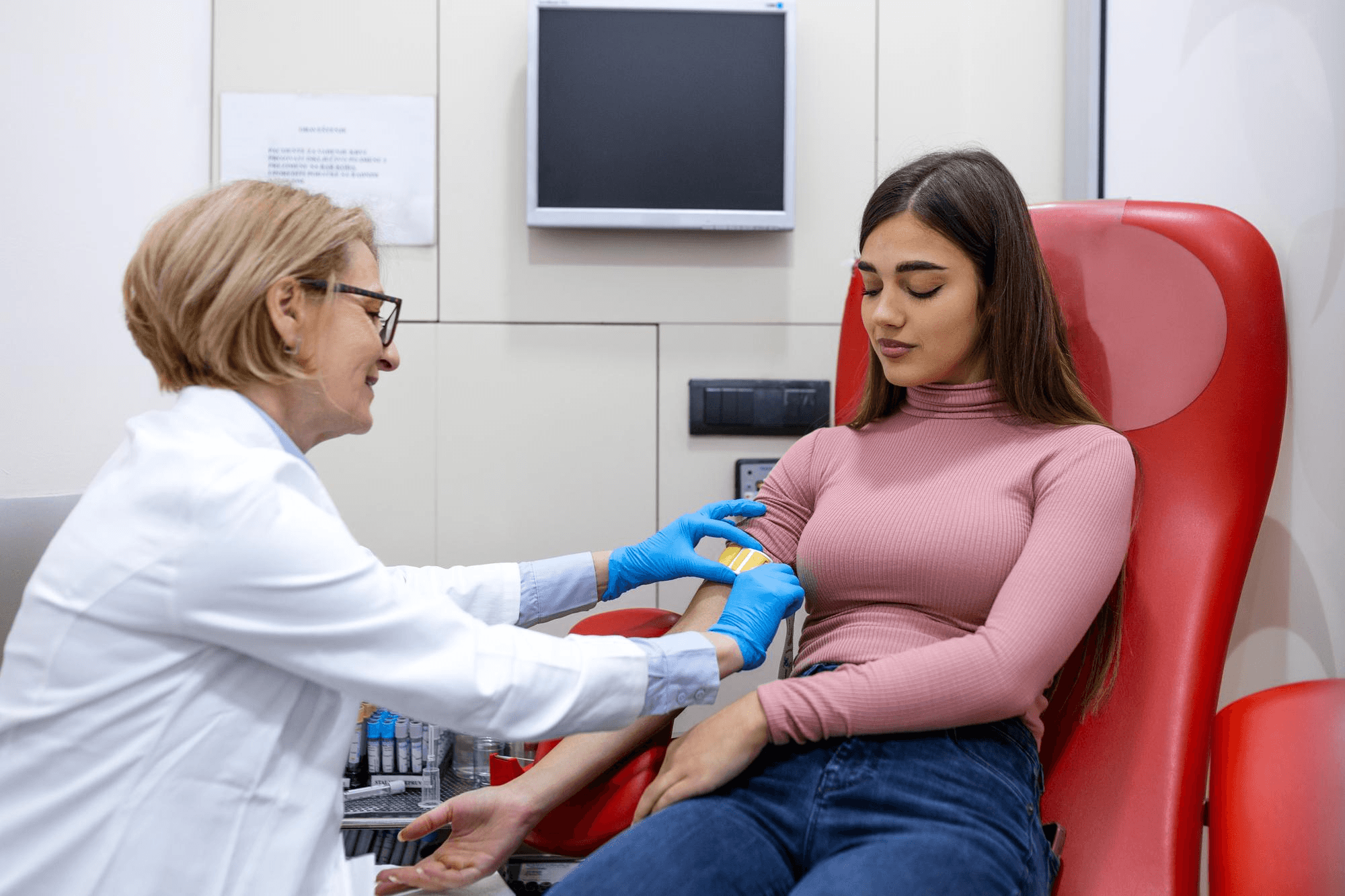
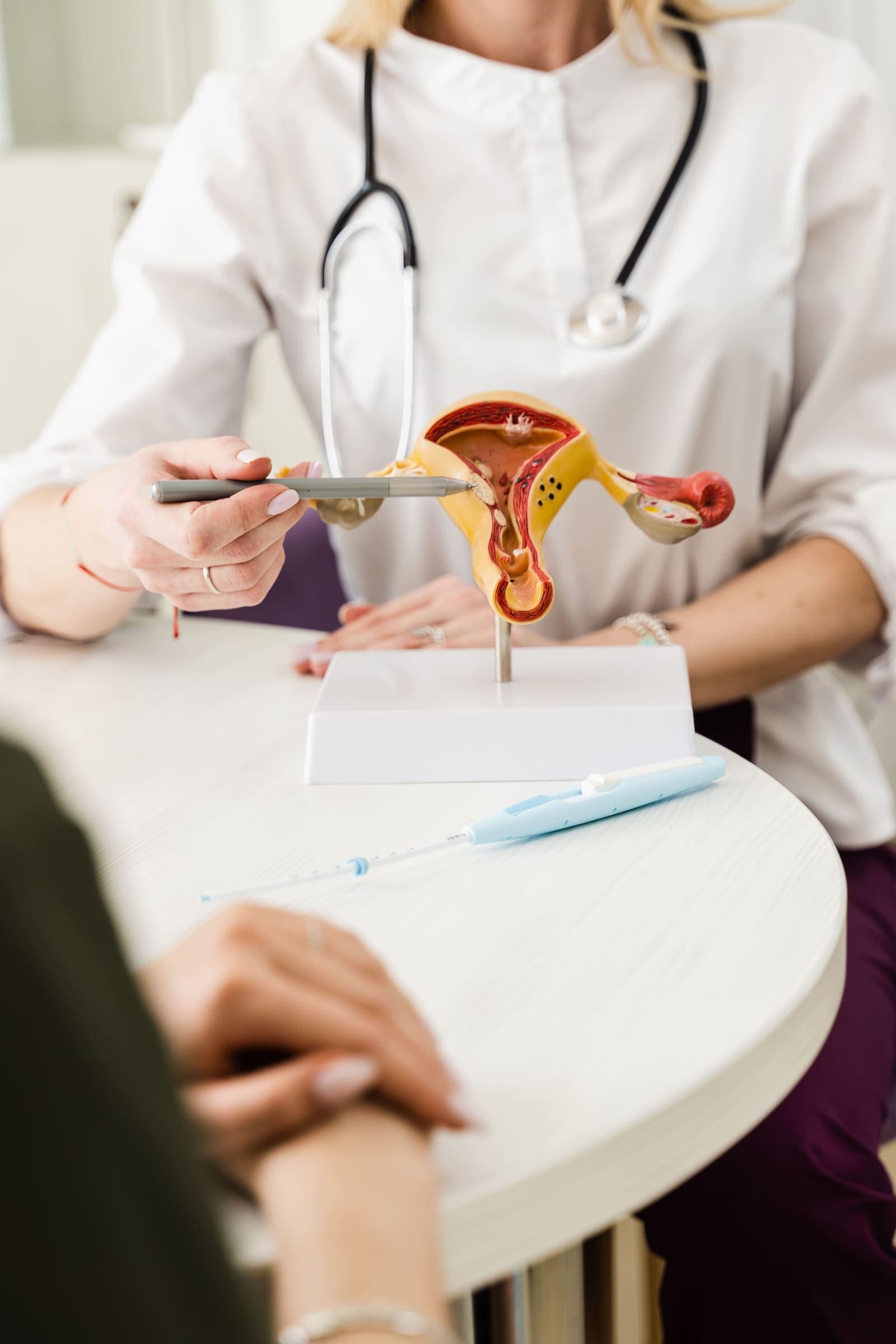
Gynecologist performing routine health check, blood test, illustrating recommended screening frequency for annual exams and periodic preventive tests for women.
Anaesthesia: Laparoscopic gynaecological surgery is performed under general anaesthesia. You will be completely unconscious and feel nothing during the procedure.
In the operating theatre: The procedure typically takes between 30 minutes and 2 hours depending on the complexity of what is being done. A simple diagnostic laparoscopy or tubal ligation may take 30 to 45 minutes. A laparoscopic hysterectomy or complex endometriosis surgery can take 90 minutes to 2 hours or more.
Immediately after: You wake up in the recovery room. Mild nausea from anaesthesia and some shoulder or upper abdominal discomfort from the carbon dioxide gas are common and temporary. Most women are comfortable within a few hours.
Recovery — What to Actually Expect
Recovery varies by procedure. These are realistic expectations:
Diagnostic laparoscopy or tubal ligation: Most women go home the same day. Soreness around the incision sites and mild shoulder pain (from residual CO2 gas) for 24 to 48 hours. Back to light activity within 2 to 3 days.
Ovarian cyst removal or laparoscopic myomectomy: Usually 1 night in hospital. Light activity in 3 to 5 days. Normal work in 1 to 2 weeks. Full recovery in 3 to 4 weeks.
Laparoscopic hysterectomy (TLH): 1 to 2 nights in hospital. Light activity in 1 week. Desk work in 2 to 3 weeks. Full physical recovery in 4 to 6 weeks — significantly faster than open hysterectomy's 6 to 8 weeks.
What is normal post-operatively: Some bloating, mild incision soreness, light vaginal spotting (after uterine procedures), and fatigue for the first few days. The shoulder and collarbone discomfort from CO2 gas resolves within 24 to 48 hours as the gas absorbs.
When to call your surgeon: Fever above 38°C, heavy vaginal bleeding, worsening rather than improving abdominal pain, redness or discharge from incision sites, or inability to keep fluids down.
The Importance of the Surgeon's Experience
Laparoscopic surgery is skill-dependent in a way that is worth being direct about. The 3D anatomy of the pelvis, visualised through a camera on a flat screen, requires extensive training to navigate precisely. A surgeon who performs laparoscopy regularly — particularly complex procedures like TLH and endometriosis excision — will consistently achieve better outcomes, shorter operating times, and lower complication rates than someone performing it infrequently.
When considering laparoscopic surgery, asking your surgeon how many of the specific procedure you need they perform per year is a reasonable and appropriate question.
Laparoscopic Surgery in Noida and Greater Noida
Dr. Shachi Singh at Prakash Hospital, Sector 33, Noida, performs the full range of gynaecological laparoscopic procedures — diagnostic laparoscopy, ovarian cyst removal, laparoscopic myomectomy, endometriosis surgery, laparoscopic hysterectomy (TLH), and ovarian drilling for PCOS. She brings over 15 years of surgical experience to women across Noida and Greater Noida.
If you have been diagnosed with a gynaecological condition and been told surgery may be needed, a consultation to understand your laparoscopic options is the right first step.
To book a consultation with Dr. Shachi Singh, call: +91 97023 46853
Clinic Hours: Monday to Saturday, 9 AM – 6 PM | Sunday, 10 AM – 2 PM
Clinic Address: D-12A, 12B, Sector-33, G.B. Nagar, Noida, Uttar Pradesh 201301
Frequently Asked Questions
1. Is laparoscopic surgery painful?
The procedure itself is done under general anaesthesia — you feel nothing. Post-operatively, most women experience mild incision soreness and temporary shoulder discomfort from the CO2 gas, which resolves in 24 to 48 hours. Pain is significantly less than after open surgery.
2. How long does laparoscopic surgery take?
It depends on the procedure. Diagnostic laparoscopy and tubal ligation: 30 to 45 minutes. Cyst removal or myomectomy: 45 to 90 minutes. Laparoscopic hysterectomy: 90 minutes to 2 hours or more for complex cases.
3. Will I have visible scars?
Laparoscopic incisions are typically 0.5 to 1 cm. They heal to faint marks that are generally barely visible. Most women find them cosmetically much more acceptable than open surgery scars.
4. How long is recovery after laparoscopic surgery?
Minor procedures: 2 to 5 days to light activity, 1 to 2 weeks to normal life. Major procedures like laparoscopic hysterectomy: 4 to 6 weeks to full recovery. Significantly faster than open surgery in every case.
5. Can laparoscopic surgery affect fertility?
Laparoscopic surgery for conditions like endometriosis, ovarian cysts, fibroids, and pelvic adhesions generally improves fertility outcomes compared to leaving the condition untreated. Procedures like myomectomy specifically preserve the uterus to maintain fertility. Discuss your fertility goals with your surgeon before any procedure.
6. Is laparoscopy safe?
Yes — laparoscopic surgery has a well-established safety record and is associated with lower complication rates than open surgery for the same conditions. As with any surgery, risks exist. These include anaesthesia reactions, bleeding, infection, and injury to adjacent structures — all of which your surgeon will discuss in detail before the procedure.
This blog is written for educational and informational purposes only. It is not a substitute for professional medical advice. Please consult Dr. Shachi Singh or a qualified gynaecological surgeon for an assessment specific to your condition.