Ovulation Symptoms: Signs, Your Fertile Window and How to Track Both

Chances of conception peak in the two days before ovulation and on the day itself.
If you have been trying to conceive, you have probably heard a lot of advice about ovulation. Count fourteen days. Use an app. Watch for pain. Lie still afterwards. The advice is confident, and often contradictory.
Here is what I tell women in my clinic. Ovulation is the one event each month that makes pregnancy possible, and understanding it removes a huge amount of guesswork. But the textbook version, where everyone ovulates on day 14 with a clear signal, does not describe most real women.
This guide explains what ovulation is, the symptoms that help, the ones that mislead, how long your fertile window lasts, how to track it, and when irregular ovulation needs a doctor's attention. If you are searching for a gynaecologist in Noida for fertility advice, the details are at the end.
What is ovulation?
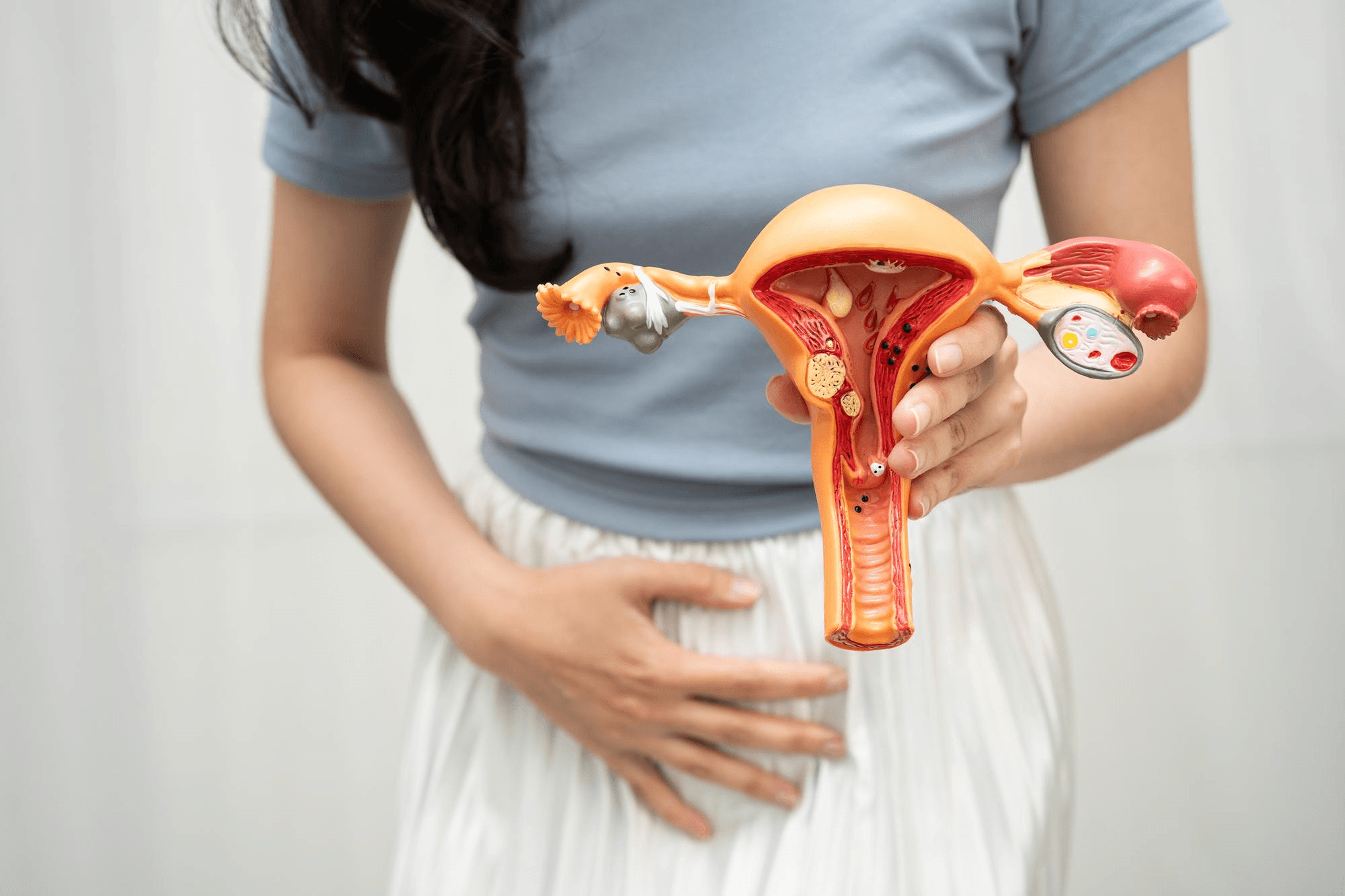
Each month, hormones prompt a follicle in one of your ovaries to mature and release an egg. That release is ovulation. The egg is picked up by the fallopian tube, where it waits for sperm. It survives for only about 12 to 24 hours.
Sperm, on the other hand, can survive in fertile cervical mucus for up to five days. That mismatch is the key to everything about timing. You can conceive from sex that happens in the days before ovulation, because the sperm are already waiting when the egg arrives.
Your fertile window
The fertile window is about six days: the five days before ovulation plus the day of ovulation itself. Chances of conception rise through that window and peak in the two days before ovulation and on the day itself. After ovulation, the chance drops quickly to nearly zero until the next cycle.
When does ovulation happen? Usually about 14 days before your next period starts, not 14 days after your last one began. That distinction matters a lot:
- In a 28-day cycle, ovulation is around day 14.
- In a 35-day cycle, ovulation is around day 21.
- In a 24-day cycle, ovulation is around day 10.
The second half of the cycle (after ovulation) is relatively fixed, usually 12 to 16 days. The first half varies. So if your cycle length changes from month to month, so does your ovulation day.
The main ovulation symptoms
Not every woman notices all of these. Some notice none. Several together are more reliable than any single sign.
1. Cervical mucus changes
This is the most useful natural sign. After your period, you may feel dry or have thick, sticky mucus. As oestrogen rises before ovulation, mucus becomes creamy, then wet, clear and stretchy, like raw egg white. This slippery mucus helps sperm travel and survive. You will often notice a feeling of wetness at the vulva.
The last day you see egg-white mucus is generally near ovulation. Afterwards, mucus turns thick and sticky again.
2. A one-sided ache (mittelschmerz)
Some women feel a dull ache, twinge or sharp pinch low on one side of the abdomen around mid-cycle. It lasts from a few minutes to a day or two. It comes from the follicle stretching and releasing the egg, along with a little fluid. Not everyone gets it, and it can switch sides from month to month.
Severe or prolonged pain is not normal ovulation pain and deserves a medical check, as it can point to cysts, endometriosis or infection.
3. Higher sex drive
Many women feel a surge in libido during their fertile days. It is a hormonal effect and probably nature's way of encouraging sex at the right time.
4. Breast tenderness
Some women notice mild breast soreness around ovulation or soon after, thanks to rising progesterone.
5. Light spotting
A few women see a little pink or brown spotting around mid-cycle, from a small dip in oestrogen after the peak. It is usually harmless if brief. If spotting happens every month and persists, tell your doctor.
6. Bloating and mild changes in appetite or mood
Hormonal shifts can bring a bit of bloating, a keener sense of smell, or a lift in energy. These signs are not specific, so I would never rely on them alone.
7. A slight rise in body temperature
Your resting temperature rises by roughly 0.2 to 0.5 degrees Celsius after ovulation, because of progesterone. This is a confirmation of ovulation, not a prediction. By the time the temperature rises, the egg is already gone.
How to track ovulation
Choose one or two methods that suit your lifestyle. Over-tracking can make trying to conceive feel like a second job, and I see a lot of couples stressed by it.
Calendar tracking
Write down the first day of each period for three to six months. If your cycles are regular, subtract 14 from your usual cycle length to estimate ovulation, then count the fertile days around it. Apps do this for you, but remember that apps estimate. They cannot see what your body is doing. Cycle prediction apps are often off by several days, particularly if your cycles vary.
Cervical mucus tracking
All it needs is attention. Check the colour and feel of discharge when you wipe or wash. Aim for sex on days when mucus is wet and stretchy.
Ovulation predictor kits (LH strips)
These urine tests detect the luteinising hormone (LH) surge, which happens about 24 to 36 hours before ovulation. A positive test means ovulation is likely within the next day or two, so that is the time for intercourse. Test around the same time each day, usually from about day 10 of a 28-day cycle, and avoid drinking large amounts of water beforehand, which dilutes the urine.
Be careful if you have PCOS. LH can be raised throughout the cycle, giving several positive tests without ovulation.
Basal body temperature (BBT)
Take your temperature with a sensitive thermometer first thing every morning, before getting up. After a few months, you will see a pattern showing when ovulation tended to happen. It helps confirm whether you ovulate, but it is not helpful for timing the current cycle.
Ultrasound follicle tracking
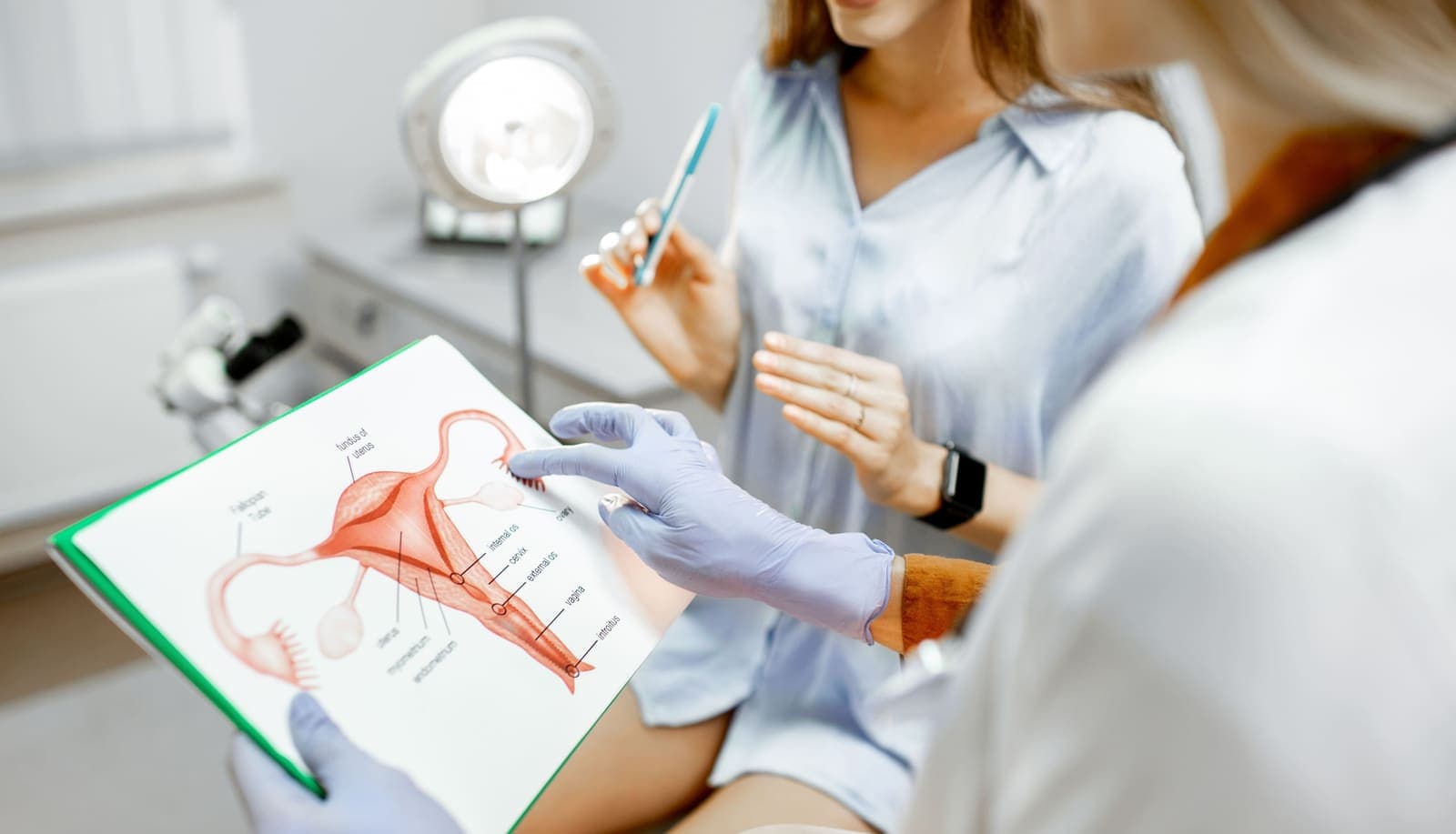
If you are struggling to conceive, your gynaecologist can track ovulation with serial transvaginal ultrasounds, called a follicular study. It shows follicle growth in size, whether it ruptures and the thickness of the uterine lining. This is the most accurate method and is the standard for women taking ovulation-inducing medicines.
Mid-luteal progesterone test
A blood test about a week before your expected period confirms whether ovulation took place.
Having sex at the right time
For most couples, I recommend intercourse every one to two days during the fertile window, and a bit more often when the mucus is at its best or the LH kit turns positive. You do not need to time it down to the hour. Waiting for the LH surge alone can mean you miss early fertile days. Trying every second day through the week around expected ovulation covers your bases without pressure.
There is no evidence that a certain sexual position or lying with your legs up improves conception. Resting for ten minutes afterward is fine if you like it, but not necessary.
Why you might not notice any symptoms
Not feeling ovulation does not mean you are not ovulating. Many women ovulate without any obvious sign. Equally, signs like cramps or spotting can occur in cycles with no egg release.
When ovulation is irregular or absent
Ovulation problems are among the most common reasons for difficulty conceiving. Signs that suggest you may not be ovulating regularly include:
- Cycles shorter than 21 days or longer than 35 days
- Periods that vary widely in length
- Very light or very heavy bleeding
- Missed periods for months
- Excess facial hair, acne or weight gain
- No mid-cycle mucus change
- No temperature rise on BBT charts
Common causes are PCOS, thyroid disorders, high prolactin, significant weight loss or gain, excessive exercise, stress, perimenopause and premature ovarian insufficiency. These are usually treatable. Depending on the cause, I may advise lifestyle changes, medicines to regulate cycles or ovulation-inducing medicines, with monitoring.
When to see a doctor
Do not wait a full year in every situation. Seek advice if:
- You are under 35 and have been trying for 12 months without success
- You are 35 or older and have been trying for 6 months
- You are over 40, or your periods are very irregular or absent
- You have a history of pelvic infection, endometriosis, fibroids or tubal surgery
- Your partner has a known fertility issue
A basic check-up includes a pelvic scan, hormone tests, a semen analysis for your partner and, if needed, an HSG to assess the tubes.
Myths about ovulation
"Everyone ovulates on day 14." No. It depends on your cycle length.
"You can't get pregnant during your period." It's unlikely but possible, particularly with short cycles, since sperm can live up to five days.
"Ovulation always hurts." Most women feel nothing.
"A positive LH test means I ovulated." It means your LH is surging, which usually leads to ovulation. It does not prove it happened.
"Stress stops ovulation completely." Severe or prolonged stress can delay it, but everyday stress rarely does.
Everyday habits that support ovulation
A healthy weight range, balanced meals, regular moderate exercise, good sleep, not smoking and limiting alcohol all support regular cycles. Taking folic acid before conception is advised for every woman trying to conceive. Ask your doctor about the right dose for you. Check thyroid function if your cycles are irregular, because it is easily treated.
Take the next step
Understanding ovulation is a good first step, and a simple evaluation can answer questions you may have carried for months. I see women and couples from Noida, Greater Noida, Ghaziabad and Delhi NCR at Prakash Hospital, Sector 33. To book a consultation, call +91 97023 46853.
Related reading
- How to get pregnant fast: what the evidence supports
- Ovulation induction: how it works
- PCOS and infertility
- Foods that support fertility
- Pre-conception checklist
This article is educational and does not replace a medical evaluation.