PCOS vs PCOD: What Is the Difference and Why Does It Actually Matter?
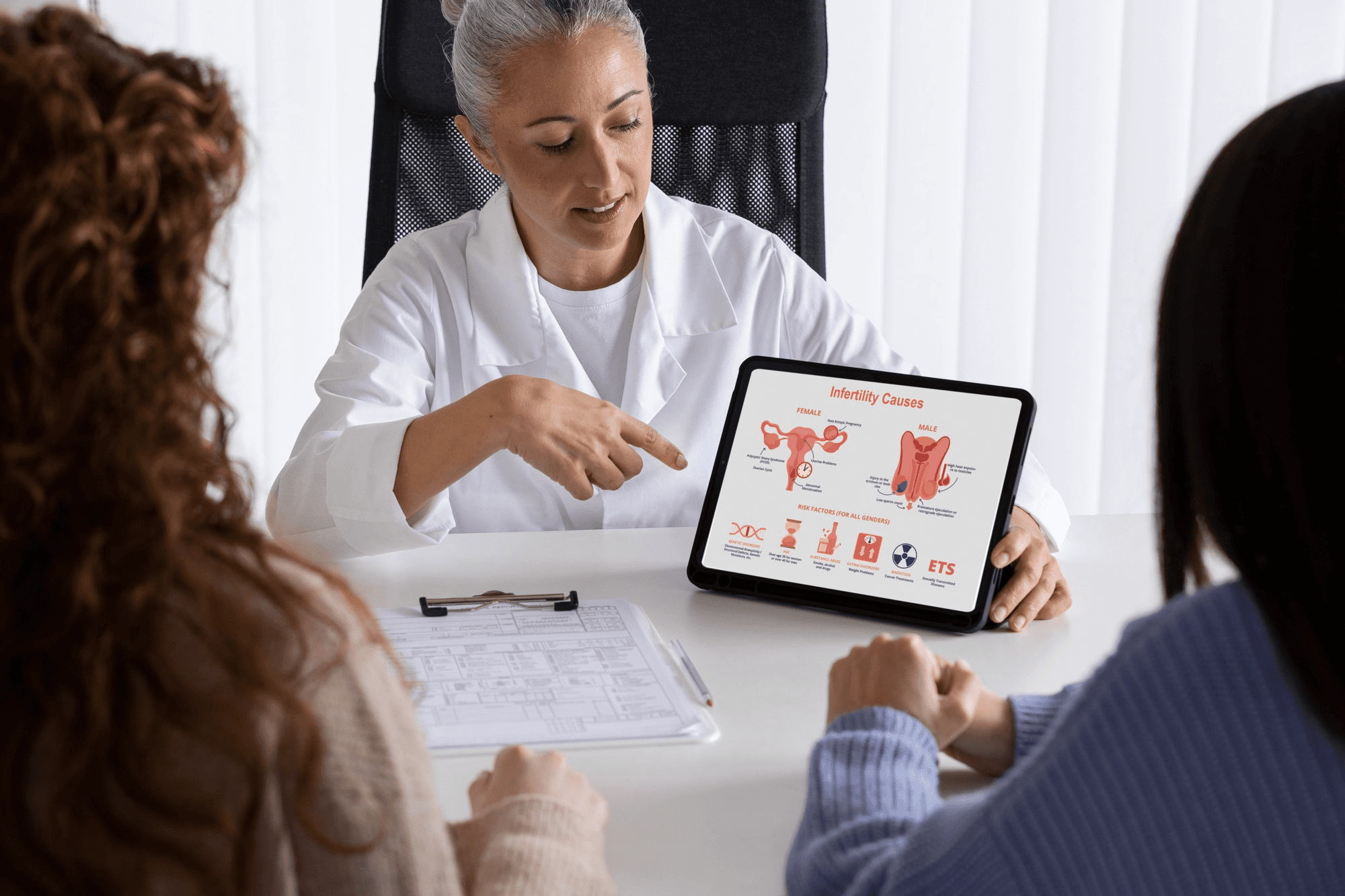
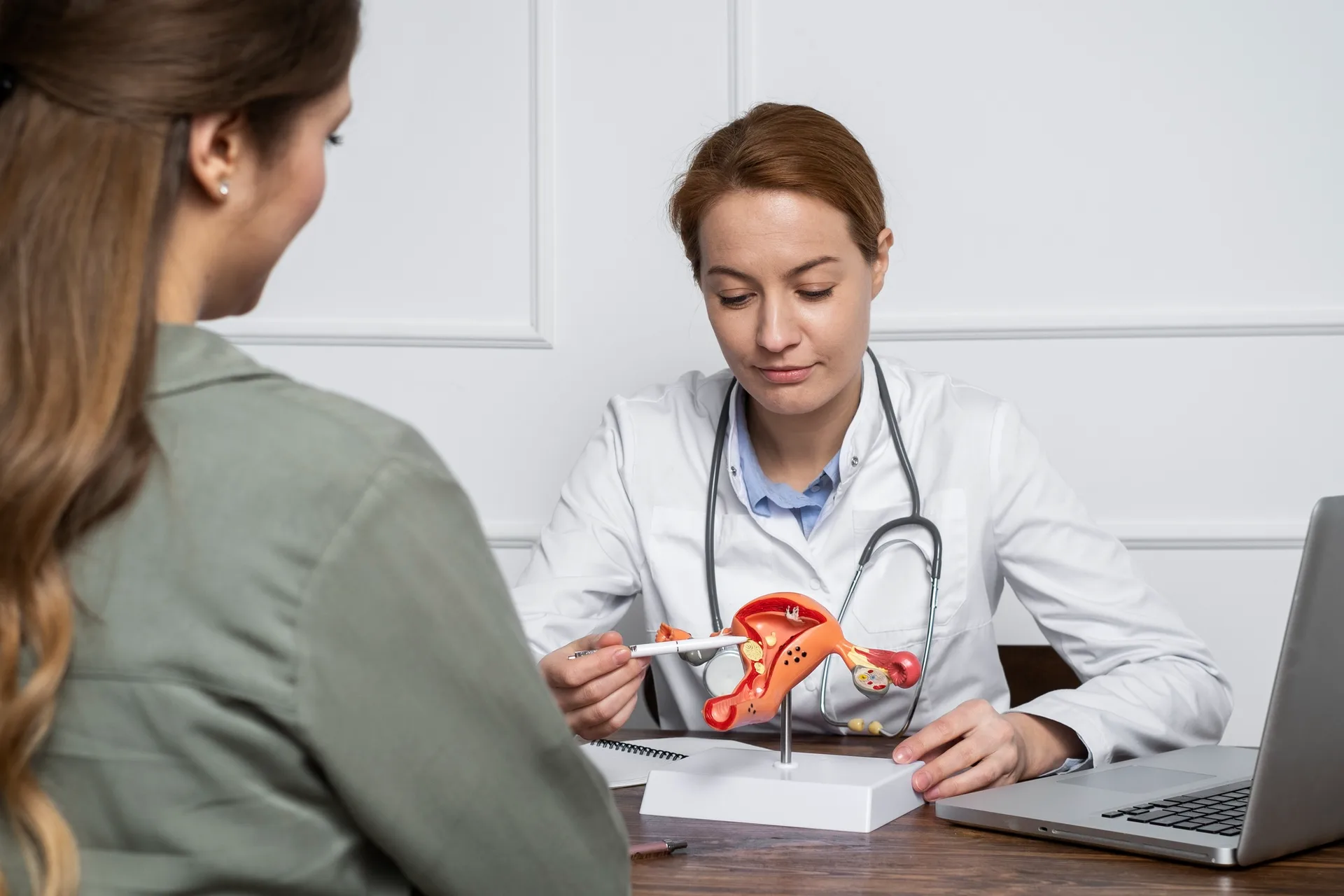
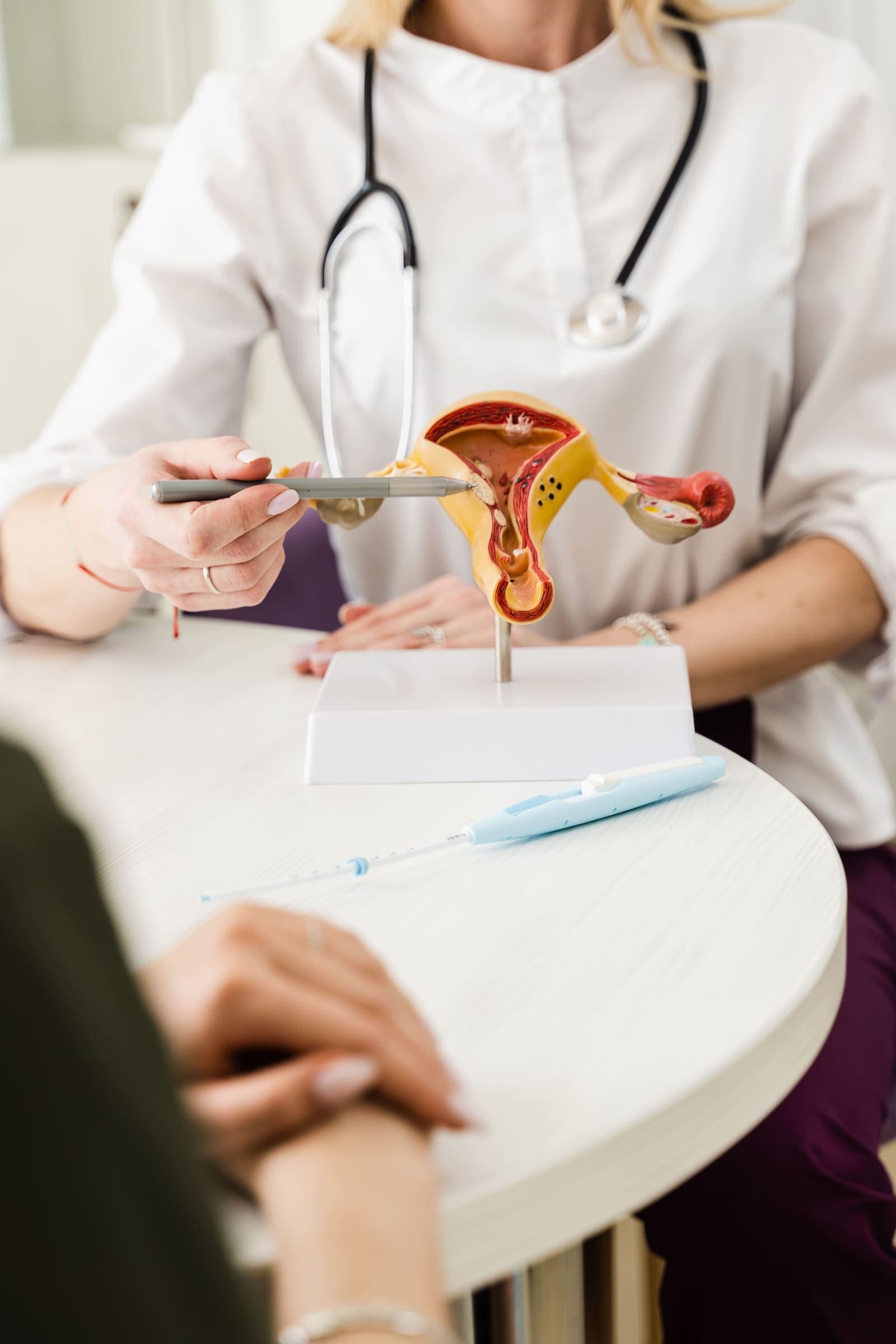
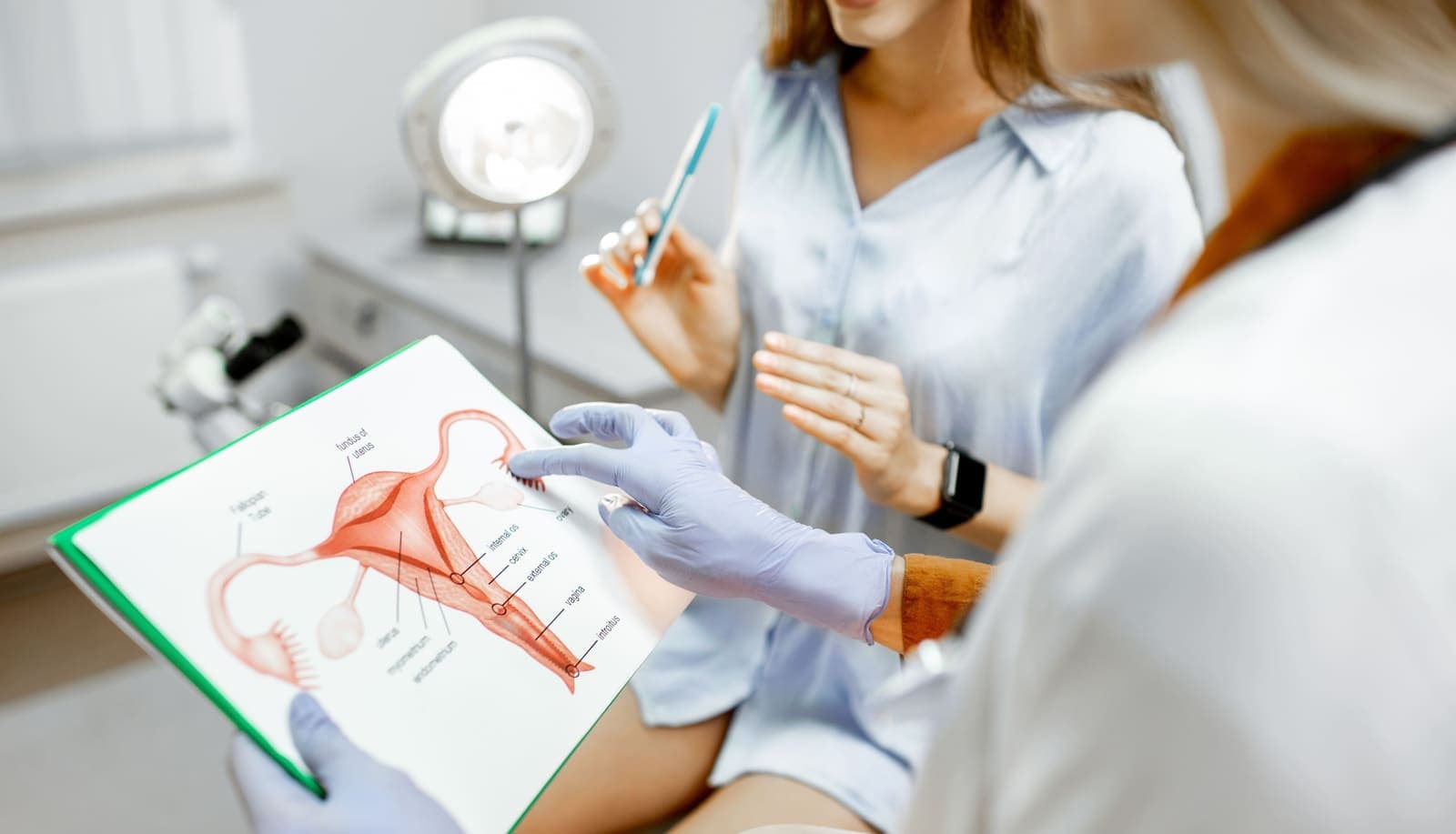
A gynecologist uses a chart to break down PCOD and PCOS, talking through hormone imbalances, how the ovaries work, fertility challenges, and possible treatments with a patient.
There is a question that comes up in almost every gynaecology clinic across India, and it usually sounds like this: "Doctor, I have PCOS — or is it PCOD? Are they the same thing? My report says one, my friend has the other, the internet says they are different but then uses the words interchangeably."
The confusion is entirely understandable. PCOS and PCOD are different conditions with overlapping features, and they are frequently treated as synonyms — in casual conversation, on medical reports, and sometimes even in clinical settings. Getting them mixed up matters because they have different severity levels, different long-term risks, and somewhat different treatment approaches.
Dr. Shachi Singh, consultant gynaecologist at Prakash Hospital, Sector 33, Noida, explains the actual distinction — clearly, without unnecessary jargon — and walks through what it means for diagnosis, treatment, and long-term health.
What PCOD Is
PCOD stands for Polycystic Ovarian Disease. In PCOD, the ovaries produce more eggs than normal each month — but many of these eggs are immature or only partially mature. Instead of being released through ovulation as they should be, these eggs accumulate in the ovaries, forming small cysts. The result: enlarged ovaries with multiple small fluid-filled follicles visible on ultrasound.
PCOD is primarily a structural and hormonal issue with the ovaries themselves. The hormonal disruption it causes is real but generally milder than in PCOS.
Key points about PCOD:
- Very common — estimates suggest 1 in 5 women of reproductive age have it
- Driven largely by lifestyle factors: poor diet, sedentary habits, stress, disrupted sleep
- Manageable in most cases through lifestyle changes alone — diet, exercise, sleep, stress reduction
- Fertility is generally not severely affected; many women with PCOD conceive naturally or with minimal intervention
- Does not carry the same long-term metabolic risk as PCOS when well-managed
What PCOS Is
PCOS stands for Polycystic Ovary Syndrome. It is a fundamentally different — and more serious — condition. PCOS is an endocrine disorder, meaning it is a disorder of the hormonal system rather than just the ovaries. The ovaries in PCOS produce excess androgens (male hormones), which disrupt the entire hormonal cascade governing the menstrual cycle.
The word "syndrome" in PCOS is important. It means a cluster of symptoms and findings that occur together — the condition is not defined by any single feature but by a pattern.
The Rotterdam Criteria — the internationally accepted diagnostic standard — require at least two of the following three features to diagnose PCOS:
- Irregular or absent periods (indicating irregular or absent ovulation)
- Evidence of excess androgens — either clinically (acne, excessive body or facial hair, scalp hair thinning) or biochemically (elevated testosterone on blood tests)
- Polycystic ovaries on ultrasound (multiple follicles visible)
Note: polycystic-appearing ovaries alone — without the other features — do not constitute a PCOS diagnosis. This distinction is frequently missed.
Key points about PCOS:
- Less common than PCOD but still very prevalent — affects approximately 9 to 22% of reproductive-age Indian women depending on the diagnostic criteria used
- A genuine hormonal disorder with systemic effects beyond the ovaries
- Associated with insulin resistance — high insulin levels signal the ovaries to produce excess androgens
- Higher risk of: type 2 diabetes, metabolic syndrome, high blood pressure, elevated cholesterol, non-alcoholic fatty liver disease
- The most common cause of ovulatory infertility in Indian women
- Can affect mental health significantly — higher rates of anxiety and depression are well-documented in PCOS
- Requires active medical management; lifestyle changes alone are often insufficient
The Key Differences Side by Side
| Feature | PCOD | PCOS |
|---|---|---|
| What it is | Ovarian condition — immature egg accumulation | Hormonal endocrine disorder |
| Severity | Generally milder | More complex, systemic effects |
| Main driver | Largely lifestyle factors | Hormonal/metabolic imbalance (partly genetic) |
| Fertility impact | Often minimal — many conceive naturally | Significant — main cause of anovulatory infertility |
| Insulin resistance | Less common | Common feature |
| Long-term metabolic risk | Lower | Higher — diabetes, cardiovascular risk |
| Hormonal imbalance | Moderate | More severe — excess androgens |
| Reversal | Often manageable with lifestyle changes | Requires ongoing management; not "cured" |
| Ultrasound finding | Polycystic ovaries | Polycystic ovaries (one of three criteria, not standalone) |
Why the Distinction Matters for Treatment
This is where mixing up the two conditions creates real problems.
A woman who has PCOD and modifies her diet, starts exercising regularly, manages her stress, and gets adequate sleep will frequently see her cycles regularise, her symptoms improve, and her fertility preserved — without needing medication.
A woman who has PCOS and pursues lifestyle changes alone may find partial improvement but still experience anovulatory cycles, persistent hormonal symptoms, and infertility that does not resolve without medical intervention. If she has been told she has "PCOD" and should just "eat better," she may spend months or years waiting for improvement that is not going to come without proper treatment.
The correct diagnosis matters. Not to alarm anyone with PCOS, but because managing it appropriately from the start leads to significantly better outcomes than discovering years later that what seemed like mild "PCOD" was actually PCOS requiring systematic care.
Symptoms — What to Look For
PCOD and PCOS share several symptoms, but the pattern and intensity differ
Symptoms common to both:
- Irregular periods
- Delayed or absent ovulation
- Weight gain or difficulty losing weight
- Polycystic-appearing ovaries on ultrasound
- Difficulty conceiving
Symptoms more characteristic of PCOS:
- Significant excess facial or body hair (hirsutism) — upper lip, chin, chest, abdomen, inner thighs
- Severe acne, particularly in adult women
- Scalp hair thinning or loss (androgenic alopecia)
- Acanthosis nigricans — dark, velvety skin patches in the neck, armpits, and groin (a sign of insulin resistance)
- Very irregular cycles — periods arriving every 45 to 90 days, or not at all for months
- Mood disturbances, anxiety, low mood
If you have significant hair growth on the face or body, persistent adult acne, and very irregular cycles, PCOS is more likely than PCOD. The full hormonal blood panel is what confirms it.
How Both Are Diagnosed
Both conditions are diagnosed through a combination of clinical assessment, blood tests, and pelvic ultrasound. No single test confirms either diagnosis.
For PCOD: Ultrasound showing polycystic-appearing ovaries, a history of irregular cycles, and the clinical picture in context. Hormonal blood tests help but may be relatively normal.
For PCOS: Requires two of the three Rotterdam Criteria — irregular cycles indicating ovulatory dysfunction, clinical or biochemical evidence of excess androgens, and ultrasound findings. Blood tests are central — LH/FSH ratio, testosterone (total and free), DHEAS, anti-Müllerian hormone (AMH), fasting insulin and glucose, thyroid function (to exclude thyroid as a cause of irregular periods).
One important nuance: you can have polycystic-appearing ovaries on ultrasound and have perfectly normal periods and no hormonal abnormalities — in which case, you do not have PCOS or PCOD; you simply have a normal variant of ovarian anatomy. Many women are told they have "PCOS" based on an ultrasound finding alone, which is not an accurate diagnosis by current criteria.
How PCOD Is Treated
For most women with PCOD, the first and most effective intervention is lifestyle
Diet: Reducing refined carbohydrates and sugar, which drive the insulin spikes that worsen ovarian dysfunction. Increasing protein, fibre, and healthy fats. An Indian diet built around dals, whole grains, vegetables, and minimal processed food is well-suited to PCOD management. Specific foods that help: methi seeds, cinnamon, flaxseeds, and anti-inflammatory spices.
Exercise: Regular physical activity — particularly a combination of strength training and moderate cardio — improves insulin sensitivity directly. Even 30 minutes of walking daily makes a measurable difference over weeks.
Sleep and stress: Both significantly affect cortisol and insulin levels, which in turn affect ovarian function. Normalising sleep is not optional advice.
Medical management when needed: Hormonal tablets to regulate cycles when lifestyle alone is insufficient; low-dose oral contraceptive pills for cycle regulation and androgen control; metformin if insulin resistance is significant.
Fertility support: Ovulation induction with letrozole or clomiphene if conception is the goal and ovulation is not occurring reliably.
How PCOS Is Treated
PCOS management is active and ongoing — not a condition you treat once and resolve. It involves:
Lifestyle as the foundation: The same principles as PCOD — but more consistently necessary. Research shows that even a 5% reduction in body weight in overweight women with PCOS significantly improves menstrual regularity and hormonal profiles.
Insulin sensitisers: Metformin is widely used in PCOS to address insulin resistance directly. It improves cycle regularity, lowers androgen levels, and has a meaningful impact on long-term metabolic risk reduction.
Hormonal management: Combined oral contraceptive pills regulate cycles and suppress androgens, addressing acne, excess hair growth, and irregular bleeding. Anti-androgen medications (spironolactone) may be added for significant hirsutism or acne.
Fertility treatment: This follows a specific pathway — letrozole or clomiphene first (ovulation induction), then IUI if conception does not occur, then IVF. Laparoscopic ovarian drilling (LOD) is an option for women with medication-resistant PCOS who want to avoid multiple cycles of IVF.
Long-term monitoring: Because of the elevated risk of type 2 diabetes, cardiovascular disease, and endometrial hyperplasia (from prolonged anovulation), women with PCOS need regular monitoring of fasting blood sugar, lipid profile, blood pressure, and endometrial health throughout their reproductive years and into menopause.
Can PCOS or PCOD Be Cured?
Neither condition has a permanent cure in the conventional sense. Both are conditions you manage, not eliminate.
PCOD responds well to lifestyle normalisation — many women find that with a consistent diet and exercise, symptoms largely resolve and cycles regularise. Whether this constitutes "cured" or "in remission" is a semantic debate, but the practical outcome is often very good.
PCOS is a chronic hormonal condition. It can be managed excellently — symptoms controlled, cycles regulated, fertility achieved, long-term risks mitigated. But the underlying hormonal and metabolic pattern persists. Management strategies adapt across different life phases — the approach during reproductive years differs from management during and after menopause.
The most important thing for women with either condition is this: they are manageable, they do not define your fertility or your health future, and the right medical partnership makes an enormous practical difference.
Getting the Right Diagnosis in Noida and Greater Noida
A proper PCOS or PCOD assessment requires more than an ultrasound. It needs a full hormonal panel, a thorough clinical history, and a doctor who takes the time to distinguish between the two conditions and explain what the findings mean for your specific situation.
Dr. Shachi Singh at Prakash Hospital, Sector 33, Noida, provides comprehensive PCOS and PCOD assessment and management for women across Noida and Greater Noida — from the initial diagnostic workup through to fertility treatment, hormonal management, and long-term monitoring.
If you have been told you have "PCOS" or "PCOD" but are not entirely clear what that means for you or what you should be doing about it, a proper consultation is where that clarity comes from.
To book a consultation with Dr. Shachi Singh, call: +91 97023 46853
Clinic Hours: Monday to Saturday, 9 AM – 6 PM | Sunday, 10 AM – 2 PM
Clinic Address: D-12A, 12B, Sector-33, G.B. Nagar, Noida, Uttar Pradesh 201301
Frequently Asked Questions
Is PCOS more serious than PCOD?
Yes — PCOS is a systemic hormonal disorder with long-term metabolic and cardiovascular implications. PCOD is primarily an ovarian condition that is often well-controlled with lifestyle changes. Both are manageable, but PCOS requires more active and ongoing medical management.
Can you have both PCOS and PCOD?
The terms describe a spectrum rather than two entirely separate conditions. Many specialists consider PCOD a milder presentation along the same continuum. What matters clinically is identifying your specific hormonal profile and treating accordingly — the label matters less than the actual findings.
Can PCOD turn into PCOS?
In some women, particularly those who do not address lifestyle factors, PCOD may progress to a more PCOS-like hormonal pattern over time. This is not inevitable — and it underscores why early lifestyle intervention in PCOD is genuinely important.
Can you get pregnant with PCOS?
Yes — many women with PCOS conceive, either naturally with lifestyle changes or with fertility treatment (ovulation induction, IUI, or IVF). PCOS is the most common cause of ovulatory infertility, but it is also one of the most treatable. With appropriate management, the majority of women with PCOS who want to conceive can do so.
Do I need medication for PCOD?
Not always. Many women with PCOD manage their condition well with lifestyle changes alone — diet, exercise, sleep, and stress management. Medication is added when lifestyle changes are insufficient, when cycles do not regulate, or when fertility assistance is needed.
This blog is written for educational and informational purposes only. It is not a substitute for professional medical advice. Please consult Dr. Shachi Singh or a qualified gynaecologist for diagnosis and a treatment plan specific to your situation.