Cervical Cancer Prevention: The Complete Strategy Every Indian Woman Needs
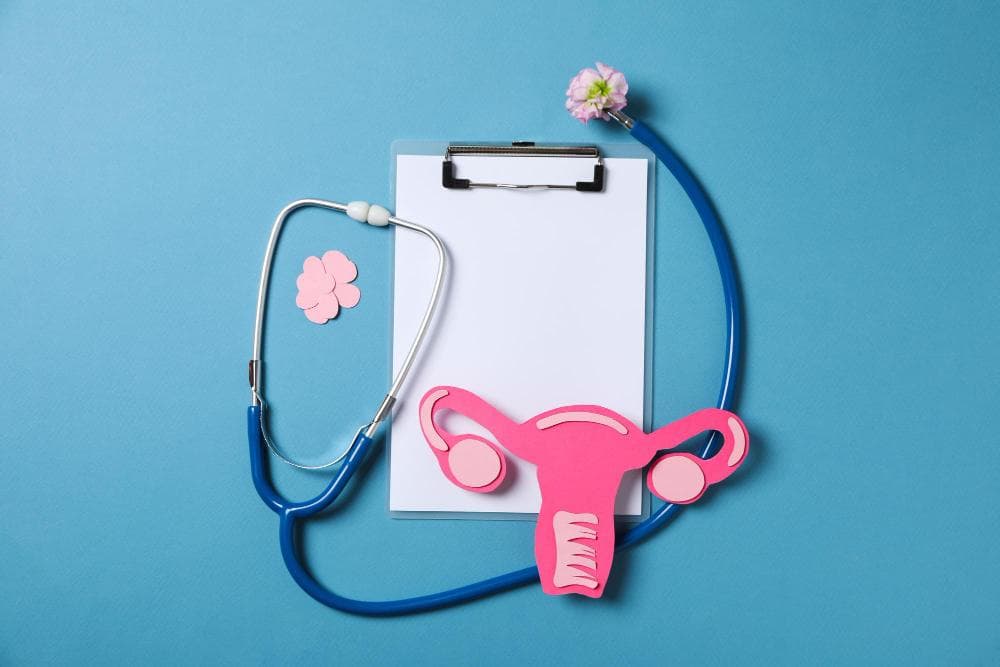
An arrangement features a blue stethoscope, a blank clipboard, and a pink paper cutout shaped like a uterus positioned on a light blue background. A small pink flower sticker is placed near the stethoscope.
India accounts for approximately 18 to 20% of the world's cervical cancer deaths — despite the fact that cervical cancer is almost entirely preventable with a combination of HPV vaccination and regular Pap smear screening. This is not a failure of medicine. It is a failure of access, awareness, and implementation.
Understanding what prevention involves — and acting on it — can eliminate cervical cancer as a clinical problem for the next generation of Indian women.
Dr. Shachi Singh, consultant gynaecologist at Prakash Hospital, Sector 33, Noida, explains the complete cervical cancer prevention strategy.
Why Cervical Cancer Is Almost Entirely Preventable
Virtually all cervical cancer (99%+) is caused by persistent infection with high-risk HPV (Human Papillomavirus) — specifically types 16 and 18, which together account for approximately 70% of cervical cancers. HPV is transmitted through sexual contact. It is extremely common — the majority of sexually active adults will have an HPV infection at some point.
The development of cervical cancer from an initial HPV infection is not rapid. It takes 10 to 15 years of progression through identifiable, detectable, treatable pre-cancerous stages (CIN 1, 2, 3) before invasive cancer develops. This extended pre-cancerous window is what makes cervical cancer preventable — through vaccination (preventing infection) and screening (detecting and treating pre-cancerous changes before they progress).
HPV Vaccination: The Primary Prevention
What it does: HPV vaccines prevent infection with the HPV types that cause the majority of cervical cancers. Preventing infection prevents the pre-cancerous changes that lead to cancer. Vaccination before HPV exposure is most effective.
Available vaccines in India:
Cervarix (bivalent): Protects against HPV types 16 and 18 — the two highest-risk types causing 70% of cervical cancers.
Gardasil 4 (quadrivalent): Protects against HPV 16, 18 (high-risk) and HPV 6, 11 (causing 90% of genital warts).
Gardasil 9 (nonavalent): Protects against 9 HPV types — HPV 16, 18, 31, 33, 45, 52, 58 (together covering approximately 90% of cervical cancers), plus HPV 6 and 11. The broadest protection available.
When to vaccinate:
- Optimal age: 9 to 14 years (before sexual debut) — two-dose schedule (0 and 6 months), produces the strongest immune response at this age
- Ages 15 to 26: Three-dose schedule (0, 1 to 2, and 6 months) — still highly effective
- Ages 27 to 45: Can still benefit in unvaccinated individuals — discuss with your doctor. Less benefit in women with prior HPV exposure, but still provides some protection against types not yet encountered.
The national programme: India's government programme provides HPV vaccination to girls aged 9 to 14 through schools. Private vaccination is available for those who missed the programme or are older.
Does vaccination mean no more Pap smears? No. Vaccines cover 70 to 90% of cancer-causing HPV types — not 100%. Screening remains necessary even in vaccinated women.
Pap Smear Screening: Secondary Prevention
Pap smear screening detects pre-cancerous cell changes (CIN) before they progress to cancer, allowing treatment that is curative and far simpler than cancer treatment.
Recommended schedule:
- Age 21: First Pap smear
- Ages 21 to 29: Pap smear every 3 years (cervical cytology alone)
- Ages 30 to 65: Co-testing — Pap smear plus HPV test every 5 years (preferred), OR Pap smear alone every 3 years
- After 65: Discontinue if adequate prior screening was normal
- After hysterectomy (with cervix removed): Discontinue — no cervix to screen
Why Indian women often don't get screened:
- Lack of awareness — not knowing what a Pap smear is or why it is needed
- Cultural barriers — discomfort with pelvic examination
- Absence of a primary healthcare relationship with a gynaecologist
- Belief that symptoms would warn of a problem (they don't — CIN is asymptomatic)
The Combined Impact: What Vaccination + Screening Achieves
Countries with high vaccination coverage and high screening participation (Australia, UK, Scandinavia) are on track to eliminate cervical cancer as a public health problem within decades. Australia is projected to fall below the World Health Organization's threshold for elimination (4 cases per 100,000 women per year) within 2 to 5 years.
India has both the disease burden and the tools to prevent it. What is needed is implementation — making vaccination available and accessible, and making screening a routine part of gynaecological care for every woman over 21.
Gynaecological Care in Noida and Greater Noida
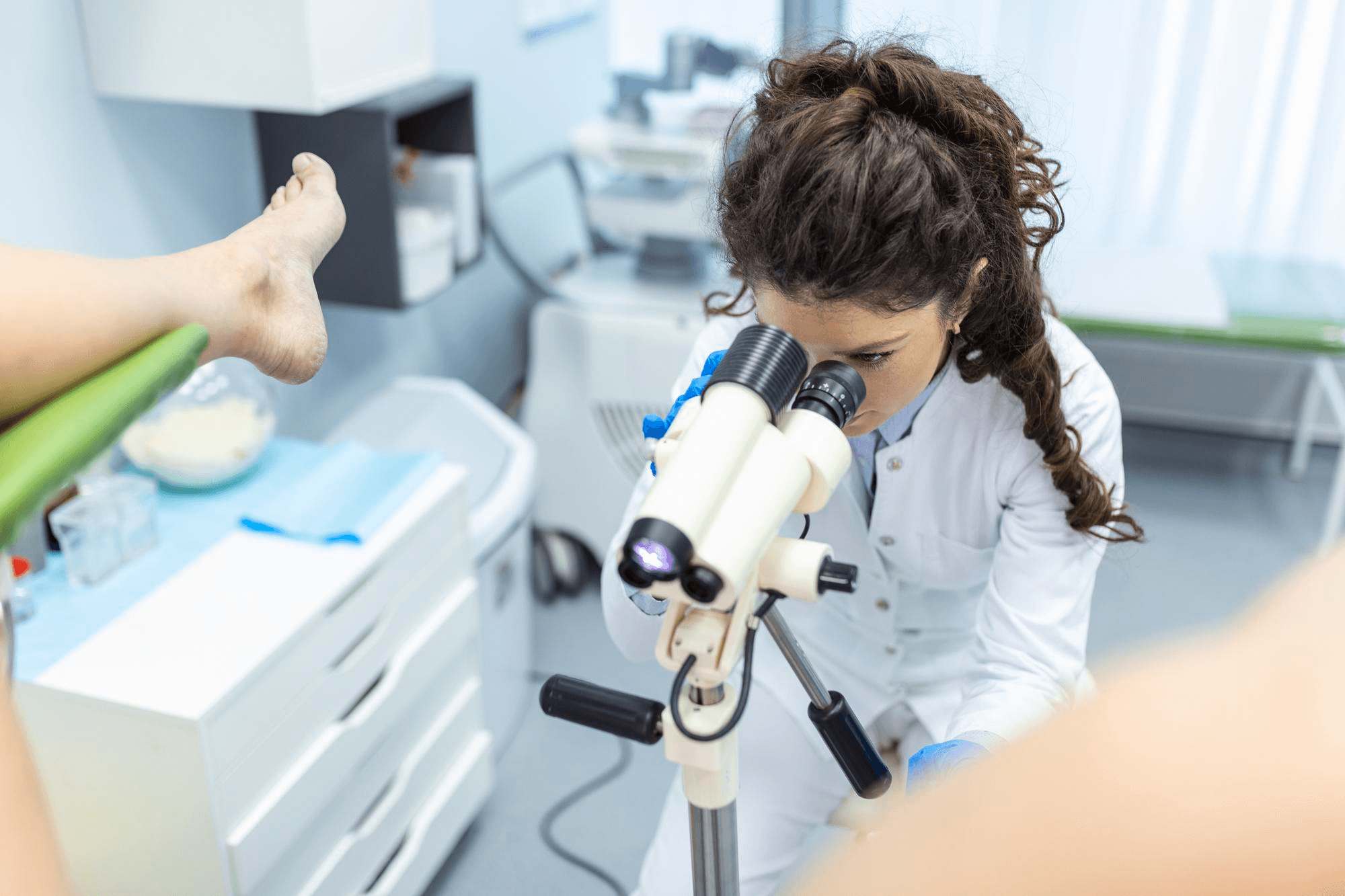
Dr. Shachi Singh at Prakash Hospital, Sector 33, Noida, provides HPV vaccination counselling, Pap smear screening, colposcopy for abnormal results, and complete cervical cancer prevention care for women across Noida and Greater Noida.
To book a consultation with Dr. Shachi Singh, call: +91 97023 46853
Clinic Hours: Monday to Saturday, 9 AM – 6 PM | Sunday, 10 AM – 2 PM
Clinic Address: D-12A, 12B, Sector-33, G.B. Nagar, Noida, Uttar Pradesh 201301
This blog is for educational purposes only. Please consult Dr. Shachi Singh for personalised screening and vaccination guidance.