Bartholin's Cyst: Causes, Symptoms, and When Treatment Is Needed

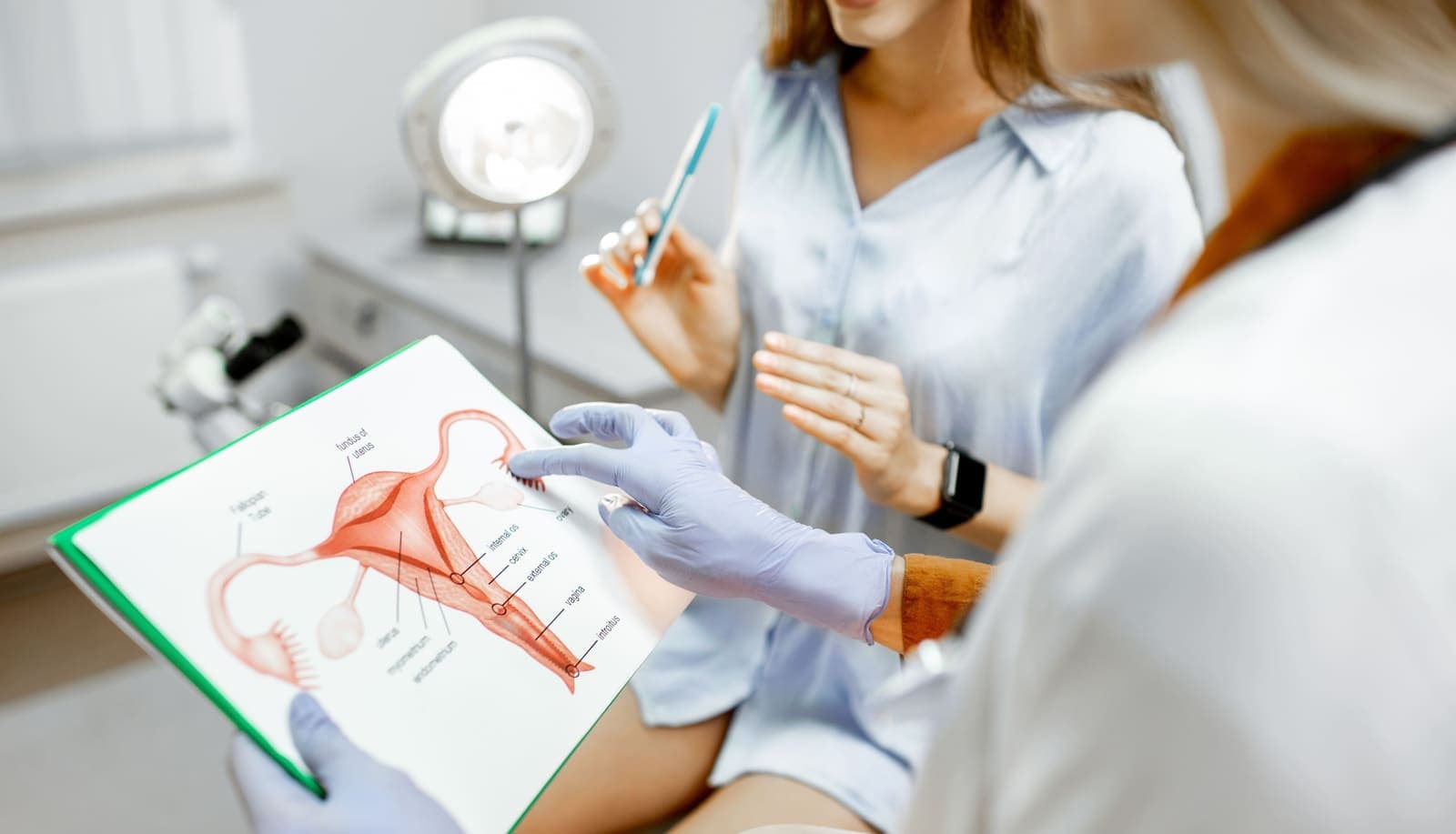
A woman explaining her problems to a gynecologist.
A Bartholin's cyst is one of the most commonly encountered benign vulvar conditions in gynaecological practice. Many women who develop one do not know what the lump is, are alarmed by its sudden appearance, and worry about cancer. Understanding what a Bartholin's cyst is and what to do about it removes most of the anxiety.
Dr. Shachi Singh, consultant gynaecologist at Prakash Hospital, Sector 33, Noida, explains.
What the Bartholin's Glands Are
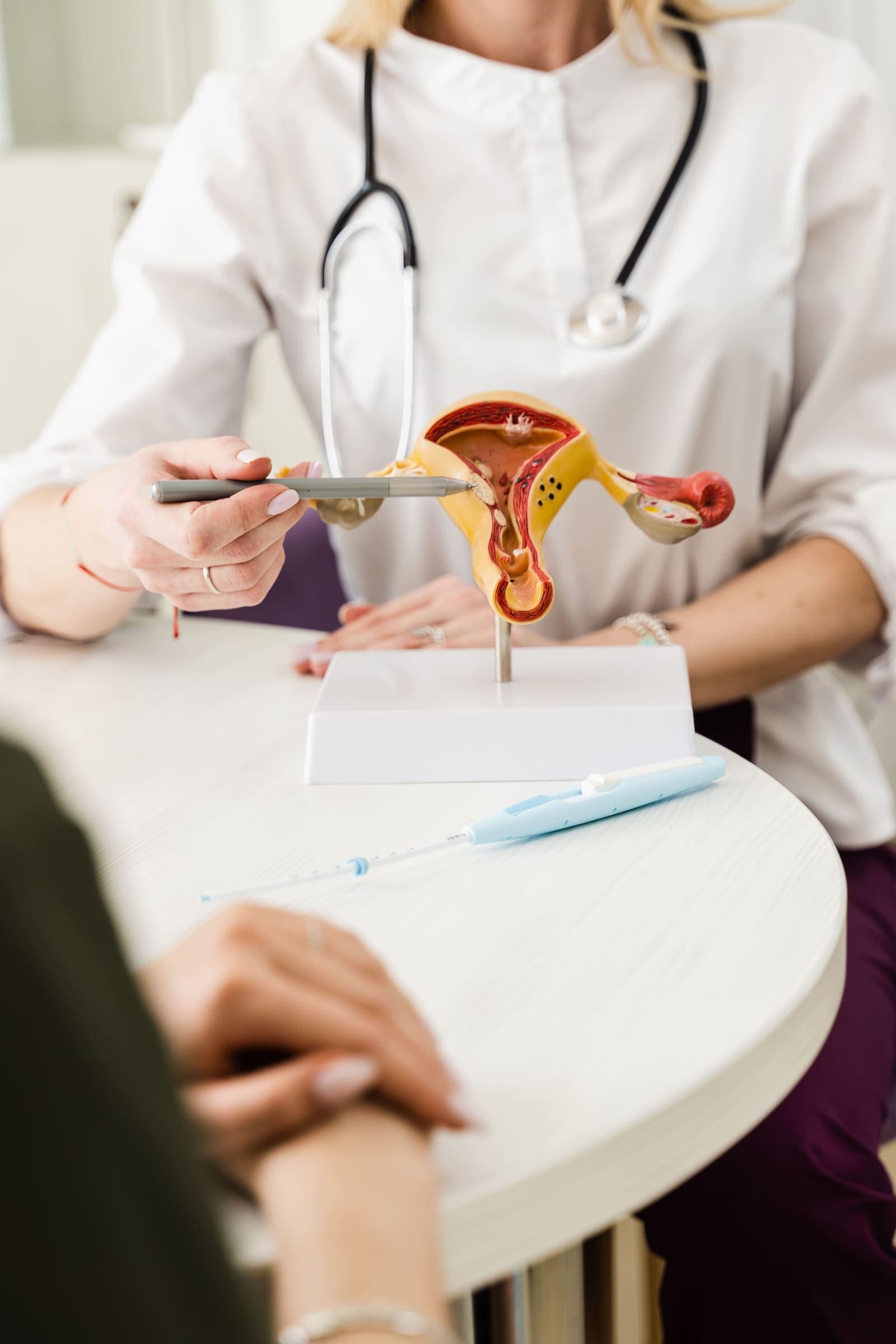
The Bartholin's glands are a pair of small glands — roughly pea-sized — located on either side of the vaginal opening (introitus), at the 4 and 8 o'clock positions. Their role is to produce a small amount of mucus that lubricates the vaginal entrance, particularly during sexual arousal. Each gland has a small duct through which its secretions drain to the vaginal surface.
How a Bartholin's Cyst Forms
When the duct of a Bartholin's gland becomes blocked — from swelling, thickened secretions, or inflammation — the gland's secretions cannot drain. They accumulate within the gland itself, forming a fluid-filled sac: a Bartholin's cyst.
Bartholin's cysts range in size from a small, barely noticeable lump to a large, prominent swelling several centimetres in diameter. Many small cysts cause no symptoms and are noticed incidentally.
When It Becomes an Abscess
If bacteria enter the blocked cyst — either from normal skin flora, vaginal bacteria, or occasionally sexually transmitted organisms such as chlamydia or gonorrhoea — the cyst contents become infected and pus-filled, forming a Bartholin's abscess. An abscess is distinctly different from a cyst: it is acutely painful, tender, hot, and often rapidly enlarging. The pain may be severe enough to make sitting, walking, and intercourse impossible.
Symptoms
1. Bartholin's cyst:
- A lump at the side of the vaginal opening — soft, smooth, typically painless unless it is large
- A feeling of fullness or mild discomfort when sitting or walking with a larger cyst
- Often found incidentally during a gynaecological examination
2. Bartholin's abscess:
- Sudden onset severe pain in the vulvar area
- A rapidly growing, very tender, warm, red swelling at the vaginal opening
- Difficulty sitting, walking, and intercourse
- Sometimes fever if the infection is significant
Who Gets Them
Bartholin's cysts most commonly occur in women of reproductive age — the glands are most active hormonally. They are less common after menopause. In postmenopausal women, any new Bartholin's gland lump requires biopsy to exclude the rare Bartholin's gland carcinoma.
Treatment
1. Small, asymptomatic cysts: No treatment required. Many resolve spontaneously. Warm sitz baths (soaking in warm water for 10 to 15 minutes, 3 to 4 times daily) may help the duct reopen and drain naturally.
2. Symptomatic or enlarging cysts: Require treatment to drain and prevent abscess formation.
3. Bartholin's abscess: Always requires drainage — incision and drainage (I&D) or the preferred procedure below.
4. Surgical options
5. Word catheter insertion: A small balloon catheter is inserted into the cyst/abscess under local anaesthesia, allowing continuous drainage for 4 to 6 weeks while the duct re-epithelialises and becomes a permanent drainage channel. The simplest and most commonly used approach.
6. Marsupialization: The cyst wall is surgically opened and sutured open to create a permanent drainage opening. More definitive than a Word catheter. Done under local or general anaesthesia.
7. Excision: Complete removal of the Bartholin's gland and cyst. Reserved for recurrent cysts or for postmenopausal women where biopsy is needed to exclude malignancy. More extensive procedure, higher risk of scarring.
Gynaecological Care in Noida and Greater Noida
Dr. Shachi Singh at Prakash Hospital, Sector 33, Noida, treats Bartholin's cysts and abscesses for women across Noida and Greater Noida.
To book a consultation with Dr. Shachi Singh, call: +91 97023 46853
Clinic Hours: Monday to Saturday, 9 AM – 6 PM | Sunday, 10 AM – 2 PM
This blog is for informational purposes only. Please consult Dr. Shachi Singh for assessment specific to your situation.