Pre-Conception Nutrition: What to Eat, Take, and Avoid Before You Conceive
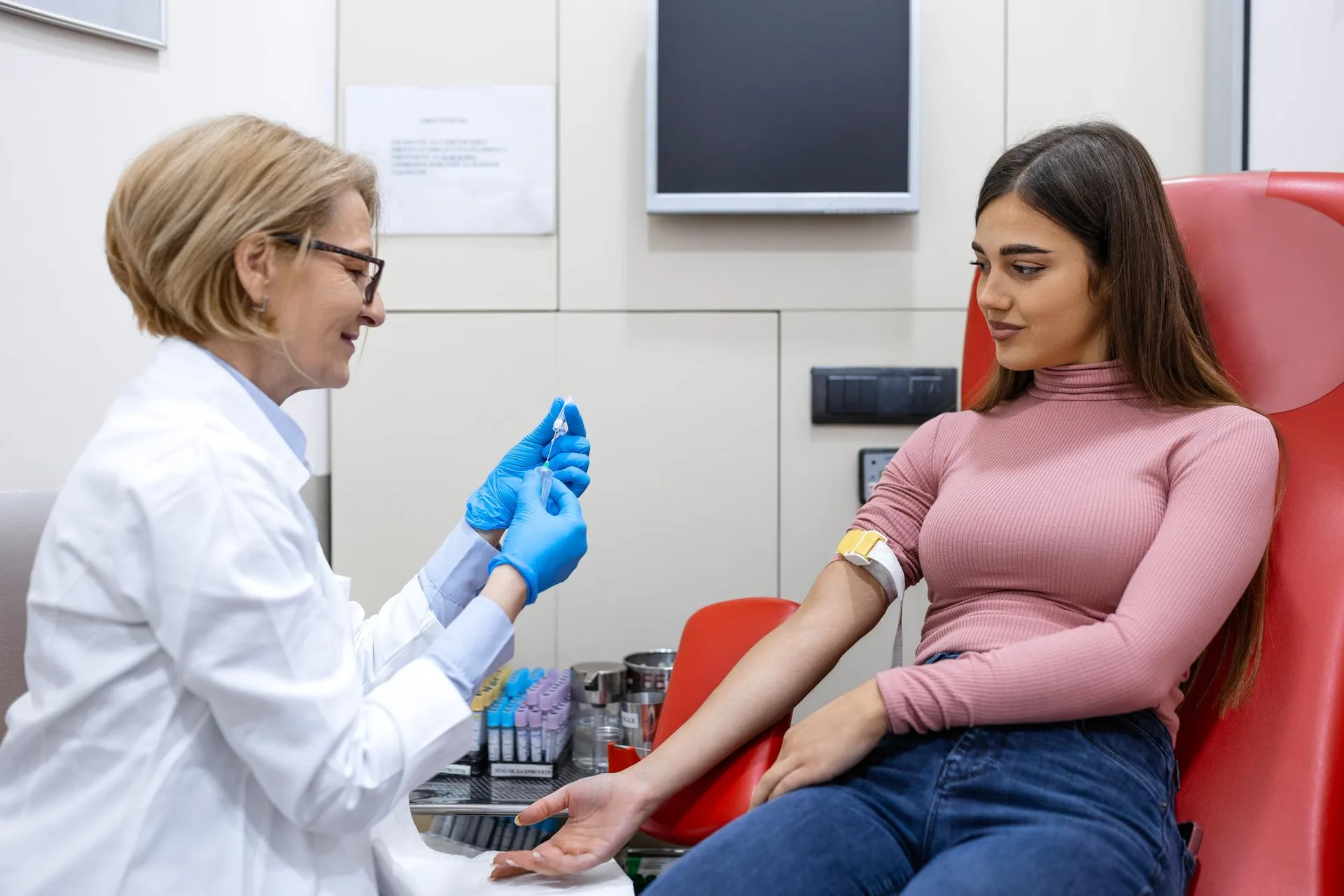
The doctor holds a syringe as the female patient is in the medical chair, having blood extracted.
The most important nutritional decisions in a pregnancy are not made at 8 weeks when the first antenatal appointment happens. They are made in the 3 months before conception. Neural tube development — including the formation of the brain and spinal cord — is complete by 6 weeks of pregnancy. Most women do not know they are pregnant at 6 weeks. Which means the folate that prevents neural tube defects needs to be on board before the pregnancy begins.
Pre-conception nutrition matters. Here is what the evidence supports.
Dr. Shachi Singh, consultant obstetrician at Prakash Hospital, Sector 33, Noida, explains.
The Single Most Important Supplement: Folic Acid
Why: Folic acid (the synthetic form of vitamin B9) is essential for DNA synthesis and neural tube formation. Deficiency in the peri-conception period increases the risk of neural tube defects (NTDs) — spina bifida and anencephaly — dramatically.
How much: 400 micrograms (mcg) daily for women at average risk — started at least 1 month before trying to conceive and continued through the first trimester (12 weeks). 5 mg daily for women at higher risk: previous NTD-affected pregnancy, personal or family history of NTD, diabetes, on anticonvulsant medications (sodium valproate, carbamazepine), obesity (BMI above 30).
Food sources: Dark green leafy vegetables (palak, methi, sarson, broccoli), legumes (dal, rajma, chana), fortified foods. Food sources alone are not sufficient to guarantee the required intake — supplementation is essential regardless of diet quality.
Key message: If you are trying to conceive — start folic acid today, not after you get a positive test.
Other Important Supplements
Iron: Pre-pregnancy iron stores significantly affect how well a woman tolerates the blood volume expansion of pregnancy and the iron demands of the growing fetus. Women with iron deficiency or anaemia should correct it before conception — not just during pregnancy. Ferritin target above 30 ng/mL before conception.
Vitamin D: Deficiency is near-universal in urban Indian women. Vitamin D supports implantation, placental development, and fetal bone mineralisation. Correct to adequate levels (30+ ng/mL) before conception. Standard correction: 60,000 IU weekly for 8 to 12 weeks, then 1,000 to 2,000 IU daily maintenance.
Iodine: Essential for fetal thyroid hormone production and brain development. India has endemic iodine deficiency in many regions. Using iodised salt routinely, and a prenatal supplement containing 150 to 200 mcg iodine, covers requirements. Important: avoid high-dose iodine supplements — excess is as harmful as deficiency.
DHA (Omega-3): DHA is critical for fetal brain development, particularly in the third trimester. Starting omega-3 supplementation (200 to 400 mg DHA daily) before conception ensures adequate stores from early pregnancy.
What about a prenatal multivitamin? A good prenatal multivitamin covers folic acid, iron, iodine, Vitamin D, and DHA in appropriate doses — a practical single supplement option. Check the label for folic acid 400 mcg minimum. But for women with documented deficiencies (iron, vitamin D), targeted supplementation at therapeutic doses is additional to the prenatal multi.
What to Eat: The Pre-Conception Diet
Protein — every meal: Adequate protein intake supports egg quality, hormonal synthesis, and tissue repair. Sources: dal, legumes, curd, paneer, eggs, fish, chicken. Aim for 50 to 60 grams of protein daily.
Folate-rich foods daily: Palak, methi, sarson, moong dal, rajma, chana, fortified wheat — in addition to supplementation.
Iron-rich foods with Vitamin C: Red meat (if non-vegetarian) — highly bioavailable haem iron. For vegetarians: spinach, drumstick leaves (moringa), horse gram, rajma, seeds — combined with amla, lemon, or tomato to improve absorption.
Complex carbohydrates: Whole wheat chapati, brown rice, jowar, bajra, ragi — rather than refined maida-based products. Complex carbohydrates maintain stable blood glucose, supporting reproductive hormonal balance.
Healthy fats: Ghee (in moderation), nuts, seeds, avocado (increasingly available in India), oily fish. Fat is essential for steroid hormone synthesis — severely fat-restricted diets disrupt reproductive hormones.
Rainbow vegetables and fruits: Antioxidants in colourful vegetables and fruits reduce oxidative stress — particularly relevant for egg quality. Tomatoes (lycopene), carrots (beta-carotene), amla (Vitamin C), and all dark green leafy vegetables.
What to Avoid Before Conception
Alcohol: No safe amount during pre-conception or pregnancy. Stop when trying to conceive — not after the positive test.
Smoking: Stop before attempting conception. Smoking reduces fertility, increases miscarriage risk, and damages egg DNA. Partners should also stop — passive smoke exposure is harmful.
Excessive caffeine: Reduce to below 200 mg per day (approximately 2 cups of tea or 1 cup of coffee). Very high caffeine intake is associated with reduced fertility and increased miscarriage risk.
Raw and undercooked meat, unpasteurised dairy: Risk of Listeria, Salmonella, Toxoplasma — all capable of causing pregnancy complications. Important to eliminate before conception as well as during.
Unprescribed supplements in very high doses: High-dose Vitamin A (retinol form — not beta-carotene) is teratogenic (causes fetal abnormalities) at doses above 10,000 IU. Avoid supplements containing high-dose retinol. Beta-carotene from food is safe.
Pre-Conception Health Checks
In the 3 to 6 months before trying to conceive:
- Check haemoglobin and ferritin — correct anaemia before pregnancy
- Check Vitamin D — correct deficiency
- Check TSH — thyroid disease should be optimised (TSH ideally below 2.5) before conception
- Ensure rubella immunity — non-immune women should be vaccinated at least 1 month before conceiving
- Review all medications for pregnancy safety
- Dental check — gum disease is associated with preterm birth
- Cervical smear if due
Obstetric and Pre-Conception Care in Noida and Greater Noida
Dr. Shachi Singh at Prakash Hospital, Sector 33, Noida, provides pre-conception consultation and health optimisation for women planning pregnancy across Noida and Greater Noida.
To book a pre-conception consultation, call: +91 97023 46853
Clinic Hours: Monday to Saturday, 9 AM – 6 PM | Sunday, 10 AM – 2 PM
Address: D-12A, 12B, Sector-33, G.B. Nagar, Noida, UP 201301
This blog is for educational purposes only.