PCOS Myths vs Facts: Correcting What Indian Women Are Wrongly Told

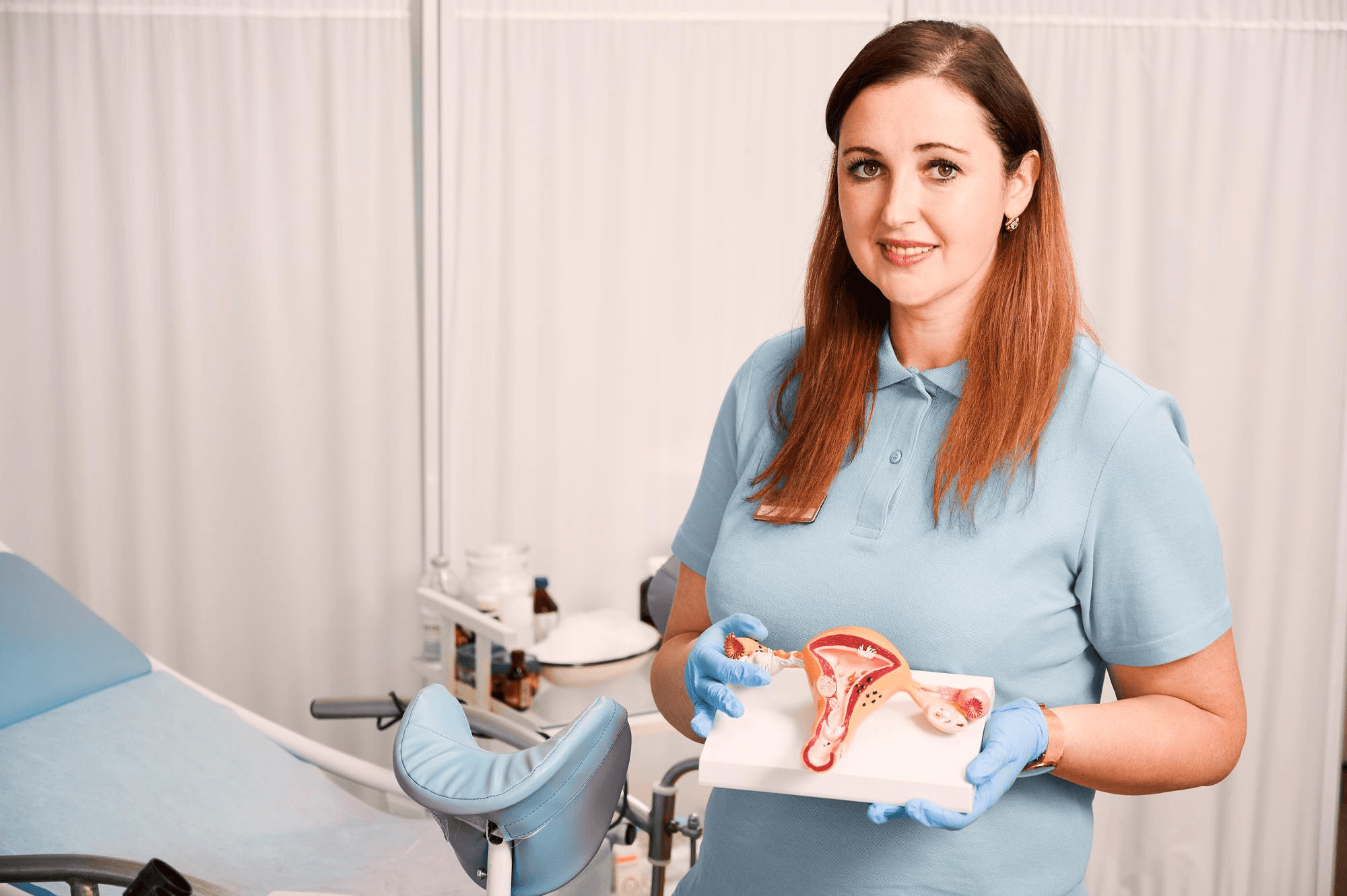
A gynecologist talks with a woman about PCOD and PCOS, going over treatment options, medications, hormone issues, missed periods, fertility questions, and tailoring care for her needs.
PCOS is the most common hormonal disorder in women of reproductive age — affecting 10 to 15% of women in India. It is also the condition most surrounded by myths, misinformation, and cultural misconceptions — from families, from internet forums, and sometimes from well-meaning but outdated medical advice.
Here are the ten most common PCOS myths, and what the evidence actually shows.
Dr. Shachi Singh, consultant gynaecologist at Prakash Hospital, Sector 33, Noida, sets the record straight.
Myth 1: PCOS means you can't get pregnant
Fact: Women with PCOS can and do conceive — many without any medical help. PCOS causes irregular or absent ovulation, which reduces the monthly chance of conception — but does not prevent pregnancy. With lifestyle changes, ovulation induction medications (letrozole or clomiphene), or other fertility treatments, the vast majority of women with PCOS who want children achieve pregnancy. PCOS is a treatable cause of infertility, not infertility itself.
Myth 2: Losing weight cures PCOS
Fact: Weight loss significantly improves PCOS symptoms — in overweight women with PCOS, even 5 to 10% body weight loss can restore ovulation, reduce androgens, and improve menstrual regularity. This is genuine and clinically important. But PCOS is not cured by weight loss — the hormonal and metabolic predisposition remains. And critically, not all women with PCOS are overweight. "Lean PCOS" (in women with normal BMI) is common and equally real.
Myth 3: PCOS goes away after marriage / having a baby
Fact: PCOS does not resolve with marriage or pregnancy. This persistent misconception — rooted in the idea that "pregnancy cures PCOS" — is incorrect. PCOS is a lifelong hormonal condition. Pregnancy may temporarily mask some symptoms (no periods, hormonal changes of pregnancy), but PCOS symptoms return postpartum and continue into menopause. Some features of PCOS (particularly androgen-related symptoms) do improve after menopause as the ovaries reduce androgen production, but the metabolic features (insulin resistance, cardiovascular risk) do not disappear.
Myth 4: PCOS is just a problem with the ovaries
Fact: PCOS is primarily a metabolic and hormonal condition — the ovarian changes are a consequence, not the cause. The root pathophysiology is insulin resistance, which drives elevated androgen production in the ovaries and disrupts the HPG axis. Managing PCOS means managing insulin resistance — through diet, exercise, and Metformin where needed — not just treating the ovaries.
Myth 5: If your scan doesn't show cysts, you don't have PCOS
Fact: The "polycystic ovaries" in PCOS are not actually cysts in the medical sense — they are multiple small follicles arrested at an early stage. And under the Rotterdam diagnostic criteria, PCOS can be diagnosed without polycystic ovarian morphology on ultrasound if the other two criteria (irregular cycles + hyperandrogenism) are met. An ultrasound showing normal ovaries does not exclude PCOS.
Myth 6: The combined pill "treats" PCOS
Fact: The combined OCP (like Diane-35) regulates periods, reduces androgen-related symptoms (acne, hair), and prevents endometrial hyperplasia in anovulatory women — these are real, valuable benefits. But the pill does not treat the underlying insulin resistance of PCOS. When the pill is stopped, PCOS features return. Pill use is a management strategy, not a treatment of the underlying condition. Women on the pill for PCOS who want to conceive often discover their underlying hormonal situation has not changed — because the pill was managing symptoms, not the condition.
Myth 7: PCOS only affects women who are overweight
Fact: Lean PCOS — PCOS in women with normal or low BMI — is common. Approximately 20 to 30% of women with PCOS have a BMI in the normal range. Lean women with PCOS typically have more prominent androgen-related features (acne, hirsutism, hair loss) and may have more elevated LH relative to FSH. They can have insulin resistance even at normal weight — measured by fasting insulin and HOMA-IR rather than BMI alone.
Myth 8: Metformin is harmful and addictive
Fact: Metformin is an extremely safe, widely used insulin-sensitising medication that has been in clinical use for decades. It is not addictive, does not cause permanent changes to the body, and does not damage the kidneys or liver in women with normal baseline renal function. It does cause gastrointestinal side effects in some women (nausea, loose stools) — starting at a low dose and taking with food minimises this. Metformin is the most evidence-based pharmacological treatment for the metabolic component of PCOS and is routinely used in pregnancy in GDM management.
Myth 9: You can tell if you have PCOS from your symptoms alone
Fact: PCOS symptoms (irregular periods, acne, excess hair, weight gain) overlap with other conditions — thyroid disorders, hyperprolactinaemia, congenital adrenal hyperplasia, Cushing's syndrome. A proper diagnosis requires blood tests to confirm hyperandrogenism, document anovulation (with LH, FSH, progesterone), exclude alternative diagnoses (TSH, prolactin, 17-OHP), and characterise the metabolic picture (fasting glucose, insulin, lipid profile). Self-diagnosing PCOS from symptoms — or from a polycystic-appearing scan alone — leads to incorrect management.
Myth 10: PCOS is just a reproductive problem and doesn't affect long-term health
Fact: Women with PCOS have significantly elevated lifetime risks of: type 2 diabetes (4 to 9 times the general population risk), cardiovascular disease, endometrial cancer (from chronic anovulation causing oestrogen-driven endometrial hyperplasia), and non-alcoholic fatty liver disease (NAFLD). PCOS management is a lifelong health commitment — not just a fertility matter. Annual metabolic monitoring (blood glucose, lipid profile, blood pressure) after PCOS diagnosis is appropriate, particularly if insulin resistance is present.
Gynaecological Care in Noida and Greater Noida
Dr. Shachi Singh at Prakash Hospital, Sector 33, Noida, provides accurate, evidence-based PCOS diagnosis and management for women across Noida and Greater Noida.
To book a PCOS consultation, call: +91 97023 46853
Clinic Hours: Monday to Saturday, 9 AM – 6 PM | Sunday, 10 AM – 2 PM
Address: D-12A, 12B, Sector-33, G.B. Nagar, Noida, UP 201301
This blog is for educational purposes only.