Colposcopy: What to Expect Before, During, and After

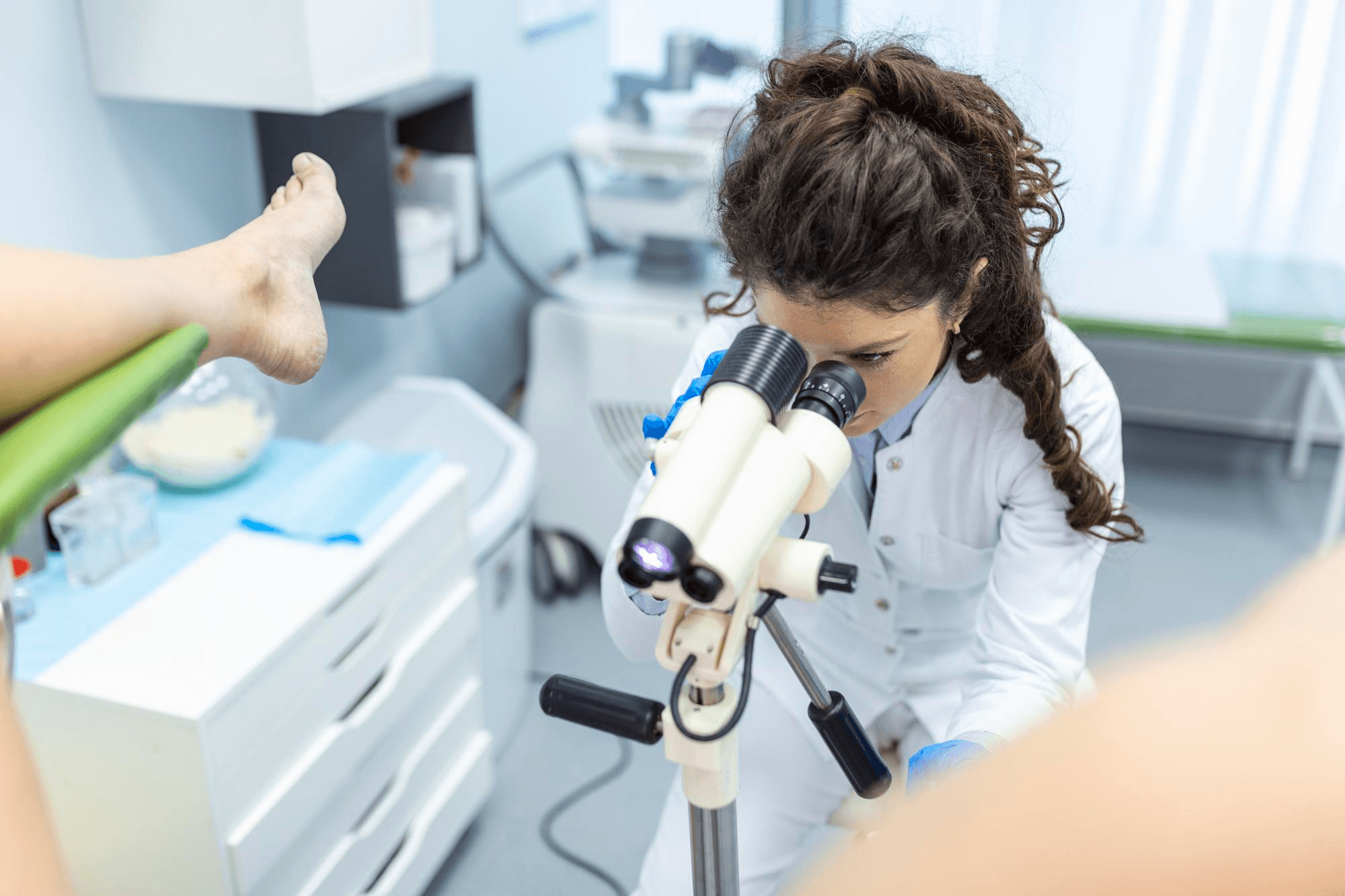
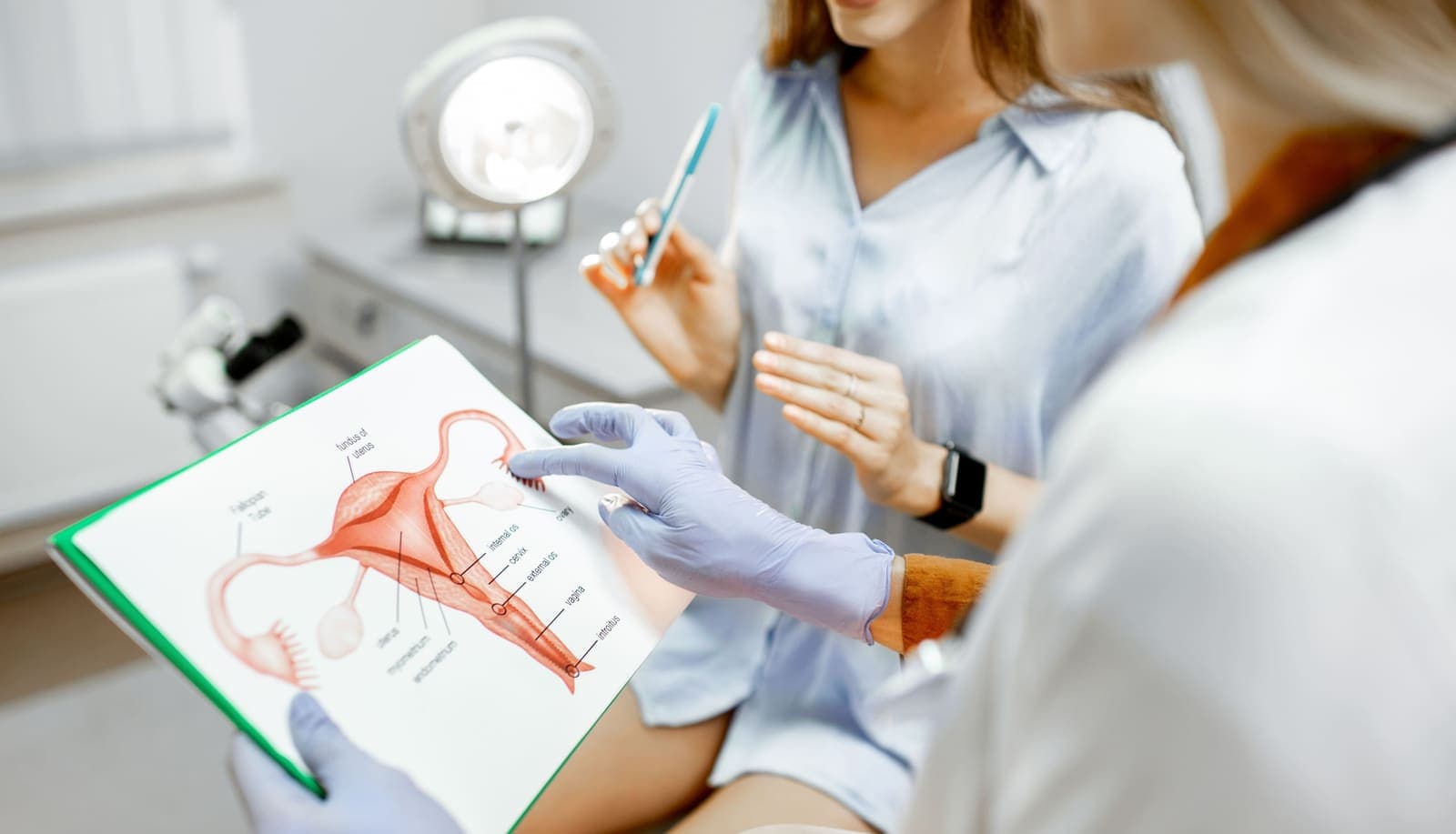
A gynecologist uses a colposcope to carefully examine a patient’s cervix during a close, detailed cervical health check.
Being referred for colposcopy after an abnormal Pap smear result is one of the most anxiety-inducing experiences in gynaecological care — often because the word "colposcopy" is unfamiliar, the reason for the referral is something as frightening as "abnormal cervical cells," and most women have no idea what the procedure actually involves.
Understanding what happens makes the experience significantly less frightening — and allows you to focus on the information from the procedure rather than the procedure itself.
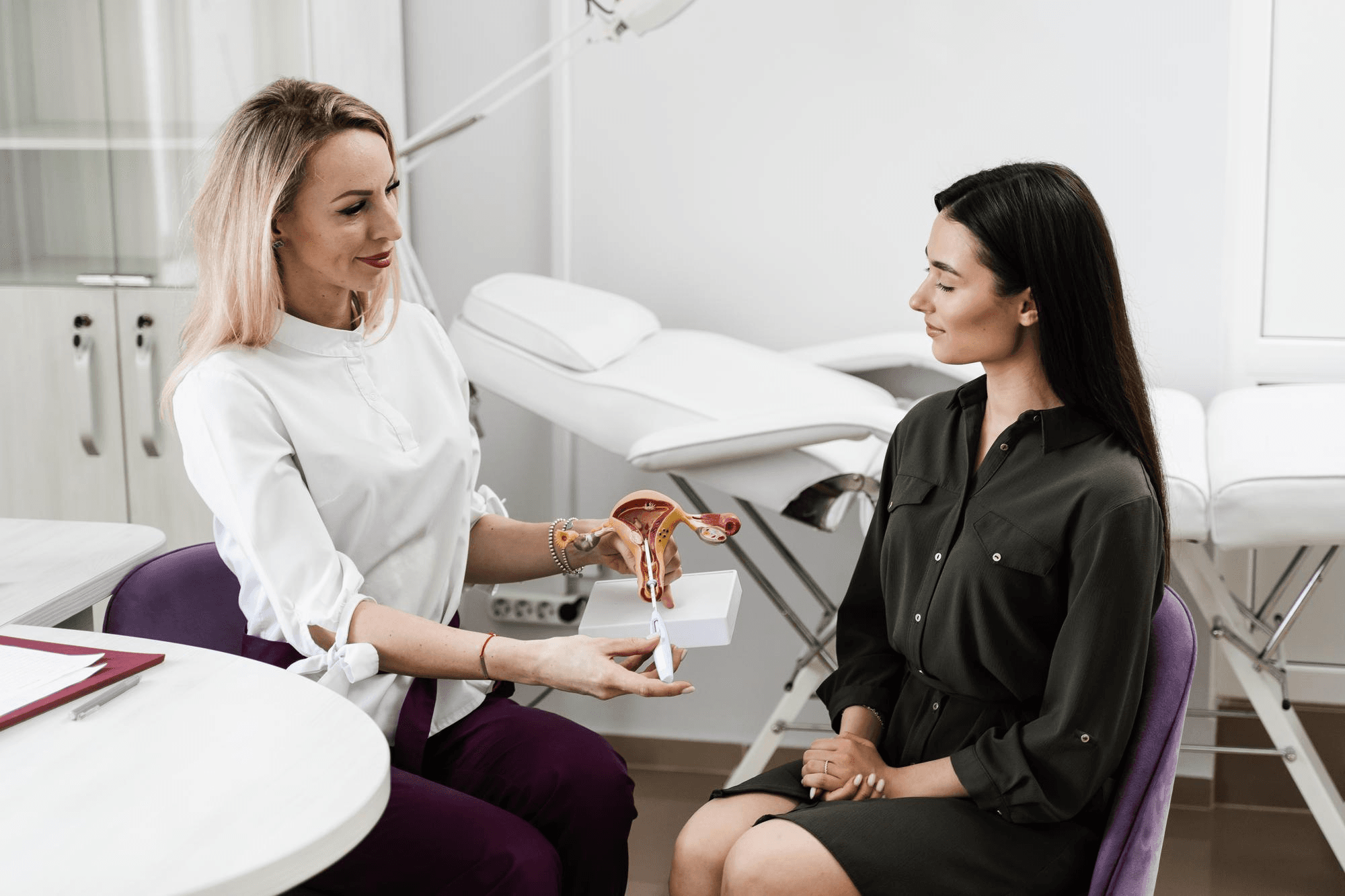
Dr. Shachi Singh, consultant gynaecologist at Prakash Hospital, Sector 33, Noida, explains colposcopy in full.
Why Colposcopy Is Done
Colposcopy is performed when:
- A Pap smear result shows LSIL (low-grade changes), HSIL (high-grade changes), ASCUS with positive HPV, AGC (glandular cell abnormality), or ASCUS-H
- HPV testing shows a high-risk type (particularly HPV 16 or 18) even with a normal smear
- A gynaecologist identifies a suspicious-looking area on the cervix at clinical examination
- There is unexplained postcoital bleeding
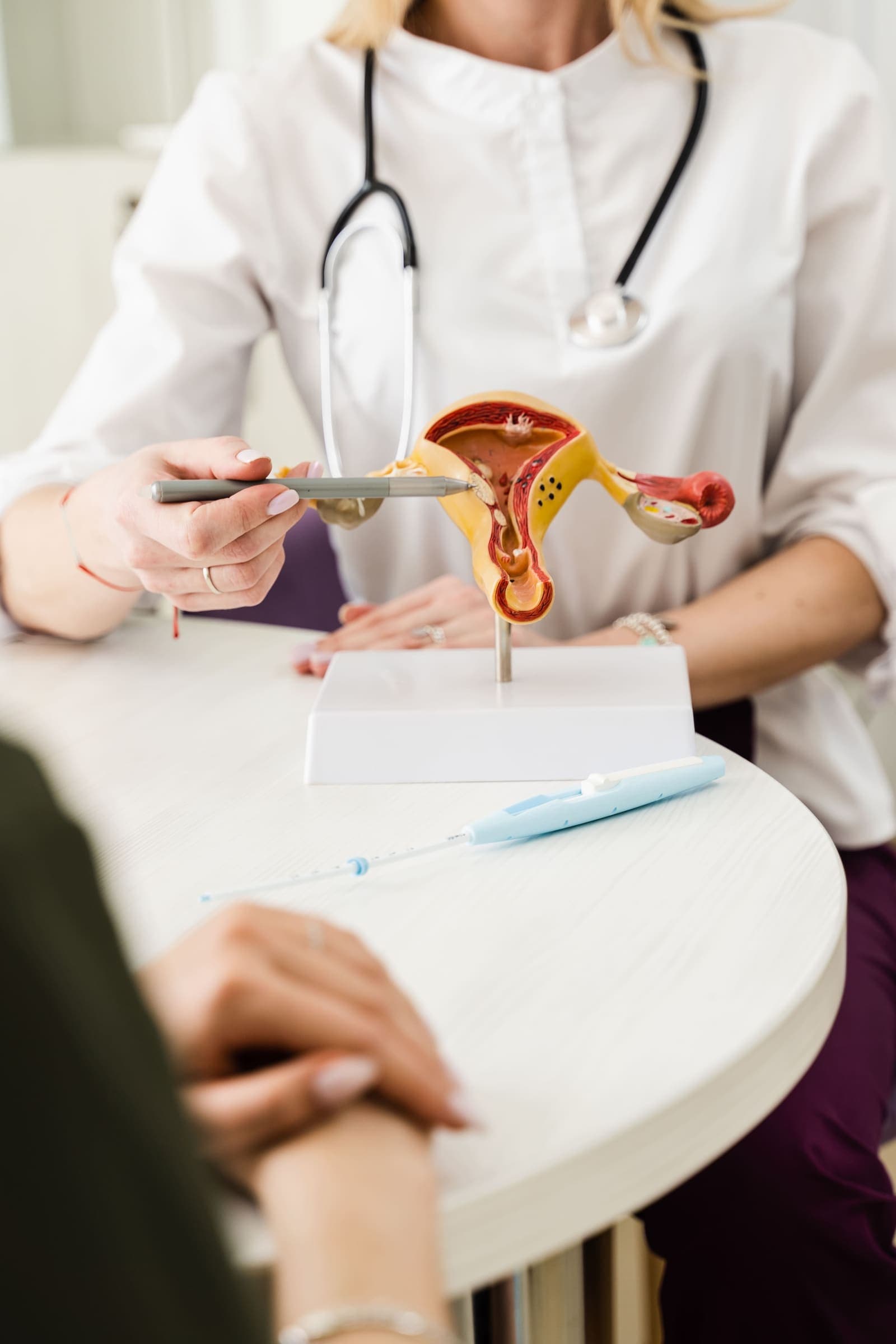
Colposcopy allows a more detailed look at the cervix under magnification — identifying abnormal areas that need biopsy to characterise their severity.
What Colposcopy Is
A colposcope is a large magnifying instrument — essentially a high-powered microscope on a stand — positioned outside the body. It does not enter the vagina. The gynaecologist looks through the colposcope while a speculum (the same instrument used for a Pap smear) keeps the vagina open.
Two solutions are applied to the cervix during the procedure
Acetic acid (dilute vinegar): Temporarily makes abnormal (pre-cancerous) cells turn white — this is the "acetowhite" reaction. Normal cells do not turn white. The pattern and intensity of whitening, and the sharpness of its borders, helps characterise the severity of any abnormality.
Lugol's iodine: Normal cervical cells (which contain glycogen) stain brown with iodine. Abnormal cells do not stain — appearing pale yellow against the brown background. Highlights any areas not already clearly identified by acetic acid.
Will It Hurt?
The speculum insertion is the same as a Pap smear. Applying the acetic acid and iodine is not uncomfortable — you may notice a very slight stinging or odour.
If a biopsy is taken: this is where most women's anxiety is concentrated. A cervical biopsy involves taking a small sample of tissue from the abnormal area — typically with a small punch forceps. Most women describe this as a sharp pinch lasting less than a second, followed by mild cramping. It is not painless, but for the majority of women it is manageable. The cervix has fewer pain nerve fibres than surrounding tissues — local anaesthetic is not always needed for a biopsy, though it can be offered.
Some women have minimal pain; some find it moderately uncomfortable. It is over in seconds.
During the Procedure: Step by Step
- You undress from the waist down and lie on the examination couch
- The speculum is inserted and opened — the cervix is brought into view
- The colposcope is positioned outside your body — you will see the doctor looking through it
- Acetic acid is applied — wait 1 to 2 minutes for the reaction
- The transformation zone is examined — the doctor maps the area
- Iodine is applied
- If biopsy is needed: the area is grasped and a small sample is taken — 1 to 2 seconds of sensation
- An endocervical sample (cells from inside the cervical canal) may be taken separately
- Any minor bleeding from the biopsy site is controlled with a solution or cautery
- The speculum is removed — the procedure is done
The whole procedure takes 10 to 20 minutes.
After the Procedure
Discharge: A brownish or black discharge for 2 to 4 days — from the solution used to control bleeding after biopsy. This is normal and expected.
Cramping: Mild period-like cramping for a few hours after — paracetamol is adequate.
Bleeding: Light spotting for 2 to 3 days is expected. If bleeding is heavier than a normal period, contact your doctor.
After biopsy — for 1 week:
- No penetrative intercourse
- No tampons
- No swimming
- Avoid strenuous exercise for 48 hours
When to contact your doctor:
- Heavy bleeding (soaking a pad)
- Fever above 38°C
- Offensive smelling discharge (suggesting infection)
- Worsening rather than improving pain
What Biopsy Results Mean
Results take 1 to 3 weeks. They are classified as
No abnormality / Inflammatory change: The area looked different under acetic acid but biopsy shows no CIN. Continue routine surveillance.
CIN 1 (mild dysplasia / LSIL): Most CIN 1 resolves spontaneously with immune clearance of HPV — typically managed with surveillance (repeat smear and/or colposcopy in 12 months) rather than immediate treatment.
CIN 2 (moderate dysplasia): Intermediate — approximately 50% regresses, 20% progresses to CIN 3 if left. Most guidelines recommend treatment, though some allow surveillance in young women (under 25) who are good attenders.
CIN 3 (severe dysplasia / high-grade): Treatment is recommended — LEEP/LLETZ (loop excision) or cold knife cone biopsy. CIN 3 is pre-cancerous but not cancer. Treatment is curative in the vast majority of cases.
Invasive cancer found: Urgent referral to a gynaecological oncologist.
Gynaecological Care in Noida and Greater Noida
Dr. Shachi Singh at Prakash Hospital, Sector 33, Noida, performs colposcopy and cervical biopsy — and manages all grades of cervical abnormality including LEEP/LLETZ treatment — for women across Noida and Greater Noida.
To book a colposcopy consultation, call: +91 97023 46853
Clinic Hours: Monday to Saturday, 9 AM – 6 PM | Sunday, 10 AM – 2 PM
Address: D-12A, 12B, Sector-33, G.B. Nagar, Noida, UP 201301
This blog is for educational purposes only.