Women's Health After 40: What to Check, When to Check It, and Why

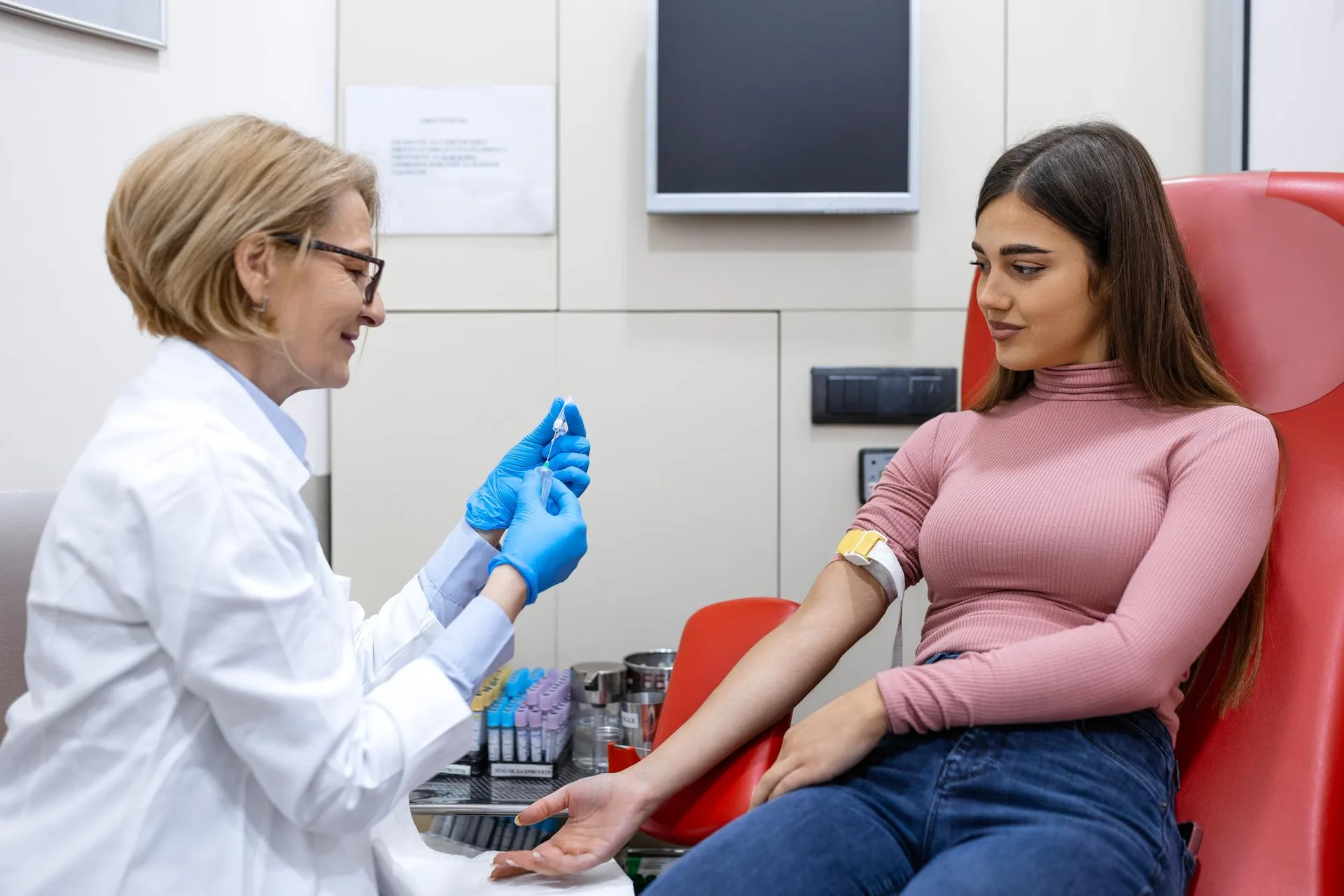
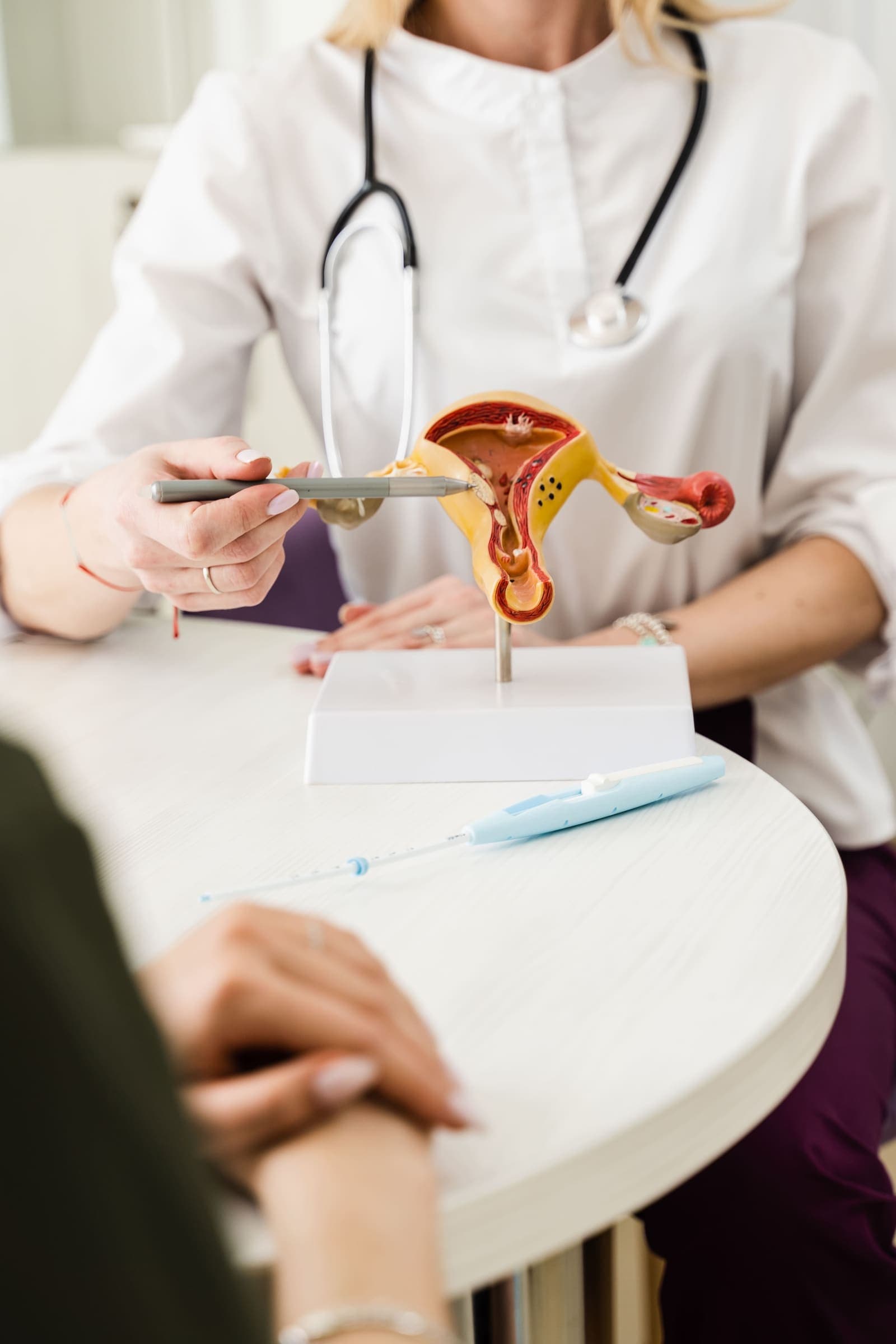
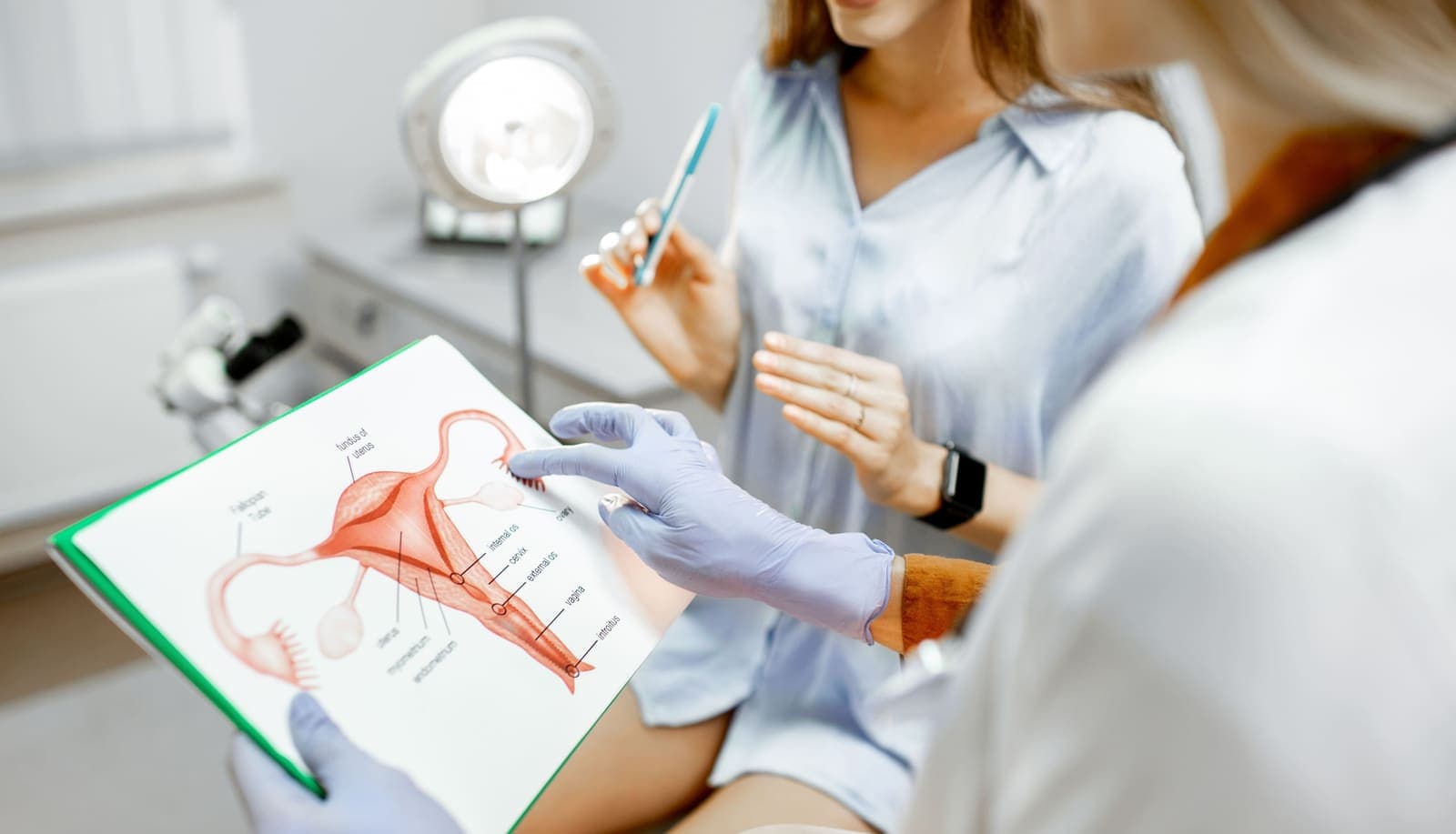
A doctor discussing a women patient about her health.
The 40s are when prevention stops being optional. The hormonal shifts of perimenopause begin. Cardiovascular risk factors start climbing. Cancer screening becomes genuinely consequential. Many conditions that were asymptomatic in the 30s become detectable — and treatable — in the 40s if sought actively.
Most of these are not diseases. They are check-ins — annual housekeeping on a body that has been working hard.
Dr. Shachi Singh, consultant gynaecologist at Prakash Hospital, Sector 33, Noida, explains the complete health checklist for women after 40.
Gynaecological Checks
Cervical smear (Pap test): Every 3 years (cytology alone) or every 5 years (co-testing with HPV). If you have not had a smear in the last 3 to 5 years — this is the most urgent gap to address. Cervical cancer is almost entirely preventable with regular screening.
Pelvic examination: Annual clinical examination detects uterine or adnexal masses that may not produce symptoms.
Pelvic ultrasound: Not necessarily annual for all women, but warranted if there are symptoms (irregular bleeding, pelvic pain, bloating) or if the pelvic examination is equivocal.
Endometrial assessment: Any abnormal uterine bleeding after 40 — intermenstrual, postcoital, or abnormally heavy — requires investigation. Transvaginal ultrasound and endometrial biopsy where indicated.
Ovarian cancer symptom awareness: Persistent bloating, early satiety, pelvic pain, urinary urgency on most days for 3 or more consecutive weeks — seek assessment without delay.
Breast Health
Breast self-examination: Monthly. Know your normal. Any new lump, skin change, nipple inversion, or nipple discharge needs assessment.
Clinical breast examination: At each annual gynaecological visit.
Mammogram: In India, most guidelines recommend starting mammographic screening at 40 to 45 in average-risk women. Women with a first-degree relative with breast cancer, BRCA mutation carriers, or prior history of chest wall radiation should start earlier and discuss supplemental MRI screening with their doctor.
Metabolic and Cardiovascular Health
Blood pressure: Annually. Target below 130/80 mmHg. Hypertension typically becomes more common in the 40s, particularly in perimenopause when oestrogen's vasodilatory protection begins to wane.
Fasting lipid profile: Total cholesterol, LDL, HDL, triglycerides. LDL rises at perimenopause — important to establish a baseline and track. Every 1 to 2 years, or annually if levels are elevated or there is cardiovascular risk.
Fasting blood glucose and HbA1c: Every 1 to 2 years for women with PCOS, obesity, family history of diabetes, or previous GDM. Every 3 years for average-risk women.
BMI and waist circumference: Weight and waist are tracked because central adiposity (waist above 80 cm in women) is the strongest metabolic risk marker — more so than total weight. Menopausal fat redistribution to the abdomen can occur even without weight gain.
Thyroid Function
TSH: Every 2 to 3 years for women over 40. Hypothyroidism becomes significantly more common in women in their 40s and 50s — often silently causing fatigue, weight gain, cognitive changes, and worsening lipid profile before it is detected. TPO antibodies should be checked if TSH is borderline or there is a family history of thyroid disease.
Bone Health
Vitamin D level: 25-OH Vitamin D — most urban Indian women are deficient. Annual check or at least establish a baseline. Deficiency at 40 means accelerated bone loss at menopause.
DEXA scan (bone mineral density): Not routinely for all women at 40, but indicated for: women with premature menopause, prolonged steroid use, very low BMI, recurrent fractures, significant risk factors for osteoporosis. Discuss with your doctor.
Calcium intake: Review diet — calcium requirement increases after 40. Dairy (dahi, paneer, milk), sesame seeds, green leafy vegetables. Supplementation if dietary intake is insufficient.
Hormonal Assessment
Perimenopause assessment: From the mid-40s, symptoms of perimenopause — irregular cycles, hot flushes, sleep disturbance, mood changes, vaginal dryness — should be assessed and managed. This is not "just getting older" — it is a manageable hormonal transition.
FSH, LH, oestradiol: Not typically done in every 40-year-old, but useful when perimenopause is uncertain or when the clinical picture needs clarification.
AMH: Relevant for women in their 40s considering future pregnancy — gives a sense of remaining ovarian reserve.
Mental and Emotional Health
Mood assessment: Depression and anxiety are more common in perimenopause than at other life stages — from a combination of hormonal fluctuation, sleep disruption, and often coinciding life stressors (adolescent children, ageing parents, career demands). This is not a character failing. It is a clinical pattern that responds to treatment.
Ask yourself honestly: is my mood consistently low? Is anxiety disproportionately disrupting my life? If yes — speak to your doctor. Not a psychiatrist necessarily — start with your gynaecologist, who manages perimenopausal mood changes routinely.
Dental and Eye Health
Not gynaecological — but worth including because they are commonly deferred. Annual dental check-up. Baseline eye test — presbyopia and glaucoma both become more common in the 40s.
Summary: Annual Well-Woman Check After 40
At minimum, every year from 40 onward:
- Cervical smear (per schedule)
- Clinical breast examination
- Blood pressure
- Fasting glucose and lipid profile
- TSH
- Vitamin D
- Pelvic examination
- Symptom review: bleeding, pain, bladder, bowel, mood
Gynaecological Care in Noida and Greater Noida
Dr. Shachi Singh at Prakash Hospital, Sector 33, Noida, provides comprehensive annual well-woman checks for women in their 40s and beyond, across Noida and Greater Noida.
To book your annual check with Dr. Shachi Singh, call: +91 97023 46853
Clinic Hours: Monday to Saturday, 9 AM – 6 PM | Sunday, 10 AM – 2 PM
Address: D-12A, 12B, Sector-33, G.B. Nagar, Noida, UP 201301
This blog is for educational purposes only.