How to Choose the Right Laparoscopic Surgeon: What to Look For and What to Ask

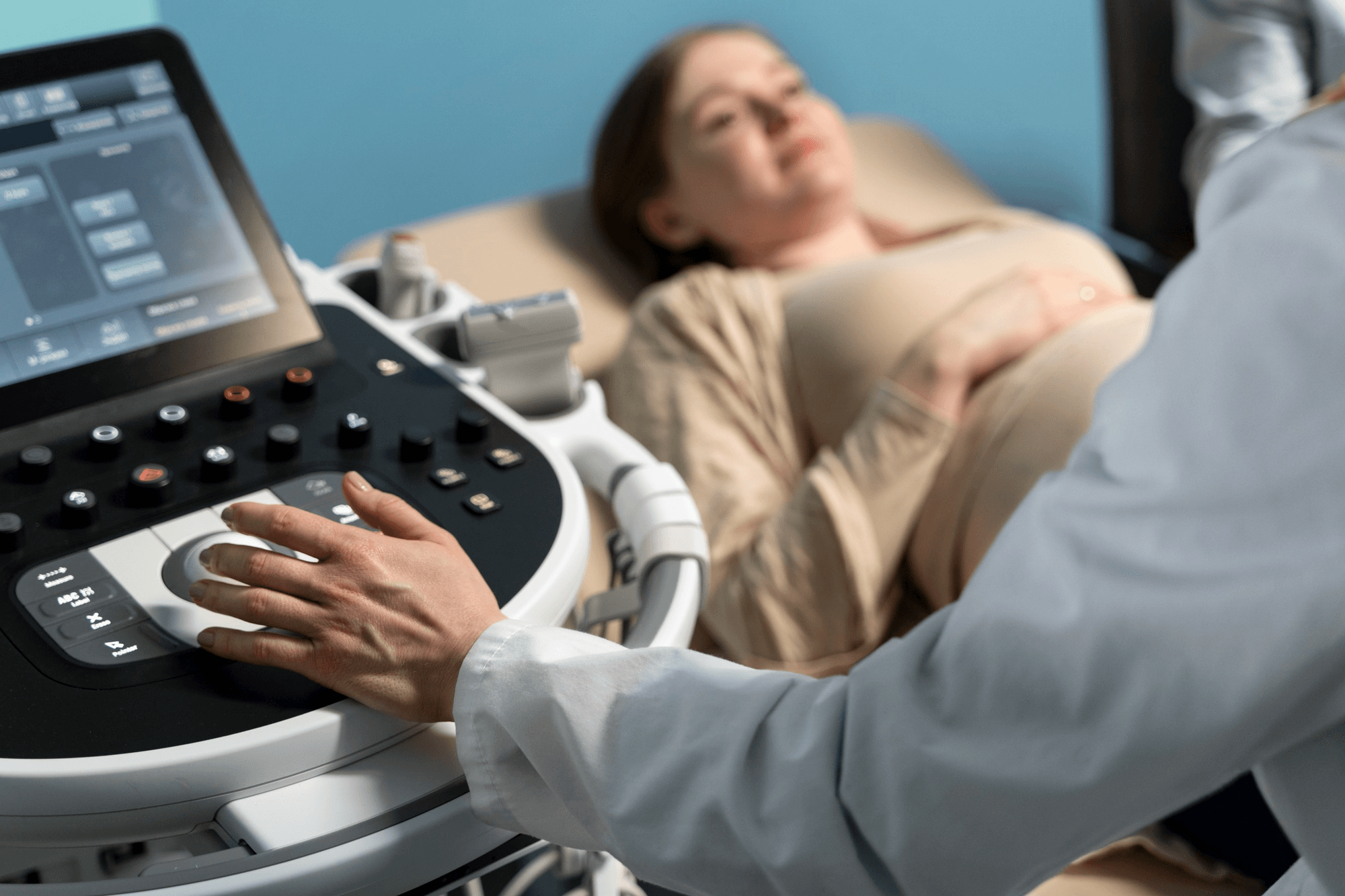
A doctor sits beside a patient, listening with empathy and understanding which can help patients heal emotionally and physically, fostering a more holistic approach to wellbeing.
A recommendation for laparoscopic surgery is simultaneously a recommendation for a specific surgeon. Laparoscopic surgery is a technical skill — and within the category of "gynaecological laparoscopic surgeons," there is a wide range of experience, training, and capability. The gap between an experienced laparoscopic specialist and a surgeon who performs occasional laparoscopy matters in ways that directly affect your outcomes.
This guide helps you ask the right questions and recognise what good answers look like.
Dr. Shachi Singh, consultant laparoscopic surgeon at Prakash Hospital, Sector 33, Noida, provides this honest guide to choosing a laparoscopic gynaecological surgeon.
Why Surgeon Choice Matters More in Laparoscopic Surgery
In open surgery, the surgeon has direct vision, can use both hands freely, and can feel tissue directly. In laparoscopic surgery, vision is through a camera screen, instruments are long and require specific handling skills, and tactile feedback is reduced. These factors mean that laparoscopic surgery has a steeper learning curve and a more significant performance gap between experienced and less experienced practitioners.
For complex procedures — laparoscopic hysterectomy, extensive endometriosis excision, large fibroid removal, adhesiolysis — the difference between a high-volume experienced laparoscopic surgeon and one who performs the procedure infrequently can mean the difference between a 45-minute procedure and a 3-hour one, between a minor blood loss and a transfusion, and between a same-day discharge and a complicated hospitalisation.
What Training to Look For
1. Postgraduate qualification: A gynaecological surgeon should hold MS (Obstetrics and Gynaecology), MD (OBG), or DNB (OBG) from a recognised institution. This is the baseline — not a differentiator.
2. Laparoscopic surgery training: Advanced laparoscopic surgery requires specific training beyond the basic postgraduate degree. Look for:
- Fellowship in Minimal Access Surgery (MAS) or Laparoscopic Surgery from a recognised institution
- Attendance at structured laparoscopic surgery courses (CICE, IAGE-accredited courses, international programmes)
- Training at a high-volume laparoscopic centre
3. Membership in professional bodies: Member of IAGE (Indian Association of Gynaecological Endoscopy), FOGSI (Federation of Obstetric and Gynaecological Societies of India), or international bodies such as ESGE (European Society for Gynaecological Endoscopy) — not guaranteed indicators of quality but markers of engagement with the professional community.
Volume and Experience: The Most Important Factor
In surgery, as in most technical skills, practice determines proficiency. The number of laparoscopic procedures a surgeon performs per year is one of the most reliable proxies for skill.
A surgeon who performs 200 laparoscopic hysterectomies per year is almost certainly more skilled at laparoscopic hysterectomy than one who performs 10. The same applies to ovarian cyst removal, myomectomy, endometriosis excision.
Ask directly: "How many of these specific procedures do you perform per year?" A high-volume laparoscopic surgeon will answer this question readily and specifically. Vagueness or deflection is informative.
For context:
- Diagnostic laparoscopy: any gynaecologist with basic laparoscopic training should perform these regularly
- Laparoscopic cystectomy (ovarian cyst removal): a commonly performed procedure; reasonable to expect 50+ per year from a dedicated laparoscopic surgeon
- Laparoscopic myomectomy: more technically demanding; ask specifically about volume and outcomes
- Total laparoscopic hysterectomy (TLH): the most commonly performed complex laparoscopic procedure; 100+ per year indicates significant experience
- Deep infiltrating endometriosis excision: among the most technically demanding gynaecological procedures; seek surgeons who specifically list this as a subspecialty
The Facility: Equipment and Team Matter Too
A skilled laparoscopic surgeon working with substandard equipment or an untrained team cannot produce the same outcomes as in a well-equipped centre.
Look for:
- Modern laparoscopic tower with HD or 4K camera and visualisation
- Full range of laparoscopic energy devices (bipolar, LigaSure, harmonic scalpel)
- Surgical team experienced in laparoscopic procedures (theatre nurses familiar with the instrument set)
- Anaesthetic team experienced in gynaecological laparoscopy
- Blood bank availability for major procedures
- ICU backup for complex cases
Prakash Hospital, Sector 33, Noida, is equipped with advanced laparoscopic instrumentation and a team experienced in the full range of gynaecological laparoscopic procedures.
10 Questions to Ask Before Agreeing to Surgery
1. Why do I specifically need this surgery — and what happens if I choose not to have it?
Understanding the indication, the natural history of not treating, and the alternatives gives you a basis for genuine informed consent.
2. What exactly will be done during the surgery?
Ask for a clear explanation of the procedure step by step. If you cannot understand the explanation given, ask for a simpler version.
3. How many of these procedures do you perform per year?
Volume is experience. Expect a specific number.
4. What is your conversion rate — how often do you convert laparoscopy to open surgery?
Low conversion rates (below 1 to 2% for routine procedures) indicate high laparoscopic proficiency. Higher rates are not automatically concerning if the case complexity justifies it — but the surgeon should know this number.
5. What are the specific risks of this procedure?
Every surgical procedure has risks. Understand the relevant ones: bleeding, infection, injury to surrounding structures (bladder, ureter, bowel), anaesthetic complications. Ask for incidence rates, not just a list of possibilities.
6. What is the expected recovery — specifically for my case?
General guidance is available online. Your surgeon should be able to give you specific guidance for your situation — size of the cyst, extent of endometriosis, complexity of the planned procedure.
7. What happens if something unexpected is found during surgery?
For example: if a cyst that was expected to be simple turns out to be more complex, or if endometriosis is found during a diagnostic laparoscopy. What is the plan?
8. Will you personally be performing my surgery, or will a trainee?
In teaching hospitals, supervised trainees perform aspects of procedures. You have the right to know who will be operating on you.
9. What is included in the surgical fee — anaesthetist, hospital stay, post-operative visits?
Understand the complete financial picture before consenting.
10. When can I get a second opinion if I want one?
A surgeon confident in their recommendation will not be threatened by a request for a second opinion. Any resistance to second opinions is a red flag.
Red Flags: When to Seek Another Opinion
- A surgeon who cannot specify how many of the proposed procedure they perform annually
- Strong pressure to decide quickly without time to consider or seek a second opinion
- Immediate recommendation of hysterectomy without discussing less invasive alternatives first
- Inability or unwillingness to explain risks clearly
- No pre-operative appointment to discuss the surgery in detail
- Dismissiveness of your questions
Laparoscopic Gynaecological Surgery in Noida and Greater Noida
Dr. Shachi Singh at Prakash Hospital, Sector 33, Noida, is a dedicated laparoscopic gynaecological surgeon with subspecialty training in minimally invasive surgery — performing the full range of gynaecological laparoscopic procedures including TLH, myomectomy, cystectomy, endometriosis excision, LOD, and diagnostic laparoscopy for women across Noida and Greater Noida.
To book a consultation with Dr. Shachi Singh, call: +91 97023 46853
Clinic Hours: Monday to Saturday, 9 AM – 6 PM | Sunday, 10 AM – 2 PM
Clinic Address: D-12A, 12B, Sector-33, G.B. Nagar, Noida, Uttar Pradesh 201301
Frequently Asked Questions
1. Is it appropriate to ask a surgeon how many procedures they perform?
Absolutely. Volume is one of the most reliable predictors of surgical outcomes. Any experienced surgeon will answer this question readily. It is your surgery and your body.
2. Should I always get a second opinion before gynaecological surgery?
For any elective procedure — particularly hysterectomy or other major surgery — a second opinion is reasonable and appropriate. It either confirms the recommendation (giving you confidence to proceed) or raises an alternative perspective worth considering.
3. Does hospital reputation matter as much as surgeon skill?
Both matter. A skilled surgeon at a poorly equipped facility and an average surgeon at a well-equipped one both produce suboptimal outcomes. The combination of an experienced surgeon at an appropriately equipped facility is the goal.
This blog is written for educational and informational purposes only. Please consult Dr. Shachi Singh or a qualified gynaecological surgeon for assessment and surgical planning specific to your condition.