Fertility And Laparoscopic Surgery: Can It Help You Conceive
By Dr. Shachi SinghUpdated

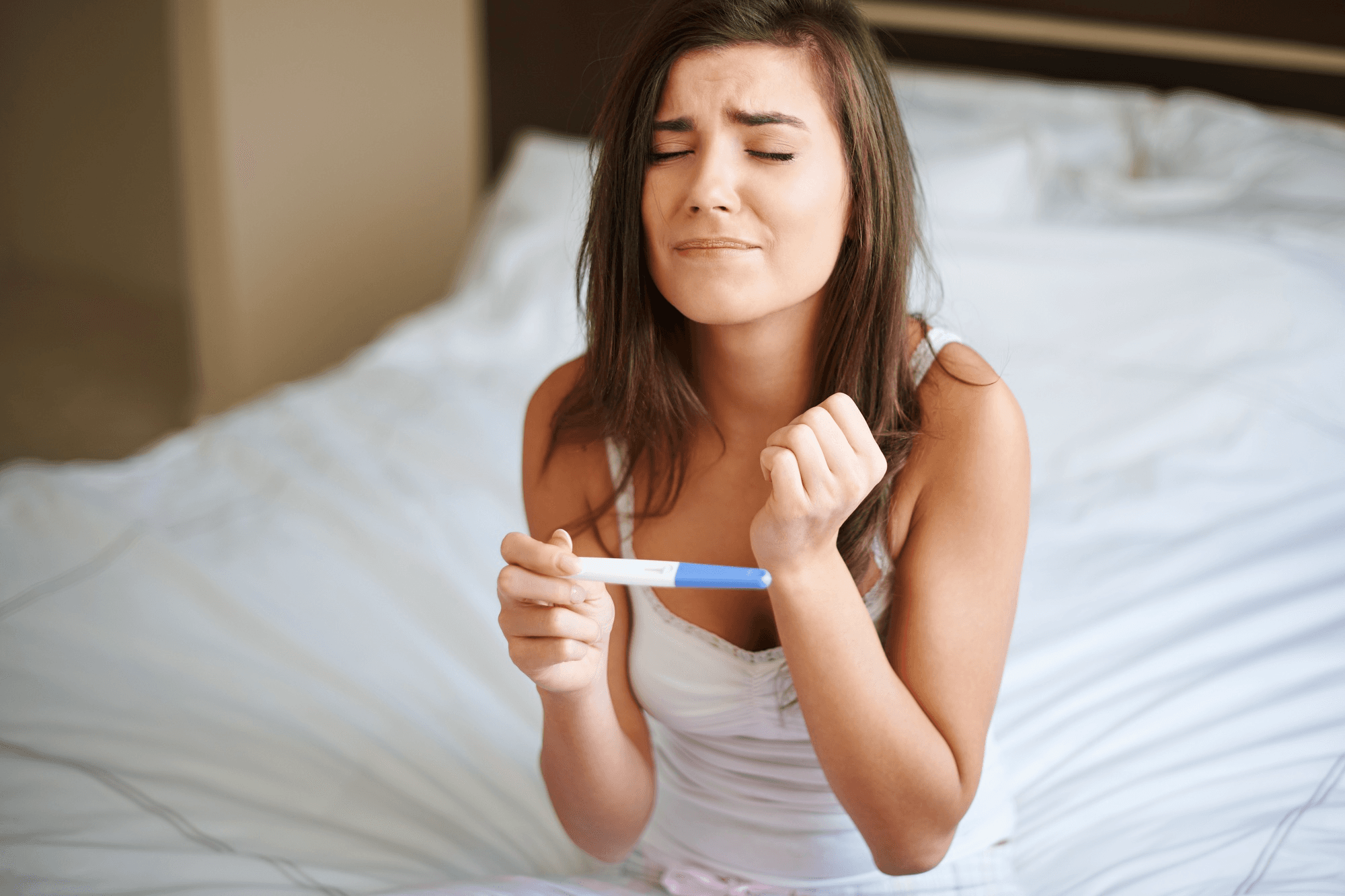
Close up of hands making a heart shape over the abdomen holding a pregnancy test to highlight its indication of pregnancy and crucial timing of prenatal medical attention.
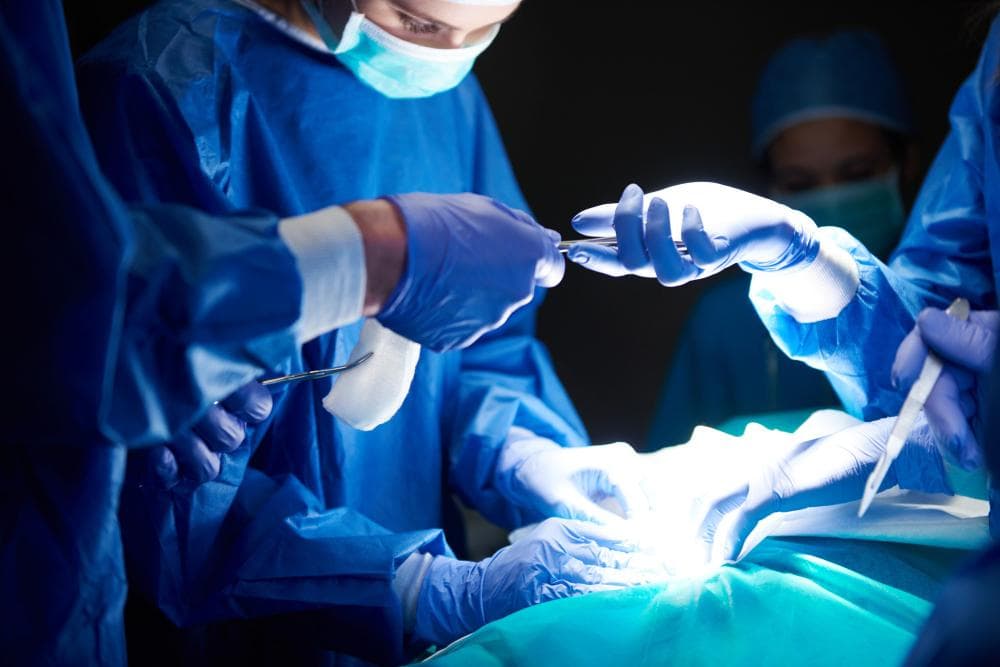
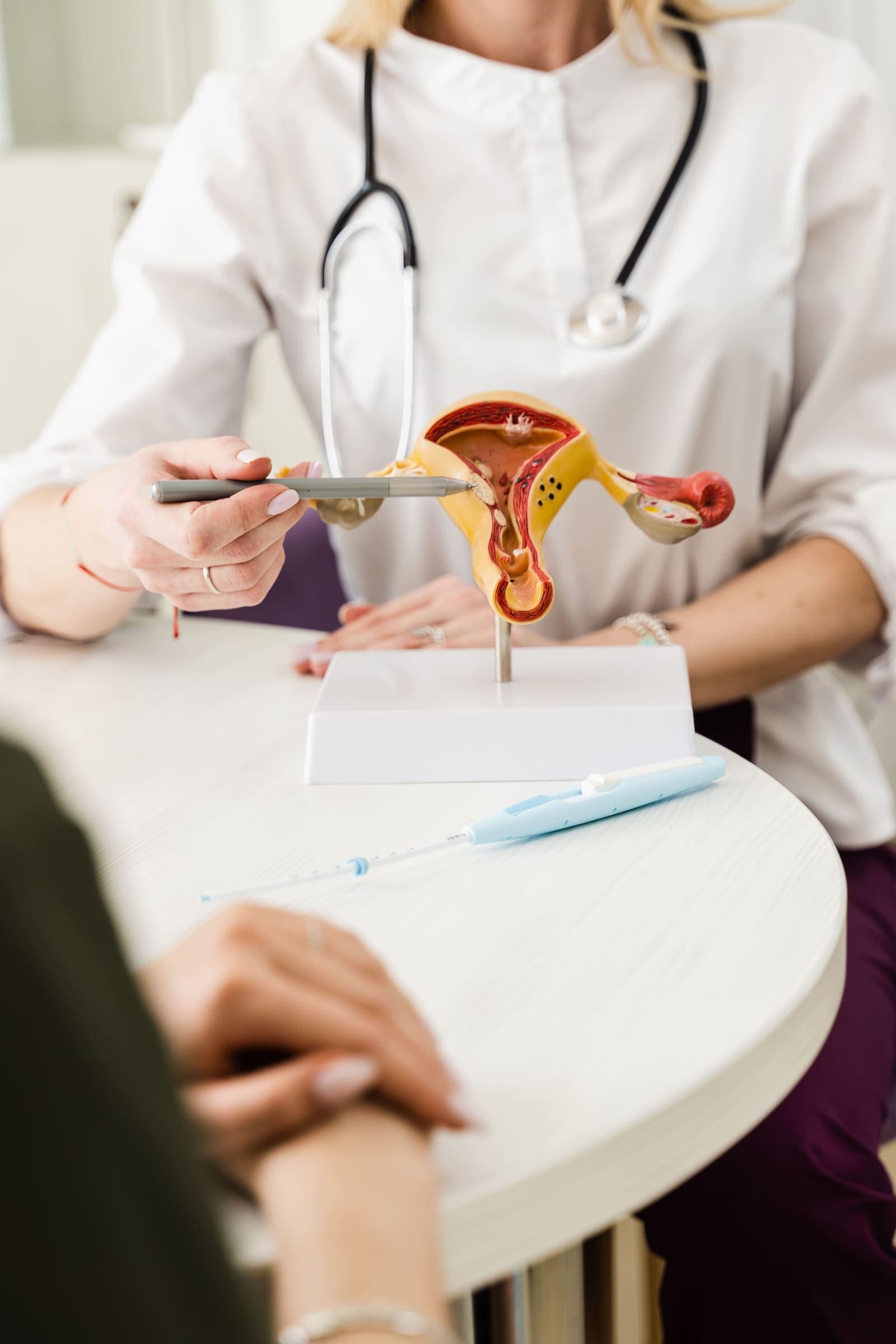
Fertility problems can be a consequence of multiple conditions affecting the reproductive organs. Laparoscopic surgery is an excellent method for the diagnosis and treatment of infertility. Through this minimally invasive procedure, it is possible to directly view and correct anomalies in the female reproductive system, such as endometriosis, tubal blocks, adhesions, and ovarian cyst formation.
By restoring the normal anatomical relationships and functions within the pelvic cavity, laparoscopy has increased pregnancy rates. The benefits to patients are the diminished post-operative pain, shortened recovery, and absence of a large scar on the abdomen.
What Is Laparoscopy For Fertility?
Laparoscopy is an important investigation and therapeutic procedure that can be undertaken as part of the fertility workup to evaluate the pelvic anatomy and assess for underlying causes of infertility.
It is performed under general anesthesia, where a tiny incision is made below the umbilicus to access the abdominal cavity. The abdomen is insufflated with gas for a clear view, and a telescope with a light source is inserted to visually inspect the uterus, ovaries, fallopian tubes, and other pelvic structures.
More tiny cuts are usually made to introduce instruments for manipulating structures or treating pathology. Simultaneous chromopertubation is usually done, which evaluates the patency of the fallopian tubes, providing further important information.
When To Consider Laparoscopy In Infertility Management?
Laparoscopy is selectively considered in the infertility work-up if there are factors that indicate the possibility of pelvic pathology.
- Endometriosis
- Pelvic Adhesions
- And tubal pathology
These are indications for laparoscopy, although initially such diagnoses would be suspected, and tests like hysterography, HyCoSy, would be performed to ascertain the condition of the fallopian tubes and morphology of the uterine cavity.
Laparoscopy would only be considered where such tests revealed abnormal or uncertain results, and if treatment could be simultaneously considered. The direct visualization of the pelvic organs with direct intervention if necessary allows the diagnosis to be confirmed with the possibility of correction in the relevant patients.
How Laparoscopic Surgery Enhances Fertility Outcomes
1. Removal Of Underlying Pathology
Laparoscopic surgery is advantageous when its indication relates directly to removing underlying causes that affect reproduction. By ablating or excising endometriotic deposits, the inflammatory response is lessened, and a better functional state of the reproductive pelvis is achieved, which will result in increased conception.
2. Repair Of Disrupted Anatomy
A damaged pelvis with adhesions and structural disruption may prevent ova transport to the ampulla, hence to the uterus, or even prevent them from traveling from the fimbria to the oviduct. Adhesiolysis at laparoscopy can re-establish normal anatomic continuity, allowing natural conception to take place.
3. Improved Tubal Disease Outcomes
Hydrosalpinx, when treated laparoscopically, often by removing the hydrosalpinx or occluding the tube, ensures there is no toxic fluid in the tube, which may negatively affect the implantation of embryos before the onset of ART.
4. Improvement In Implantational Ability Of The Embryo
The corrected anatomical state and the more ideal pelvic environment increase the likelihood of embryo implantation.
Potential Complications And Safety Aspects
1. General Safety Profile
- Laparoscopy is considered very safe with small scars, reduced pain and quicker recovery times.
- Laparoscopy is useful in fertility management of Endometriosis, tubal conditions and conserving fertility with no damage to the organs, but standard surgical risks still apply.
2. Possible Surgical Complications
- Potential complications include postoperative infection, intraoperative bleeding ,and inadvertent damage to other structures such as the bowel, bladder or great vessels.
- A possibility of thromboembolic complications and adverse effects of anesthesia may occur, although they are less common.
3. Risk Variability
- Risk of such complications varies with the patient factors such as previous surgery, body mass index, pre-existing conditions, and complexity of procedure.
- Diagnostic laparoscopy is considered to have fewer risks than the operative ones.
4. Postoperative Warning Signs
One should visit the surgeon immediately if the patient presents with post operative symptoms like
- Persisting fever
- Increasing pain
- Heavier than normal bleeding through the vagina
- Redness or discharge from the incision
- Syncope or urinary retention.
Warning Signs After Laparoscopy Requiring Prompt Medical Attention
- Fever over 38°C, a sign that a wound infection may be present
- Increased or severe pain in the abdomen not improved with medication.
- Heavily bleeding or large clots passing per vaginum.
- Red, warm, or swollen surgical incisions, with or without discharge, showing infection.
- Prolonged nausea and vomiting.
- Urinary retention ( inability to void or difficult voiding)
- Fainting or dizziness, which may be evidence of bleeding inside.
- Shortness of breath and/or chest pain suggesting the development of venous thromboembolic disease.
Final Thoughts
Overall, the development of laparoscopic surgery has revolutionized infertility management, allowing for both diagnostic evaluation and treatment in one minimally invasive procedure. With careful patient selection and well-timed intervention, it offers an improved potential for natural conception, particularly for individuals with conditions such as endometriosis, adhesions, and abnormalities of the fallopian tubes.
Thorough knowledge of the role and limitations of laparoscopic surgery will assist patients in making informed decisions regarding their care, thereby improving reproductive health and enhancing their quality of life.
Expert Care With Dr. Shachi Singh
If you are experiencing difficulties in conceiving, professional guidance can be crucial in optimizing your chances. Dr. Shachi Singh, a highly regarded specialist in gynecology, obstetrics, and complex laparoscopic surgeries, provides compassionate, patient-centered care with an emphasis on accuracy and individualized treatment plans. She is recognized as one of the top specialists in Noida and the Delhi NCR.
Schedule your appointment now to discuss the advantages of safe and effective laparoscopic procedures and to confidently pursue your fertility objectives.

A growing embryo within the uterine wall focusing on early implantation growth and the structure generation.
Frequently Asked Questions(FAQs)
1. Can laparoscopy cause infertility?
Rarely is this ever the case, where serious infection or adhesion formation occurs, where, if performed appropriately in appropriate patients for the indication, it is more likely to aid the fertility rather than be damaging.
2. Are you more fertile after a laparoscopy?
Fertility may be increased as underlying conditions causing infertility, for example, adhesions and endometriosi,s can be diagnosed and often treated during laparosco;y, this can also be the case with a blocked fallopian tube.
3. Which doctor performs a laparoscopy?
Laparoscopy should ideally be performed by an experienced gynecologist or laparoscopic surgeon in the relevant field, in particular those experienced in infertility and its investigation, as well as pelvic pathology.
4. What is the success rate of laparoscopy for infertility?
The success rates are related to each indication, where in women with mild endometriosis, a laparoscopy may increase the pregnancy rates during subsequent cycle. Howeverr, for any form of laparoscopregardingto fertility success depends on age and all other contributing fertility factors, in addition to the disease state that is treated.
5. When is it appropriate to try to conceive following a laparoscopy?
Many women should try to conceive after two to six weeks following a laparoscopy ,where it may depend on the reason for the procedure, the type of surgery carried out, your individual fertility status and healing ability. The advice will vary between patients and also between clinicians, depending on your conditions and response following laparoscopy.