What Happens If Fibroids Are Left Untreated? The Long-Term Picture
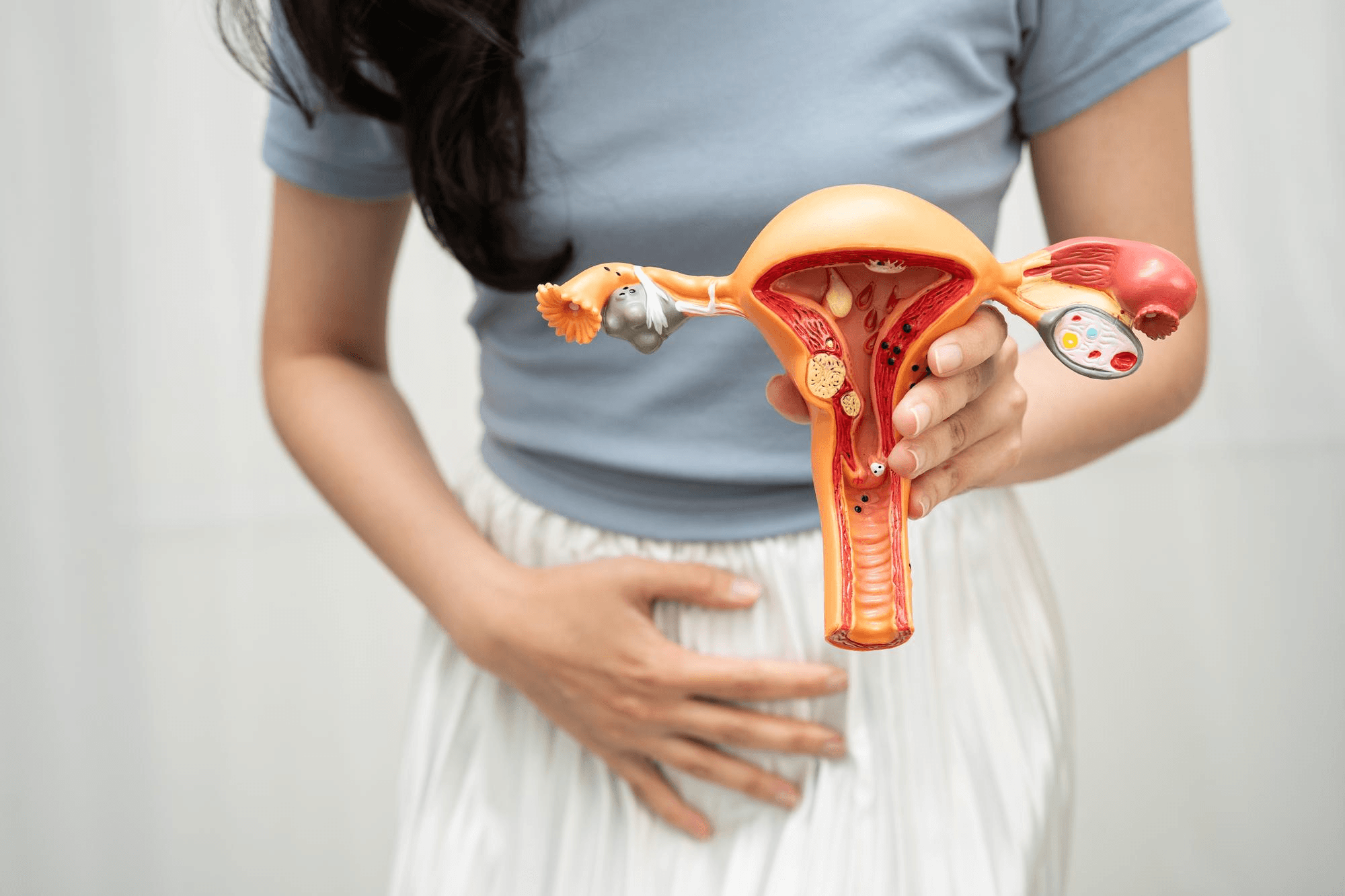
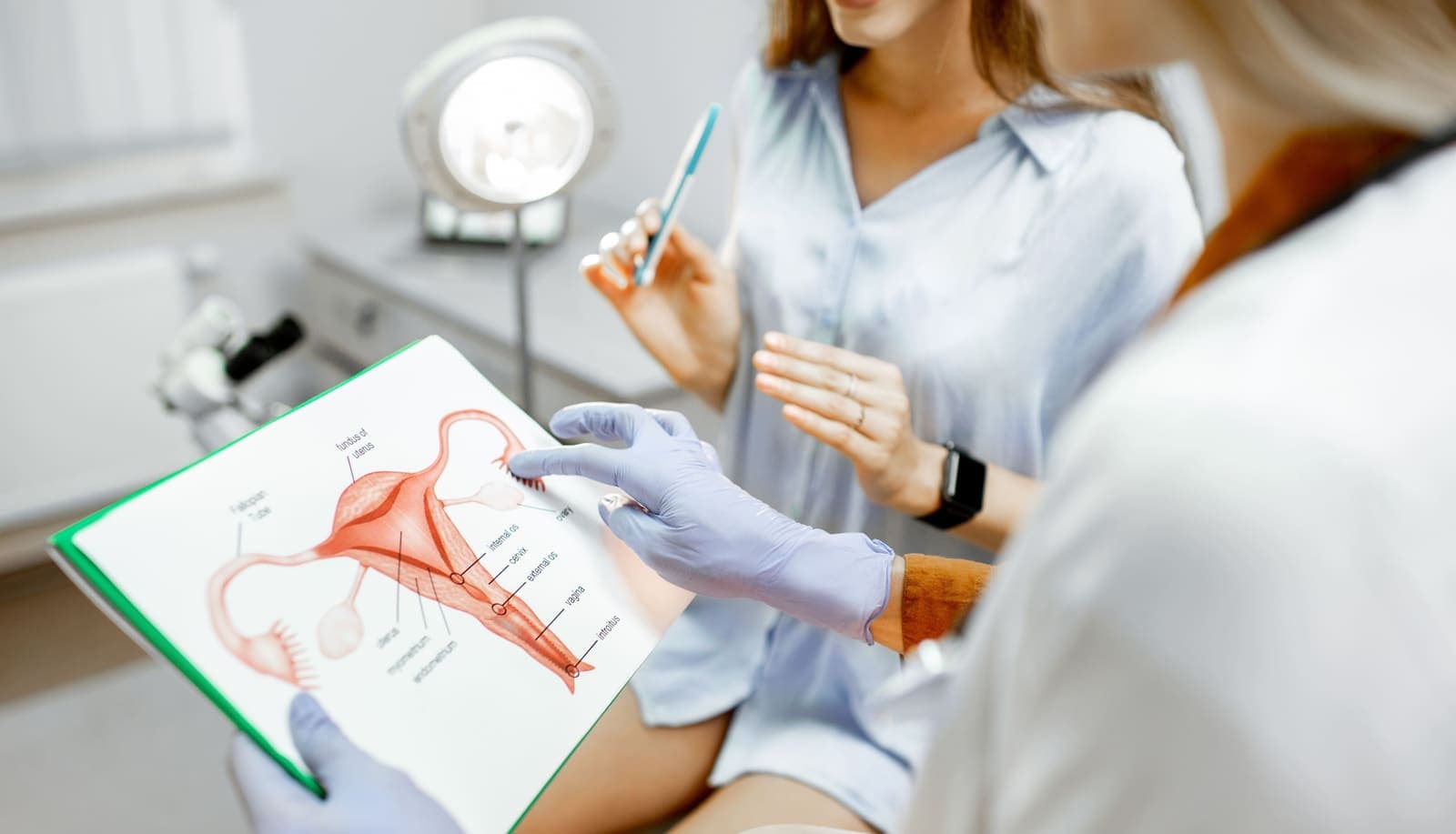
Medical illustration of the uterus showing multiple fibroids of different sizes, representing how untreated uterine fibroids can grow and affect reproductive health.
The most common response to a fibroid diagnosis in India is: "They said it's small, we'll watch it." For a significant proportion of women, this is entirely appropriate medical advice — many fibroids remain small, cause no symptoms, and never require treatment. For others, "watching it" becomes a years-long process of growing symptoms, progressive anaemia, and ultimately a more complex surgical situation than would have been the case with earlier intervention.
The difference matters. Understanding what actually happens to untreated fibroids — which ones stay stable, which ones grow, what complications develop — helps women make informed decisions rather than simply deferring indefinitely.
Dr. Shachi Singh, consultant gynaecologist and laparoscopic surgeon at Prakash Hospital, Sector 33, Noida, explains the natural history of uterine fibroids and what the risks of continued observation are.
What Fibroids Are (Briefly)
Uterine fibroids (leiomyomas or myomas) are benign (non-cancerous) growths of the uterine smooth muscle. They are common — affecting up to 70 to 80% of women by the age of 50, though many never know they have them because they cause no symptoms. They are oestrogen-dependent — they grow under the influence of oestrogen and typically stop growing or shrink after menopause.
What Usually Happens to Fibroids Over Time
1. In Premenopausal Women
Fibroids do not follow a single predictable trajectory. Some studies suggest:
- Approximately 30 to 40% of fibroids grow over time
- Approximately 30% remain stable in size
- Approximately 20 to 30% spontaneously decrease in size, even before menopause
The growth rate, when it occurs, varies enormously. Some fibroids grow rapidly; others take years to double in size. Rapid growth (more than 1 cm in 6 months) in a premenopausal woman warrants increased monitoring but is not automatically concerning for malignancy — fibroids do not become cancerous, and the rare leiomyosarcoma (uterine cancer that can resemble a fibroid) is a separate condition, not a fibroid that "turned cancerous."
Factors associated with fibroid growth: younger age, Black and South Asian ethnicity (higher fibroid prevalence and growth rate), higher BMI, obesity.
2. Around and After Menopause
As oestrogen levels decline perimenopausal and postmenopausal, fibroids typically stop growing and most regress in size. Symptomatic fibroids — particularly heavy periods — often improve naturally as menstrual cycles become less frequent and then stop.
This is why "watchful waiting" for a symptomatic fibroid in a 48-year-old woman approaching menopause has different implications than watchful waiting in a 33-year-old woman who is premenopausal for potentially 15 to 20 more years.
What Can Happen With Untreated Symptomatic Fibroids
1. Progressive Anaemia
The most common consequence of untreated symptomatic fibroids. Fibroids — particularly submucosal ones projecting into the uterine cavity — cause heavy menstrual bleeding. Over months and years, this ongoing blood loss depletes iron stores and causes iron deficiency anaemia. Many women adapt to slowly worsening fatigue and pallor without recognising the degree of their anaemia.
Severe anaemia from untreated fibroid-related blood loss causes: chronic fatigue, exercise intolerance, breathlessness, impaired concentration and cognitive function, reduced immunity, and — in very severe cases — cardiac strain.
The tragedy of fibroid-related anaemia is that it is entirely preventable and treatable, yet it is one of the leading causes of chronic morbidity in premenopausal Indian women.
2. Fibroid Growth and Increasing Symptom Burden
Fibroids that are small and asymptomatic at diagnosis may grow over years to become large and symptomatic. The symptoms that develop with enlarging fibroids include:
- Pelvic bulk symptoms: A sensation of heaviness or fullness in the lower abdomen, pressure on the bladder (urgency, frequency, incomplete emptying), pressure on the rectum (difficulty defecating, constipation), pressure on pelvic nerves (pelvic and lower back pain)
- Increasing menstrual bleeding: Progressive worsening with each year
- Abdominal enlargement: A large fibroid uterus is palpable and visibly enlarges the lower abdomen — women are sometimes mistaken for being pregnant
3. Impact on Fertility
Fibroids can impair fertility, depending on their type and location:
- Submucosal fibroids (projecting into the uterine cavity): Most impactful on fertility. Reduce implantation rates, increase miscarriage risk, and reduce IVF success rates. Hysteroscopic removal of submucosal fibroids significantly improves fertility outcomes.
- Intramural fibroids (within the uterine wall): When large or multiple and distorting the cavity, reduce fertility and implantation. Laparoscopic myomectomy improves fertility in selected cases.
- Subserosal fibroids (projecting outside the uterus): Generally do not affect the uterine cavity and have minimal direct impact on implantation and fertility.
For women trying to conceive, allowing a fibroid that is impacting the uterine cavity to remain untreated while attempting pregnancy is a modifiable cause of reduced fertility.
4. Fibroid Degeneration
Large fibroids can outgrow their blood supply and undergo degeneration — a process where the central part of the fibroid becomes infarcted. This causes acute pain, fever, and an acute abdomen presentation. Degeneration is more common in pregnancy (when blood supply demands are high) and in rapidly growing large fibroids. It is not dangerous in itself but is acutely very painful and requires hospitalisation.
5. Pregnancy Complications from Untreated Fibroids
Fibroids that have not been treated before pregnancy can cause:
- Miscarriage: Particularly submucosal fibroids
- Preterm labour: Large fibroids reduce uterine cavity space
- Malpresentation: A fibroid occupying the lower uterine segment prevents the baby from engaging head-down
- Placental abnormalities: Fibroids near the placental implantation site
- Postpartum haemorrhage: A fibroid-laden uterus contracts poorly after delivery
6. Increasing Surgical Complexity Over Time
This point is underappreciated. A fibroid that is 4 cm today and surgically straightforward to remove laparoscopically may, in 5 years, be 8 to 10 cm with associated adhesions, a highly vascular blood supply, and proximity to the ureter — all of which increase surgical difficulty, blood loss risk, conversion to open surgery risk, and recovery time.
Treating fibroids earlier — when they are smaller and the surgery is simpler — produces better surgical outcomes than waiting until the situation is complex.
When Watchful Waiting Is Appropriate
Not all fibroids need treatment. Observation is appropriate when:
- The fibroid is small (typically below 3 to 4 cm) and asymptomatic
- Periods are not heavy, not causing anaemia
- There are no pressure symptoms
- The woman is premenopausal and the fibroid is not near the cavity or tubes
- The woman is approaching menopause and the fibroid is expected to regress
- A fertility decision has not yet been made
"Watching" requires actual watching — not simply forgetting about it. Pelvic ultrasound every 6 to 12 months to monitor growth is appropriate for fibroids being observed. A fibroid that was small and managed conservatively one year may be significantly larger and symptomatic the next.
When to Act: Indications for Treatment
- Heavy periods causing or worsening anaemia (regardless of fibroid size)
- Bulk symptoms affecting quality of life
- Subfertility where fibroid involvement of the cavity is identified
- Rapid growth on surveillance ultrasound
- A fibroid-laden uterus before planning pregnancy
- Symptoms not adequately controlled with medical management
Fibroid Care in Noida and Greater Noida
Dr. Shachi Singh at Prakash Hospital, Sector 33, Noida, provides comprehensive fibroid management — from watchful waiting and medical management through hysteroscopic polypectomy, laparoscopic myomectomy, and laparoscopic hysterectomy — for women across Noida and Greater Noida.
To book a consultation with Dr. Shachi Singh, call: +91 97023 46853
Clinic Hours: Monday to Saturday, 9 AM – 6 PM | Sunday, 10 AM – 2 PM
Clinic Address: D-12A, 12B, Sector-33, G.B. Nagar, Noida, Uttar Pradesh 201301
Frequently Asked Questions
1. Do fibroids always grow?
No. Approximately 30% remain stable in size, and 20 to 30% reduce spontaneously even before menopause. However, approximately 30 to 40% do grow over time — monitoring with regular ultrasound is the only way to know which category yours falls into.
2. Can fibroids become cancerous?
No. Uterine fibroids are benign and do not become cancerous. Uterine leiomyosarcoma (a rare uterine cancer) is a separate and distinct condition — it is not a fibroid that has transformed. The risk of a suspected fibroid being a leiomyosarcoma is estimated at less than 1 in 1,000.
3. Will fibroids shrink after menopause?
Most fibroids stop growing and many reduce in size after menopause as oestrogen levels decline. Symptoms related to heavy periods resolve as menstruation ceases. Bulk symptoms from very large fibroids may not fully resolve even after menopause.
This blog is written for educational and informational purposes only. Please consult Dr. Shachi Singh or a qualified gynaecologist for assessment specific to your fibroid situation.