Laparoscopic Hysterectomy (TLH): A Complete Patient Guide from Preparation to Recovery

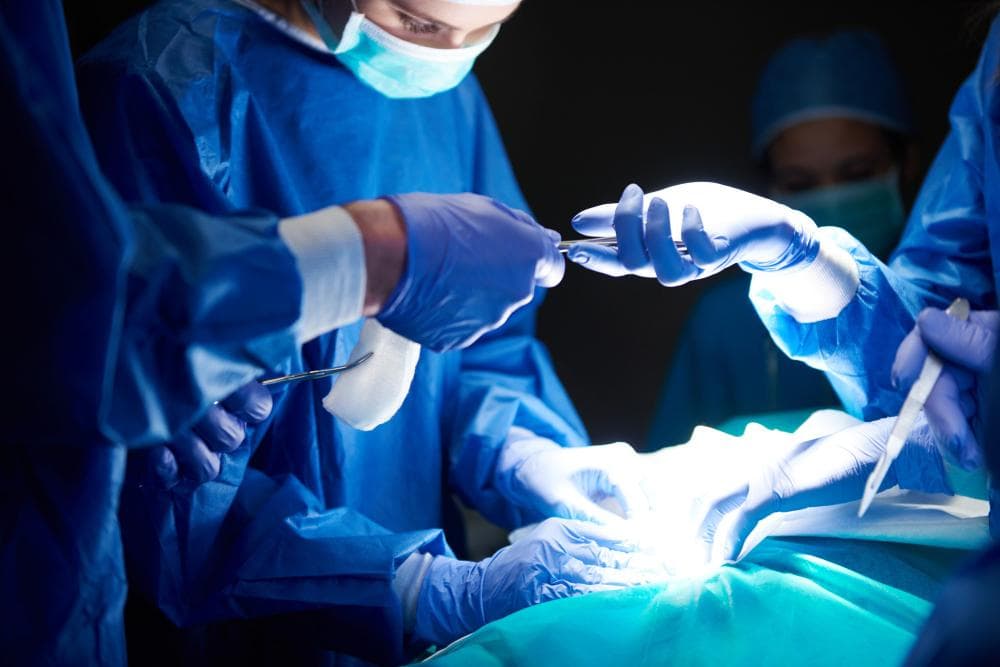
Surgeons using tiny instruments for minimally invasive surgery in a sterile operating theater, emphasizing a delicate procedure.
A recommendation for hysterectomy — removal of the uterus — generates a particular kind of anxiety. For many Indian women, the uterus carries deep cultural and personal significance beyond its reproductive function. Concerns about what changes after surgery, what recovery involves, and whether the laparoscopic approach is genuinely better than open surgery are entirely reasonable questions that deserve complete, honest answers.
Hysterectomy is the most common major gynaecological surgery performed worldwide. Done laparoscopically (TLH — Total Laparoscopic Hysterectomy), it offers dramatically faster recovery, less blood loss, smaller scars, and lower complication rates compared to open abdominal hysterectomy — with equivalent or superior long-term outcomes.
Dr. Shachi Singh, consultant laparoscopic surgeon at Prakash Hospital, Sector 33, Noida, provides this complete patient guide.
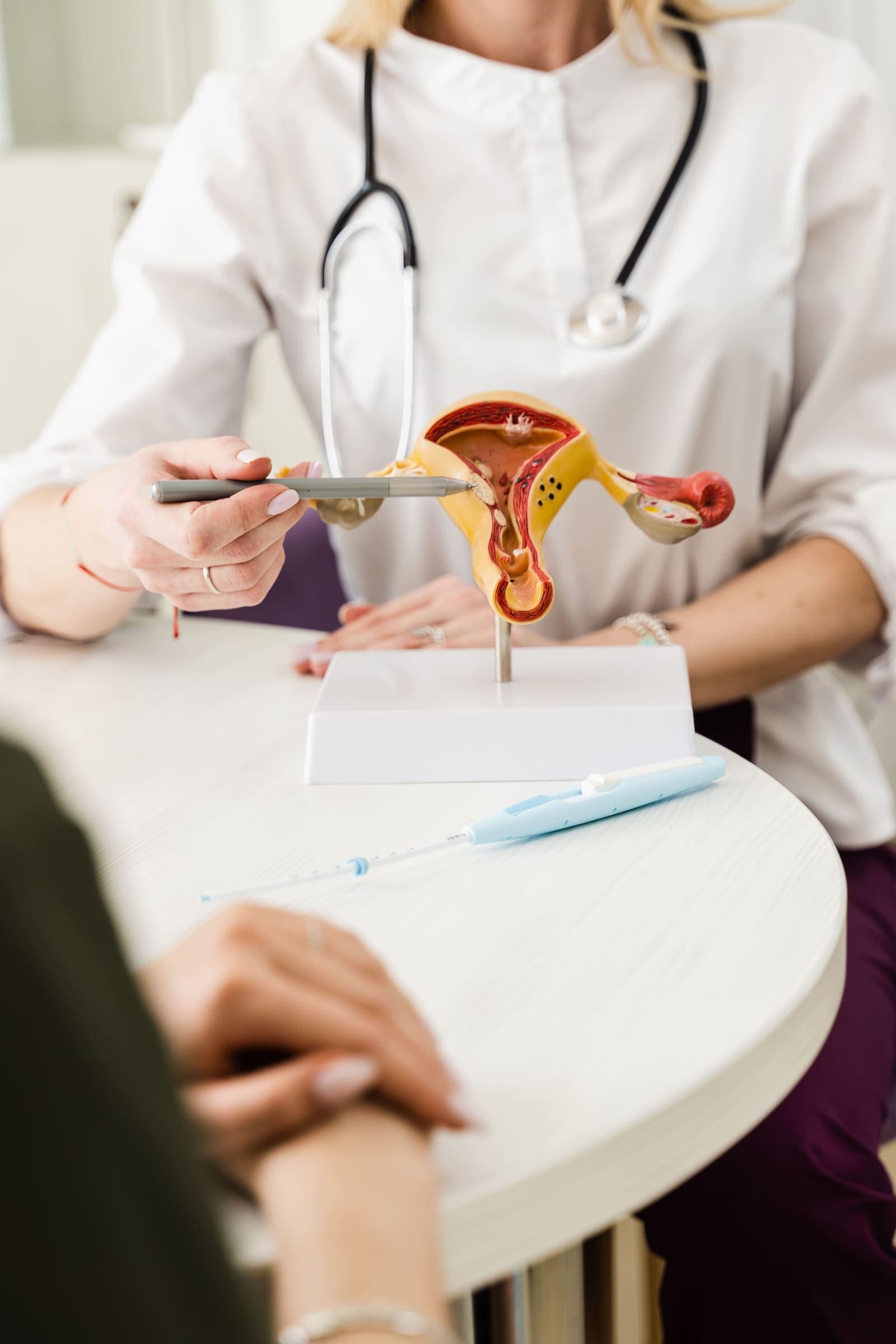
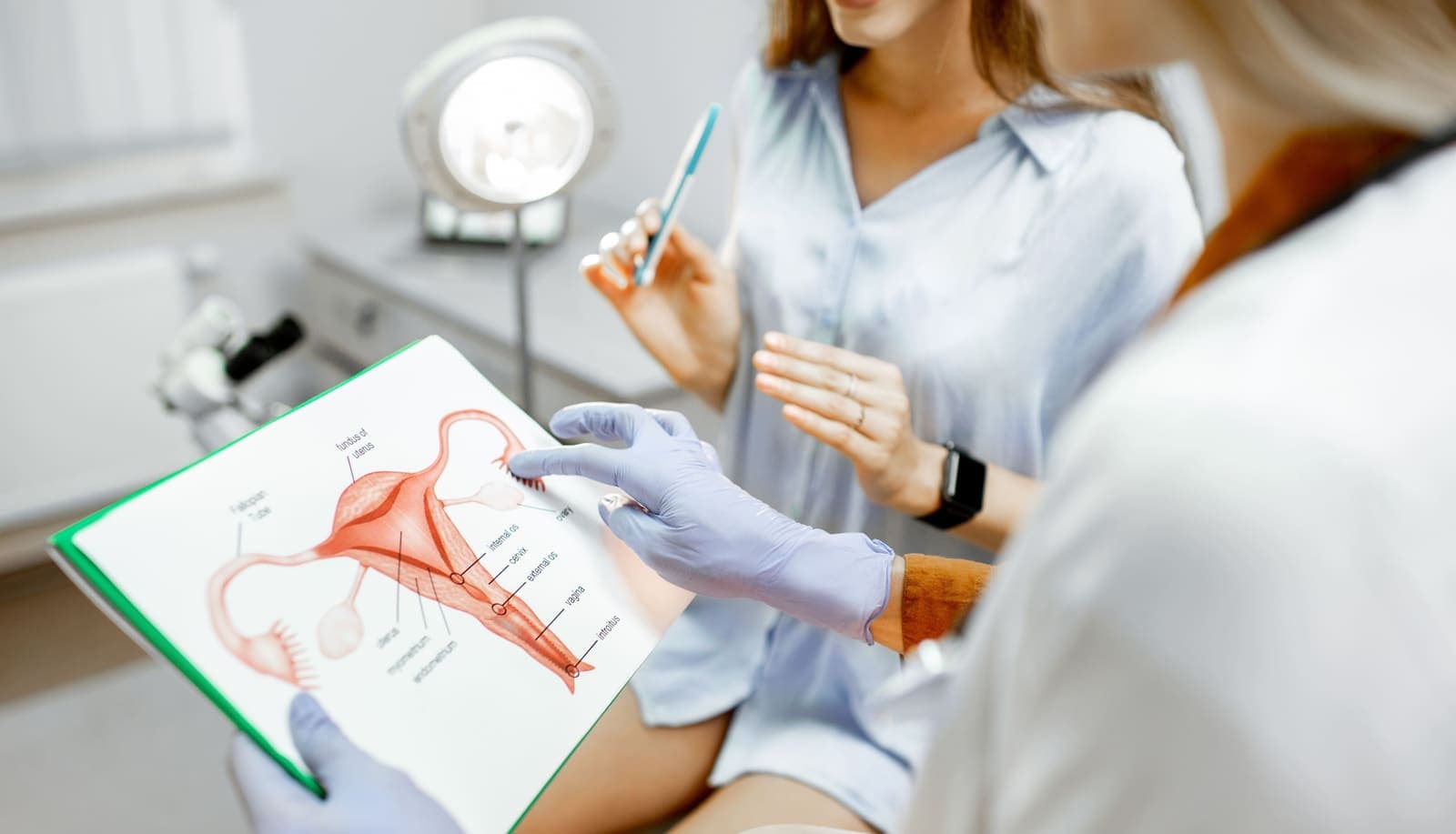
What TLH Involves
In a Total Laparoscopic Hysterectomy, the entire surgical procedure — detaching the uterus from its supporting ligaments, separating it from the bladder and bowel, and removing it — is performed through 4 small abdominal incisions (0.5 to 1 cm each). The uterus is then removed either through the vagina or, if it is very large, cut into smaller pieces and removed through the laparoscopic incisions (a technique called morcellation).
1. What is removed: The uterus. In a TLH, only the uterus is removed. The ovaries and fallopian tubes may or may not be removed depending on the clinical indication, the woman's age, and what was discussed and planned pre-operatively.
2. What stays: In a standard TLH without oophorectomy (ovary removal), the ovaries remain in place. This means menstrual periods stop permanently (the uterus is gone, so no uterine lining to shed), but the hormonal function of the ovaries continues — the ovaries continue producing oestrogen and progesterone until natural menopause. A woman who has a TLH at 40 with her ovaries conserved will reach menopause at the same age she would have naturally.
Why Hysterectomy Is Recommended
Hysterectomy is not a first-line treatment. It is recommended when less invasive approaches — medical management, myomectomy, endometrial ablation — have failed or are not appropriate. Common indications include:
- Uterine fibroids: Multiple or large fibroids causing heavy periods, pelvic pressure, anaemia, or pain, in women who have completed their family
- Adenomyosis: Diffuse adenomyosis causing severe, treatment-resistant heavy periods and pain
- Endometriosis: Severe, extensive endometriosis affecting the uterus significantly, in women who have completed childbearing
- Endometrial hyperplasia with atypia: Pre-malignant change in the uterine lining requiring uterus removal to prevent cancer
- Uterine cancer (endometrial cancer): Staging hysterectomy
- Chronic pelvic pain: Unresponsive to other treatments, where the uterus is identified as the source
- Uterine prolapse: When combined with pelvic floor repair
TLH vs Open Abdominal Hysterectomy: Why Laparoscopic Is Better
| Feature | TLH (Laparoscopic) | Open Abdominal Hysterectomy |
|---|---|---|
| Incisions | 4 small (0.5–1 cm) | One 10–15 cm abdominal incision |
| Blood loss | Significantly less | More |
| Hospital stay | 1–3 days | 4–7 days |
| Return to work | 2–4 weeks | 6–8 weeks |
| Postoperative pain | Milder | More significant |
| Visible scar | Minimal | Significant |
| Infection risk | Lower | Higher |
| Complication rate | Lower | Higher |
| Long-term outcomes | Equivalent or better | Reference standard |
The laparoscopic approach is now the gold standard for hysterectomy in experienced hands. Where previously the size of the uterus was a limiting factor for laparoscopy, experienced laparoscopic surgeons can now manage significantly enlarged uteri laparoscopically.
Pre-Operative Preparation
Preparation for TLH follows the same principles as all laparoscopic surgery (covered in the Pre-Op Guide blog), with some specific additions:
1. Hormone management: If the uterus is very large due to fibroids, GnRH analogues (hormone injections) may be prescribed for 2 to 3 months before surgery to shrink the fibroid-laden uterus, reduce vascularity, and allow laparoscopic approach where open surgery would otherwise be needed.
2. Anaemia treatment: Heavy periods from fibroids or adenomyosis commonly cause anaemia. This must be corrected before elective surgery — either with oral or IV iron, or occasionally a blood transfusion. The target haemoglobin before elective hysterectomy is ideally above 10 g/dL.
3. Bowel preparation: For TLH, light bowel preparation (light diet the day before, possibly a phosphate enema) may be recommended, particularly if the uterus is large or adhesions are expected. Your surgeon will specify.
The Day of Surgery
TLH is performed under general anaesthesia. Operating time varies based on the size of the uterus, presence of adhesions, and whether the ovaries are being removed: typically 1 to 3 hours.
A urinary catheter is placed before surgery (while you are under anaesthesia) and usually removed the following morning.
Most women are in the recovery area within 3 to 4 hours of entering theatre. Most can sit up and begin sipping fluids 2 to 3 hours after surgery.
What to Expect: Recovery Week by Week
Day 1–2 (Hospital):
- Mild to moderate pain managed with scheduled analgesics
- CO2 shoulder and upper abdominal discomfort from the gas — resolves in 24 to 72 hours
- Catheter in place for the first 24 hours
- Light fluids and food from the day of surgery
- Getting up and walking (short distances) from the next morning — essential for preventing blood clots
- Most women are discharged on Day 2 or 3
Week 1 at home:
- Rest as the primary activity, with short regular walks increasing daily
- Mild incision soreness, manageable with paracetamol
- Light diet — see the diet guide blog
- No driving
- Vaginal discharge or light spotting from the vaginal vault — normal
- No heavy lifting (nothing above 2 to 3 kg)
Weeks 2–3:
- Energy returning. Most women feel significantly better.
- Walking increasing to 20 to 30 minutes daily
- Return to desk work for many women in Week 2 to 3
- Continue pelvic rest (nothing in the vagina)
Week 4–6:
- Return to most normal activities
- Follow-up appointment to confirm healing
- Vaginal vault healing is assessed — the vaginal cuff (where the cervix was) takes 6 to 8 weeks to fully heal
6 weeks and beyond:
- Sexual activity can resume after the 6-week check confirms vault healing
- Return to exercise and physical work
- Full recovery
What Changes After TLH
Periods stop permanently. Since the uterus is removed, there is no uterine lining to shed. Periods end immediately and permanently.
No pregnancy is possible. The uterus is gone. Pregnancy is not possible after hysterectomy.
Menopause timing (if ovaries are conserved): The ovaries continue functioning normally. Hormonal menopause occurs at the natural age — typically the same time as women in your family experienced it. Blood tests can confirm whether ovarian function continues.
If ovaries are also removed (bilateral oophorectomy with TLH): Surgical menopause occurs immediately — hot flashes, night sweats, and other menopausal symptoms begin within days to weeks of surgery. Hormone replacement therapy (HRT) is typically recommended for women under 50 who have both ovaries removed, to prevent premature menopausal symptoms and long-term cardiovascular and bone health effects.
What does not change:
- The vagina remains intact — the vault (top of the vagina) is sutured closed but the vaginal canal itself is preserved
- Sexual sensation — in the vast majority of women, sexual pleasure and sensation are preserved or improved (particularly when heavy periods and chronic pelvic pain were affecting quality of life before)
- Bladder and bowel function — unchanged in uncomplicated TLH
- External genitalia — unchanged
Laparoscopic Hysterectomy in Noida and Greater Noida
Dr. Shachi Singh at Prakash Hospital, Sector 33, Noida, performs Total Laparoscopic Hysterectomy (TLH) for women with fibroids, adenomyosis, endometriosis, and other appropriate indications across Noida and Greater Noida.
To book a consultation with Dr. Shachi Singh, call: +91 97023 46853
Clinic Hours: Monday to Saturday, 9 AM – 6 PM | Sunday, 10 AM – 2 PM
Clinic Address: D-12A, 12B, Sector-33, G.B. Nagar, Noida, Uttar Pradesh 201301
Frequently Asked Questions
1. Will I go into menopause immediately after TLH?
Only if your ovaries are also removed. If the ovaries are conserved during TLH, their hormonal function continues — you will go through natural menopause at whatever age you would have done so normally. Periods stop because the uterus is removed, but hormone production from the ovaries continues.
2. How soon can I return to work after TLH?
Most women return to desk work in 2 to 3 weeks after TLH. Physical or manual work requires 4 to 6 weeks. This is substantially faster than the 6 to 8 weeks typically required after open abdominal hysterectomy.
3. Is sex different after hysterectomy?
For the majority of women — particularly those who had their hysterectomy for heavy periods, pain, or fibroids — sexual experience improves or remains unchanged after TLH. Relief from chronic pain and heavy bleeding typically improves overall wellbeing and sexual function. Deep penetration during sex may feel slightly different initially as the vaginal vault heals.
4. Will my weight change after hysterectomy?
Hysterectomy itself does not directly cause weight gain. The removal of a very large fibroid-laden uterus may mean a woman actually loses 1 to 2 kg from the weight of the tissue removed. Weight changes after hysterectomy, if they occur, are related to reduced activity during recovery, hormonal changes (if ovaries are also removed), or other lifestyle factors.
This blog is written for educational and informational purposes only. Please consult Dr. Shachi Singh or a qualified laparoscopic surgeon for advice specific to your gynaecological condition and surgical needs.