Round Ligament Pain in Pregnancy: Causes and Relief
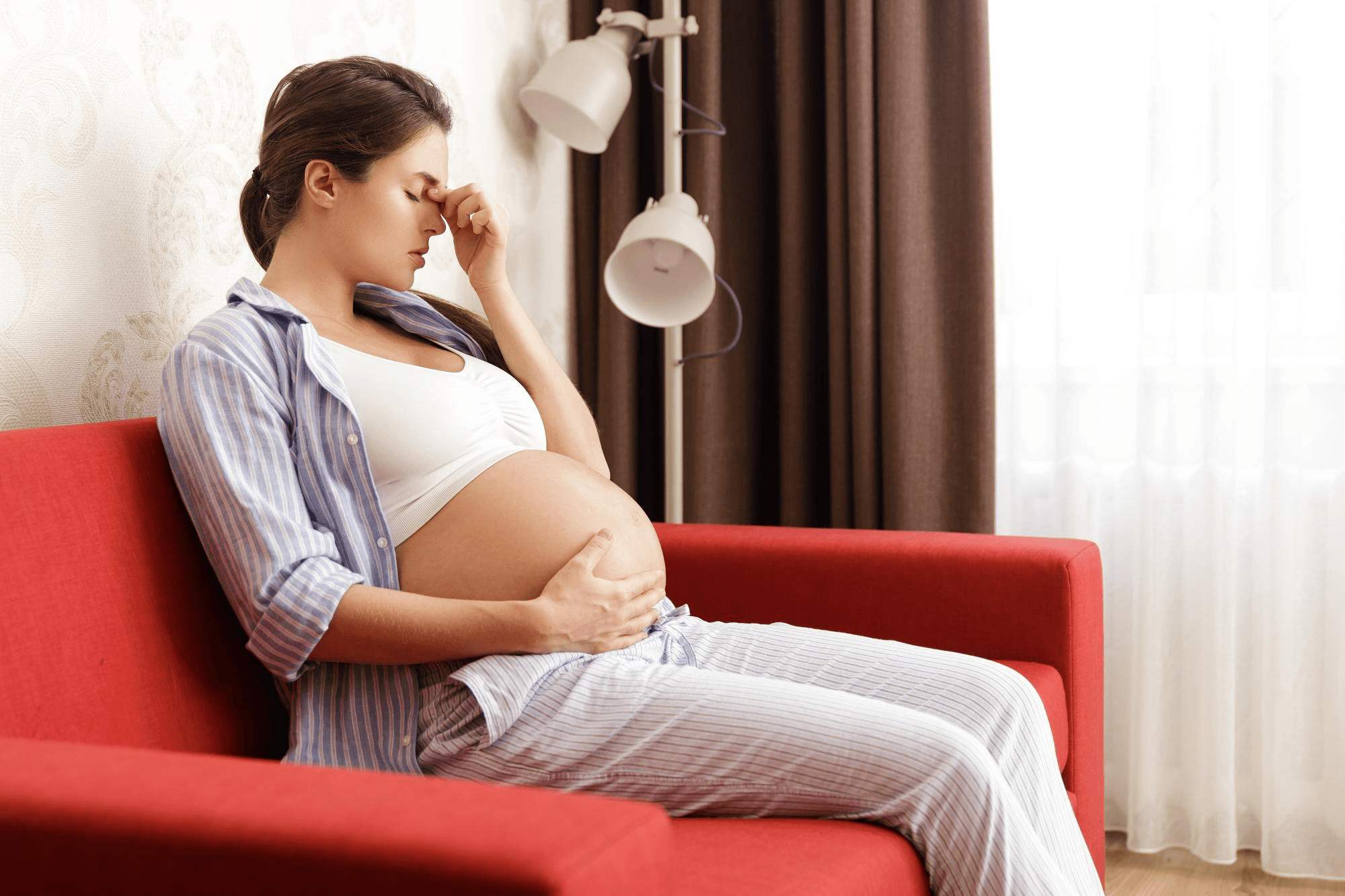
Round ligament pain is a brief, sharp pain in the lower belly or groin, usually set off by sudden movement.
You stand up quickly from the sofa, or turn over in bed, or sneeze, and a sharp, stabbing pain shoots down one side of your lower belly. It is over in seconds, but you freeze, hold your breath and wonder: is the baby okay? Is something tearing?
If you are in your second trimester and this sounds familiar, you have probably met round ligament pain. It is one of the most common causes of lower abdominal pain in pregnancy, and it is almost always harmless. It is still important to know how to recognise it, and just as important to know which kinds of abdominal pain are not round ligament pain and need a doctor. If you want to speak to a gynaecologist in Noida about pregnancy pain, details are at the end.
What is the round ligament?
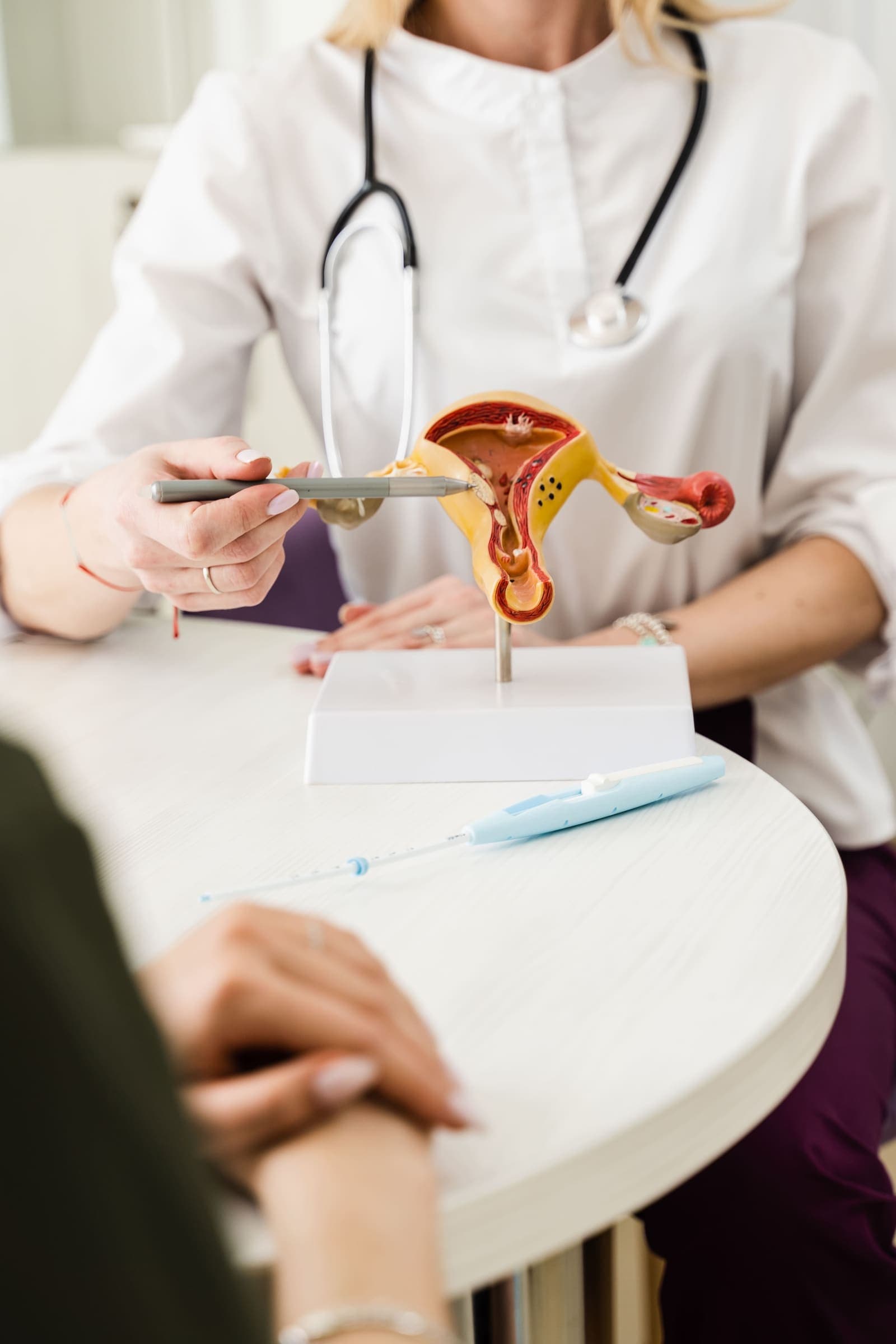
The uterus is held in place in the pelvis by several ligaments. The round ligaments are two bands of fibrous tissue that run from the sides of the uterus, down through the groin on each side, and attach near the labia. Before pregnancy, they are thin and short, rather like cords. During pregnancy, as the uterus grows and rises out of the pelvis, these ligaments stretch and thicken to support the extra weight.
What causes the pain?
The ligaments are stretching, and they are rich in nerves and muscle fibres. When you move suddenly, the ligament tightens quickly, like an elastic band snapping taut, and triggers a sharp spasm. Several things make it more likely:
- Rapid growth of the uterus in the second trimester
- Sudden movements: standing up, turning, rolling over in bed, getting out of a car or a rickshaw
- Coughing, sneezing, laughing or straining
- Long periods of standing or walking
- Exercise, particularly twisting movements
- Carrying a toddler or heavy items
- A second or later pregnancy, or twins, where the uterus tends to grow larger or stretch more
It is more commonly felt on the right side, possibly because the uterus often tilts slightly to the right, but it can occur on either or both sides.
What does it feel like?
Typical features of round ligament pain:
- Sharp, stabbing or jabbing pain, or a pulling, tugging, stretching sensation
- On one side or both sides of the lower abdomen, often radiating towards the groin or hip
- Lasting a few seconds (and rarely for a minute or two), then easing
- Triggered by movement or position change
- Sometimes followed by a dull ache
- No bleeding, no fever, no change in discharge, no pain on urinating
- Usually settles with rest or a change in position
It typically starts between 14 and 20 weeks and may last until the end of the second trimester or beyond, easing for some women in the third trimester when the uterus has settled and the ligaments have adapted. Not every pregnant woman gets it. Some have a lot, and some none at all.
Is it dangerous for the baby?
No. Round ligament pain does not harm your baby, does not signal miscarriage or preterm labour and does not mean the ligament is "tearing." It is simply uncomfortable. That said, a diagnosis of round ligament pain is made by excluding other conditions, so any pain that doesn't fit the pattern above should be assessed.
What helps? Practical relief
Most women find that a few small habits make a big difference.
Change how you move
- Get up slowly. Roll onto your side, then push yourself up. Pause before standing.
- Bend your hips or flex forward slightly before you sneeze or cough. Gently supporting your belly with your hand can help.
- Avoid sudden twisting. Turn your whole body rather than just your waist.
- Change position often if you have been sitting or standing for a long time.
Support and warmth
- A pregnancy support belt or belly band can take the weight and reduce tugging for some women.
- Warm compress or warm bath on the lower abdomen. Keep the water comfortably warm, not hot.
- Lie on the side that hurts, or bend your knees and place a pillow between them. A pillow beneath the belly can help as well.
Gentle exercise and stretching
- Walking, swimming and prenatal yoga keep the muscles flexible. Choose a class with a trained instructor.
- Pelvic tilts and the cat-cow stretch: go on hands and knees, arch and round your back slowly.
- Child's pose with knees wide to make room for your belly.
- Stop any exercise that causes pain, and ask your doctor what is safe for you.
Other helpful steps
- Rest when you need to. Put your feet up in the evening.
- Stay hydrated. Dehydration can increase muscle cramping.
- Pain relief: paracetamol is generally considered safe in pregnancy, taken as directed by your doctor. Avoid ibuprofen, diclofenac and other anti-inflammatory painkillers in pregnancy unless your doctor specifically advises them.
- Prenatal massage from a trained therapist may help.
- Posture: try to stand tall and avoid arching your back.
Round ligament pain vs other abdominal pain
This is the heart of the matter. Many causes of pain in pregnancy overlap. The table lists common ones.
| Condition | Typical features |
|---|---|
| Round ligament pain | Brief, sharp pain on movement; second trimester; no bleeding or fever |
| Braxton Hicks contractions | Tightening of the whole belly; irregular; eases with rest and water |
| Preterm labour | Regular, painful contractions before 37 weeks, often with back pain, pressure, discharge or leaking fluid |
| Urinary tract infection | Burning on passing urine, frequency, lower abdominal ache, sometimes fever |
| Constipation and gas | Cramping, bloating, relief after passing stool or gas |
| Placental abruption | Constant severe pain, a hard, tender uterus, with or without bleeding |
| Pre-eclampsia | Upper abdominal pain on the right, headache, visual changes, swelling |
| Appendicitis | Pain that moves to the right side, with nausea, fever and loss of appetite (the appendix shifts upwards in pregnancy) |
| Ectopic pregnancy (early) | Pain on one side with bleeding, dizziness; usually in the first trimester |
| Ovarian cyst or torsion | Sudden severe one-sided pain, nausea, vomiting |
| Gallstones or kidney stones | Severe pain in upper or flank area, nausea, vomiting |
| Symphysis pubis dysfunction | Pain at the pubic bone, worse with walking and climbing stairs |
| Fibroid degeneration | Localised pain over a known fibroid, sometimes with low fever |
Red flags: when to see a doctor urgently
Contact your doctor or go to the hospital promptly if your pain is accompanied by any of the following:
- Vaginal bleeding or leaking fluid
- Regular contractions, especially before 37 weeks (more than 4 to 6 in an hour)
- Pain that is severe, constant or getting worse, or that does not ease with rest and position change
- Fever or chills
- Pain or burning when passing urine, or blood in urine
- Nausea and vomiting that is persistent, or with severe pain
- Severe headache, visual disturbance, sudden swelling of the face or hands
- Reduced baby movements
- Pain in the upper right abdomen or under the ribs
- Dizziness or fainting
- Pain after a fall or blow to the abdomen
- Pain that is not like your usual round ligament twinges, or that lasts more than a few seconds or minutes
If in doubt, call. It is always better to check than to wait at home worrying. Nobody will think you are fussing.
How is it diagnosed?
Round ligament pain is a clinical diagnosis. Your doctor will ask about the pain's nature, timing and triggers, examine your abdomen, check your blood pressure, urine and the baby's heartbeat and, where needed, order an ultrasound or blood tests to exclude other causes. If everything is fine and the description is typical, reassurance and simple measures are all you need.
How long will it last?
For most women, round ligament pain comes and goes through the second trimester, and often eases as pregnancy advances and the uterus stops growing so quickly. It usually resolves completely after delivery, once the uterus shrinks back. If you have it persistently into the third trimester, check that nothing else is contributing, such as Braxton Hicks contractions, symphysis pubis dysfunction or back strain.
Daily life tips for Indian mothers-to-be
- Avoid sitting cross-legged or squatting for long periods if it triggers pain. Use a chair or cushion with back support.
- If you commute, take breaks when travelling long distances, and wear the seat belt below the belly.
- Do not feel obliged to carry loads. Ask family to help with heavy lifting, including bags of groceries and water cans.
- Take care in the bathroom. Rise gently from the toilet seat.
- Sleep on your side with a pillow between your knees and one under your belly.
Common questions
Can round ligament pain happen in the first trimester? It is uncommon, as the uterus is still small. Early pelvic pain needs checking to exclude other causes.
Is it normal for it to hurt on only one side? Yes, very common.
Can I exercise? Gentle exercise is good. Avoid sudden twisting and heavy lifting.
Will a belly band help? It helps many women, though not all.
Does it mean my labour will be difficult? No link.
Can it feel like a pulled muscle? Yes, and that's a fair description.
Does sex make it worse? Some women find it uncomfortable. Try positions that avoid pressure on the belly.
Reassurance and the right check
Round ligament pain is a sign that your body is making room for your baby. It is uncomfortable but harmless, and most women learn to manage it quite easily. When in doubt, ask. I see pregnant women from Noida, Greater Noida, Ghaziabad and Delhi NCR at Prakash Hospital, Sector 33. To book a consultation, call +91 97023 46853.
Related reading
- Back pain in pregnancy
- Labour contractions vs cramps
- Pregnancy week by week
- Braxton Hicks contractions
- Pregnancy scans and tests schedule
This article is for general education and does not replace a medical examination. Any severe or unusual pain in pregnancy should be assessed by a doctor.