How to Have a Normal Delivery: Practical Tips from 20 Weeks Onward

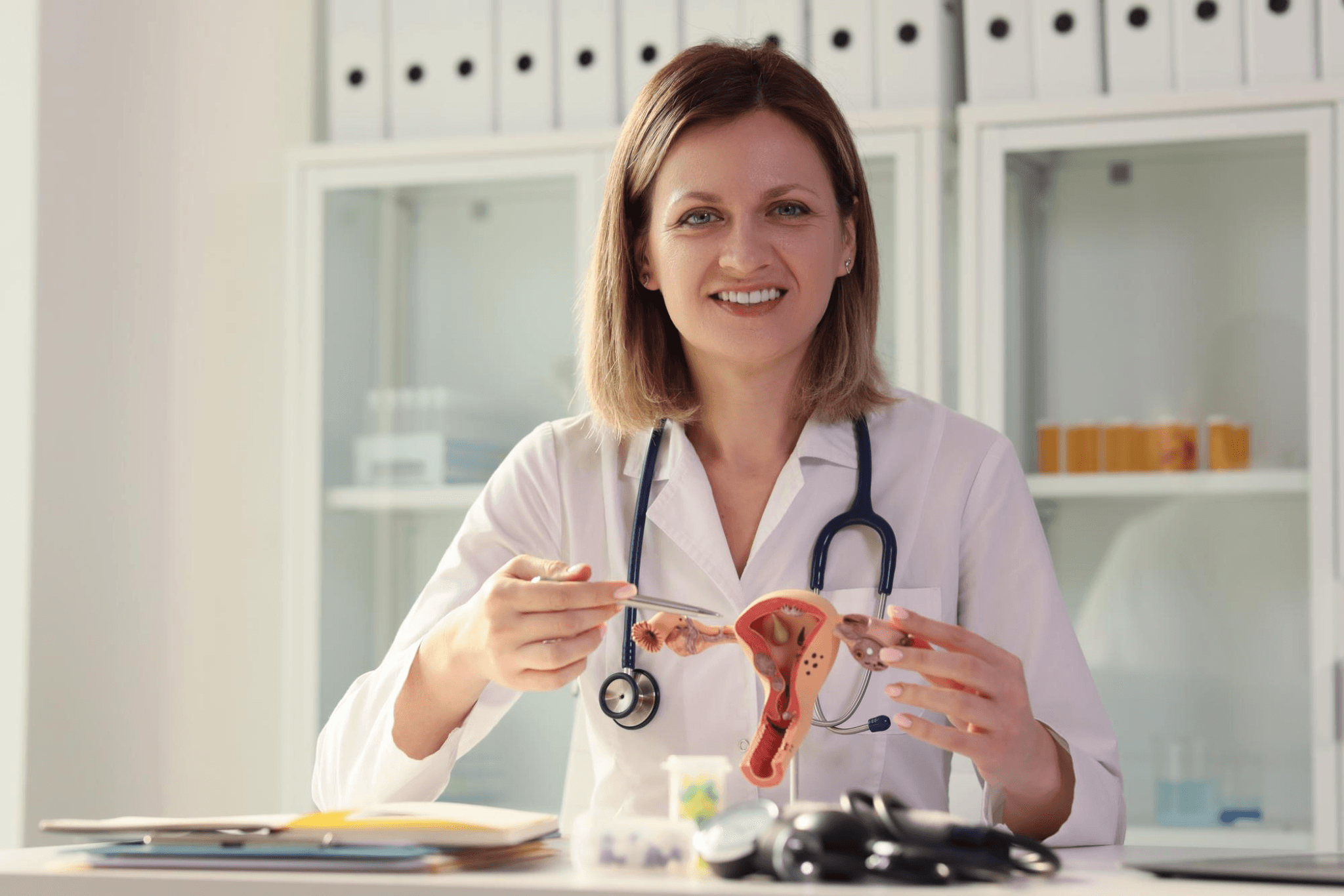
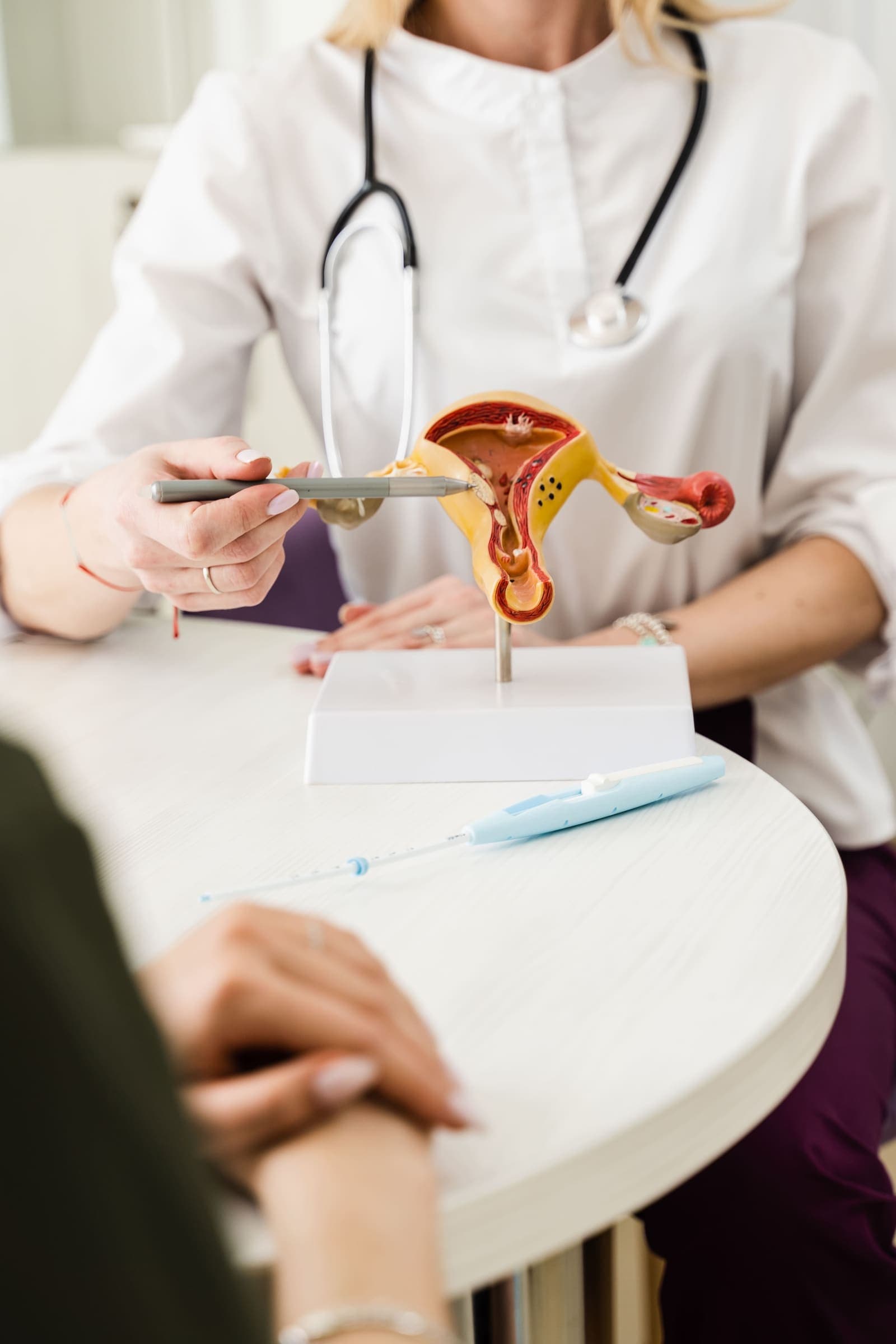
Choosing a birth team that supports normal delivery early in pregnancy makes decisions in the delivery room smoother.
Ask any group of pregnant women what they hope for at the end of nine months, and most will say a healthy baby and, if possible, a normal delivery. Ask them how to get one, and the answers become confusing. Walk a lot. Eat ghee. Drink coconut water. Avoid the AC. Squat. Do not sleep in the afternoon. Every family has its theory.
Some of that advice is helpful, some harmless and some quite untrue. I will give you the honest picture. No one can guarantee a normal delivery. Labour depends on the baby, the pelvis, the uterus and sometimes simple luck. But there are things within your control that improve the chances, and just as many that you can learn so that, whatever happens, you feel prepared and in charge.
This guide covers the practical steps from the middle of pregnancy, how to prepare for labour, and the situations in which a caesarean is the safer option. If you want to talk to a gynaecologist in Noida for normal delivery, details are at the end.
What does "normal delivery" mean?
It means a vaginal birth, in which the baby is born through the birth canal, with or without minor assistance such as an episiotomy or pain relief. Doctors increasingly use the phrase "vaginal delivery." Normal delivery has benefits: a shorter recovery, less pain after birth, a lower risk of infection and blood loss for most women, early breastfeeding and a lower risk of problems in future pregnancies.
But a caesarean section is a safe and sometimes life-saving operation, and a mother who has one is not a lesser mother. A good outcome means a healthy mother and a healthy baby.
Factors that influence whether you can deliver vaginally
- The baby's position. A baby lying head-down (cephalic) is best. Breech or transverse babies usually need a caesarean.
- The size of the baby relative to your pelvis.
- The strength and pattern of contractions.
- Placenta position. A placenta covering the cervix (placenta previa) prevents vaginal birth.
- Your health. Conditions like preeclampsia, diabetes and heart disease can affect timing and mode of delivery.
- Previous caesarean or uterine surgery.
- The baby's wellbeing during labour.
- Your birth team and the hospital's approach.
- Your own confidence and support.
You can influence some of these, but not all. That's why preparation is the focus, not guarantees.
1. Choose a supportive team early
Your doctor's approach to labour has a large effect on outcomes. At your antenatal visits, ask:
- What is your approach to normal delivery?
- Will you support me to labour for as long as it is safe?
- What is the hospital's caesarean rate?
- What pain relief options do you offer?
- Can I move around freely in labour?
- Who will be with me during the delivery, and can my partner or another person stay?
Choose a team that listens and explains. Building trust before labour begins makes decisions in the delivery room smoother.
2. Attend antenatal classes
Antenatal classes teach you how labour works, breathing and relaxation techniques, positions, pain relief options and newborn care. Partners benefit too. Women who know what to expect are generally less fearful, and fear itself can make labour harder by increasing tension and the perception of pain.
3. Stay active with safe exercise
For women with a healthy pregnancy, regular moderate exercise is encouraged. It improves stamina, helps weight control, reduces back pain and lowers the risk of gestational diabetes. It also builds the endurance that labour demands.
Good options include:
- Brisk walking for 20 to 30 minutes most days
- Prenatal yoga led by a trained teacher
- Swimming
- Stationary cycling
- Gentle strength work, with approval from your doctor
Avoid contact sports, activities with a fall risk, lying flat on your back for long periods in later pregnancy and any exercise that causes pain, dizziness or bleeding. Check with your doctor first, especially if you have complications such as placenta previa, preterm labour risk or high blood pressure.
Exercises for labour readiness
Some movements help the pelvis and the baby's position.
- Pelvic tilts (on hands and knees, arching and rounding the back) ease back pain and encourage the baby to settle head-down.
- Squatting (with support, as comfortable) opens the pelvic outlet. Many Indian women are naturally good at squatting, so keep that habit going.
- Butterfly stretch (sitting with soles together) improves hip flexibility.
- Sitting on a birth ball and rocking.
- Walking up gentle slopes or stairs, slowly, near term.
If your doctor has advised bed rest or restricted activity, please follow that.
4. Strengthen and relax the pelvic floor
Kegel exercises tighten the pelvic floor muscles, but in preparation for birth you also need to learn how to relax them, because tight muscles can hinder the baby's descent. Practise contracting for a few seconds, then fully releasing. A pelvic floor physiotherapist can help you check your technique.
Perineal massage. From around 34 to 35 weeks, daily gentle massage of the perineum (the area between the vagina and anus) with a safe oil can make the tissue more stretchy and may lower the chance of tears or the need for an episiotomy, especially in first-time mothers. Your doctor can show you the method.
5. Eat well and manage weight gain
Good nutrition helps you and the baby. Aim for balanced meals with protein, whole grains, fruit, vegetables, dairy and healthy fats, and the vitamins and minerals your doctor prescribes.
Excessive weight gain increases the chance of a large baby, gestational diabetes and a caesarean. Poor weight gain can limit baby growth. Follow the guidance for your starting weight, and avoid "eating for two" in terms of calories. Contrary to popular belief, extra ghee or very rich food in the last weeks doesn't make delivery easier, and may add unwanted weight.
If you have gestational diabetes, keeping your blood sugar within the target range lowers the chance of a very large baby and complications, which improves the chance of a vaginal birth.
6. Keep your health conditions under control
Control of blood pressure, diabetes, thyroid disease and anaemia gives you the best chance of an uncomplicated pregnancy. Attend all antenatal check-ups, scans and blood tests. Early detection of problems allows time to plan.
7. Get to know the stages of labour
Understanding what happens helps you stay calm.
- Early (latent) phase. Contractions are mild and irregular, the cervix gradually thins and opens. This can last many hours. Stay at home, rest, eat lightly and keep hydrated.
- Active phase. Contractions become regular, stronger and closer together, with the cervix opening faster. This is typically when you head to hospital, based on your doctor's instructions (commonly when contractions come every 5 minutes, lasting a minute, for an hour, but follow your own advice).
- Pushing (second stage). The cervix is fully open and you feel an urge to push as the baby descends.
- Delivery of the placenta (third stage).
Go to hospital sooner if your waters break, you have bleeding, the baby moves less or you have severe pain or any worrying sign.
8. Use positions and movement in labour
Lying flat on your back is not the best position for most women. Upright and forward positions use gravity and can widen the pelvis.
- Walking and swaying in early labour
- Standing and leaning on the bed or partner
- Sitting on a birth ball
- Hands and knees
- Squatting with support
- Side-lying with a pillow between the knees
Changing positions often helps contractions work better and reduces pain. If you have an epidural or continuous monitoring, you can still often change positions in bed.
9. Learn ways to cope with pain
Labour is painful, and it's perfectly fine to want pain relief. Preparation gives you tools.
- Breathing techniques: slow, deep breaths in and long breaths out during contractions
- Warm shower or compress on the back
- Massage and counter-pressure on the lower back from your partner
- Visualisation and relaxation
- Music, if you like
- Support person's presence
Medical options may include epidural analgesia ("painless delivery"), nitrous oxide or injectable pain relief, depending on what your hospital offers. Talk to your doctor ahead of time about what is available and appropriate. Epidural analgesia is safe for most women and, when used well, does not prevent normal delivery, though it can slightly lengthen the pushing phase. Choosing pain relief is a personal decision and not a failure.
10. Have continuous support
Studies show that women supported continuously by a trusted person, whether a partner, relative, doula or midwife, have shorter labours, need less pain medication and are less likely to have a caesarean. Choose someone calm, who knows your wishes and is willing to stay.
11. Stay hydrated and keep your energy up
Labour is hard physical work. Sip water or clear fluids, and eat light snacks in early labour if your doctor allows. Avoid heavy meals as labour advances, in case you need a quick change of plan.
12. Trust the process, but be flexible
Labour in a first pregnancy can be long. Active labour can take 8 to 12 hours or more. A long labour is not a failure if you and the baby are well. Patience matters. At the same time, be open to medical help if it becomes necessary. Induction, augmentation with oxytocin, assisted delivery with vacuum or forceps and caesarean section are all tools to keep you both safe.
Myths about normal delivery
"Eating more ghee makes labour easier." There's no evidence, and extra calories can add excess weight.
"Walking more will push the baby out early." Walking is good for you, but it does not cause early labour. Labour starts when the baby and body are ready.
"A C-section is chosen only by doctors for convenience." Most caesareans are done for sound medical reasons. Women also have a right to discuss their preferences with their doctors.
"Sleeping on your back will block the baby's growth." Avoid lying flat on your back for long periods in late pregnancy, but sleeping on your left or right side is best.
"Small women can't deliver normally." Size alone doesn't predict. Pelvic shape, baby's size and position matter.
"Normal delivery means no pain relief." You can have a normal delivery with pain relief.
When a caesarean is the safer choice
A planned or emergency caesarean may be recommended for:
- Placenta previa
- Baby in transverse lie, or breech in many situations
- Previous classical caesarean or uterine rupture
- Active genital herpes
- Severe fetal distress or cord prolapse
- Certain maternal conditions
- Labour that fails to progress despite appropriate care
- Multiple pregnancy in selected cases
If your doctor recommends a caesarean, ask why and what the alternatives are. Understanding the reason makes it easier to accept.
What about birth after a previous caesarean?
Many women who have had one lower-segment caesarean can try labour (VBAC) if the conditions are right, with careful monitoring. It must be discussed in advance.
A checklist for the last weeks
- Pack your hospital bag by 36 weeks
- Know the route and arrange transport
- Save your doctor's and hospital's numbers
- Discuss your birth wishes with your doctor
- Keep your antenatal records handy
- Plan childcare and home help for after delivery
- Practise relaxation and positions
Common questions
Can I do anything to turn a breech baby? Some techniques such as certain positions are suggested, though evidence is limited. A doctor may offer an external cephalic version (ECV) at about 36 to 37 weeks.
Is squatting in pregnancy safe? Yes for most women, if supported and comfortable. Avoid it if advised otherwise.
Does induction mean a caesarean? Not necessarily.
Will an epidural stop me having a normal delivery? No, but it may affect the pushing stage. Discuss it with your doctor.
Can first-time mothers have a normal delivery? Absolutely. Most do.
Prepare, don't promise
The aim is not to win a "normal delivery" trophy, but to give yourself the best chance of a safe vaginal birth with a team that supports you. I see expectant mothers from Noida, Greater Noida, Ghaziabad and Delhi NCR at Prakash Hospital, Sector 33, and I like to start the birth conversation early. To book a consultation, call +91 97023 46853.
Related reading
- Normal delivery vs caesarean section
- Pregnancy exercises: what is safe
- Perineal massage in pregnancy
- Induction of labour: what to expect
- Labour contractions vs false labour
This article is for general education. Your own obstetrician's advice about your pregnancy comes first.