IUI Procedure Step by Step: Timing, Pain, Success Rate and What to Expect
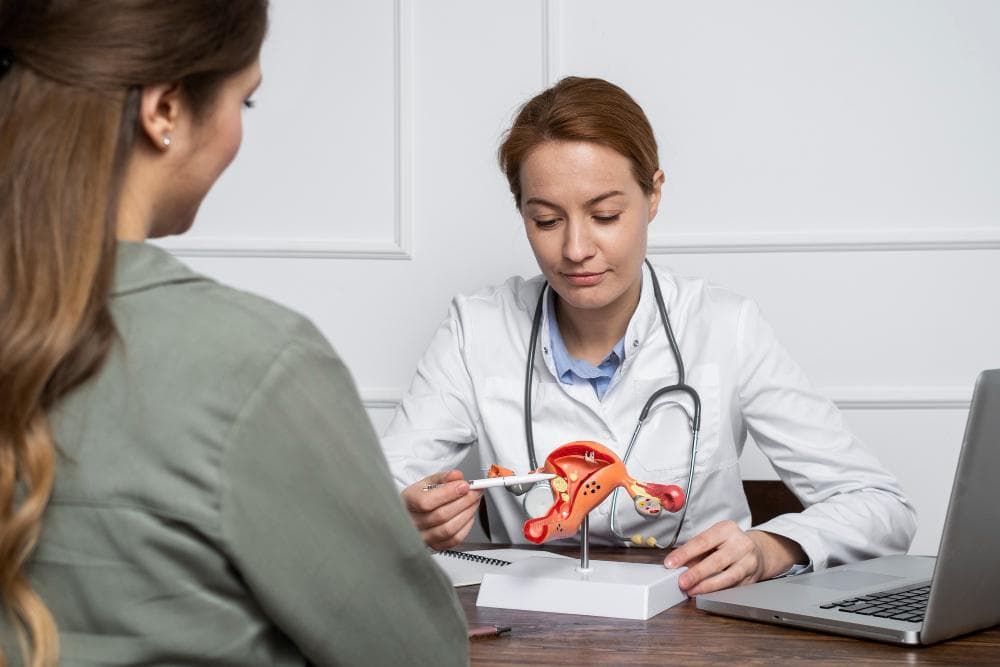
In IUI, washed sperm are placed directly into the uterus, but fertilisation still happens in the fallopian tube.
For many couples, IUI is the first fertility treatment beyond timed intercourse. It is less invasive than IVF, requires no surgery and usually fits around normal life. Yet it is often poorly understood. Couples ask me: "Is it painful? How many times can we try? What are the chances? And when should we stop and move on?"
This guide takes you through the IUI process one step at a time, explains who is likely to benefit, what the success rates really look like, the risks, and how to decide when it is time to try something else. If you are searching for a gynaecologist in Noida for IUI, details are at the end.
What is IUI?
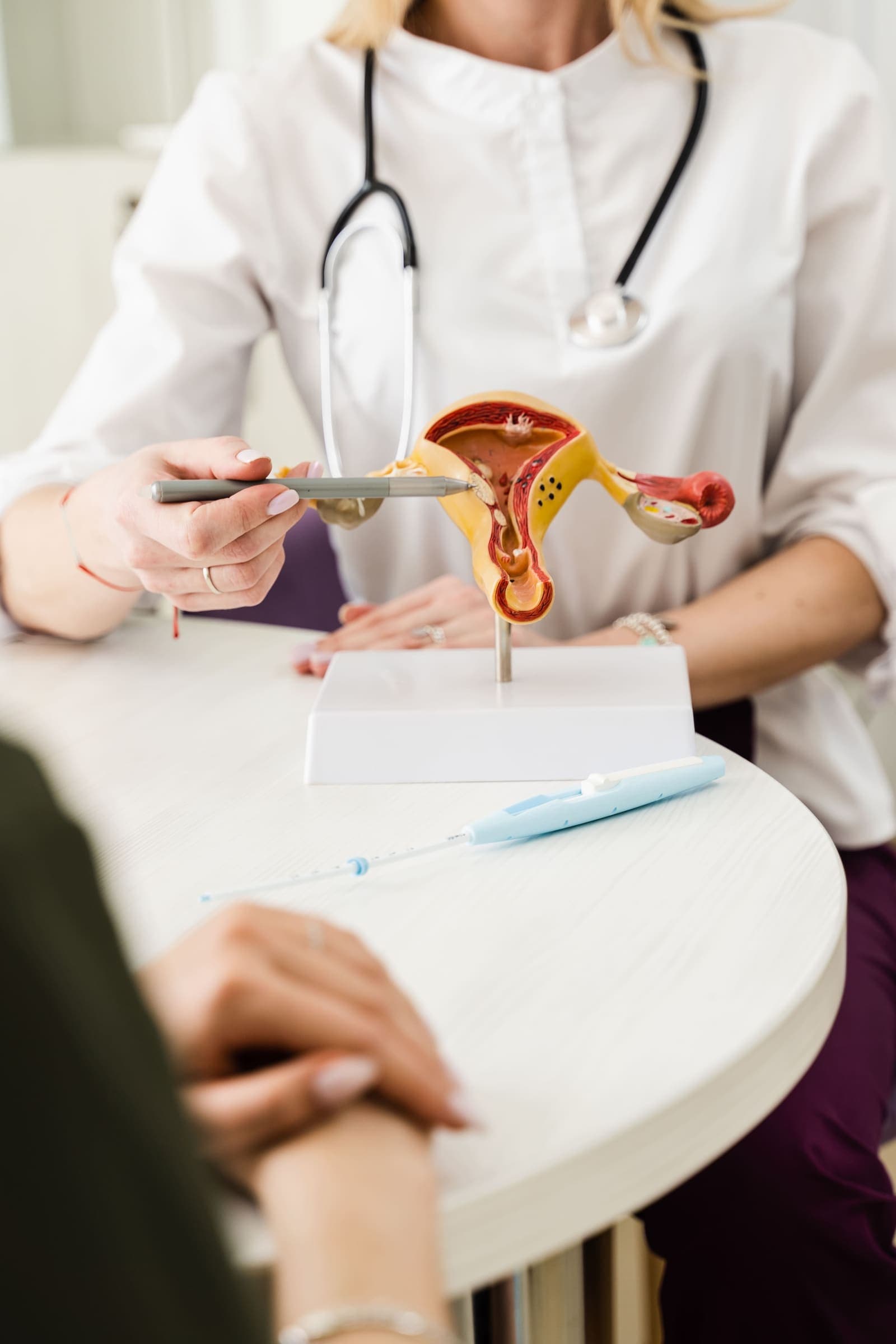
IUI (intrauterine insemination) is a procedure in which a sample of partner (or donor) sperm is washed and concentrated in a laboratory, then placed directly into the uterus using a thin, soft catheter, close to the time of ovulation.
The idea is simple. Instead of millions of sperm having to travel from the vagina through the cervix, the best-quality sperm are delivered closer to the egg, giving them a head start. Fertilisation still happens naturally inside the fallopian tube, which is why at least one open tube is needed. IUI is not the same as IVF, where fertilisation happens in the laboratory.
Who might benefit from IUI?
IUI may be suggested when:
- Unexplained infertility, where tests are normal but pregnancy has not happened
- Mild male factor infertility, such as slightly low sperm count or motility
- Ovulation disorders (such as PCOS) treated with ovulation induction, when timing matters
- Cervical factor: hostile or scant cervical mucus, or previous cervical surgery
- Mild endometriosis with open tubes
- Sexual difficulties, such as erectile dysfunction, vaginismus or ejaculation problems
- Use of donor sperm, or for single women and same-sex couples
- Sperm frozen before cancer treatment
Who is unlikely to benefit?
IUI is not suitable, or has low chances, when:
- Both fallopian tubes are blocked. The egg and sperm cannot meet.
- Severe male factor, with very low counts of motile sperm after washing
- Severe endometriosis or significant pelvic damage
- Very low ovarian reserve or advanced age (over 40 or so), where time is short
- Failed attempts after several cycles
- Uterine cavity abnormalities that need correction first
Before IUI, a good clinic confirms tubal patency (using HSG or another test), ovulation status and a semen analysis.
Before you start: the checklist
- Semen analysis of the male partner, to determine the total motile count
- Tubal assessment: HSG, sonosalpingography or laparoscopy
- Ovulation assessment and hormone tests (AMH, thyroid, prolactin)
- Pelvic ultrasound
- Infection screening (such as HIV, hepatitis B and C) for both partners, as required by regulations and clinic policy
- Folic acid for the woman
The IUI cycle step by step
Step 1: Cycle monitoring begins (day 2 or 3)
On day 2 or 3 of your period, a baseline ultrasound checks the ovaries and uterus. This confirms there is no cyst and the lining is thin.
Step 2: Ovulation stimulation (optional)
In many cases, ovulation is stimulated with oral medicines such as clomiphene or letrozole for five days, or with low-dose gonadotropin injections. The aim is to produce one to two (occasionally three) mature follicles. For women who ovulate regularly and have no other issues, a natural-cycle IUI without medication is also possible. Your doctor chooses the plan depending on your diagnosis.
Step 3: Follicle tracking (days 8 to 14)
Serial transvaginal ultrasounds track follicle growth and lining thickness. Typically, you attend two to three scans. Some centres add blood tests (LH or oestradiol).
Step 4: Trigger injection
When a leading follicle reaches about 18 to 22 mm, a trigger injection (hCG) is given to cause the egg to be released, usually 36 to 40 hours later. Some clinics use the natural LH surge detected by a urine kit instead.
Step 5: Semen collection and preparation
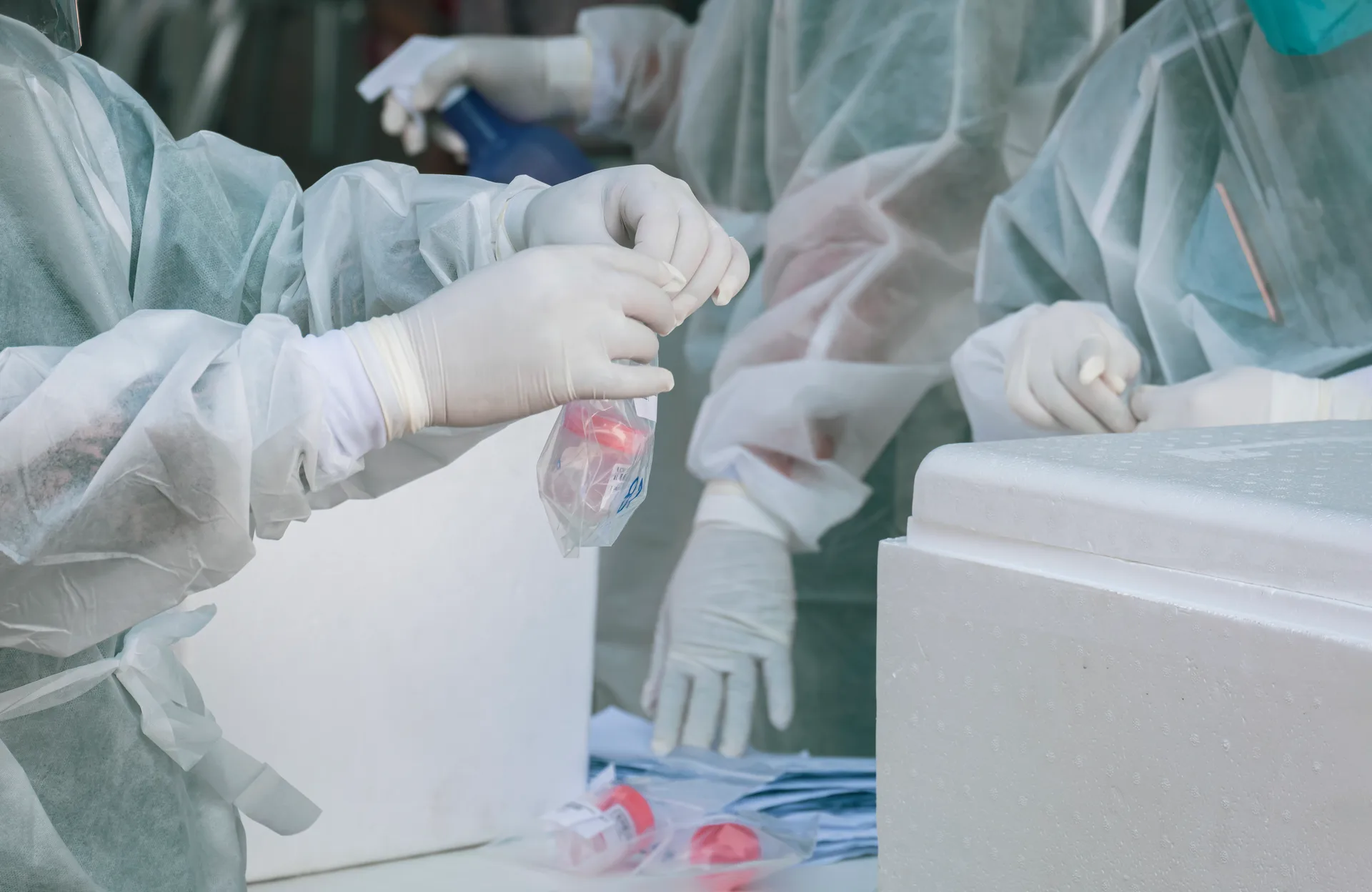
On the day of IUI (usually 24 to 36 hours after the trigger), your partner provides a semen sample, ideally after an abstinence of two to five days. In the laboratory, the sample is "washed" by density-gradient centrifugation or swim-up methods. This separates the active, healthy sperm from seminal fluid, dead sperm and debris, and concentrates them into a small volume (usually 0.3 to 0.5 ml). The preparation takes about an hour.
Step 6: The insemination
The procedure itself is quick and takes 5 to 10 minutes.
- You lie on the examination table with knees bent, like for a Pap smear.
- A speculum is gently inserted to see the cervix, which is cleaned.
- A very thin, flexible catheter containing the prepared sperm is passed through the cervix into the uterine cavity. This is often easier than expected.
- The sperm sample is slowly released.
- The catheter and speculum are removed.
- You lie down for 10 to 15 minutes to rest.
Then you can get dressed and go home, resuming normal activities.
Step 7: Luteal support (optional)
Some doctors prescribe progesterone for about two weeks after IUI, especially if you have used stimulation. Evidence for its benefit is mixed, but it is common practice.
Step 8: The two-week wait and pregnancy test
A pregnancy test (urine or blood) is done about 14 days after IUI. If positive, an ultrasound a couple of weeks later confirms the pregnancy. If negative, your period will usually follow, and your doctor discusses the next cycle.
Does IUI hurt?
Most women describe it as mild cramping or pressure, similar to a Pap smear. It's rarely painful, and no anaesthesia is needed. A few women feel mild period-like cramps for a few hours. The trigger injection or scans are more of an inconvenience than a source of pain. If you have a tilted uterus or a narrow cervix, the catheter may be slightly harder to pass, and the doctor will take care.
You can usually go back to work the same day.
What can you do after IUI?
- Rest for the short period in the clinic, and then resume normal life
- Avoid very heavy exercise for a day or two
- Continue any prescribed medicines
- Eat a balanced diet and drink water
- Avoid smoking and alcohol
- Intercourse is generally allowed unless advised otherwise
- Manage stress as you can, since the wait can be hard
Success rates
Honesty matters here, because the numbers are lower than many people hope.
- In couples with unexplained infertility or mild male factor, the chance of pregnancy per IUI cycle is roughly 10 to 15 percent when combined with ovulation stimulation, and lower (around 5 to 8 percent) in natural cycles.
- The chance falls with age, especially after 35, and noticeably after 40, when it may drop to a few percent per cycle.
- It is lower with poor sperm quality, longer duration of infertility and associated endometriosis.
- Success adds up over cycles: after three to four IUI cycles, around 30 to 40 percent of suitable couples may have conceived, but most pregnancies occur in the first three to four attempts. After that, the chance per cycle declines.
These are averages, not predictions. Your own odds depend on your diagnosis and age, which your doctor can discuss. Clinics that quote very high IUI success rates should be asked how they calculate them.
How many cycles should we try?
Most guidelines suggest three to four cycles of IUI (some say up to six in selected young women with unexplained infertility) before moving on to IVF. If there is a clear reason to avoid delay, such as age over 38 to 40, a poor semen sample or diminished ovarian reserve, the plan may move more quickly, with fewer cycles of IUI or going straight to IVF.
Risks and side effects
IUI is safe and low-risk, but it's good to know the possibilities.
- Multiple pregnancy. If stimulation produces more than one or two follicles, the chance of twins or higher-order multiples rises. This is the most significant risk, and it's why monitoring matters. Some centres cancel a cycle, or convert, if too many follicles develop.
- Ovarian hyperstimulation syndrome (OHSS). Rare with oral medicines, a little more likely with injections.
- Infection. Very rare (less than 1 percent), with sterile technique.
- Spotting or cramps after the procedure.
- Side effects of fertility medicines, such as hot flushes, mood changes, bloating and headaches.
- Ectopic pregnancy. The risk is similar to other fertility treatments, slightly higher than natural conception.
- Emotional stress. Repeated cycles can be draining.
Donor sperm IUI
For women without a male partner or couples with severe male infertility, IUI with donor sperm is an option. In India, donor sperm must come from a registered, regulated bank, and counselling and consent are required under the ART (Regulation) Act. Your clinic can explain the rules.
IUI vs IVF: how to decide
IUI is the less intensive, less invasive, and shorter treatment. IVF has higher success rates per cycle but involves more medication, a procedure for egg collection, and a laboratory process. For many couples with unexplained infertility or mild male factor, a few cycles of IUI is a reasonable first step. For others, with blocked tubes, severe male factor, older age or previous IUI failures, going directly to IVF saves time. Our separate guide compares IUI and IVF in detail.
Tips to improve your chances
- Treat problems found in investigation first: thyroid disease, high prolactin, polyps or fibroids.
- Aim for a healthy weight.
- Stop smoking, and limit alcohol and caffeine.
- Ensure a short abstinence period (two to five days) before sample collection.
- Take folic acid and any prescribed supplements.
- Follow monitoring instructions carefully, as timing is the key variable.
- Discuss realistic goals and a time limit with your doctor before starting.
Common questions
Do we need to be present on the day? The male partner needs to provide a sample (or have a frozen sample available). The woman attends for the procedure.
Can I have IUI during my period? No. It's done around ovulation.
Is bed rest needed? No. Rest for 10 to 15 minutes at the clinic is enough.
Does IUI increase the chance of a boy or girl? No.
Can IUI be done at home? No. Home insemination is not recommended, because proper sperm preparation and monitoring are important, and safety and legal issues apply.
Can I do IUI if I have PCOS? Yes, often combined with ovulation induction.
Plan your treatment carefully
IUI works best when the right couples are chosen, cycles are well monitored and expectations are realistic. I see couples from Noida, Greater Noida, Ghaziabad and Delhi NCR at Prakash Hospital, Sector 33. To book a consultation, call +91 97023 46853.
Related reading
- IUI vs IVF: which is right for you?
- Ovulation induction: how it works
- Clomiphene citrate and letrozole
- HSG test: preparation and results
- Female infertility: causes and tests
This article is for general education. The suitability of IUI should be assessed by your fertility doctor.