PMS vs PMDD: Understanding Premenstrual Symptoms and When They Need Treatment
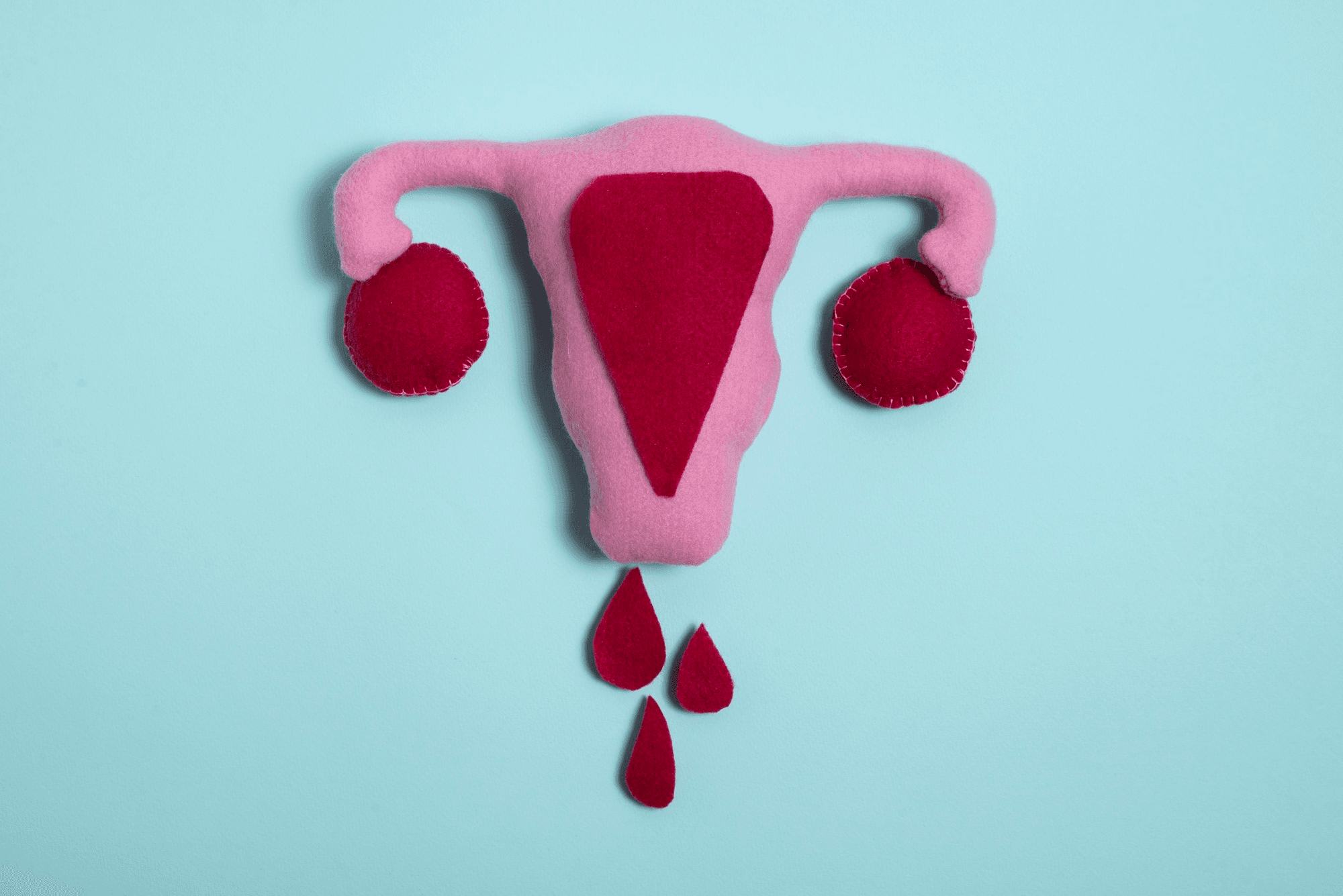
An illustration of the female reproductive organ, depicting the process of menstruation.
Most women who menstruate experience some degree of physical or emotional change in the days before their period. For many, these are manageable inconveniences. For others, the premenstrual phase is so disruptive — in mood, in relationships, in work functioning — that it significantly impairs quality of life.
The distinction between normal premenstrual experience, PMS (premenstrual syndrome), and PMDD (premenstrual dysphoric disorder) is not just academic — it determines what treatment is appropriate and necessary.
Dr. Shachi Singh, consultant gynaecologist at Prakash Hospital, Sector 33, Noida, explains.
The Premenstrual Phase: What's Normal
The luteal phase — the 2 weeks between ovulation and the start of menstruation — involves rising progesterone, peaking oestrogen, and then a sharp drop in both hormones in the days before the period. These hormonal shifts produce effects across multiple body systems.
Experiencing some of the following premenstrually is common and does not constitute PMS or PMDD:
- Mild bloating
- Breast tenderness
- Slight mood sensitivity or irritability
- Food cravings
- Mild tiredness
When these symptoms are mild, predictably premenstrual, and do not significantly interfere with functioning, they are within the range of normal physiological experience.
PMS: Premenstrual Syndrome
PMS is defined as a collection of physical and emotional symptoms that:
- Occur specifically in the luteal phase (1 to 2 weeks before the period)
- Resolve within 2 to 3 days of the period starting
- Are significant enough to cause distress or functional impairment
- Are not explained by another medical or psychiatric condition
Common PMS symptoms:
Physical: bloating, breast tenderness, headaches, fatigue, appetite changes, food cravings, sleep disturbance, acne flare, joint or muscle aches.
Emotional/behavioural: mood swings, irritability, tearfulness, anxiety, difficulty concentrating, social withdrawal.
PMS affects up to 30 to 40% of women of reproductive age to a degree that causes some functional impact.
PMDD: Premenstrual Dysphoric Disorder
PMDD is a more severe, clinically distinct condition from PMS. It is classified as a depressive disorder in the DSM-5 and ICD-11 — recognising that it involves mood disruption severe enough to meet the threshold of a psychiatric diagnosis.
PMDD requires at least 5 of the following symptoms in the luteal phase, with at least one being from the first group:
Mood-dominant symptoms (at least one required):
- Markedly depressed mood, hopelessness, self-deprecating thoughts
- Marked anxiety, tension, feeling on edge
- Marked mood swings (suddenly feeling sad or tearful, increased sensitivity to rejection)
- Persistent and marked irritability or anger that causes interpersonal conflict
Additional symptoms:
- Decreased interest in usual activities
- Difficulty concentrating
- Lethargy, fatigue, significant lack of energy
- Marked changes in appetite, food cravings, overeating
- Hypersomnia or insomnia
- Feeling overwhelmed or out of control
- Physical symptoms: breast tenderness, bloating, headaches, joint or muscle pain
The key distinguishing features of PMDD:
- The mood symptoms are severe — comparable to a moderate depressive episode
- Relationships, work, and daily functioning are significantly impaired during the luteal phase
- The symptoms resolve almost completely in the follicular phase (after the period starts) — this is the hallmark
- If symptoms continue throughout the entire cycle, a primary mood disorder (depression, anxiety disorder) is more likely than PMDD
PMDD affects approximately 3 to 8% of menstruating women.
Confirming the Diagnosis: Symptom Tracking
The diagnosis of PMS or PMDD requires prospective symptom tracking — recording symptoms daily across 2 to 3 menstrual cycles, noting when they occur and their severity. This confirms the luteal-phase-specific pattern that is essential to the diagnosis. Retrospective recall of symptoms is subject to bias.
Many women find that tracking itself is valuable — understanding the cyclical pattern helps them anticipate and prepare for the luteal phase.
What Causes PMS and PMDD?
The hormonal fluctuations of the menstrual cycle — particularly the drop in oestrogen and progesterone in the late luteal phase — trigger PMS and PMDD in susceptible individuals. But why some women are much more affected than others involves:
1. Serotonin sensitivity: PMDD is significantly linked to abnormal serotonin system responses to normal hormonal changes. This is why SSRIs (selective serotonin reuptake inhibitors) are the most effective medical treatment.
2. GABA sensitivity: Progesterone metabolite allopregnanolone modulates GABA receptors. Abnormal GABA receptor sensitivity to allopregnanolone fluctuations is implicated in PMDD.
3. Genetic factors: PMDD runs in families. Twin studies show a significant heritable component.
Treatment
1. Lifestyle Approaches (First-Line for PMS, Adjunct for PMDD)
Regular aerobic exercise: Consistent evidence for reducing PMS symptoms — particularly mood symptoms and physical symptoms. Mechanism involves endorphin release, stress regulation, and positive effects on serotonin. Aim for 30 minutes of moderate exercise on most days of the cycle, including the luteal phase.
Dietary adjustments: Reduce salt (bloating), reduce caffeine (worsens anxiety and breast tenderness), reduce alcohol (worsens mood instability), increase complex carbohydrates, maintain regular meals.
Sleep: Prioritise sleep, particularly in the luteal phase. Poor sleep dramatically amplifies PMS/PMDD symptoms.
Stress management: Mindfulness, yoga, and other stress-reduction techniques reduce overall HPA axis reactivity and improve PMS resilience.
Calcium supplementation: Several clinical trials show calcium supplementation (1,000 to 1,200 mg daily) reduces PMS symptoms — mood symptoms, water retention, and food cravings — by approximately 40 to 50%.
Vitamin B6: Modest evidence for PMS mood symptom reduction. 50 to 100 mg daily.
2. Medical Treatment
SSRIs (Selective Serotonin Reuptake Inhibitors): The most effective medical treatment for PMDD, and effective for moderate to severe PMS. Can be taken either continuously (every day) or luteal-phase-only (from ovulation to the start of the period). Luteal-phase dosing works because SSRIs act quickly on mood in PMDD — unlike major depression where weeks are needed. SSRIs effective for PMDD include fluoxetine, sertraline, paroxetine, and citalopram.
Combined oral contraceptive pill: Suppressing ovulation eliminates the hormonal fluctuations that drive PMS/PMDD. Not all pills are equally effective — the OCP containing drospirenone (a progestin with anti-mineralocorticoid effects, reducing bloating) with ethinyl oestradiol has specific evidence for PMDD.
GnRH analogues: Suppressing the entire menstrual cycle with GnRH analogues (leuprolide injections) effectively treats severe PMDD by eliminating the hormonal fluctuations entirely. Used for severe PMDD not responding to other treatments. Requires add-back HRT to prevent bone density loss.
Cognitive Behavioural Therapy (CBT): Particularly effective for PMDD when mood symptoms are dominant. Addresses the cognitive distortions and interpersonal conflict patterns that characterise PMDD. Can be combined with medical treatment.
Gynaecological Care in Noida and Greater Noida
Dr. Shachi Singh at Prakash Hospital, Sector 33, Noida, evaluates and manages premenstrual symptoms — from PMS to PMDD — for women across Noida and Greater Noida.
To book a consultation with Dr. Shachi Singh, call: +91 97023 46853
Clinic Hours: Monday to Saturday, 9 AM – 6 PM | Sunday, 10 AM – 2 PM
This blog is for informational purposes only. Please consult Dr. Shachi Singh or a qualified gynaecologist for assessment specific to your symptoms.