Absent Periods: Why Your Period Has Stopped and What It Means
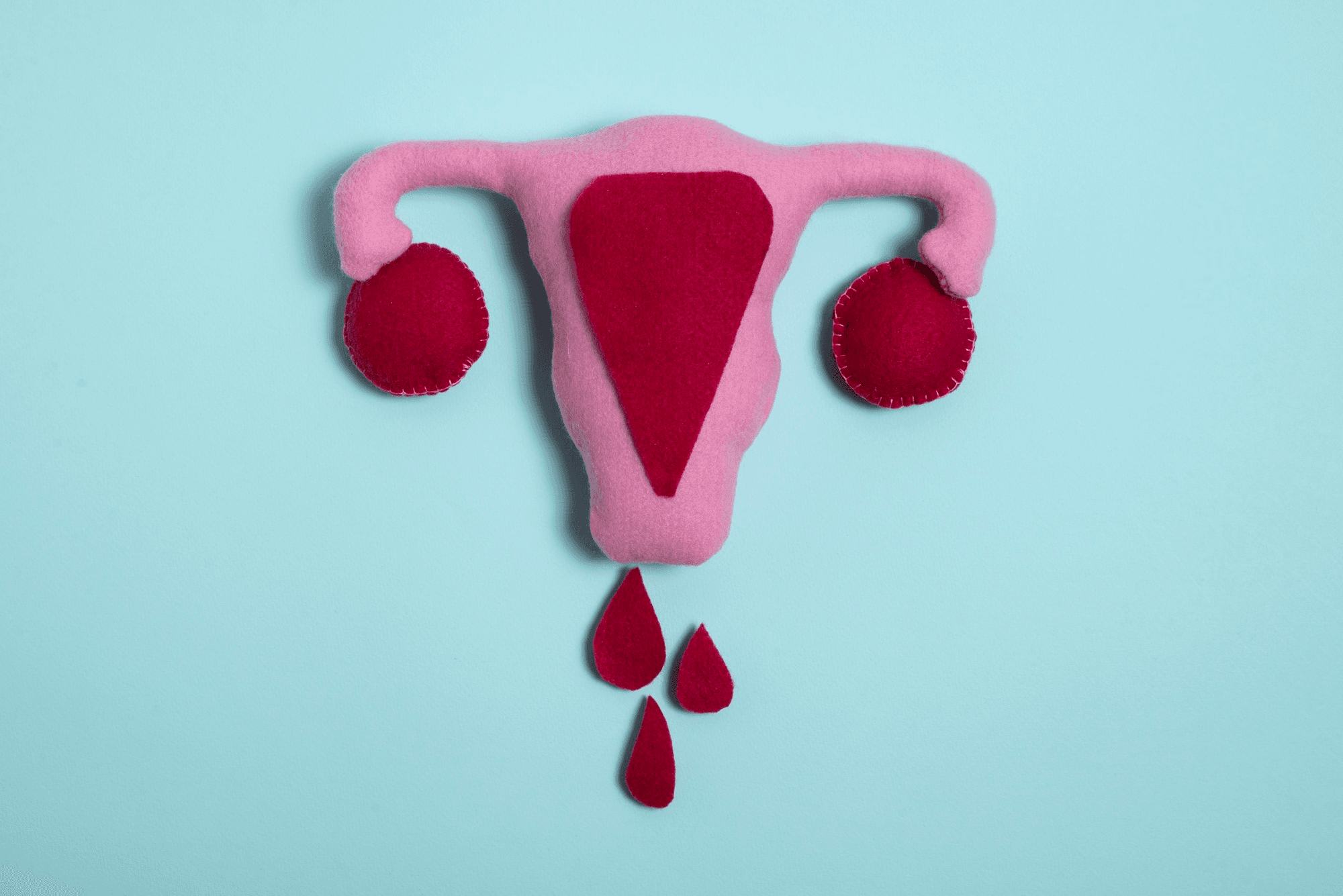
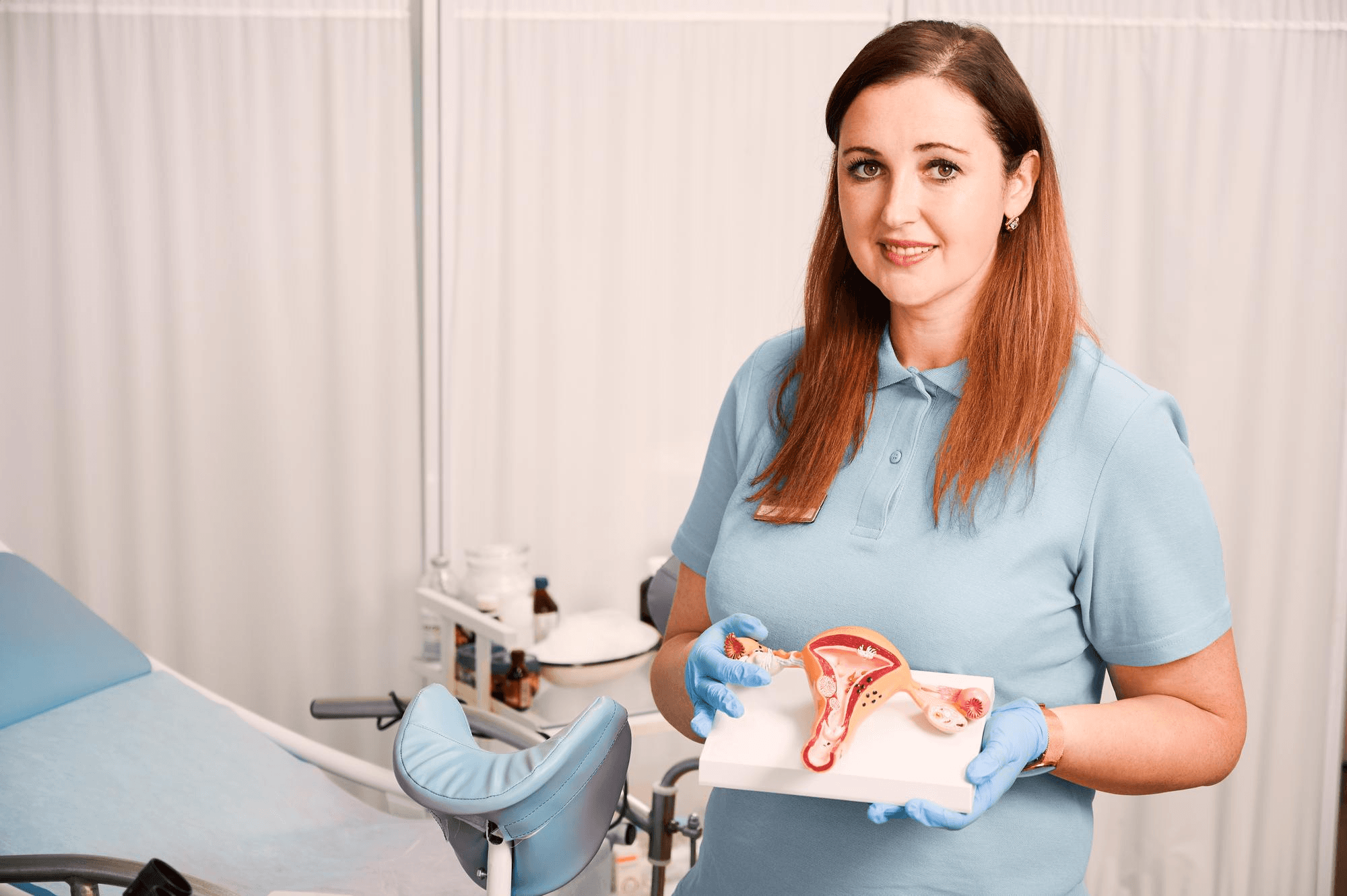
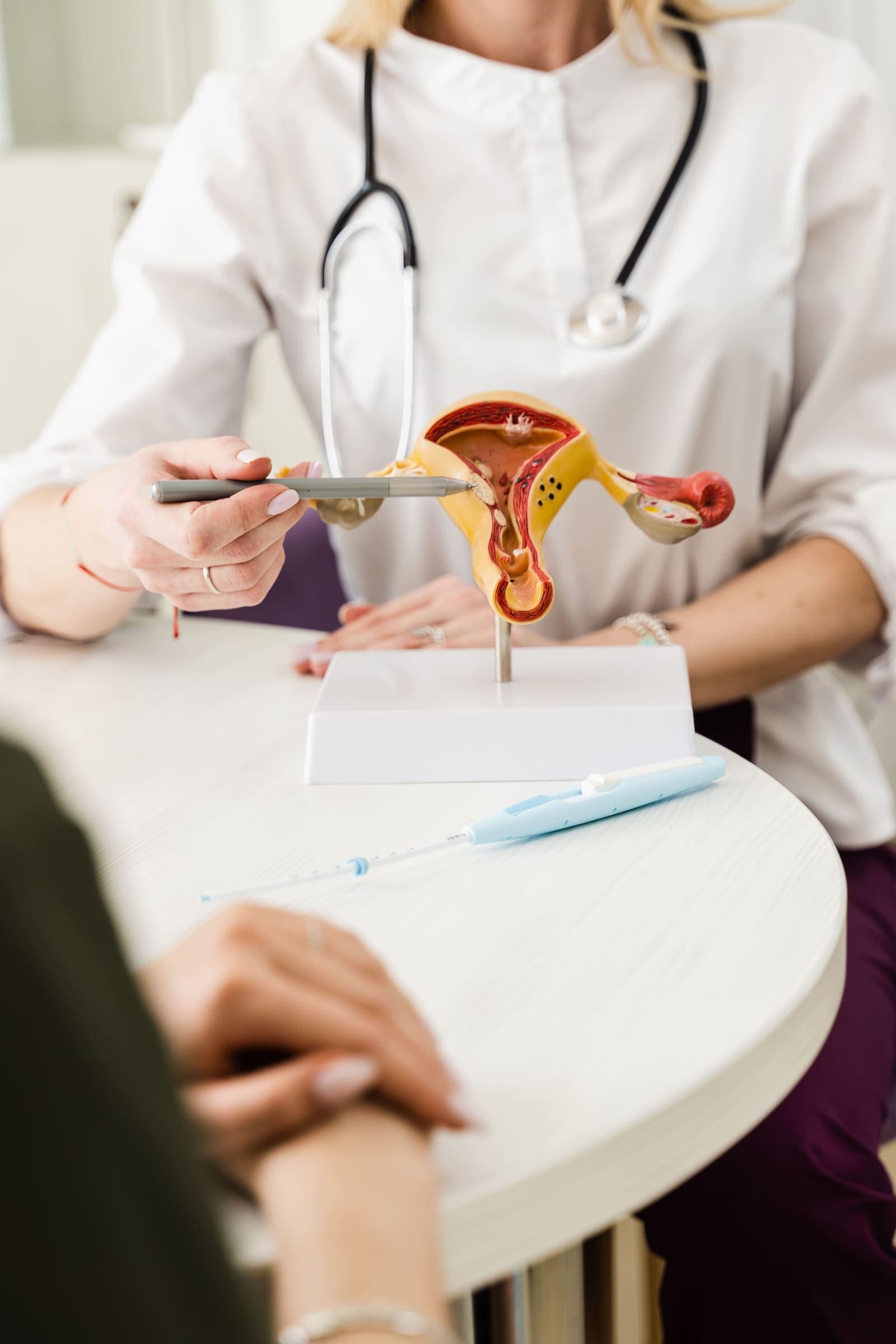
An illustration of the female reproductive organ, depicting the process of menstruation.
Missing a period triggers an immediate thought in most women: pregnancy. But when a pregnancy test is negative — and when periods have been absent for months — other explanations need to be systematically considered.
Absent periods, medically called amenorrhoea, is divided into two categories: primary amenorrhoea (never having had a period by age 16) and secondary amenorrhoea (periods that have stopped after previously occurring). The causes, investigation, and treatment differ significantly between these two presentations.
Dr. Shachi Singh, consultant gynaecologist at Prakash Hospital, Sector 33, Noida, explains the full picture.
Primary Amenorrhoea: Never Having Had a Period
A young woman who has not had her first period by age 16 (or by age 14 if she also has no breast development) requires evaluation. Causes include:
1. Constitutional delay: The most common cause. The girl is developing normally but on a later timeline. Family history of late puberty is often present. Reassurance and monitoring are appropriate.
2. Hypothalamic-pituitary causes: Low FSH and LH from the pituitary — either from constitutional delay, low body weight, excessive exercise, or stress — prevents the hormonal cascade that initiates puberty and menstruation.
3. Gonadal dysgenesis (Turner syndrome): A chromosomal condition (45,X) where the ovaries do not develop normally. Associated with short stature and other features. Diagnosed on karyotype.
4. Structural anomalies: An imperforate hymen (the hymenal tissue completely blocks the vaginal opening, preventing menstrual flow from exiting — the blood accumulates internally, a condition called haematocolpos), transverse vaginal septum, or Müllerian agenesis (absence of the uterus and upper vagina — Mayer-Rokitansky-Küster-Hauser syndrome).
5. Androgen insensitivity syndrome (AIS): Individuals with XY chromosomes who are phenotypically female — the body does not respond to male hormones. External appearance is female, but no uterus or ovaries are present.
Primary amenorrhoea requires thorough evaluation including examination, ultrasound, hormonal blood tests, and in some cases karyotype.
Secondary Amenorrhoea: Periods That Have Stopped
Secondary amenorrhoea is defined as the absence of periods for 3 consecutive months in a woman with previously regular cycles, or 6 months in a woman with previously irregular cycles.
1. Pregnancy
Always the first consideration. Confirm or exclude with a urine pregnancy test — including ectopic pregnancy, which can present with a positive test and missed periods.
2. Hypothalamic Amenorrhoea
The most common cause of secondary amenorrhoea after pregnancy and PCOS. The hypothalamus reduces or stops producing GnRH, disrupting the entire hormonal cascade driving ovulation and menstruation.
Triggers include:
- Significant weight loss or low body weight: Adipose tissue produces oestrogen — very low body fat disrupts the hormonal environment. Anorexia nervosa is the most extreme example.
- Excessive exercise: High-volume athletic training — particularly endurance sports — combined with inadequate caloric intake causes hypothalamic suppression. The "female athlete triad" — disordered eating, amenorrhoea, and low bone density — is a well-recognised pattern.
- Psychological stress: Severe emotional stress can suppress hypothalamic function.
Treatment: addressing the underlying cause — restoring weight, reducing exercise intensity, managing stress. Hormone therapy may be used to protect bone density while the underlying cause is addressed.
3. Polycystic Ovary Syndrome (PCOS)
The most common cause of irregular or absent periods in women of reproductive age. Elevated LH, insulin resistance, and androgen excess disrupt the normal ovulatory cycle. Many women with PCOS have infrequent periods (oligomenorrhoea) rather than complete absence, but amenorrhoea does occur.
4. Thyroid Disorders
Both hypothyroidism and hyperthyroidism disrupt the menstrual cycle. Hypothyroidism in particular commonly causes oligomenorrhoea or amenorrhoea. TSH testing is standard in all amenorrhoea workup.
5. Hyperprolactinaemia
Elevated prolactin — from a pituitary adenoma (prolactinoma), medications (antipsychotics, some antidepressants, metoclopramide), hypothyroidism, or other causes — suppresses GnRH and LH, causing anovulation and amenorrhoea. Symptoms: missed periods, galactorrhoea (milk discharge from the nipples outside of pregnancy/breastfeeding). Treatment: dopamine agonists (cabergoline) if from a prolactinoma; medication review if drug-induced.
6. Premature Ovarian Insufficiency (POI)
Previously called premature menopause. The ovaries stop functioning normally before age 40. FSH is elevated, oestrogen is low. Causes: autoimmune (the most common identifiable cause), chromosomal (Fragile X premutation), iatrogenic (chemotherapy, radiation), or idiopathic. Presents with missed periods, hot flashes, vaginal dryness — essentially menopausal symptoms at a young age. Requires hormone replacement therapy to protect bone and cardiovascular health, and specialist fertility support for women who wish to conceive.
7. Asherman's Syndrome
Intrauterine adhesions — scar tissue within the uterine cavity — typically from previous D&C (curettage after miscarriage or delivery), uterine surgery, or uterine infection. The adhesions obliterate the uterine cavity, preventing normal endometrial shedding. Periods reduce dramatically or stop. Diagnosed by sonohysterography or hysteroscopy. Treatment: hysteroscopic adhesiolysis.
8. Oral Contraceptive Pill and Hormonal Contraception
Post-pill amenorrhoea — where periods do not return promptly after stopping the OCP — is common, typically resolving within 3 to 6 months. The pill masks underlying menstrual irregularity; conditions like PCOS or hypothalamic amenorrhoea that were present before starting the pill become apparent after stopping it.
Progestin-only methods (Depo-Provera, implant) commonly cause amenorrhoea as an expected side effect.
Investigation
The investigation panel for secondary amenorrhoea includes:
- Urine pregnancy test (always first)
- FSH, LH, oestradiol — to distinguish hypogonadotrophic (low FSH — hypothalamic cause) from hypergonadotrophic (high FSH — ovarian cause) amenorrhoea
- Prolactin
- TSH
- Testosterone, DHEAS (if PCOS is suspected)
- AMH (ovarian reserve)
- Pelvic ultrasound
- MRI pituitary (if prolactin is elevated or a pituitary cause is suspected)
Gynaecological Care in Noida and Greater Noida
Dr. Shachi Singh at Prakash Hospital, Sector 33, Noida, investigates and manages absent periods for women across Noida and Greater Noida — including PCOS management, thyroid coordination, prolactin assessment, and hysteroscopic treatment of Asherman's syndrome.
To book a consultation with Dr. Shachi Singh, call: +91 97023 46853
Clinic Hours: Monday to Saturday, 9 AM – 6 PM | Sunday, 10 AM – 2 PM
Clinic Address: D-12A, 12B, Sector-33, G.B. Nagar, Noida, Uttar Pradesh 201301
This blog is written for educational and informational purposes only. Please consult Dr. Shachi Singh or a qualified gynaecologist for assessment specific to your situation.