Is It Safe to Eat Outside Food During Pregnancy? A Practical Guide for Indian Women
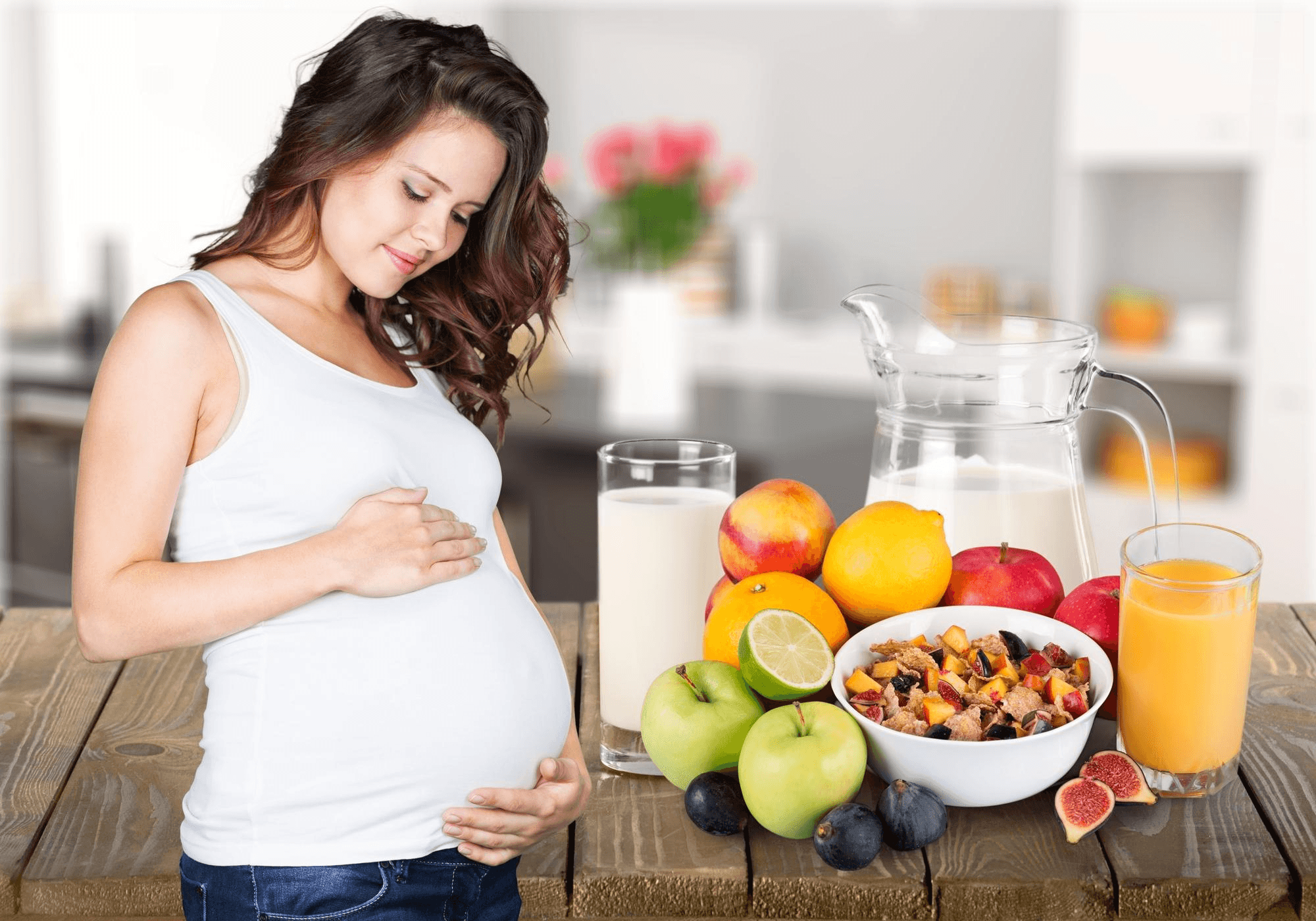
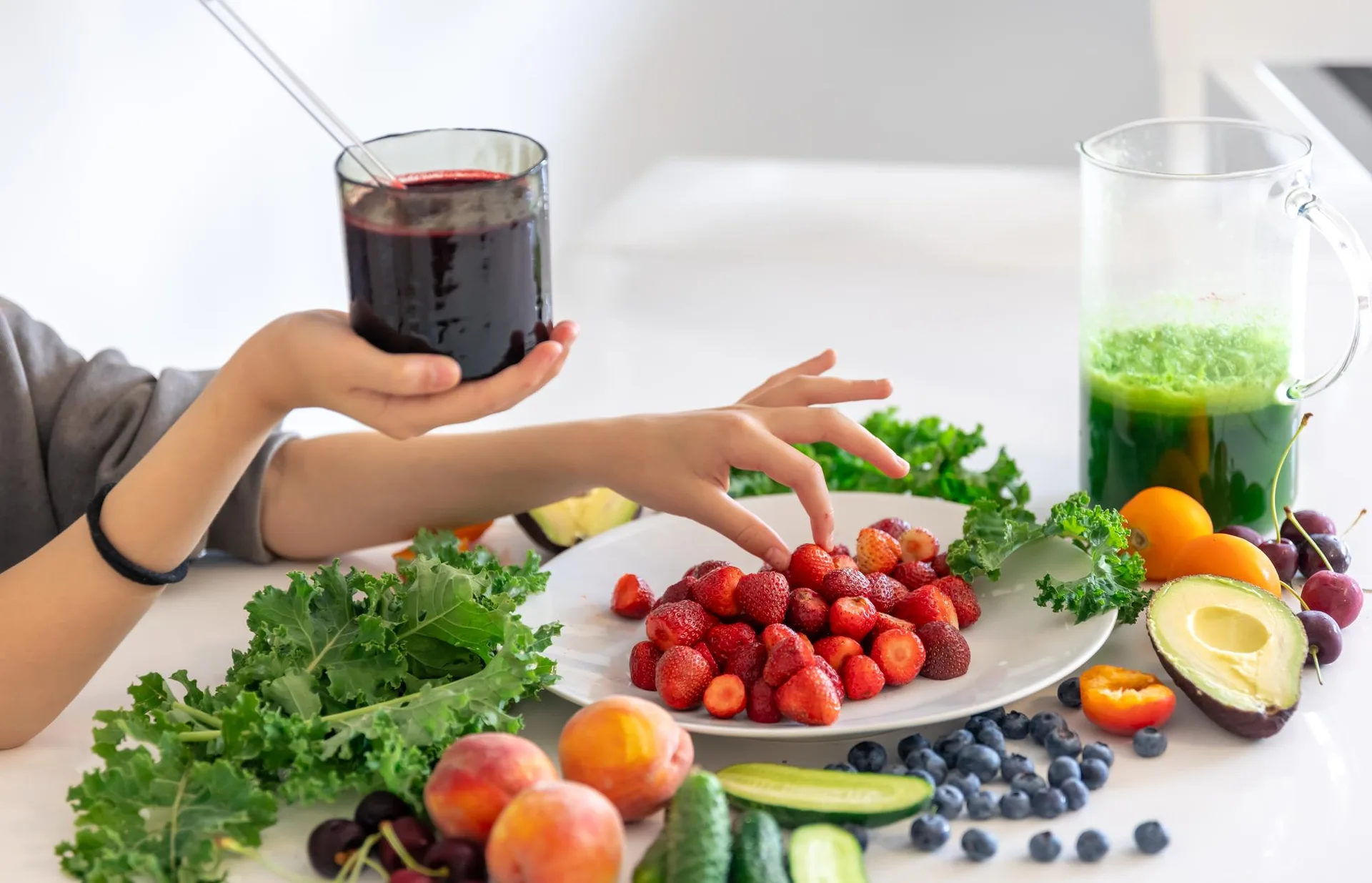
A pregnant woman embracing her belly, near a table exhibiting a collection of fruits, juice, and milk to signify nutrition and prenatal care at home.
Indian families have a lot of opinions about what pregnant women should and should not eat. Some of this advice is sound. Some of it — particularly around eating "outside" food — is so restrictive that it becomes impractical for women who work, travel, or simply have a life that extends beyond the kitchen.
The realistic answer is that eating outside food during pregnancy is not categorically dangerous — but it requires more care than usual. The increased vulnerability comes not from restaurants or street stalls as a concept, but from specific food safety risks that are elevated in pregnancy.
Dr. Shachi Singh, consultant obstetrician at Prakash Hospital, Sector 33, Noida, gives practical, evidence-based guidance for pregnant women navigating food choices outside the home.
Why Pregnancy Changes Food Safety Concerns
Pregnancy involves immune modulation — the immune system adapts to tolerate the semi-foreign fetus. This makes pregnant women more susceptible than the general population to foodborne illnesses. When a non-pregnant person gets mild food poisoning and recovers in 24 hours, a pregnant woman may experience:
- Severe dehydration from vomiting and diarrhea — dangerous in pregnancy
- Certain infections that are rare in the general population but specifically dangerous in pregnancy (Listeria, Salmonella typhi, Hepatitis A)
- Some infections that can cross the placenta and affect the baby directly
This does not mean avoiding all outside food. It means knowing which foods carry meaningful risk and which are safe with reasonable care.
Highest Risk Foods to Avoid Outside
1. Raw or undercooked meat and poultry: Raw chicken tikka, undercooked seekh kebabs, any pink meat. Salmonella and Campylobacter risk. Ensure meat is fully cooked through — no pink in the center.
2. Raw fish and shellfish: Sushi, raw oysters, undercooked prawn or crab dishes. Risk of Listeria, Vibrio, and other pathogens. Fully cooked seafood is generally safe.
3. Unpasteurized dairy: Some street paneer, raw milk, certain traditional preparations made with fresh (non-pasteurized) milk. Risk of Listeria. Commercial pasteurized dairy from reputed brands is safe.
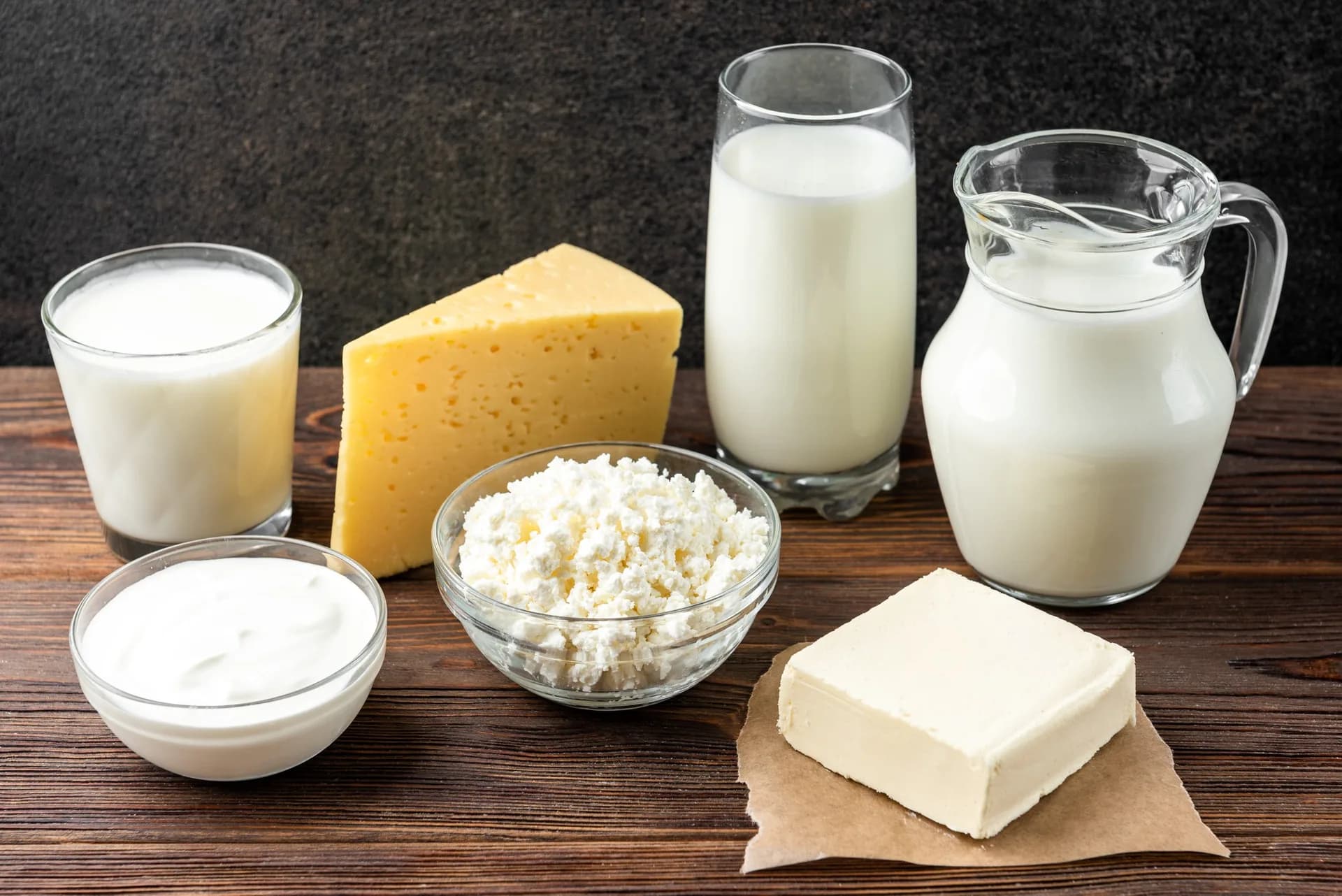
Sources of calcium including milk, cheese, yogurt, dairy products and fortified foods.
4. Raw sprouts: Bean sprouts, moong sprouts, mixed sprout salads served raw. Sprouts have been associated with Salmonella and E. coli outbreaks because the warm, moist sprouting environment supports bacterial growth. If you love sprouts, eat them cooked rather than raw during pregnancy.
5. Cut fruits from street vendors with uncertain hygiene: Pre-cut melon, papaya, pineapple sitting in the open for extended periods. High surface area for contamination. Whole fruits peeled yourself are safe; questionable-hygiene cut fruits are not.
6. Water from uncertain sources: Always drink bottled, boiled, or purified water. Avoid ice in drinks at places where water quality is uncertain.
7. Reheated food of uncertain standing time: Food that has been sitting out for hours and reheated is a bacterial growth risk. Freshly cooked food is always safer.
What Is Generally Safe at Restaurants and Dhabas
1. Hot, freshly cooked food: Dals, sabzis, cooked rice, freshly made rotis, freshly cooked chicken or mutton dishes — all are generally safe if freshly prepared and served hot. The cooking temperature kills most foodborne pathogens.
2. Coffee and chai: Freshly brewed, hot — safe. Limit caffeine overall (below 200 mg per day — roughly one to two cups of coffee or four cups of chai), but the food safety aspect is fine.
3. Packaged, sealed food from reputed brands: Factory-sealed biscuits, pasteurised dairy, packaged juices from recognized brands — generally safe.
4. Cooked eggs: Fully cooked eggs (boiled, bhurji cooked through, omelettes cooked through) are safe. Avoid runny yolks (half-fried eggs, soft-boiled, raw egg in any preparation).
5. Vegetarian Indian food at reasonably clean restaurants: Dal, paneer (from pasteurised milk, freshly cooked), sabzis, biryani (freshly made) — all generally safe.
Street Food: The More Nuanced Picture
Indian street food is not monolithic. Some is prepared fresh and safe; some carries real risk.
1. Higher risk at street stalls:
- Chaat with raw chutneys, raw sprouts, or raw garnish that has been sitting in the open
- Golgappa / pani puri — the water is the issue, not the puri itself
- Cut fruit and vegetable preparations with uncertain hygiene
- Juices made in blenders that are not cleaned between uses
- Raw salads
2. Lower risk at street stalls:
- Freshly fried or cooked items: samosa (freshly fried and hot), pakoda, freshly made aloo tikki from clean oil
- Freshly grilled corn (bhutte ka bhobbra) eaten immediately
- Puffed rice preparations without raw chutneys
The principles are: fresh, hot, cooked through, prepared in front of you, from a stall with reasonable hygiene practices. A busy stall with high turnover is generally safer than a quiet one with food sitting for hours.
Food Poisoning in Pregnancy: What to Do
If you develop vomiting and diarrhea after eating outside:
1. Stay hydrated: The primary risk of gastroenteritis in pregnancy is dehydration. ORS (oral rehydration solution — Electoral or similar) replaces lost salts and fluids. Sip frequently rather than drinking large volumes at once.
2. Contact your obstetrician if:
- Diarrhea or vomiting is severe or lasting more than 24 hours
- You cannot keep any fluid down
- You have fever above 38°C
- You notice reduced fetal movement
- You have abdominal pain beyond the gastroenteritis cramps
3. Medications: Some anti-diarrheal and antiemetic medications are safe in pregnancy (metoclopramide); others are not. Do not self-medicate — contact your obstetrician for guidance on what is appropriate.
Practical Rules for Eating Outside Safely During Pregnancy
- Eat freshly prepared, hot food rather than items that have been sitting out
- Avoid raw or undercooked meat and eggs
- Avoid raw sprouts, unpasteurized dairy, raw shellfish
- Avoid golgappa and drinks with uncertain water sources — choose bottled water
- Choose busy restaurants with visible kitchen hygiene over empty ones
- When in doubt about a specific item, skip it — there will always be something else to eat
- Wash hands before eating, particularly after using public restrooms
Antenatal Care in Noida and Greater Noida
Dr. Shachi Singh at Prakash Hospital, Sector 33, Noida, provides practical antenatal nutrition and food safety guidance as part of comprehensive pregnancy care for women across Noida and Greater Noida.
To book a consultation with Dr. Shachi Singh, call: +91 97023 46853
Clinic Hours: Monday to Saturday, 9 AM – 6 PM | Sunday, 10 AM – 2 PM
Clinic Address: D-12A, 12B, Sector-33, G.B. Nagar, Noida, Uttar Pradesh 201301
Frequently Asked Questions
1. Can I eat from restaurants during pregnancy?
Yes — with care. Hot, freshly cooked food from restaurants with reasonable hygiene standards is generally safe. Avoid raw items, undercooked meat and eggs, raw sprouts, and uncertain water sources.
2. Is street food safe during pregnancy?
Some street food is safe (freshly cooked hot items); some carries genuine risk (raw chutneys, golgappa water, cut fruit with uncertain hygiene). Apply the freshly cooked, hot, high-turnover stall principle.
3. Is papaya safe during pregnancy?
Ripe papaya is safe and nutritious during pregnancy — rich in Vitamin C and fibre. Unripe or semi-ripe papaya (raw papaya, used in some salads and pickles) contains latex-like compounds that can stimulate uterine contractions and is traditionally avoided. Ripe, orange papaya is the safe version.
4. What about eating at relatives' and friends' homes?
Generally safe — home-cooked food with standard hygiene is lower risk than uncertain street food. Specific foods to apply caution to (raw eggs, undercooked meat, unpasteurised dairy) remain relevant regardless of the setting.
This blog is written for educational and informational purposes only. Please consult Dr. Shachi Singh or a qualified obstetrician for dietary guidance specific to your pregnancy.